Blog

  • Enwell Energy AGM Resolutions Approved in Full

    Enwell Energy AGM Resolutions Approved in Full

    Enwell Energy plc (LSE:ENW) confirmed that shareholders backed all the resolutions put forward at its Annual General Meeting. Among the most notable approvals were the reappointment of directors, the renewal of Zenith Audit Ltd as the company’s auditor, and the authorization for directors to issue new shares. The outcome highlights continued investor confidence in the leadership team and its strategic vision, which may help reinforce the group’s operational resilience and market standing.

    Despite maintaining a solid financial base and trading at what many see as an appealing valuation, the company continues to face considerable challenges. Geopolitical instability in Ukraine poses substantial risks, while bearish trading signals and suspended production licenses add to a cautious investment sentiment.

    About Enwell Energy

    Enwell Energy plc is listed on AIM and specializes in the exploration and development of oil and gas projects. Its operations center on producing and supplying hydrocarbons, playing a role in meeting energy needs across its markets.

    This content is for informational purposes only and does not constitute financial, investment, or other professional advice. It should not be considered a recommendation to buy or sell any securities or financial instruments. All investments involve risk, including the potential loss of principal. Past performance is not indicative of future results. You should conduct your own research and consult with a qualified financial advisor before making any investment decisions.

  • FTSE 100 Dips as UK PMI Surges; WH Smith Shares Tank

    FTSE 100 Dips as UK PMI Surges; WH Smith Shares Tank

    UK equities edged lower on Thursday afternoon, even as the pound strengthened against the US dollar following a stronger-than-anticipated reading from the UK purchasing managers’ index (PMI), which indicated the fastest growth in a year.

    By 11:50 GMT, the FTSE 100 had slipped 0.3%, while the pound dipped 0.01% against the dollar, trading just below the 1.35 mark. In Europe, Germany’s DAX lost 0.3%, and France’s CAC 40 fell 0.7%.

    UK Targets Iranian Oil Executive with New Sanctions

    The UK government imposed sanctions on Iranian oil tycoon Hossein Shamkhani and four associated companies, citing their support for Tehran’s overseas activities in Ukraine and Israel. The measures include asset freezes on Shamkhani and the companies, which operate across shipping, petrochemical, and financial sectors, according to an official government notice.

    UK Business Activity Hits One-Year High

    The preliminary S&P Global UK Composite PMI for August rose to 53.0, marking its highest level since August 2024 and a notable improvement from July’s final reading of 51.5. Economists had expected a smaller increase to 51.6.

    Government Borrowing Below Expectations

    UK borrowing slowed in July, with the government taking on £1.1 billion ($1.48 billion), well below the anticipated £2.6 billion, according to official figures released Thursday.

    WH Smith Shares Plunge Following Profit Downgrade

    Shares of WH Smith (LSE:SMWH) tumbled more than 31% after the travel retailer disclosed a £30 million accounting misstatement in its North American division and revised its profit forecast downward. The error, stemming from accelerated recognition of supplier income, led the company to lower its expected headline trading profit in North America to around £25 million, down from an earlier projection of £55 million. Overall, WH Smith now anticipates full-year headline profit before tax and non-underlying items of approximately £110 million.

    Renishaw Sees Profits Near Top of Guidance Range

    Renishaw PLC (LSE:RSW) shares climbed over 5% as the precision engineering firm forecasted full-year 2025 profits toward the upper end of its £109 million–£127 million guidance range. The outlook, close to analyst expectations of £120.5 million, helped alleviate concerns about US tariffs and highlighted accelerated cost savings.

    Hays Reports Sharp Profit Decline

    Hays Plc (LSE:HAS) shares fell more than 5% after the UK staffing company reported a 57% drop in operating profit for fiscal 2025, down to £45 million, reflecting weak hiring trends. The results aligned with prior guidance and market expectations.

    Marks & Spencer Invests £340 Million in Distribution Hub

    Marks & Spencer Group PLC (LSE:MKS) revealed plans to invest £340 million in a new automated distribution center in Daventry, central England. The 1.3 million-square-foot facility, slated for 2029, aims to support the company’s goal of doubling its food business. The project is expected to create 1,000 permanent jobs and 2,000 construction roles.

    This content is for informational purposes only and does not constitute financial, investment, or other professional advice. It should not be considered a recommendation to buy or sell any securities or financial instruments. All investments involve risk, including the potential loss of principal. Past performance is not indicative of future results. You should conduct your own research and consult with a qualified financial advisor before making any investment decisions.

  • What Are Graphene supercapacitor batteries?

    What Are Graphene supercapacitor batteries?

    Graphene batteries represent a cutting-edge approach to energy storage. By leveraging graphene’s exceptional electrical conductivity, large surface area, and flexibility, these batteries deliver enhanced performance compared to conventional options. The material is often integrated into electrodes, where it significantly improves efficiency. Unlike traditional lithium-ion (Li-ion) batteries, which can be flammable, toxic, and environmentally challenging, graphene offers a safer, more sustainable alternative.

    The Essence of Graphene

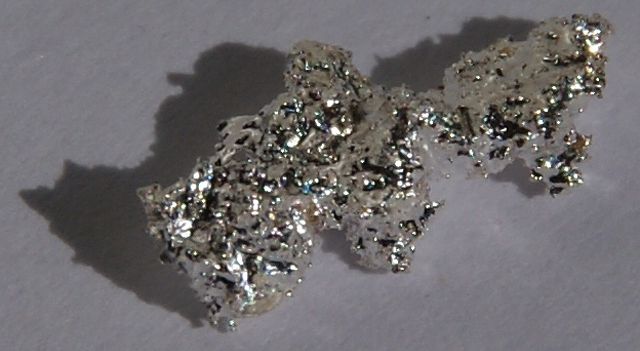
    Graphene is a single layer of carbon atoms arranged in a hexagonal lattice, resembling a honeycomb structure. Known as a “wonder material,” it is just one atom thick, making it the thinnest known material, yet it is also an outstanding electrical conductor. Graphene is extremely strong, lightweight, and capable of absorbing light efficiently. Its carbon-based composition is abundant in nature, eco-friendly, and even present in the human body.

    Graphene can be incorporated into existing battery systems, such as lithium-ion and aluminum-ion (Al-ion) cells, where it enhances performance at the electrodes. The material’s high conductivity and surface area improve energy storage and charge rates while reducing risks associated with conventional batteries.

    Supercapacitors Explained

    Supercapacitors (or ultracapacitors) bridge the gap between conventional batteries and traditional capacitors. While capacitors can release large bursts of energy quickly (high power density), batteries store more energy but release it gradually (high energy density). Supercapacitors combine the advantages of both: they can store considerable energy like a battery and deliver rapid power bursts like a capacitor, charging in seconds rather than hours.

    However, current supercapacitors have lower energy density than lithium-ion batteries – averaging about 28 Wh/kg compared to 200 Wh/kg for Li-ion. Graphene has the potential to enhance this, boosting energy density and efficiency.

    Why Graphene Enhances Batteries

    The first Li-ion battery appeared in 1976, while graphene was discovered only in 2004. Despite its recent introduction, graphene-enhanced batteries already outperform Li-ion batteries in several key areas.

    • Faster Charging: Graphene batteries can achieve a full charge in under 30 minutes, much faster than traditional Li-ion cells.
    • Longer Lifespan: Graphene extends battery life, with some reports suggesting up to five times longer than conventional Li-ion batteries.
    • Safety: Graphene’s stability and heat dissipation make it non-flammable, reducing the risk of fires associated with Li-ion batteries.
    • Sustainability: Unlike lithium, aluminum, cobalt, or nickel, which require extensive mining, graphene can be lab-produced, offering a greener alternative.

    How Graphene Works in Batteries

    Batteries store and release energy through redox (reduction-oxidation) reactions, involving:

    • Two electrodes: cathode and anode
    • An electrolyte
    • A separator
    • An external circuit

    During discharge, ions flow from the cathode to the anode, releasing electrons that generate electrical current. Charging reverses this process, restoring stored energy.

    Key Advantages of Graphene Batteries

    • Extensive Surface Area: Graphene’s massive surface area (about 2630 m² per gram) increases active sites for energy storage, allowing faster charging and higher capacity.
    • High Energy Density: Some graphene-enhanced batteries reach up to 1000 Wh/kg, four times more than typical Li-ion batteries.
    • Flexibility: Graphene’s 2D structure allows it to bend and deform, making it suitable for flexible and rollable devices.
    • Rapid Charging & Longevity: Layered graphene structures enable faster, more efficient charging, with lifetimes up to three times longer than Li-ion batteries.
    • Non-Flammable: Graphene reduces the risk of overheating and fires, even lowering battery operating temperatures by up to 25°C.

    Applications of Graphene Batteries

    • Consumer Electronics: Phones, laptops, and other devices benefit from graphene’s stability, reducing fire hazards.
    • Electric Vehicles (EVs): Graphene improves thermal management, potentially eliminating bulky cooling systems and enabling compact, safer EV batteries.
    • Power Tools: Faster charging and longer lifespans make graphene batteries ideal for cordless tools in remote locations.
    • Battery-Supercapacitor Hybrids (BSH): Combining supercapacitors and graphene batteries maximizes energy storage and rapid delivery for demanding applications.
    • Space Technology: High energy density, thermal stability, and durability make graphene batteries suitable for satellites and space exploration.

    Future Outlook

    • Lowering Costs: Current production methods, like chemical vapor deposition (CVD), are energy-intensive and expensive. As production scales, cost reduction will be essential.
    • Increasing Capacity: Graphene’s theoretical capacity ranges from 100 to 1000 mAh/g, and research continues to maximize storage potential.
    • Environmental Considerations: Although graphene is lab-made, its production is energy-intensive. Using recycled carbon materials could improve sustainability, but may introduce defects.

    Conclusion

    Graphene supercapacitor batteries are a transformative technology, combining rapid charging, high energy density, long lifespans, and improved safety. As research progresses, these batteries are poised to revolutionize everything from personal electronics to electric vehicles and aerospace applications.

  • DAX, CAC, FTSE100, European Markets Slip as Investors Await Powell’s Jackson Hole Speech; Mixed Corporate and Economic Updates

    DAX, CAC, FTSE100, European Markets Slip as Investors Await Powell’s Jackson Hole Speech; Mixed Corporate and Economic Updates

    European equities traded lower on Thursday, with investors exercising caution ahead of Federal Reserve Chair Jerome Powell’s upcoming address at the Jackson Hole symposium, where markets hope to gain clarity on the outlook for interest rates later this year.

    On the economic front, fresh data offered a mixed picture. The Eurozone’s manufacturing PMI surprisingly ticked back into expansion territory in August, though activity in the services sector fell, according to the latest Purchasing Managers’ Index survey by HCOB.

    Across the Channel, the U.K. economy showed signs of resilience. Private sector activity grew at its fastest pace in a year, while government figures revealed that Britain’s budget deficit in July fell to its lowest level for the month in three years.

    By midday trading, the French CAC 40 was down 0.6%, Germany’s DAX slipped 0.3%, and London’s FTSE 100 eased 0.2%.

    On the corporate side, several stocks moved sharply following earnings and business updates:

    • Nicox (EU:ALCOX), the French ophthalmology company, jumped 10% after releasing encouraging results from the phase 3 Denali trial of NCX 470 in glaucoma patients.
    • Dutch insurer Aegon (EU:AGN) gained 7% as it reported a swing to a €606 million profit in the first half of 2025, compared to a €65 million loss a year earlier.
    • WHSmith (LSE:SMWH) plunged 37% after the British retailer cut its forecasts and announced an independent probe into what it described as “an overstatement” of profits in its U.S. division.
    • Engineering firm Renishaw (LSE:RSW) rose 9% following news that Group Finance Director Allen Roberts will retire at year’s end, closing out a 46-year tenure with the company.
    • Recruitment group Hays (LSE:HAS) slipped 4% after reporting a sharp drop in annual profit.
    • Norway’s second-largest oil and gas company Aker BP (TG:A3KQ02) advanced 3% after confirming a major oil discovery in the Yggdrasil field of the North Sea.

    Investors remain focused on Powell’s speech at Jackson Hole, which could set the tone for central bank policy in the months ahead.

    This content is for informational purposes only and does not constitute financial, investment, or other professional advice. It should not be considered a recommendation to buy or sell any securities or financial instruments. All investments involve risk, including the potential loss of principal. Past performance is not indicative of future results. You should conduct your own research and consult with a qualified financial advisor before making any investment decisions.

  • Dow Jones, S&P, Nasdaq, Wall Street Futures Slip as Rate Uncertainty and Weak Earnings Pressure Markets

    Dow Jones, S&P, Nasdaq, Wall Street Futures Slip as Rate Uncertainty and Weak Earnings Pressure Markets

    U.S. stock futures were pointing lower on Thursday, suggesting a sluggish open on Wall Street as investors remained cautious amid uncertainty surrounding interest rates and ahead of a critical speech from Federal Reserve Chair Jerome Powell at the Jackson Hole Symposium on Friday.

    Powell’s remarks are expected to play a key role in shaping expectations for the Fed’s September policy meeting, as markets attempt to gauge whether the central bank will move ahead with a rate cut.

    “Powell is likely to keep his cards close to his vest, emphasize that the Fed cares very much about their dual mandate and explain that they are data dependent and will need to see the jobs report (9/5) and the two inflation reports (9/10-9/11) before they can make a determination whether or not to cut interest rates on September 17th,” noted Chris Zaccarelli, Chief Investment Officer at Northlight Asset Management.

    Ahead of his address, CME Group’s FedWatch Tool showed markets pricing in a nearly 80% probability of a quarter-point cut next month.

    Still, Kansas City Fed President Jeffrey Schmid pushed back against that view in a CNBC interview, saying policymakers need stronger confirmation before acting. He commented the central bank must “have very definitive data to be moving that policy rate.” Schmid added, “In September, we’ll get around tables and we’ll collaborate and we’ll figure it out, but yeah, I think there’s a lot to be said between now and September.”

    Market sentiment also took a hit from Walmart (NYSE:WMT), which dropped 3.3% in premarket trading after posting weaker-than-expected second-quarter earnings.

    On Wednesday, stocks staged a partial recovery after a sharp morning sell-off. The Nasdaq ended down 142.10 points, or 0.7%, at 21,172.86, while the S&P 500 slipped 15.59 points, or 0.2%, to 6,395.78. The Dow Jones Industrial Average eked out a small gain of 16.04 points, closing at 44,938.31.

    Technology shares led the downturn for a second straight session, pressured by reports that the Trump administration is considering taking equity stakes in semiconductor manufacturers receiving CHIPS Act subsidies. White House Press Secretary Karoline Leavitt confirmed that Commerce Secretary Howard Lutnick was negotiating a deal to secure a 10% government stake in Intel (NASDAQ:INTC).

    “A positive spin on proceedings is that the stake taken by the US government may crowd in other investors and give them confidence to buy in,” said Danni Hewson, head of financial analysis at AJ Bell. “Meanwhile the government taking partial ownership of a company in exchange for grants which were already offered might well send shivers down the spine of other businesses which rely on the largesse of the US state.”

    While some bargain hunters stepped in later in the session, losses persisted across multiple sectors. Airline stocks slumped, dragging the NYSE Arca Airline Index down 2.3%. Housing stocks mirrored the weakness, with the Philadelphia Housing Sector Index also falling 2.3%.

    Additional declines were seen in computer hardware and steel names, whereas gold miners rallied on the back of higher bullion prices.

    This content is for informational purposes only and does not constitute financial, investment, or other professional advice. It should not be considered a recommendation to buy or sell any securities or financial instruments. All investments involve risk, including the potential loss of principal. Past performance is not indicative of future results. You should conduct your own research and consult with a qualified financial advisor before making any investment decisions.

  • M&S to Spend £340 Million on Automated Distribution Hub

    M&S to Spend £340 Million on Automated Distribution Hub

    Marks and Spencer Group PLC (LSE:MKS) has announced plans to invest £340 million in a new automated distribution center in Daventry, located in central England, as part of its strategy to double the scale of its food business.

    The facility, covering 1.3 million square feet, is expected to become operational in 2029, the company said Thursday.

    Alex Freudmann, managing director of M&S Food, commented: “This investment will boost capacity for future growth, lower our cost to serve over the long-term, and improve product availability.”

    The project is projected to generate 1,000 permanent roles on-site, in addition to approximately 2,000 positions during the construction phase.

    This investment comes as M&S continues to recover from a cyberattack in April, which forced the retailer to suspend online clothing orders and temporarily shut down several systems, disrupting food supplies and increasing waste and logistics expenses.

    In May, M&S estimated the attack would cut operating profit by around £300 million. Online clothing sales resumed on June 10 after a 46-day suspension, and the August 11 relaunch of click-and-collect services represents another milestone in the company’s recovery from the cyber incident.

    This content is for informational purposes only and does not constitute financial, investment, or other professional advice. It should not be considered a recommendation to buy or sell any securities or financial instruments. All investments involve risk, including the potential loss of principal. Past performance is not indicative of future results. You should conduct your own research and consult with a qualified financial advisor before making any investment decisions.

  • UBS Sees Potential in Emerging Market Currencies as Fed Rate Cuts Loom

    UBS Sees Potential in Emerging Market Currencies as Fed Rate Cuts Loom

    UBS believes certain emerging market currencies could present attractive opportunities despite the recent strength of the U.S. dollar, according to a note from the investment bank.

    The firm observed that gains in emerging market currencies have stalled since early July amid dollar strength. However, UBS remains optimistic, citing expectations for Federal Reserve rate cuts and the appealing yields available in many emerging markets.

    The bank singled out the Brazilian real, Mexican peso, Indian rupee, South African rand, and Egyptian pound as currencies that may offer value for investors seeking diversified exposure. It also suggested that selling USD upside against pairs like USD/ZAR and USD/ILS could provide potential yield enhancement.

    UBS acknowledged that geopolitical risks remain high and likely to persist, with political instability increasingly influencing macroeconomic conditions. The bank also noted that the impact of tariffs on the dollar will depend on forthcoming decisions by both the U.S. administration and the Federal Reserve.

    According to UBS’s base case, the ongoing trade war is expected to weigh on the U.S. economy over the next few quarters, prompting the Fed to cut rates. This scenario would likely weaken the dollar and bolster carry trades. At the same time, UBS cautioned that sharp dollar declines or unexpected policy moves could negatively affect pro-cyclical currencies.

    This content is for informational purposes only and does not constitute financial, investment, or other professional advice. It should not be considered a recommendation to buy or sell any securities or financial instruments. All investments involve risk, including the potential loss of principal. Past performance is not indicative of future results. You should conduct your own research and consult with a qualified financial advisor before making any investment decisions.

  • Dollar Edges Up Ahead of Jackson Hole; Euro Gains on PMI Data

    Dollar Edges Up Ahead of Jackson Hole; Euro Gains on PMI Data

    The U.S. dollar inched higher on Thursday, hovering just below a one-week peak as investors prepared for the start of the Federal Reserve’s annual Jackson Hole symposium.

    At 04:40 ET (08:40 GMT), the Dollar Index, which measures the greenback against a basket of six major currencies, rose 0.1% to 98.114, following a climb to its strongest level since August 12 in the previous session.

    Fed Minutes Add Support

    The greenback received additional backing after Wednesday’s release of the Federal Reserve’s July meeting minutes, which showed most policymakers remain attentive to labor market trends and inflation. The two members who dissented against keeping interest rates steady last month were not joined by other board members.

    “Almost all participants viewed it as appropriate to maintain the target range for the federal funds rate at 4.25% to 4.50% at this meeting,” the minutes of the July 29-30 meeting said.

    The Fed has maintained the 4.25%-4.50% policy range throughout 2025, with some members, including Chair Jerome Powell, expressing concern that the Trump administration’s tariffs could rekindle inflation pressures. Weekly jobless claims, expected later in the session, are likely to show slight labor market deterioration following the weak payrolls data at the start of the month.

    Trading activity may remain muted on Thursday as market participants await three days of potentially market-moving developments from Jackson Hole.

    “We’re all waiting on tomorrow’s speech from Fed Chair Jerome Powell as to how significantly the Fed registered the substantial downward revisions to back-month job data,” said analysts at ING, in a note.
    “Before then …we’ll have a speech from the Fed’s Raphael Bostic. He’s recently been saying he could vote for a rate cut soon, although one rate cut this year is his preferred adjustment.”

    Euro Supported by PMI Figures

    In Europe, the euro edged up against the dollar, with EUR/USD gaining 0.1% to 1.1656. The currency was supported slightly by data indicating eurozone businesses saw new orders rise for the first time since May 2024 in August, driving overall activity to its fastest pace in 15 months despite persistent export weakness.

    The HCOB Flash Eurozone Composite Purchasing Managers’ Index, compiled by S&P Global, climbed to 51.1 in August from 50.9 in July, marking the third straight monthly improvement and the highest reading since May 2024. PMI readings above 50 indicate growth, while those below signal contraction.

    “EUR/USD is becalmed. It’s fair to say that the optimism over a potential ceasefire/peace deal in Ukraine is now fading,” said ING. “We may see another tight 1.1620-1.1670 trading range in EUR/USD today, with the biggest chance of a breakout remaining Powell’s speech tomorrow.”

    GBP/USD also gained 0.1% to 1.3466 following broadly positive U.K. activity readings. The U.K. Composite Purchasing Managers’ Index rose to 53.0 in August from 51.5 in July, above expectations of 51.6.

    Calm in Asian Markets

    In Asia, USD/JPY edged up 0.1% to 147.55, reflecting slower contraction in Japanese factory activity during August, approaching a return to growth. USD/CNY was slightly higher at 7.1769 after the People’s Bank of China kept benchmark loan prime rates unchanged.

    Elsewhere, AUD/USD slipped 0.1% to 0.64234, while NZD/USD held steady at 0.5822 after falling to its lowest level since mid-April following a 25-basis-point rate cut by the Reserve Bank of New Zealand.

    This content is for informational purposes only and does not constitute financial, investment, or other professional advice. It should not be considered a recommendation to buy or sell any securities or financial instruments. All investments involve risk, including the potential loss of principal. Past performance is not indicative of future results. You should conduct your own research and consult with a qualified financial advisor before making any investment decisions.

  • NextEnergy Solar Fund Sees NAV Slip 3.6% Amid Weaker Power Prices

    NextEnergy Solar Fund Sees NAV Slip 3.6% Amid Weaker Power Prices

    NextEnergy Solar Fund Limited (LSE:NESF) reported a net asset value (NAV) of 91.7p per share as of June 30, reflecting a 3.6% drop from the prior quarter.

    The decline was largely driven by lower power price assumptions, which reduced NAV by 2.2p per share, while adjustments to battery energy storage system (BESS) revenue expectations further shaved 0.9p per share. These effects were partly counterbalanced by updated inflation assumptions, adding 0.6p per share, and strong solar generation that exceeded budget forecasts by 7.6%, contributing another 0.5p per share.

    Total gearing, including preference shares, rose slightly to 48.5% from 48.4% in March 2025. The fund’s £205 million revolving credit facility is drawn to approximately £152.9 million, up from £144.9 million earlier in the year.

    NextEnergy Solar Fund reaffirmed its dividend guidance of 8.43p per share for fiscal 2026, expecting coverage of 1.1–1.3 times. Exceptional solar irradiation in the first quarter of FY26, 18.9% above budget, has already secured roughly 40% of the fund’s annual generation.

    The fund’s asset disposal program continues, with 100MW of solar capacity currently in a third-party sales process. Meanwhile, the share buyback initiative paused during the quarter and remains 58% completed, totaling £11.5 million.

    Looking ahead, about 91% of the fund’s FY26 revenue is already contracted, with roughly 70% secured for FY27, providing a strong foundation for near-term cash flow visibility.

    This content is for informational purposes only and does not constitute financial, investment, or other professional advice. It should not be considered a recommendation to buy or sell any securities or financial instruments. All investments involve risk, including the potential loss of principal. Past performance is not indicative of future results. You should conduct your own research and consult with a qualified financial advisor before making any investment decisions.

  • Gold slips as hawkish Fed minutes weigh ahead of Jackson Hole

    Gold slips as hawkish Fed minutes weigh ahead of Jackson Hole

    Gold prices eased in Asian trading on Thursday, as investors digested the Federal Reserve’s July meeting minutes, which highlighted lingering caution over interest rate cuts. The stronger dollar added further pressure, while market attention turned to Fed Chair Jerome Powell’s upcoming speech at the Jackson Hole Symposium on Friday.

    Spot gold fell 0.3% to $3,339.31 per ounce, and October gold futures dipped 0.2% to $3,381.62/oz by 01:20 ET (05:20 GMT). Trading this week has largely remained within a narrow range, reflecting uncertainty over U.S. monetary policy.

    Hawkish Fed minutes weigh on gold and metals

    The minutes from the Fed’s late-July meeting reinforced a cautious “wait-and-see” stance on rate cuts. While two policymakers had favored reducing rates in July, most members preferred holding steady, citing inflationary pressures from U.S. trade tariffs as a key risk.

    Officials also appeared willing to prioritize low inflation over immediate labor market cooling, suggesting the Fed may overlook July’s weak payroll numbers. Following the release, traders scaled back expectations of a September rate cut. CME FedWatch now shows a 78.4% chance of a 25-basis-point cut, down from near certainty earlier in August.

    Higher-for-longer interest rates tend to weigh on non-yielding assets like gold, increasing the opportunity cost of holding them. Nevertheless, gold has retained much of its 2025 gains, supported by safe-haven demand amid slowing global growth and geopolitical uncertainty. Recent market reactions also reflected skepticism that U.S. efforts to broker a Russia-Ukraine ceasefire will produce near-term results.

    Other precious metals remained relatively stable. Spot platinum fell 0.2% to $1,337.45/oz, while spot silver held steady at $37.91/oz. Industrial metals also showed mild declines, with London Metal Exchange copper futures down 0.2% at $9,719.45 per ton and COMEX copper futures falling 0.1% to $4.4287 per pound.

    Powell speech and economic data in focus

    Investors are now focused on Powell’s remarks at Jackson Hole for signals on the Fed’s policy path and potential responses to calls from the Trump administration for rate cuts. Ahead of the speech, a series of U.S. economic reports—including August’s purchasing managers index and initial jobless claims—will provide further insight into the health of the labor market and broader economy.

    This content is for informational purposes only and does not constitute financial, investment, or other professional advice. It should not be considered a recommendation to buy or sell any securities or financial instruments. All investments involve risk, including the potential loss of principal. Past performance is not indicative of future results. You should conduct your own research and consult with a qualified financial advisor before making any investment decisions.