BSF Enterprise PLC (LSE:BSFA) has announced a corporate reorganisation that will establish 3D Bio-Tissues as the group’s central intellectual property and manufacturing operation, while restructuring its Cultivated Meat Technologies business into a dedicated consumables subsidiary named milieu.bio.
The changes are intended to separate research, intellectual property management and manufacturing activities from commercial sales operations, providing distinct operating structures for the group’s tissue engineering and cell-culture media businesses.
Under the revised arrangement, 3D Bio-Tissues will oversee research and development, tissue scaffolding technologies, patent management and contract manufacturing. The subsidiary will supply finished cell-culture media products to milieu.bio through a cost-plus pricing arrangement and receive royalties from external sales.
milieu.bio will operate as a commercially focused subsidiary responsible for marketing and distributing BSF’s proprietary macromolecular crowding media additives, including CityMix and CytoBoost. These products are intended for customers in the biopharmaceutical, cell therapy and cellular agriculture sectors.
The new subsidiary will follow an asset-light operating model, with manufacturing and intellectual property functions remaining within 3D Bio-Tissues. Its commercial activities will also be supported by an existing multi-year supply agreement with South Korean company Seawith Inc.
BSF said the restructuring is designed to clarify the responsibilities of its operating businesses and establish separate commercial identities for its tissue engineering technologies and media supplement products.
The arrangement forms part of the group’s existing hub-and-spoke operating model, which includes subsidiaries Lab-Grown Leather and Kerato. Under this structure, BSF provides central governance and access to capital markets while individual businesses concentrate on their respective technologies and commercial activities.
The company also indicated that establishing milieu.bio as a standalone subsidiary could provide additional options for attracting third-party investment or entering strategic partnerships at the subsidiary level.
The reorganisation is intended to support BSF’s commercial development across bioprocess consumables, tissue engineering and related biotechnology markets.
About BSF Enterprise PLC
BSF Enterprise PLC is a life sciences company focused on developing and commercialising technologies in cellular agriculture, biomaterials and regenerative medicine.
Its portfolio includes 3D Bio-Tissues, which specialises in tissue engineering and manufacturing; Lab-Grown Leather, which develops animal-free materials for luxury and automotive applications; Kerato, which focuses on bio-engineered corneal tissue; and milieu.bio, which will commercialise cell-culture media supplements.
The group operates through a centralised governance structure, with individual subsidiaries responsible for developing technologies and pursuing commercial opportunities in their respective markets.
Seraphim Space Investment Trust (LSE:SSIT) has increased its investment in Xona Space Systems, making the company its second-largest portfolio holding after ICEYE. Xona is developing next-generation satellite navigation technology designed to deliver greater accuracy, security and resilience as demand for reliable positioning data continues to grow.
The global space economy is evolving beyond traditional launch services and satellite communications into a broader range of critical infrastructure applications. Defence and national security, autonomous vehicles, robotics and industrial automation are among the sectors increasingly reliant on advanced space technology.
For Seraphim Space Investment Trust, Xona represents an opportunity to gain exposure to a business developing technology with potential applications across multiple large and expanding markets.
Xona Becomes a Major Portfolio Holding
Following SSIT’s latest investment, its existing holding in Xona was valued at $106 million, equivalent to approximately £80.6 million at the exchange rate used for the valuation. A further $15 million investment through SSIT’s C share class brought the combined holding to $121 million, or approximately £91.9 million on the same basis.
This makes Xona SSIT’s second-largest portfolio company, highlighting the growing importance of positioning, navigation and timing technology within the global space economy.
Satellite navigation underpins a wide range of modern applications, from everyday transport and logistics to advanced industrial systems and defence capabilities. However, conventional GPS typically provides accuracy within approximately one to 10 metres, depending on conditions, and can be vulnerable to interference and spoofing.
These limitations create demand for alternative technologies capable of delivering greater precision and resilience, particularly in applications where dependable positioning information is essential.
Xona is developing a low Earth orbit satellite constellation designed to deliver centimetre-level positioning accuracy alongside enhanced resilience. Its technology aims to address the requirements of markets where increasingly sophisticated systems depend on precise, secure and reliable navigation.
Potential applications include autonomous vehicles, drones, robotics, defence modernisation, advanced mobility and industrial automation. As these technologies develop, accurate positioning data is becoming an increasingly important component of the infrastructure supporting them.
For SSIT, Xona illustrates the potential of investing in space technology businesses whose capabilities can serve several substantial markets rather than relying on a single application.
Xona also demonstrates Seraphim’s approach to identifying promising space technology companies and supporting their development as they mature.
Seraphim identified Xona at an early stage, supported the business through its accelerator programme and subsequently provided funding through its private space venture funds. As Xona progressed and reached a more advanced stage of development, Seraphim began investing through SSIT.
This approach enables Seraphim to build familiarity with businesses as they develop, with the objective of gaining exposure to companies that have demonstrated their technical capabilities and are increasingly focused on commercial growth.
SSIT’s investment strategy provides exposure to space technology companies at different stages of development, with an emphasis on businesses that Seraphim believes can address substantial market opportunities.
The progression of Xona highlights how early engagement and continued investment can provide exposure to companies developing technologies with the potential to become increasingly important to the wider economy.
C Share Portfolio Targets Mission-Critical Technologies
Beyond Xona, Seraphim continues to identify opportunities across an expanding space technology market.
Key areas of interest include defence and national security, resilient communications, positioning and navigation, Earth observation, climate intelligence and autonomous systems.
These markets reflect the growing recognition that space technology is no longer simply experimental or supplementary. Increasingly, it is becoming essential infrastructure for governments, businesses and critical industries.
SSIT is concentrating on later-stage, higher-growth companies that have demonstrated their technical capabilities and reduced much of their underlying technology risk. The focus is on businesses with the potential to translate technological progress into commercial traction and expansion.
Xona provides an example of this opportunity, combining a significant potential addressable market with technology designed to support several major growth trends.
As demand for resilient infrastructure increases, companies capable of delivering practical solutions across multiple applications could play an important role in the next phase of space sector development.
Continued Investment Across the Space Economy
SSIT’s C share portfolio is playing an important role in expanding the trust’s exposure to emerging opportunities.
Since May, SSIT has made significant investments through its C share class, with further capital deployment expected over the following quarter.
The emphasis remains on businesses considered strategically important, with growth potential and the ability to establish positions within the global space economy.
Governments and businesses are increasingly focused on improving resilience across navigation, communications and national security. At the same time, advances in autonomous systems, Earth observation and other space-enabled technologies are creating new commercial applications.
This combination of technological development and growing demand is broadening the range of potential investment opportunities across the sector.
For SSIT, continued capital deployment provides an opportunity to back businesses developing technologies that could become increasingly important to the global economy.
Positioning for the Next Phase of Space Technology
The developments at Xona highlight the expanding role of space infrastructure in everyday life and critical economic activity.
With SSIT’s combined Xona holding valued at $121 million following the latest investment, the trust has established a substantial position in a company developing technology for more precise and secure satellite navigation.
Alongside this investment, the continued deployment of capital through SSIT’s C share portfolio reflects the trust’s ambition to identify and support the next generation of space technology businesses.
As the sector expands across defence, autonomous systems, communications and Earth observation, SSIT is seeking to provide investors with exposure to companies developing technologies that could help shape the future of the global space economy.
FTSE 100 flat as DAX gains ahead of US CPI; Great Portland Estates lifts London rents, Thor Explorations trims guidance and copper edges higher.
Market Overview
European markets opened mixed and cautious as investors waited for US September inflation data. The FTSE 100 was little changed, slipping 0.0033 per cent to 10,649.97, while the Euronext 100 edged up 0.0317 per cent to 1,859.18. The DAX was the stronger performer, opening 0.4934 per cent higher at 25,384.54 after a recent technical breakout, although resistance remains just above current levels. In the US, the Nasdaq 100 closed 0.3105 per cent lower at 30,569.48 and the S&P 500 finished down 0.02 per cent at 7,805.45. US headline CPI is expected to rise from 3.4 per cent, and markets fully price a Federal Reserve rate rise in December. In the UK, Bank of England chief economist Huw Pill said he was sceptical that all of the rate rises priced by markets would be needed, and Governor Andrew Bailey said the pass-through of the energy shock to UK prices had so far been more subdued.
Commodities were mostly steady. Copper moved higher and natural gas edged up, while gold was flat. Brent crude dipped slightly but stayed inside its recent trading range. Fading hopes of a diplomatic breakthrough with Iran and continued disruption in the Strait of Hormuz kept energy markets in focus, although higher Iraqi exports offered some offset. Bitcoin traded modestly higher against sterling. Sterling was unchanged against the US dollar and the euro, slightly weaker against the Australian dollar and the yen, and fractionally firmer against the Swiss franc, as investors weighed the Bank of England’s rate path ahead of the US data.
Market Numbers
FTSE 100: Down (-0.003%), 10,649.97 Euronext 100: Up (+0.031%), 1,859.18 DAX: Up (+0.493%), 25,384.54 NASDAQ: Down (-0.310%), 30,569.48 S&P 500: Down (-0.02%), 7,805.45
In the Headlines
Lettings strength – Great Portland Estates (LSE:GPE) Great Portland Estates signed 40 leases and renewals worth £19.0 million in annual rent in the six months to 30 September, 4.1 per cent above March estimated rental values. It also completed its fully pre-let 30 Duke Street scheme in St James’s on time and on budget. The results point to continued demand for prime managed space in central London ahead of interim results in November.
Guidance trimmed – Thor Explorations (LSE:THX) Thor Explorations poured 15,515 ounces of gold at its Segilola mine in Nigeria in the third quarter and reported revenue of about US$81.7 million. Heavy rainfall led it to cut 2026 production guidance to 70,000–72,000 ounces. Cost guidance and the quarterly dividend were both maintained, which may help limit the impact of the lower output target on investor sentiment.
Currencies (vs GBP)
USD: Unchanged (0.00%), $1.3257 CHF: Up (+0.0009%), Fr.1.104 EUR: Unchanged (0.00%), €1.1835 JPY: Down (-0.0057%), ¥209.884 AUD: Down (-0.0084%), $1.8982 Bitcoin (BTC/GBP): Up (+0.29%), £62,868.62
Commodities
Copper: Up Gold: Unchanged Brent Crude: Down Natural Gas: Up
As analyst coverage remains a challenge for many listed companies, the debate around issuer-sponsored research is increasingly focused on a crucial question: how can investors access meaningful analysis while maintaining confidence in its independence?
Equity research plays an important role in helping investors understand businesses, assess valuations and identify opportunities across the stock market. Yet the way research is funded has become an increasingly important part of the conversation, particularly for companies that struggle to attract traditional analyst coverage.
In a recent article, Who Pays for Research Matters. How It Is Produced Matters More, Jason Paltrowitz, Principal at European Equity Research Partners (EERP), argues that investors should look beyond a research provider’s funding model and examine the safeguards that underpin its work.
The distinction is important. Research can be funded by brokers, subscriptions or the companies being analysed, but none of these arrangements automatically guarantees quality or independence.
The challenge of sponsored research
For many listed companies, particularly those outside the largest indices, obtaining meaningful analyst coverage can be difficult. Without accessible research, investors may have fewer opportunities to understand a company’s operations, financial position, valuation and long-term strategy.
Issuer-sponsored research offers one potential route to addressing this gap. However, because the company pays for the analysis, questions around conflicts of interest and editorial independence are inevitable.
As Paltrowitz highlights, the key distinction is whether a company is paying for coverage or effectively buying a favourable opinion.
Credible research must allow analysts to examine both the opportunities and the risks, supported by transparent assumptions, clear valuation methodologies and appropriate disclosures.
Transparency is essential for investor confidence
The funding arrangement is only one part of the picture. Investors also need to understand how analysts are appointed and remunerated, whether commercial teams can influence conclusions, and what happens when the evidence contradicts management’s expectations.
Clear separation between factual review and editorial control is particularly important. Companies should be able to correct factual inaccuracies without having the ability to remove legitimate criticism or dictate an analyst’s conclusions.
Equally, investors need access to the assumptions behind forecasts and target prices, including the potential impact of changes in revenue, margins, financing requirements and execution.
These principles help readers judge the strength of the analysis for themselves rather than relying solely on a provider’s reputation or a report’s headline conclusion.
A changing framework for equity research
The regulatory framework for issuer-sponsored research is also evolving. The European Union’s code of conduct, established under Commission Delegated Regulation (EU) 2026/1092 and in force since 7 September 2026, sets out requirements addressing conflicts of interest, objectivity, independence and disclosure. The regulation and its requirements form part of the wider debate around standards in this area.
However, compliance alone cannot establish whether a report represents good analysis. Investors must still be able to examine the evidence, understand the methodology and challenge the conclusions.
For listed companies, the objective should be to make their businesses easier to understand and evaluate, not simply to secure a positive research report.
For investors, the priority is access to information that is transparent, balanced and sufficiently detailed to support independent decision-making.
Research must earn its credibility
The debate around equity research should ultimately move beyond the question of who funds it. What matters is whether the process protects analytical independence, whether the evidence supports the conclusions and whether the provider remains accountable when circumstances change.
For companies seeking greater investor awareness, professionally produced research can help explain their business and provide context for the investment case. Its long-term value, however, depends on investors being able to trust the process behind it.
As the equity research landscape continues to evolve, transparency, robust methodology and the freedom to publish an honest conclusion will remain central to building that trust.
To learn more about European Equity Research Partners’ approach to issuer-sponsored research and the standards governing its work, contactJason Paltrowitz[email protected], Principal at EERP.
MAX Power Mining Corp. (CSE:MAXX), (USOTC:MAXXF) (FSE:89N) is strengthening its leadership team as it prepares for a pivotal phase of natural hydrogen testing at its Lawson discovery in Saskatchewan. With a large-scale geological system identified, independent technical modelling underway, a proprietary AI-assisted exploration platform in development and US capital markets opportunities under evaluation, the company is advancing its strategy to assess the commercial potential of natural hydrogen.
MAX Power is entering a significant new chapter in its development, appointing former Saskatchewan cabinet minister Rob Norris as Chief Executive Officer as it moves towards the next stage of technical evaluation and potential commercialisation.
The appointment comes as the company prepares to begin completions testing at its Lawson and Bracken discoveries in the second half of October 2026. The programme is intended to provide important information about the characteristics and potential commercial viability of the natural hydrogen systems identified through drilling.
Alongside the technical work, MAX Power is advancing its proprietary MAXX LEMI exploration platform, evaluating a potential US stock exchange listing and exploring strategic partnerships to support further development.
The company’s wider proposition combines a substantial permitted land position, a confirmed subsurface natural hydrogen system, associated helium potential and a technology-led approach to identifying additional exploration targets.
Experienced Leadership for the Next Phase
Rob Norris brings experience in government, energy policy, innovation and international partnerships to his new role. A former Saskatchewan cabinet minister, he has held responsibilities spanning SaskPower, innovation, advanced education and employment, giving him relevant experience as MAX Power seeks to develop its natural hydrogen opportunity within the province.
Norris has served on the company’s board since June 2025. His appointment as CEO follows Ran Narayanasamy’s transition to the newly created position of Managing Director, Innovation and International Strategy.
The move allows MAX Power to maintain continuity in its technical and strategic development while placing increased emphasis on commercialisation, partnerships and capital markets.
The company has also strengthened its technical leadership with the appointments of Tom Kishchuk as Chief Technology Officer and Dr Brendan Bishop as Chief Geochemist.
Kishchuk brings more than 30 years of technical and business leadership experience, while Bishop contributes specialist expertise in geochemistry and hydrogen and helium isotopes.
Together, the appointments strengthen the team’s commercial, technical and scientific capabilities as MAX Power prepares to evaluate the next stage of its discoveries.
Lawson: From Discovery Towards Commercial Evaluation
MAX Power’s flagship Lawson project represents the central focus of its natural hydrogen strategy.
The company has confirmed a subsurface natural hydrogen system through deep drilling, with data validated by three independent laboratories. Subsequent three-dimensional seismic work has helped define the underlying geological structure, providing a framework for follow-up drilling and further assessment.
According to the company’s IBN profile, seismic interpretation has identified a 14.2-square-kilometre structural closure within a broader 28-square-kilometre system.
These findings provide a more detailed geological picture of the opportunity, moving the project beyond an isolated drilling result towards the evaluation of a larger subsurface system.
The next important milestone is completions testing, which is expected to help establish how the system performs under test conditions. Key considerations include hydrogen concentrations, flow rates, reservoir characteristics and deliverability.
The results will be important in assessing whether Lawson could support commercially viable production.
MAX Power has also reported significant natural hydrogen readings from its third and fourth Lawson wells, with the drilling programme aimed at understanding the scale and continuity of the system.
The company has engaged GLJ Ltd., an independent energy consulting firm, to undertake reservoir characterisation, modelling and development scenario analysis. This work is intended to help assess the broader Lawson Complex’s resource potential and provide a stronger technical foundation for future development decisions.
While commercial production has not yet been established, the combination of drilling, seismic interpretation and independent technical analysis represents an important stage in evaluating the discovery.
A 475-Kilometre Exploration Trend Creates Further Potential
Beyond Lawson itself, MAX Power is investigating the potential of the broader Genesis Trend, a geological corridor extending approximately 475 kilometres through Saskatchewan towards North Dakota.
The company’s permitted land position has expanded to approximately 2.5 million acres, giving it a substantial area in which to investigate additional natural hydrogen targets.
The wider exploration strategy is based on determining whether geological features identified at Lawson can be recognised elsewhere along the trend and across other parts of the company’s acreage.
One important element is the Bracken target, located approximately 325 kilometres southwest of Lawson. Drilling at Bracken has identified multiple prospective natural hydrogen and helium zones, with further completions and testing planned.
Investigating both Lawson and Bracken provides an opportunity to assess natural hydrogen systems in different geological settings and determine whether the wider Saskatchewan land position could host additional discoveries.
MAX Power is also evaluating other targets, including Lawson South, as it continues to build its understanding of the region’s geology.
The potential significance is that successful follow-up work could expand the company’s opportunity beyond a single discovery. However, the scale, continuity and commercial viability of any additional accumulations will need to be established through further technical work.
Natural Hydrogen and the Emerging Energy Opportunity
Natural hydrogen is attracting increasing interest as energy users explore alternative sources of lower-emission energy for industrial applications and infrastructure.
Unlike manufactured hydrogen, which requires an industrial production process, natural hydrogen is generated through geological processes and may accumulate within the subsurface. If it can be discovered, extracted and delivered economically, it could offer an alternative source of energy for selected applications.
The potential economics are a key part of the industry’s appeal. Natural hydrogen could avoid some of the energy-intensive production requirements associated with manufactured hydrogen, although actual costs will depend on geology, extraction, processing, infrastructure and other project-specific factors.
MAX Power’s Lawson discovery is strategically positioned near Saskatchewan’s industrial corridor, where existing industrial activity and proposed hydrogen infrastructure could provide potential future demand.
The region is also attracting interest in energy-intensive infrastructure, including proposed AI and data-centre developments. Such projects could increase the importance of reliable energy supplies, although any future supply relationship involving MAX Power would depend on successful technical validation, commercial arrangements and the development of suitable infrastructure.
For MAX Power, the immediate priority remains demonstrating the performance of its natural hydrogen systems. Establishing commercially viable production would be a critical step towards turning the broader energy opportunity into a development proposition.
MAXX LEMI: Applying AI to Natural Hydrogen Exploration
A further differentiator is MAX Power’s proprietary MAXX LEMI platform, an AI-assisted geological exploration framework designed to integrate seismic information, drilling results, structural interpretation and historical subsurface datasets.
The objective is to improve the identification and assessment of potential drilling targets by bringing multiple sources of geological information into a unified analytical framework.
This approach could support the company’s exploration strategy by helping refine target selection, improve understanding of subsurface structures and assess similarities between known discoveries and prospective areas.
MAX Power has engaged global technology services provider Kyndryl to develop a commercialisation strategy and go-to-market plan for the platform.
The potential applications extend beyond the company’s own acreage. If the technology proves effective, MAXX LEMI could potentially have applications across other natural hydrogen exploration districts, creating opportunities for partnerships, licensing or broader commercial adoption.
The platform was also recognised as a runner-up in the Digital Innovator category at the 2026 Canadian Hydrogen Convention in Edmonton, according to the IBN company profile.
That recognition provides additional visibility for the technology as MAX Power explores how data-led targeting could contribute to a developing natural hydrogen industry.
The commercial opportunity remains to be demonstrated, but the platform adds a technology dimension to the company’s exploration strategy.
A Second Asset in Critical Minerals
MAX Power also holds a portfolio of critical minerals properties, including the Willcox Playa Lithium Project in southeast Arizona.
The company’s US subsidiary owns the project, where earlier diamond drilling identified lithium-rich clays over a broad area.
The asset provides exposure to a separate sector linked to battery materials and US critical minerals supply chains.
MAX Power is considering a proposed spinout of its critical minerals portfolio. If progressed, such a transaction could allow the company to sharpen its strategic focus on natural hydrogen while giving the separate assets a more dedicated development pathway.
Any potential spinout, its structure and its implications for shareholders would depend on the company’s plans and the relevant approvals and conditions.
The portfolio nevertheless represents an additional component of MAX Power’s asset base as it works to define its longer-term priorities.
Expanding Investor Reach and US Market Opportunities
Alongside its operational programme, MAX Power is evaluating a potential dual listing on a US stock exchange.
The objective would be to broaden the company’s investor base, improve visibility among US investors and potentially increase trading liquidity. Any listing would remain subject to exchange requirements, regulatory considerations and the company’s final decision.
The company has also entered into a syndicated communications agreement with InvestorBrandNetwork (IBN), effective 9 October 2026 for an initial 90-day period ending 7 January 2027.
The agreement is valued at US$500,000, payable in cash from working capital. The services include content creation and syndication, press release enhancement, recap-style coverage, a CEO podcast interview, social media support and monthly reporting.
The campaign is intended to raise awareness of MAX Power among investors as it progresses its natural hydrogen programme and evaluates capital markets opportunities. It is an investor communications initiative rather than evidence of technical progress or commercial validation, and the associated expenditure is a relevant consideration for shareholders.
Taken together, the company’s investor outreach and potential US listing form part of a broader effort to increase market awareness as the operational programme advances.
The Next Milestones
MAX Power’s latest leadership changes reflect a shift in emphasis towards commercial evaluation, with Lawson completions testing expected to provide an important next set of technical information.
The company is also progressing work at Bracken, assessing the wider Genesis Trend, developing its MAXX LEMI platform and considering how its capital markets strategy can support its ambitions.
The combination of a confirmed natural hydrogen system, a substantial permitted land position, associated helium potential and additional exploration targets gives MAX Power several avenues through which to pursue its strategy.
The key test now is whether the upcoming work can demonstrate the technical performance and commercial characteristics required to advance Lawson towards potential development.
For investors following the emerging natural hydrogen sector, the coming months could be important in determining how the company’s exploration results translate into a clearer picture of resource potential and possible commercial applications.
With a strengthened leadership team and several technical and corporate initiatives progressing in parallel, MAX Power is positioning itself for the next phase of its natural hydrogen journey.
The opportunity remains at the exploration and evaluation stage, and commercial production has not yet been established. Future progress will depend on testing results, technical assessments, financing, infrastructure and the ability to develop commercially viable projects.
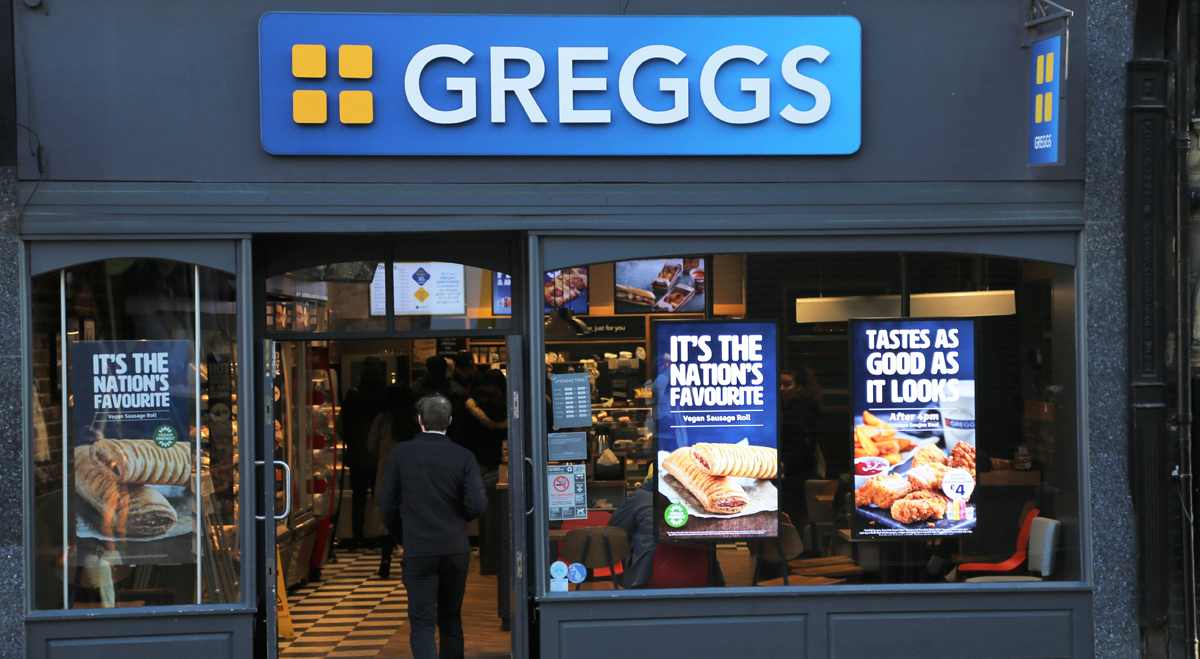
UBS has downgraded British bakery chain Greggs PLC (LSE:GRG) from Buy to Neutral, citing valuation concerns following a 26% increase in the company’s share price since the beginning of 2026.
The investment bank maintained its price target of 2,200 pence, indicating that its revised recommendation reflects the stock’s valuation rather than a deterioration in its earnings outlook.
According to UBS, Greggs’ recent share price performance has already incorporated much of the improvement in its trading prospects, including stronger third-quarter sales growth, cost-saving initiatives and an upgraded profit outlook.
The downgrade comes despite continued progress in the company’s operational performance and its longer-term expansion strategy.
Greggs Valuation Returns to Historical Levels
UBS highlighted the bakery chain’s valuation as the principal reason for changing its investment recommendation.
Following the 26% year-to-date share price increase, Greggs trades at approximately 17 times estimated earnings for fiscal 2026.
This compares with the company’s long-term average price-to-earnings multiple of around 16 times, excluding the periods affected by the COVID-19 pandemic.
At the beginning of 2026, the stock traded at approximately 14 times forward earnings.
UBS said the subsequent increase in the valuation multiple largely reflects growing confidence in Greggs’ business outlook.
The bank believes that the improvement in investor expectations is now substantially reflected in the share price, reducing the potential for further valuation-driven gains.
Although the recommendation has been lowered, UBS has not changed its earnings forecasts for the company.
Third-Quarter Sales Growth Supported by Higher Volumes
Greggs reported an acceleration in like-for-like sales growth during the third quarter, supported by improvements in customer volumes.
The stronger performance addressed one of the main concerns previously raised by investors about the bakery chain’s trading momentum.
Like-for-like sales measure revenue growth at comparable existing locations, providing an indication of underlying business performance without the contribution from newly opened stores.
For Greggs, the improvement suggests that customer demand strengthened during the quarter.
The company also upgraded its profit outlook, supported by a combination of sales performance, menu innovation and continued operational discipline.
UBS acknowledged these developments as positive factors but indicated that the market had already responded to the improving trading environment.
The bank’s decision to move to Neutral therefore reflects a reassessment of the balance between the company’s operating prospects and its current valuation.
Cost Savings Remain Central to Profitability Plans
Greggs continues to focus on controlling operating expenditure and improving efficiency across its business.
The company is targeting £11 million in cost savings during fiscal 2026, compared with £13 million achieved or targeted for fiscal 2025, according to the figures cited by UBS.
These initiatives form part of the bakery chain’s efforts to support profitability while continuing to invest in its store network and manufacturing infrastructure.
Menu innovation is another component of the strategy, with the company seeking to maintain customer interest and support sales growth through product development.
UBS identified these operational measures as contributors to the company’s improved earnings outlook.
However, the bank did not revise its existing earnings estimates following its latest assessment.
Manufacturing Consolidation Expected to Deliver £20 Million in Savings
Greggs is also pursuing longer-term efficiency improvements through the consolidation of its manufacturing operations.
The company expects the programme to generate approximately £20 million in annualised savings across fiscal 2028 and 2029.
Manufacturing consolidation is intended to improve the efficiency of the production network and support the bakery chain’s wider operational requirements.
The projected savings could provide an additional contribution to profitability as the programme progresses.
However, the anticipated benefits remain subject to successful implementation and the company’s ability to achieve the targeted efficiencies.
The savings programme forms part of Greggs’ broader strategy to strengthen its cost structure while expanding its national presence.
Greggs Maintains Long-Term Target of 3,500 Stores
Alongside its cost-reduction initiatives, Greggs continues to identify opportunities to expand its retail network.
The company maintains a long-term ambition of operating approximately 3,500 stores across the UK.
This target represents a potential opportunity for further growth through new store openings and an expanded customer base.
The strategy is supported by investment in manufacturing capacity, distribution infrastructure and operational efficiency.
UBS continues to recognise the company’s expansion potential, although its revised rating suggests that the current share price already reflects a significant portion of the expected improvement.
The investment bank did not identify any change to Greggs’ long-term store opportunity in its latest assessment.
Investor Positioning Becomes More Balanced
UBS also pointed to changes in investor positioning as a factor in its revised view of the stock.
The bank said positioning in Greggs shares is now broadly neutral, while short interest has declined from previously elevated levels.
Short selling involves investors taking positions that may benefit if a company’s share price falls.
A reduction in short interest can indicate that fewer investors are positioning for a decline in the stock.
However, it can also mean there is less potential for additional buying pressure from investors closing bearish positions.
UBS indicated that the change in positioning, alongside the share price rally and higher valuation, has reduced the attractiveness of the stock at current levels.
The downgrade to Neutral does not reflect a reduction in UBS’s expectations for Greggs’ financial performance.
The bank retained its existing earnings estimates and maintained its 2,200p price target.
Its assessment acknowledges the company’s improving sales momentum, upgraded profit outlook, operational savings and long-term expansion plans.
However, with the shares having gained 26% since the start of the year and the valuation returning to approximately its historical average, UBS believes the investment case is now more balanced.
For investors, the key developments to monitor will include the sustainability of like-for-like sales growth, delivery of planned cost savings and progress towards the company’s long-term store expansion target.
The latest rating change highlights the distinction between an improving business outlook and the valuation investors are being asked to pay for that growth.
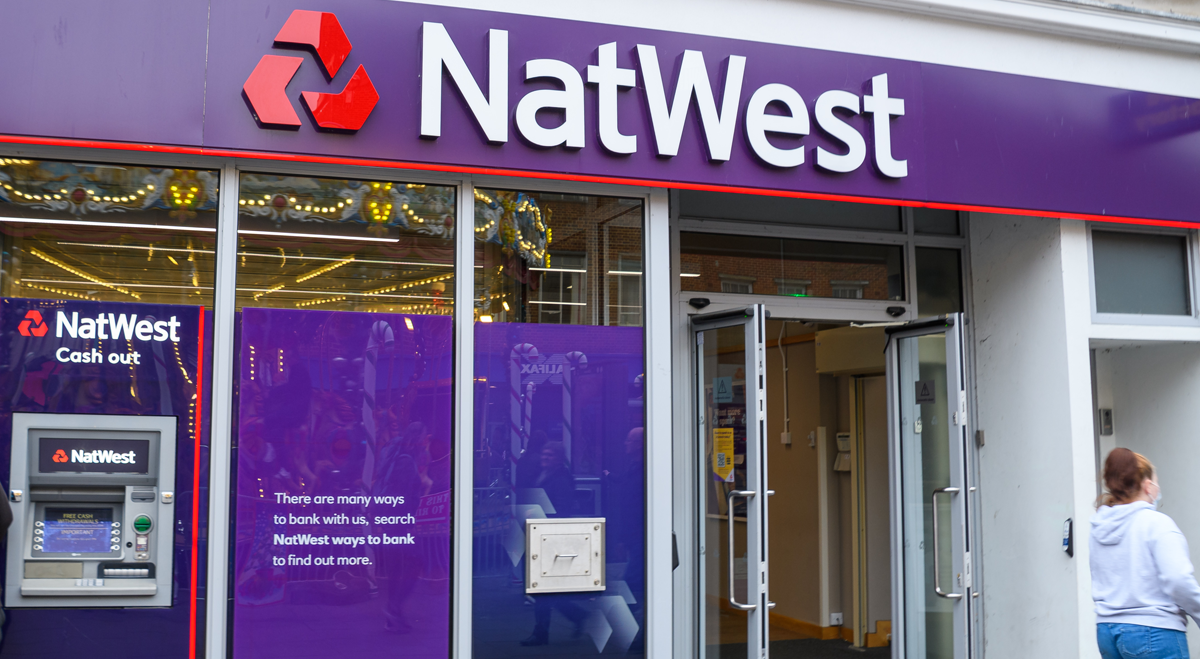
NatWest (LSE:NWG) shares advanced on Tuesday after Barclays upgraded the UK banking group to “overweight” from “equal weight” and increased its price target, citing stronger earnings prospects supported by higher interest rates, business expansion and potential benefits from the acquisition of Evelyn.
The shares gained 3.3% to 675.20p in London trading, outperforming the FTSE 100, which rose approximately 0.7%.
Barclays raised its price target for NatWest to 850p from 740p, an increase of nearly 15%. The revised target represents potential upside of approximately 26% from the quoted share price.
Higher Interest Rates Expected to Support Earnings
Barclays identified NatWest as a potential beneficiary of higher UK interest rates and a steeper yield curve, which could improve the bank’s revenue and profitability over the coming years.
The analysts increased their long-term Bank Rate assumption by 50 basis points to 4.25%, estimating that the change could lift NatWest’s earnings per share by approximately 5% in 2028.
The positive effect could eventually reach 10% as the bank’s structural hedge matures and higher interest rates are progressively reflected in returns.
Barclays also increased its earnings-per-share forecasts by as much as 7% across 2026 to 2028, primarily reflecting expectations of stronger revenue generation.
However, the analysts acknowledged that increased competition for customer deposits could partially offset the benefits of higher interest rates.
Despite this risk, Barclays does not anticipate a repeat of the significant shift towards more expensive deposit products experienced in 2023.
The bank suggested that households may be approaching the point at which further transfers of savings into higher-cost fixed-term deposits become less likely, potentially limiting additional pressure on NatWest’s funding costs.
Barclays also highlighted potential earnings benefits from NatWest’s integration of Evelyn, the wealth management business acquired by the lender.
According to the analysts, the integration is progressing positively and could create opportunities to expand relationships with existing wealth management clients.
In particular, NatWest may be able to offer additional banking products and services to Evelyn customers, supporting revenue growth across the combined business.
Barclays suggested that these cross-selling opportunities could allow NatWest to generate revenue synergies above its existing expectations over time.
The acquisition represents another potential source of earnings growth alongside the bank’s core lending and deposit operations.
UK Banking Tax Risks Remain Ahead of Budget
While Barclays adopted a more positive outlook for NatWest, it acknowledged uncertainty surrounding possible changes to UK banking taxation ahead of the forthcoming Budget.
Any increase in taxes affecting the banking sector could create additional costs and place pressure on profitability.
However, Barclays expects the potential financial impact to remain manageable.
The analysts also suggested that much of the uncertainty surrounding possible tax changes is already reflected in NatWest’s current share price.
As a result, Barclays considers the bank’s valuation relatively attractive despite the outstanding policy risks.
Valuation Discount Supports Barclays’ Positive Outlook
Barclays pointed to NatWest’s valuation discount relative to European banking peers as another reason for its upgraded recommendation.
The analysts argued that the combination of stronger earnings forecasts, potential benefits from higher interest rates and additional revenue opportunities from Evelyn was not fully reflected in the lender’s market valuation.
The revised 850p price target incorporates Barclays’ more favourable expectations for NatWest’s earnings performance and longer-term growth prospects.
Although deposit competition and potential tax changes remain risks, Barclays considers the bank well positioned to benefit from its existing operations and wealth management expansion.
Tuesday’s share price increase reflected a positive market response to the upgrade, with NatWest outperforming the broader London equity market.
European luxury stocks moved lower on Tuesday after LVMH (EU:MC) reported a sharper-than-expected decline in sales at its fashion and leather goods division, raising concerns about the pace of recovery in the luxury goods sector, particularly in China.
By 09:09 GMT, LVMH shares had fallen 1.6%, while Hermès (EU:RMS) declined 2.4% and Kering (EU:KER) lost 2%. Moncler (BIT:MONC) dropped 1.5%, Dior (EU:CDI) retreated 1.4% and Richemont (TG:RITN) weakened 1.1%.
The broad decline followed LVMH’s third-quarter trading update, which highlighted continued pressure on demand for Louis Vuitton products in China and slower growth in its watches and jewellery business.
LVMH Fashion Division Records Larger-Than-Expected Sales Decline
LVMH reported a 5% organic decline in sales at its fashion and leather goods division, compared with the 1.8% contraction expected by analysts surveyed by Visible Alpha.
The division, which accounts for nearly half of the group’s revenue, includes Louis Vuitton and other major luxury fashion brands.
The company attributed part of the weakness to a “less favourable trading environment” in China, where demand for high-end products has remained subdued.
Group organic revenue increased 1% in the third quarter to €18.5 billion ($20.68 billion), excluding currency movements. The result was below market expectations for growth of 1.3%.
For the first nine months of the year, LVMH generated revenue of €57.1 billion, representing a reported decline of 2% but organic growth of 2%.
The difference between reported and organic performance reflected the impact of currency movements and other adjustments included in the company’s organic growth measure.
The weaker fashion performance renewed concerns about the ability of European luxury companies to restore growth following an extended period of slower consumer spending.
Louis Vuitton Recovery Expected to Take Time
LVMH’s management indicated that an improvement in demand for Louis Vuitton products may be gradual rather than immediate.
Asked about the brand’s recovery prospects, Chief Financial Officer Cécile Cabanis said: “Recovery takes time, and I do not believe there are many shortcuts.”
Her comments suggested that the company does not expect a rapid improvement in trading conditions.
The outlook for Louis Vuitton is particularly important because the brand is a major contributor to LVMH’s fashion and leather goods division.
Weakness in Chinese consumer spending has remained a significant challenge for luxury manufacturers, with the country’s demand influencing the performance of leading European brands.
The latest figures indicated that the sector’s recovery remains uneven, despite stronger results in some other business categories.
Watches and Jewellery Growth Slows
LVMH’s watches and jewellery division, which includes Bulgari and Tiffany, also recorded slower growth during the third quarter.
Organic sales increased 6%, compared with growth of 9% during the first half of the year.
The moderation was notable because watches and jewellery had been among the stronger categories within the luxury market.
Although the division continued to expand, the slowdown suggested that demand conditions were becoming less supportive across additional product segments.
The result added to concerns about the durability of the broader luxury sector’s recovery.
Sephora Leads Growth Across LVMH Divisions
Despite weakness in fashion and slower growth in jewellery, several LVMH businesses reported positive trading performances.
Selective retailing was the group’s strongest division, generating organic revenue growth of 8%.
Beauty retailer Sephora continued gaining market share in several countries, supported by exclusive product introductions, including launches associated with Rhode.
The business also expanded its international presence by entering Belgium and Croatia.
LVMH’s wines and spirits division recorded organic growth of 6%, benefiting from an ongoing recovery in champagne sales, particularly in Europe.
Hennessy cognac also delivered positive momentum in Asian markets.
Meanwhile, perfumes and cosmetics revenue increased 1%, supported by new product introductions, including Dior’s J’adore Intense and Sauvage Extrait fragrances.
The differing performances across divisions highlighted the uneven nature of consumer demand within the luxury industry.
Luxury Sector Faces Continued Valuation Pressure
European luxury companies have experienced a prolonged slowdown over the past three years, with weaker demand and uncertainty surrounding Chinese consumer spending weighing on investor sentiment.
The sector’s leading groups have collectively lost approximately €330 billion in market value since the beginning of the year.
LVMH alone has recorded a decline of roughly 40% over that period.
The scale of the losses reflects concerns about the sector’s earnings outlook and the pace at which demand for high-end fashion and accessories may recover.
Tuesday’s share price declines demonstrated how disappointing results from a major industry participant can affect valuations across the wider luxury market.
Investors will continue monitoring Chinese consumer demand, brand-level sales trends and the performance of other European luxury companies for evidence of a more sustained recovery.
Energy prices are weighing on American voters, with 74% very concerned about gas and energy costs, up from 60% in July and 43% in January, according to a Pew Research Center survey conducted September 28–October 4, 2026.
Heading into the midterms, numbers like these obviously put Republicans at a disadvantage, hence another TACO over the weekend, bringing Russian diesel back to global markets, including the U.S.
Under the deal, Russia will supply 300,000 tonnes of diesel immediately, 500,000 tonnes in November, and 1 million tonnes later, with another 3 million tonnes potentially to follow, after the U.S. Treasury temporarily lifted sanctions on Russian fuel imports until April 7, 2027.
Still, Brent crude hit $107 a barrel on Monday, while the IMF raised its average oil price forecasts for 2026 and 2027. Why doesn’t the market care?
First, agreeing to supply fuel is one thing; actually delivering it is another. Russian refineries are still struggling with Ukrainian drone strikes, raising questions about how much diesel Russia can realistically supply, despite Moscow’s claims of a surplus.
Second, as The Wall Street Journal noted, the volumes are too small to offset the global shortfall caused by disruptions to Middle Eastern fuel exports amid the war in Iran and damage to Russian refining capacity, while U.S. refineries are already running close to full capacity.
Meanwhile, Iran has warned regional countries that another war could trigger ground incursions into neighboring states, raising the risk of further supply disruptions in the Middle East.
Resolving the energy crisis requires peace in the Middle East, but the signs point in the opposite direction. As geopolitical tensions keep inflation risks elevated and pressure on global bond markets, US inflation data will take center stage on this week’s economic calendar.
Gold prices edged higher on Tuesday as softer crude oil prices and a weaker US dollar supported demand for precious metals ahead of closely watched American inflation data.
Spot gold (XAU/USD) rose 0.4% to $4,189.12 an ounce at 04:47 ET (08:47 GMT), while gold futures advanced 0.5% to $4,213.25 an ounce.
The gains followed a decline in oil prices after Russia indicated that diesel exports could exceed the quantities previously outlined in a supply agreement with the United States.
Although the prospect of additional fuel supplies helped ease some inflation concerns, oil prices remained elevated amid continuing geopolitical tensions in the Middle East.
Recent attacks attributed to Iran-backed Houthi forces against Saudi Arabia’s international airport in Riyadh have reinforced concerns about the security of regional energy infrastructure and shipping routes.
These developments have left gold investors balancing the potential benefits of geopolitical uncertainty against the risk that higher energy prices could prolong inflation and encourage further interest-rate increases.
Energy Market Volatility Complicates Gold’s Safe-Haven Appeal
Gold has traditionally attracted interest during periods of political instability and financial uncertainty, but its performance during the Middle East conflict has reflected the competing effects of geopolitical risk and monetary policy expectations.
According to the reported market figures, bullion has fallen approximately 20% since the United States and Israel launched a joint military operation against Iran in late February.
The decline has been associated with concerns that higher oil prices could increase inflation and prompt the Federal Reserve to maintain restrictive borrowing conditions.
Gold does not provide interest payments, meaning its relative appeal can diminish when yields on government bonds and other interest-bearing investments increase.
As a result, expectations for additional monetary tightening can outweigh some of the support normally provided by geopolitical uncertainty.
Tuesday’s decline in crude oil offered temporary relief by reducing immediate concerns about the effect of energy prices on inflation.
However, risks to oil shipments from the Gulf remain elevated, particularly following attacks affecting Saudi Arabia and concerns about regional transport routes.
The possibility of increased Russian diesel exports could help ease global fuel market pressures, although uncertainty surrounding the conflict continues to influence energy prices.
For gold investors, the key issue is whether inflationary pressures begin to moderate or remain sufficiently persistent to require further action from central banks.
Central Bank Reserve Diversification Supports Bullion Demand
Despite recent market weakness, central bank purchases continue to provide an important source of longer-term demand for gold.
Analysts at The Gold Bullion Company noted that monetary authorities have continued expanding their gold reserves as part of broader efforts to diversify international holdings.
The strategy is intended to reduce dependence on individual reserve assets and limit exposure to changes in the value of major currencies.
According to the analysts, central banks are seeking to “spread their reserves across different assets and reduce reliance on any single reserve holding”, including the US dollar.
Gold remains an established component of official reserves because of its international marketability and its role in diversifying currency-related exposures.
Continued institutional buying may help support demand over longer periods, even when short-term prices are affected by higher interest rates or movements in the dollar.
However, reserve purchases do not eliminate the metal’s sensitivity to changes in monetary policy expectations.
US Consumer Price Report Takes Centre Stage
Investors were looking ahead to Wednesday’s US consumer price inflation report, which could influence expectations for the Federal Reserve’s next policy decisions.
The central bank increased interest rates in September for the first time since 2023, citing the need to contain inflation.
Nevertheless, financial markets have increasingly anticipated that policymakers will leave rates unchanged at their October meeting.
Interest-rate swaps suggested an approximately 20% probability of another increase during the October gathering.
Markets continued to price in one additional rate rise before the end of 2026.
The inflation figures will be particularly important given the recent increase in energy prices, which could contribute to broader consumer price pressures.
An unexpectedly strong inflation reading could strengthen expectations for further monetary tightening and weigh on non-yielding assets such as gold.
Alternatively, evidence that inflation is moderating could reduce expectations for additional rate increases, potentially providing support for bullion.
Federal Reserve Bank of Cleveland President Beth Hammack said on Monday that smaller and more frequent adjustments to monetary policy could help prevent inflation expectations from becoming unanchored.
She did not, however, explicitly advocate raising interest rates at the central bank’s October meeting.
Her remarks reinforced the importance of incoming economic indicators as policymakers consider how to balance inflation risks against broader economic conditions.
Silver and Platinum Rise Alongside Gold
Other precious metals also strengthened during Tuesday’s trading session.
Spot silver gained 0.3% to $60.4830 an ounce, while spot platinum climbed 0.7% to $1,704.03 an ounce.
The advances coincided with weakness in the US currency.
The US Dollar Index, which measures the greenback against a basket of major currencies, declined 0.3% to 102.33.
Because precious metals are generally priced in dollars, a decline in the currency can make them less expensive for buyers holding other currencies.
This relationship can support international demand, although actual price movements also depend on investment flows, interest rates and broader market conditions.
Dollar weakness therefore provided an additional source of support for precious metals during the session.
Inflation Outlook Remains Central to Gold Prices
Gold’s modest recovery reflected improving sentiment following the decline in oil prices, together with a weaker dollar and continued demand for precious metals.
Nevertheless, the outlook remains complicated by the interaction between geopolitical developments and monetary policy.
Further disruption to Middle Eastern energy supplies could increase inflation risks, potentially strengthening expectations for additional Federal Reserve tightening.
At the same time, geopolitical uncertainty may continue to encourage some investors to maintain exposure to gold as a defensive asset.
Wednesday’s US inflation report will provide a clearer indication of whether recent energy market developments are contributing to persistent price pressures.
Investors will also be monitoring Federal Reserve commentary, movements in government bond yields and central bank gold purchases for further signals about the metal’s near-term and longer-term prospects.