Blog

  • Taco trade strikes again

    Taco trade strikes again

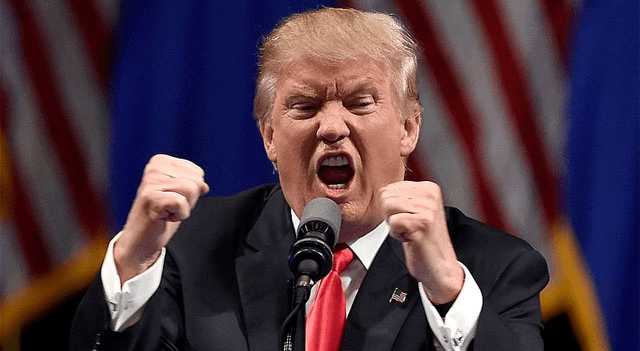
    This Wednesday, July 9, was supposed to end the 90-day grace period Donald Trump had set for countries to reach trade agreements with the U.S., or face steep tariffs. As such, markets tightened again, especially after Trump announced 25% tariffs on Japan and South Korea, which will take effect on August 1. To top it off, he also sent a new wave of warning letters to Malaysia, Kazakhstan, Laos, and Myanmar, among others.

    Subsequently, the major U.S. indices fell, including the S&P 500 and the Nasdaq. However, the situation had improved slightly by the end of the session. In a now familiar move, Trump backtracked on his tariff threats, signing an executive order postponing “reciprocal” tariffs until August 1, as opposed to the July 9 initially set. Thus, the markets breathed a sigh of relief, but the issue remains on the table, and it is big.

    So far, trade agreements have only been reached with the United Kingdom, Vietnam, and China. The European Union also appears close to reaching a trade agreement with the United States. There is also progress in talks with India, and, finally, negotiations with Canada and Mexico are ongoing. In short, progress is being made slowly, and it is not yet clear how substantial the final agreements will be.

    Beyond the uncertainty, the risk of this whole trade war saga is that it prevents the Fed from resuming the easing cycle. In a speech last week, Jerome Powell reemphasized that the Fed is in no rush to cut rates, in large part because of the current trade-related uncertainty. If Trump were to replace Powell with someone more accommodative, it could undermine confidence in the Fed’s independence, which would only worsen matters.

    And what if no major deals are made?

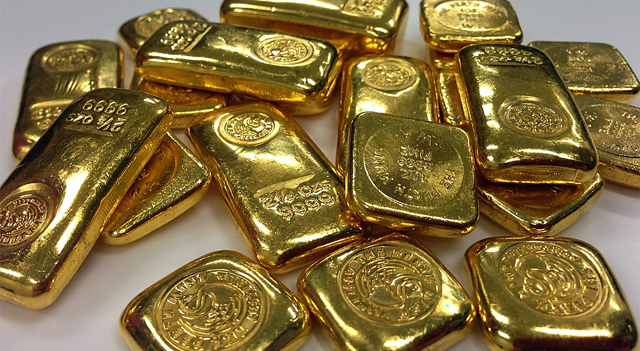
    That would be the worst-case scenario. A collapse in negotiations could trigger capital flight from U.S. assets, impacting not just the dollar and Treasuries, but also equities. Global investors could rotate into safer or alternative assets like the euro (EURUSD), yuan (USDJPY), or gold (XAUUSD). The U.S. stock market would not be immune and could take a significant hit. Still, the White House will likely do everything possible to avoid this cliff-edge scenario. 

  • Dow Jones, S&P, Nasdaq, Trump Issues Tariff Notices and Pushes Back Deadline, Markets React

    Dow Jones, S&P, Nasdaq, Trump Issues Tariff Notices and Pushes Back Deadline, Markets React

    U.S. stock futures mostly rose Tuesday as investors digested President Donald Trump’s latest moves on tariffs. Trump sent formal letters to over a dozen countries detailing the higher tariffs they will face but extended the deadline for implementing these levies. Meanwhile, China warned Washington against reigniting trade tensions.

    Futures Show Moderate Gains

    By early Tuesday morning, Dow futures were steady, S&P 500 futures ticked up slightly by 0.1%, and Nasdaq 100 futures rose 0.2%. Markets had pulled back on Monday following Trump’s tariff letters, as some traders took profits amid uncertainty. Yet optimism remains as some investors believe Trump may remain open to negotiation, supported by signs of steady economic growth and easing inflation pressures.

    Analysts from Vital Knowledge noted, “Despite Monday’s dip and tariff concerns, market bulls continue to drive the conversation.”

    Tariff Letters Signal Increased Levies but Flexible Timeline

    On Monday, Trump sent tariff notifications to 14 countries, warning of upcoming tariff hikes higher than the current baseline 10%, though somewhat less steep than his initial April announcements. The new deadline to enforce these tariffs was moved to August 1, giving countries—including major suppliers like Japan and South Korea—more time to negotiate.

    Asked about the firmness of the new deadline, Trump said it was “firm, but not 100%,” signaling openness to alternative proposals if trading partners request adjustments.

    Notably, these new tariffs will not overlap with existing sector-specific tariffs on cars, steel, and aluminum. India and the European Union were not included in the latest round of notifications, fueling speculation that trade agreements with these entities may be forthcoming.

    Japan signaled continued willingness to negotiate, with Prime Minister Shigeru Ishiba affirming ongoing talks. South Korea’s Trade Minister Yeo Han-koo also met U.S. Commerce Secretary Howard Lutnick to discuss potential tariff exemptions or reductions in key sectors.

    China Cautions U.S. Against Escalation

    In a related development, China urged the U.S. to avoid reigniting tariff disputes that could undermine the fragile trade truce recently agreed upon. Although the U.S. and China reaffirmed a trade framework in June after marathon negotiations, many details remain unclear, casting doubts over the durability of the agreement.

    China has until August 12 to reach a deal with the U.S., or risk facing tariff rates exceeding 100% on some goods. The People’s Daily, the official Communist Party newspaper, called for continued dialogue and cooperation but condemned Trump’s tariffs as “bullying.” It also warned smaller countries against striking deals with the U.S. that exclude China, threatening retaliation.

    Oil Prices Slip Amid Trade and Supply Concerns

    Crude oil prices edged down as investors weighed the uncertain impact of tariffs on global demand alongside rising production from OPEC+. Brent crude futures fell 0.1% to $69.54 per barrel, while U.S. West Texas Intermediate futures declined 0.2% to $67.76.

    OPEC+ recently announced an increase of 548,000 barrels per day in August production—more than the boosts seen in May, June, and July—adding pressure to the market amid trade-related demand worries.

    Amazon Launches Extended Prime Day Sales

    Amazon (NASDAQ:AMZN) kicked off its Prime Day event Tuesday, extending the annual sales event to four days this year, longer than usual. Analysts predict U.S. online spending during the event will hit $23.8 billion, a 28.4% jump over last year’s two-day sale.

    Amazon attributes the longer event to members requesting more time to shop deals. In 2024, Americans spent $14.2 billion during Prime Day, representing an 11% increase from the previous year.

    The event faces stiff competition from rivals Walmart, Target, and TikTok Shop, who are also targeting younger shoppers eager for back-to-school discounts. Amazon has responded with special offers and discounted Prime subscriptions for younger consumers.

  • European Markets Nudge Higher as Trade Deadline Pushed Back; German Exports Disappoint

    European Markets Nudge Higher as Trade Deadline Pushed Back; German Exports Disappoint

    European equities rose modestly on Tuesday as investors weighed the implications of a delayed U.S. trade deadline and evaluated fresh data out of Germany.

    By 07:05 GMT, Germany’s DAX was up 0.3%, France’s CAC 40 gained 0.1%, and the UK’s FTSE 100 also inched 0.1% higher.

    Trump Eases Tariff Deadline, Fueling Optimism

    Investor sentiment in Europe received a slight lift following signs of flexibility from Washington on international trade deals. On Monday, President Donald Trump signed an executive order moving the deadline for finalizing trade agreements from July 9 to August 1. He emphasized that the new date was “not set in stone”, leaving the door open for further talks.

    The White House also unveiled a list of 14 countries facing potential tariff hikes — including Japan, South Korea, Indonesia, Serbia, and Tunisia — with 25% duties threatened for major allies unless new agreements are reached.

    However, these new measures will not be applied cumulatively with previously announced industry-specific tariffs on autos, steel, and aluminum, offering some relief to targeted sectors.

    The European Union was notably absent from the tariff list. A spokesperson for the European Commission said discussions between Commission President Ursula von der Leyen and Trump were constructive, with both sides still aiming to conclude a deal by Wednesday.

    Germany’s Export Sector Hit by Tariff Anxiety

    In economic data, German exports declined 1.4% in May compared to the previous month, far worse than the 0.2% drop analysts had expected. The slump was driven largely by weakening demand from the United States, with exports to that market falling 7.7% on the month.

    The decrease comes after months of elevated export activity, as buyers likely front-loaded orders to beat anticipated tariff increases.

    Novartis Scores Milestone in Pediatric Malaria Treatment

    On the corporate front, Novartis (BIT:1NOVN) announced regulatory approval in Switzerland for its new Coartem Baby treatment — the first malaria drug formulated specifically for infants and young children.

    Meanwhile, OMV (TG:OMV), the Austrian oil and gas group, reported in a trading update that weaker energy prices and lower production volumes weighed on its second-quarter performance. However, it noted a rise in chemical margins that helped offset part of the decline.

    Crude Oil Slips on Tariff Fears and OPEC+ Output Boost

    Oil markets retreated as traders assessed the broader economic fallout of potential trade disruptions. Concerns over dampened global demand and increased supply from OPEC+ put additional downward pressure on prices.

    As of 03:05 ET, Brent crude futures had fallen 0.5% to $69.25 per barrel, while West Texas Intermediate (WTI) was down 0.6% to $67.50.

    The OPEC+ alliance announced over the weekend that it plans to ramp up production by 548,000 barrels per day in August, a notable increase compared to the 411,000 bpd additions seen in the previous three months.

    The prospect of higher output combined with trade-related uncertainty has added to concerns that the global oil market may face a short-term oversupply.

  • Gold Holds Steady as Trump’s Tariff Moves Stir Mixed Market Signals; Dollar Strength Caps Gains

    Gold Holds Steady as Trump’s Tariff Moves Stir Mixed Market Signals; Dollar Strength Caps Gains

    Gold prices hovered near flat in Asian trading Tuesday as markets digested a fresh wave of tariff-related headlines from U.S. President Donald Trump. While safe-haven demand initially lifted bullion, a stronger dollar kept overall gains in check.

    The precious metal had climbed on Monday after Trump published a series of letters proposing steep tariffs on several key Asian and African economies. However, his decision to delay the implementation deadline to August 1 and his expressed willingness to continue negotiations tempered investor anxiety.

    The U.S. dollar gained ground in the wake of Trump’s announcement, with sentiment buoyed by stable U.S. rate expectations—adding pressure on commodities priced in greenbacks, including gold.

    By 01:22 ET (05:22 GMT), spot gold slipped slightly to $3,334.22 an ounce, while September gold futures were unchanged at $3,343.70 per ounce.

    Tariff Talk Fuels Uncertainty, Boosts Risk Sentiment

    President Trump said Monday that the August 1 tariff deadline was not set in stone, leaving the door open for further dialogue with trade partners. His remarks followed the extension of a prior July 9 deadline, encouraging hopes for a de-escalation in trade tensions.

    This softer stance gave risk assets room to rally, pushing Asian equities higher and helping U.S. stock futures recover from earlier declines. However, the relief was tempered by the actual contents of Trump’s letters, which proposed aggressive import duties:

    • 25% tariffs on imports from South Korea, Japan, Malaysia, and Kazakhstan
    • 30% on South Africa
    • 32% on Indonesia
    • 35% on Bangladesh
    • 36% on Thailand

    While those letters initially dented investor sentiment on Wall Street, they also prompted increased buying in gold as a hedge against geopolitical volatility.

    Still, gold has been largely rangebound in recent weeks, supported by periodic bursts of safe-haven demand but restrained by firm U.S. economic data. Bullion remains just shy of the $3,500 per ounce all-time high reached earlier this year.

    Dollar Strength Limits Metals Rally Ahead of Fed Minutes

    The U.S. dollar eased slightly in early Asian trade but remained elevated following a sharp overnight rally. Trump’s tariff maneuvers and upbeat economic indicators have fueled expectations that the Federal Reserve will hold rates steady, diminishing the appeal of non-yielding assets like gold.

    Traders are also looking ahead to the release of the Fed’s June meeting minutes later this week, which could offer further guidance on the central bank’s monetary policy direction. The Fed has so far shown little urgency to ease, maintaining a cautious stance in light of persistent inflationary pressures.

    Stronger dollar momentum capped gains across the broader metals complex.

    • Platinum futures edged up 0.1% to $1,383.75/oz
    • Silver futures rose 0.3% to $37.008/oz, with both metals trading near multi-year highs

    In the industrial metals space,

    • London copper futures added 0.2% to $9,839.80 per metric ton
    • U.S. copper futures rose 0.4% to $5.0260 per pound, reflecting continued optimism over global demand despite trade jitters.
  • U.S. Dollar Retreats as Tariff Rally Fades; Aussie Jumps After Surprise RBA Hold

    U.S. Dollar Retreats as Tariff Rally Fades; Aussie Jumps After Surprise RBA Hold

    The U.S. dollar pulled back in early Tuesday trading, paring gains made overnight after President Donald Trump escalated trade tensions with a new wave of tariff threats. Meanwhile, the Australian dollar rallied sharply after the country’s central bank defied expectations and kept interest rates unchanged.

    As of 04:10 ET (08:10 GMT), the U.S. Dollar Index dipped 0.2% to 96.910, after touching an overnight high of 97.280.

    Dollar Reverses as Markets Weigh Tariff Flexibility

    The dollar had initially surged after President Trump revealed he had sent formal tariff notices to 14 countries, including Japan and South Korea, indicating 25% import duties would take effect starting August 1.

    An accompanying executive order extended the original July 9 deadline for trade agreements, with Trump suggesting the date was “firm, but not 100% firm,” leaving room for negotiation.

    Analysts at ING noted that markets are increasingly viewing the latest tariff developments as part of an extended negotiating strategy rather than a firm policy shift. They expect the Dollar Index (DXY) to trade within a 96.50–98.00 range, with the next major catalyst being June’s U.S. inflation data.

    Euro Rises on Trade Hopes, Despite Weak German Exports

    The euro (EUR/USD) climbed 0.5% to 1.1761, buoyed by optimism that the European Union could strike a favorable trade deal with Washington. The EU was notably excluded from the new tariff list, and a spokesperson for the European Commission said talks between Trump and Commission President Ursula von der Leyen had been constructive.

    ING highlighted that the EU’s large consumer base may give it leverage in negotiations, potentially helping to maintain the current 10% U.S. tariff rate on European goods while securing exemptions for sensitive sectors like aerospace and beverages.

    Despite the positive sentiment, data showed German exports fell by 1.4% in May, with shipments to the U.S. down 7.7% month-over-month, as previous frontloading of orders ahead of tariffs tapered off.

    Sterling Steady on Hawkish BoE Expectations

    The British pound (GBP/USD) gained 0.3% to 1.3642, continuing to hover near last week’s high of 1.3787, the strongest level since October 2021.

    The U.K.’s early trade deal and persistent inflation pressures have helped support the pound, with the Bank of England expected to maintain a hawkish stance relative to other central banks.

    Australian Dollar Soars as RBA Surprises with Rate Hold

    In Asia, the Australian dollar (AUD/USD) jumped 0.7% to 0.6543 after the Reserve Bank of Australia left interest rates unchanged, against market expectations for a rate cut.

    The RBA said it preferred to wait for more clarity on inflation trends and highlighted ongoing uncertainty tied to global risks, particularly new U.S. tariff measures.

    While Australian inflation has declined significantly from its 2022 peak, the central bank pointed to recent data showing slightly firmer-than-expected CPI as justification for its cautious stance.

    Elsewhere, USD/JPY edged up 0.1% to 146.10, as the yen stabilized following a sharp overnight drop. USD/CNY slipped 0.1% to 7.1715 amid broader trade uncertainty.

  • FTSE 100 Steady as Markets Monitor Trade Tensions; Pound Climbs Past $1.36

    FTSE 100 Steady as Markets Monitor Trade Tensions; Pound Climbs Past $1.36

    London’s FTSE 100 index opened flat on Tuesday as investors digested fresh developments in global trade policy, following U.S. President Donald Trump’s latest tariff announcements. Market participants remained cautious, awaiting further signals on upcoming trade negotiations.

    As of 07:32 GMT, the FTSE 100 edged up by 0.01%, while the British pound strengthened by 0.3%, surpassing the $1.36 mark against the dollar. Elsewhere in Europe, Germany’s DAX rose 0.2%, while France’s CAC 40 slipped 0.2%.

    Trump Adjusts Tariff Timeline, Targets Key Trade Partners

    President Trump issued an executive order on Monday, extending the deadline for trade agreement negotiations to August 1. While the White House signaled a willingness to negotiate, Trump confirmed the deadline could shift depending on progress made with foreign governments.

    He also outlined new tariff rates impacting 14 countries, warning that Japan and South Korea could face 25% duties on their exports if no agreement is reached.

    SIG Shares Drop on Soft Demand; New CEO Announced

    Shares in SIG PLC (LSE:SHI) fell over 3.4%, placing it among the biggest FTSE 250 decliners. The construction materials group reported subdued demand during the first half of 2025 and voiced caution for the months ahead.

    Despite these challenges, SIG maintained its full-year profit guidance in line with market expectations and announced Pim Vervaat as the incoming CEO, effective later this year.

    Glencore Gains on JPMorgan Upgrade

    Shares in mining and trading giant Glencore (LSE:GLEN) rose 1.6% after J.P. Morgan reinstated its coverage of the stock with an “overweight” rating and a price target of £3.60 by December 2026, implying around 20% potential upside.

    Analysts cited Glencore’s improving production outlook, capital return strategy, and operational flexibility as key strengths. However, the note also acknowledged the company’s recent underperformance, having trailed the MSCI Europe index by 45% since May 2024, driven in part by falling coal prices and softer earnings results.

  • Crude Prices Dip as Markets Digest Trump’s Tariff Threats and OPEC+ Supply Boost

    Crude Prices Dip as Markets Digest Trump’s Tariff Threats and OPEC+ Supply Boost

    Oil prices edged lower during early Tuesday trading in Asia, as markets reacted to rising geopolitical tension fueled by fresh U.S. trade tariffs and concerns over increased global oil supply from the OPEC+ alliance.

    By 01:40 GMT (21:40 ET Monday), Brent crude futures for September delivery slipped 0.7% to $69.11 per barrel, while West Texas Intermediate (WTI) fell by the same margin to $67.46. This pullback came after both benchmarks climbed over 1% on Monday, supported by expectations of sustained market tightness despite looming supply increases.

    Trump Targets Trade Partners with Sweeping Tariff Threats

    U.S. President Donald Trump intensified his protectionist trade agenda on Monday, issuing formal notices to 14 countries about forthcoming tariff hikes set to take effect on August 1. Key Asian trading partners Japan and South Korea were among those notified of a 25% tariff across all exports, while other nations, including Thailand, Serbia, and Tunisia, face potential levies of up to 40%.

    Trump’s executive order extended the initial July 9 deadline, offering additional time for negotiations but warning that the August 1 timeline remains largely fixed. The uncertainty surrounding the implementation of these tariffs — particularly for major energy-consuming nations like Japan, South Korea, and India — has raised fears of disrupted global trade flows and weakened industrial demand.

    OPEC+ Signals Bigger Supply Boost as Cuts Wind Down

    Meanwhile, the spotlight remains on OPEC+ after the oil-producing coalition announced a production increase of 548,000 barrels per day for August, exceeding the monthly hikes of 411,000 bpd seen in the preceding three months. The group also hinted at a similar potential rise in September, which will be reviewed during its upcoming meeting on August 3.

    This expansion continues the unwinding of the voluntary 2.2 million bpd in supply cuts led by key producers like Saudi Arabia and Russia, aimed at stabilizing oil markets earlier in the year.

    Although oil prices tumbled early Monday on the news of higher supply, they rebounded later after Saudi Arabia raised the official selling price (OSP) of its Arab Light crude to Asian buyers for August delivery — a move interpreted by traders as a vote of confidence in demand recovery.

  • Audioboom Reports Strong Q2 2025 Growth and Strategic Partnership

    Audioboom Reports Strong Q2 2025 Growth and Strategic Partnership

    Audioboom (LSE:BOOM) delivered a robust Q2 2025 performance, with adjusted EBITDA soaring 400% and gross profit increasing 35%. Growth was driven by the expansion of the Audioboom Creator Network and the strong results from its Showcase advertising marketplace. The company also launched a new partnership with Gumball FM, introducing AI-powered Adaptive Ads to enhance monetization options for creators. With over $70 million in booked revenue for 2025, Audioboom’s solid financial foundation positions it well for continued growth in the second half of the year, despite ongoing global economic uncertainties.

    About Audioboom

    Audioboom is a global podcasting leader, with 100 million monthly downloads from 38 million unique listeners worldwide. Ranked as the fifth largest podcast publisher in the US by Triton Digital, the company offers a scalable ad-tech and monetization platform providing commercial, distribution, marketing, and production services to top-tier podcasts. Audioboom operates internationally through partnerships across North America, Europe, Asia, and Australia, distributing content on platforms including Apple Podcasts, YouTube, and Spotify.

  • Synectics Delivers Strong H1 2025 Results and Strategic Momentum

    Synectics Delivers Strong H1 2025 Results and Strategic Momentum

    Synectics plc (LSE:SNX) reported impressive first-half 2025 results, with revenue up 35% to £35.5 million and underlying operating profit rising 48% to £3.3 million. The company credits robust demand in the leisure and hospitality sector alongside significant contract wins, including agreements with West Midlands Police and a major gaming resort in Southeast Asia. Maintaining a debt-free status and a healthy cash position, Synectics is well-positioned to support organic growth and pursue strategic acquisitions. Its refreshed strategy emphasizes expanding market reach, investing in technology, and strengthening partnerships to drive long-term growth and value creation.

    The company’s outlook is positive, underpinned by strong financial performance and strategic progress. Technical indicators are mixed, resulting in a neutral market signal, while valuation metrics suggest the stock is fairly valued. Lack of recent earnings call data means no additional impact from that aspect.

    About Synectics

    Synectics plc specializes in advanced security and surveillance solutions, integrating systems, technology, and data to enhance safety and operational efficiency. The company serves critical infrastructure, energy, public spaces, transport, and leisure sectors, leveraging deep technical expertise and partnerships to deliver innovative, tailored solutions.

  • Victrex Reports Q3 Volume Growth Despite Medical Sector Headwinds

    Victrex Reports Q3 Volume Growth Despite Medical Sector Headwinds

    Victrex plc (LSE:VCT) recorded an 8% rise in sales volume for Q3 2025 year-on-year, fueled primarily by growth in its Sustainable Solutions segment. However, revenue declined 3% due to a less favorable sales mix and lower average selling prices. The Medical division, especially the Spine segment, experienced softness amid industry-wide destocking and increased competition. Operational challenges at the company’s new manufacturing facility in China are being addressed, while capital expenditure is expected to remain below prior guidance. Despite currency pressures, Victrex continues to exercise strong cost control and efficiency improvements. The company anticipates high single-digit volume growth for the full year, focusing on sustainable medium to long-term growth.

    Victrex’s outlook benefits from solid financial footing and encouraging earnings guidance, although technical indicators and margin pressures present caution. An appealing dividend yield supports the valuation, offsetting some operational and currency risks.

    About Victrex

    Victrex is a global leader in high-performance polymer solutions, serving key markets including Automotive, Aerospace, Energy & Industrial, Electronics, and Medical. The company’s sustainable materials are vital components in products ranging from smartphones and aircraft to cars and medical devices. With over four decades of expertise, Victrex is broadening its portfolio into semi-finished and finished products, aiming to boost environmental impact and shareholder value.