Blog

  • Just Group shares surge after agreeing to Brookfield acquisition

    Just Group shares surge after agreeing to Brookfield acquisition

    Shares of Just Group PLC (LSE:JUST) skyrocketed by 67.9% on Thursday after the company revealed it has agreed to be acquired by a Brookfield Wealth Solutions Ltd subsidiary in a deal valued at 220p per share.

    The offer price implies a 75% premium over Just Group’s closing price on Wednesday and surpasses the company’s previous record high set in April 2016.

    This transaction assigns Just Group a valuation equivalent to roughly 1.1 times its FY 2024 Unrestricted Tier 1 capital (net of the final dividend), aligning with the valuation multiple Athora recently paid for PIC.

    As per the terms of the agreement, the acquisition is targeted to close in the first half of 2025. However, the purchasing entity retains the option to lower the offer if any dividends or capital returns are issued prior to completion.

    The transaction is expected to be carried out via a court-approved scheme of arrangement. Nonetheless, Brookfield reserves the right to pursue the deal through a Takeover Offer route if necessary approvals are obtained.

    Analysts at Jefferies believe the current proposal offers shareholders compelling value. “Thus, as the bid premium appears to offer very attractive upside, and has already received the support of management, we believe that investors should similarly support the deal,” they commented.

    The fact that the management has already endorsed the agreement increases the likelihood of a seamless completion, although the deal remains subject to regulatory clearance.

    This content is for informational purposes only and does not constitute financial, investment, or other professional advice. It should not be considered a recommendation to buy or sell any securities or financial instruments. All investments involve risk, including the potential loss of principal. Past performance is not indicative of future results. You should conduct your own research and consult with a qualified financial advisor before making any investment decisions.

  • Standard Chartered Posts Strong Q2 Results, Surpassing Profit Forecasts by 23%

    Standard Chartered Posts Strong Q2 Results, Surpassing Profit Forecasts by 23%

    Standard Chartered (LSE:STAN) delivered a robust quarterly performance, beating profit expectations by a wide margin as strong non-interest income helped counterbalance margin compression.

    The bank reported a 23% upside in pre-tax profit compared to market forecasts—17% on an adjusted basis excluding a $93 million one-off gain from its Solv India deal. Total revenue came in 4% above analyst estimates, supported largely by gains in non-interest income. Meanwhile, operating expenses rose 2% above expectations.

    A key highlight of the quarter was the low level of credit losses, aided by a $44 million release in provisions within the Corporate & Institutional Banking unit. In a move welcomed by shareholders, Standard Chartered announced a $1.3 billion share repurchase program, slightly surpassing the expected $1.25 billion.

    Tangible net asset value per share increased 16% year-over-year, reflecting earnings growth and share count reduction. The bank’s Common Equity Tier 1 (CET1) capital ratio was 14.3%, 10 basis points above consensus and up 50 basis points from the previous quarter.

    Revised full-year revenue guidance now targets growth at the lower end of the 5–7% range, improving from previous projections that fell short of that band. Even at the lower bound, this implies a revenue beat of roughly $227 million versus consensus for the full year.

    Net interest income (NII) is forecast to decline slightly on a year-over-year basis, with a 2% drop expected. The bank’s net interest margin fell to 198 basis points, down 14 basis points from Q1 and 5 basis points lower than the same period last year. NII missed estimates by 2% and declined 3% sequentially due to interest rate impacts and lower deposit pass-through.

    In contrast, non-interest income surged 8% sequentially and 33% compared to the prior year, exceeding expectations by 16%. Stripping out the Solv India impact, it still grew 22% year-over-year and topped consensus by 6%. Strong performance in the Global Markets business—up 44% year-over-year, driven by a 52% increase in macro trading—was a major contributor. Wealth Solutions also performed well, with 20% growth from the same period last year.

    Operating costs rose 6% compared to the previous year, reflecting business expansion, inflationary pressures, FX effects, and higher deposit insurance expenses. The cost-to-income ratio climbed to 55%, up a percentage point from the prior quarter.

    Credit impairments were lower than expected, totaling $117 million—53% below consensus and 47% less than Q1. The cost of risk was calculated at 16 basis points, though the bank continues to guide for 30–35 basis points over the 2025–2026 horizon.

    Standard Chartered’s affluent banking division attracted $16 billion in net new assets during the quarter. The Hong Kong dollar now accounts for 30% of the bank’s interest rate sensitivity following a surge in deposits.

    Looking ahead, management reaffirmed its target of keeping 2026 costs below $12.3 billion, assuming constant currency levels.

    This content is for informational purposes only and does not constitute financial, investment, or other professional advice. It should not be considered a recommendation to buy or sell any securities or financial instruments. All investments involve risk, including the potential loss of principal. Past performance is not indicative of future results. You should conduct your own research and consult with a qualified financial advisor before making any investment decisions.
  • Dollar Eyes First Monthly Rise of 2025 as Powell Signals Hawkish Stance

    Dollar Eyes First Monthly Rise of 2025 as Powell Signals Hawkish Stance

    The U.S. dollar edged slightly lower on Thursday but remained on course for its first monthly advance of the year, buoyed by Federal Reserve Chair Jerome Powell’s hawkish comments following the central bank’s latest policy decision.

    As of 03:00 ET (08:00 GMT), the Dollar Index—measuring the greenback against six major peers—dipped 0.1% to 99.550. Despite the minor drop, the index hovered near a two-month peak and was poised to end the month with a gain of over 3%.

    Powell’s Comments Push Dollar Higher

    On Wednesday, the Federal Reserve opted to leave interest rates unchanged at the conclusion of its two-day meeting. The decision reflected ongoing strength in the labor market, low unemployment, and lingering inflationary pressures, according to the Fed’s statement.

    Chair Powell remained noncommittal on the timeline for potential rate cuts, opting for a cautious tone despite pressure from President Donald Trump to ease monetary policy.

    “Chair Powell’s press conference was hawkish,” analysts at ING noted. “He reiterated expectations for a short-lived inflationary impact and said a modestly restrictive policy was appropriate. He seemed to put himself on a collision course with President Trump by claiming the Fed was looking through inflation by not hiking.”

    Market expectations for a September rate cut have now declined, with CME Fed Fund futures showing a 45.7% probability—down from 63.4% before Powell’s remarks.

    However, not all voices within the central bank were aligned with Powell. Fed Governors Christopher Waller and Michelle Bowman, both appointed by Trump, supported a 25 basis point cut, citing signs of softening in the labor market.

    Private payroll data released on Wednesday surprised to the upside, signaling continued labor market resilience. Investors will be watching Friday’s U.S. nonfarm payrolls report for July for further clarity.

    “Another data point worth noting is jobless claims, which have recently caught our attention after an unexpected six-week streak of declines. That’s the longest run since August-September 2022, and may be contributing to expectations of a resilient labour market,” ING added.

    Euro and Pound Struggle in July

    The euro rebounded slightly, with EUR/USD up 0.4% to 1.1447 after hitting a seven-week low the day before. Nonetheless, the common currency remained on track for a nearly 3% decline in July.

    In France, harmonised consumer prices rose by 0.9% year-over-year in July—slightly above the 0.8% consensus forecast.

    While eurozone GDP figures showed marginally better-than-expected growth in the second quarter, broader economic momentum remains sluggish. The region also faces increasing headwinds from newly imposed U.S. tariffs.

    “If the first leg of the EUR/USD correction was driven by the grim growth prospects for the eurozone after the EU-US trade deal, the drop to 1.14 was led by the Fed’s hawkish repricing,” said ING.

    “In our view, risks remain on the downside for EUR/USD, even though positioning is now looking considerably less stretched after the squeeze of dollar shorts since the start of the week.”

    Meanwhile, GBP/USD ticked up 0.1% to 1.3253. Despite the modest gain, sterling was still near a 2.5-month low and facing a monthly loss of nearly 3%.

    Yen Dips After BOJ Holds Rates, But Raises Forecasts

    In Asia, USD/JPY slipped 0.2% to 149.28 after the Bank of Japan left its interest rates steady, as widely anticipated.

    The BOJ also upgraded its inflation and GDP forecasts, expecting stronger price growth and economic expansion.

    Despite the upgrades, the central bank acknowledged that real interest rates remained low and signaled further hikes if inflation and output continue to rise in line with projections.

    Elsewhere, AUD/USD gained 0.5% to 0.6466, recouping some of the previous session’s losses. USD/CNY was largely flat at 7.1931 after disappointing July PMI data.

    Chinese manufacturing and non-manufacturing PMIs both contracted more than expected, with analysts attributing the declines to severe weather conditions.

    This content is for informational purposes only and does not constitute financial, investment, or other professional advice. It should not be considered a recommendation to buy or sell any securities or financial instruments. All investments involve risk, including the potential loss of principal. Past performance is not indicative of future results. You should conduct your own research and consult with a qualified financial advisor before making any investment decisions.

  • Mondi posts slight miss on H1 EBITDA but stays optimistic for 2026

    Mondi posts slight miss on H1 EBITDA but stays optimistic for 2026

    Mondi plc (LSE:MNDI) announced its first-half 2025 EBITDA at €564 million on Thursday, falling short of analyst consensus of €580 million by 3%, with the second quarter notably weaker than expected.

    The packaging and paper specialist recorded €274 million in EBITDA for Q2, which included €16 million from forest fair value gains, marking a miss of over 6% compared to forecasts.

    This shortfall was mainly attributed to difficulties in the UFP division and adverse currency impacts in the Flexibles segment. Earnings per share reached €0.43, below the anticipated €0.47.

    Despite the earnings shortfall, Mondi reported strong cash flow generation, although its net debt to EBITDA ratio climbed to 2.5x following recent acquisitions, up from 1.7x in 2024. Return on capital employed dropped to 8.4% from 9.6% the previous year.

    On the upside, the company confirmed that its capital investment projects are progressing according to schedule, with planned expenditures of €50-75 million for 2025, most of which will occur in the latter half of the year.

    The acquisitions completed recently are expected to add roughly €30 million to this year’s results, while the company reaffirmed anticipated synergies of €22 million over three years, despite headwinds in the corrugated packaging market.

    Mondi kept its maintenance capital expenditure outlook steady at €20 million for H1 and €80 million for H2. Depreciation and amortization forecasts were revised upwards to €475-500 million (including acquisitions), from the prior range of €450-475 million. Finance costs are now projected at €100 million, higher than the earlier estimate of €90 million.

    Looking forward, Mondi highlighted the ongoing geopolitical and macroeconomic uncertainties that may continue to challenge market conditions in the second half. The company remains committed to initiatives aimed at boosting productivity, cutting costs, and optimizing cash flow, while focusing on long-term growth opportunities in structurally expanding markets.

    Forest fair value gains totaled €18 million in the first half, falling within the company’s guidance range of €10-20 million, with €2 million recognized in Q1 and €16 million in Q2. The 2025 forest fair value target remains at €30-60 million.

    Mondi is well positioned to benefit from stronger earnings and free cash flow when the packaging industry eventually rebounds, supported by its efficient, well-invested assets and the returns expected from its €1.2 billion major capital investment plan.

    This content is for informational purposes only and does not constitute financial, investment, or other professional advice. It should not be considered a recommendation to buy or sell any securities or financial instruments. All investments involve risk, including the potential loss of principal. Past performance is not indicative of future results. You should conduct your own research and consult with a qualified financial advisor before making any investment decisions.
  • Anglo American’s profit declines 20% amid weaker diamond demand and reduced copper output

    Anglo American’s profit declines 20% amid weaker diamond demand and reduced copper output

    Anglo American (LSE:AAL) announced on Thursday that its underlying earnings for the first half of 2025 fell 20% to $3 billion, compared to $3.7 billion in the same period last year. This drop was primarily driven by softer demand for rough diamonds and a decrease in copper production, which also caused the group’s EBITDA margin to contract from 37% to 32%.

    The downturn was mainly attributed to De Beers, which swung to a $189 million loss, down from a $30 million profit in H1 2024. Diamond output declined 23% to 10.2 million carats, with rough diamond sales volumes falling 13%. Meanwhile, the average price per carat decreased by 5% to $155, and unit costs edged up slightly from $85 to $87 per carat.

    Copper EBITDA shrank 14% to $1.76 billion, reflecting a 13% drop in production influenced by lower ore grades and water restrictions in Chile. Production from Chile fell sharply by 25%, although Quellaveco in Peru saw a 6% rise in output. Iron ore earnings remained steady at $1.41 billion, supported by a 2% increase in total production. Minas-Rio in Brazil boosted production by 7%, offsetting a 2% dip at South Africa’s Kumba mine.

    Group revenue from continuing operations reached $8.95 billion. Underlying earnings per share halved to $0.32 from $0.64. Anglo American held its interim dividend steady at $0.07 per share, amounting to $0.1 billion, consistent with its 40% payout ratio.

    Return on capital employed dropped to 9% from 12%, while net debt inched up slightly to $10.8 billion from $10.6 billion at the end of last year. Operating cash flow fell to $3.3 billion from $4 billion, with capital expenditures decreasing to $1.6 billion from $2.1 billion. However, free cash flow from continuing operations improved to $322 million from $214 million.

    The company reported $300 million in cost savings during the period and remains on track to achieve $500 million by the end of the year. Anglo American also completed the spin-off of Valterra Platinum and confirmed ongoing asset sales as part of its simplification strategy.

    Tax and royalty expenses dropped to $1.99 billion from $2.48 billion, while local procurement spending declined to $5.1 billion from $6.2 billion.

    Safety performance included two workplace fatalities—one in Brazil and one in Zimbabwe. The total recordable injury frequency rate improved to 1.20 per million hours worked from 1.69, and occupational disease cases decreased from nine to four.

    Production guidance for 2025 remains unchanged: copper output is expected between 380,000 and 410,000 tonnes in Chile and 310,000 to 340,000 tonnes in Peru. Iron ore production guidance is set at 35–37 million tonnes for Kumba, with similar volumes expected at Minas-Rio. De Beers anticipates diamond production between 20 and 23 million carats.

    This content is for informational purposes only and does not constitute financial, investment, or other professional advice. It should not be considered a recommendation to buy or sell any securities or financial instruments. All investments involve risk, including the potential loss of principal. Past performance is not indicative of future results. You should conduct your own research and consult with a qualified financial advisor before making any investment decisions.
  • DAX, CAC, FTSE100, European shares inched up Thursday amid ongoing earnings reports and anticipation of important economic data

    DAX, CAC, FTSE100, European shares inched up Thursday amid ongoing earnings reports and anticipation of important economic data

    European equity markets saw modest gains on Thursday as investors absorbed a fresh wave of corporate earnings while awaiting several key economic indicators from the region.

    By 07:05 GMT, Germany’s DAX advanced 0.2%, the U.K.’s FTSE 100 also rose 0.2%, and France’s CAC 40 remained mostly flat.

    Corporate earnings flow continues

    The second-quarter earnings season is now about halfway complete, with a steady stream of major companies releasing their results on Thursday.

    Shell (LSE:SHEL) reported adjusted earnings — its preferred measure of net profit — of $4.3 billion for Q2, beating analyst estimates but down from $6.3 billion a year earlier. The energy giant said it would continue its share repurchase program at a pace of $3.5 billion over the next quarter, marking the 15th consecutive quarter with buybacks above $3 billion.

    Anheuser-Busch InBev (EU:ABI) posted a strong rise in underlying Q2 earnings, as higher prices and expanding margins more than offset a drop in global sales volumes for the brewing leader.

    BMW (TG:BMW) reaffirmed its full-year outlook, citing its significant manufacturing presence in the U.S. as a buffer against potential American tariffs.

    Unilever (LSE:ULVR) exceeded market expectations for Q2 underlying sales growth, benefiting from price increases across its product range.

    Air France KLM (EU:AF) also reported improved Q2 operating profits, supported by strong demand for premium travel services despite ongoing tariff worries.

    French electrical equipment manufacturer Schneider Electric (EU:SU) maintained its 2025 guidance after reporting robust revenue growth in Q2, driven by continued demand for its data center solutions.

    Steelmaker ArcelorMittal (EU:MT), the world’s second-largest, posted earnings slightly above forecasts but trimmed its steel demand outlook due to anticipated tariffs.

    British American Tobacco (LSE:BATS) recorded a 1.7% rise in first-half profit on a constant currency basis, beating forecasts thanks to renewed growth in its U.S. business and strong demand for its Velo nicotine pouches.

    Across the Atlantic, tech giants Microsoft (NASDAQ:MSFT) and Meta Platforms (NASDAQ:META) delivered impressive quarterly results after Wednesday’s market close on Wall Street. Apple (NASDAQ:AAPL) and Amazon (NASDAQ:AMZN) are expected to release their earnings late Thursday.

    Economic data on the horizon in Europe

    Investors also await inflation figures from France, Germany, and Italy, along with the latest unemployment rates for Germany and the wider EU.

    Last week, the European Central Bank kept its main interest rate steady at 2%, pausing after a year of monetary tightening to assess ongoing trade uncertainties with the United States.

    Similarly, the U.S. Federal Reserve held interest rates unchanged on Wednesday in a 9-2 vote, marking the fifth straight meeting without a hike, although two Fed governors dissented for the first time in over 30 years.

    Earlier Thursday, the Bank of Japan also maintained its policy rates, signaling potential rate hikes if economic and inflation targets are met.

    Meanwhile, China’s manufacturing sector contracted for the fourth consecutive month in July, according to an official survey released Thursday. The data suggests that the surge in exports ahead of higher U.S. tariffs is fading while domestic demand remains weak.

    Oil markets weigh Russian sanctions and inventory data

    Oil prices slipped modestly Thursday as traders digested a surprising rise in U.S. crude inventories and the weak Chinese economic data, while also considering the potential impact of new Russian sanctions.

    At 03:05 ET, Brent crude futures dipped 0.3% to $72.26 a barrel, while U.S. West Texas Intermediate futures edged down 0.2% to $69.88 a barrel.

    Both benchmarks had climbed about 1% on Wednesday, driven mainly by President Trump’s threat to impose heavy tariffs on key buyers of Russian crude in an effort to pressure Moscow over its invasion of Ukraine.

    The U.S. Energy Information Administration reported a 7.7 million barrel increase in crude stockpiles last week, contrary to analysts’ expectations of a 1.3 million barrel drawdown.

    The weak Chinese manufacturing figures heightened concerns about future demand from the world’s largest oil importer.

    This content is for informational purposes only and does not constitute financial, investment, or other professional advice. It should not be considered a recommendation to buy or sell any securities or financial instruments. All investments involve risk, including the potential loss of principal. Past performance is not indicative of future results. You should conduct your own research and consult with a qualified financial advisor before making any investment decisions.
  • Gold Recovers from One-Month Low Ahead of Tariff Deadline; U.S. Copper Prices Sink

    Gold Recovers from One-Month Low Ahead of Tariff Deadline; U.S. Copper Prices Sink

    Gold prices bounced back in Asian trading on Thursday, recovering from recent losses as concerns over impending trade tariffs fueled demand for safe haven assets. Investors grew increasingly anxious ahead of an August 1 deadline set by former President Donald Trump for imposing new tariffs.

    The rebound in gold was somewhat limited by the Federal Reserve’s decision to keep interest rates unchanged and its indication that a rate cut in September is unlikely.

    Spot gold rose 0.8% to $3,301.21 an ounce, while gold futures held near flat levels at $3,352.70 per ounce as of 02:08 ET (06:08 GMT).

    Gold had touched a one-month low on Wednesday, pressured by the Fed’s hawkish stance, which it maintained despite pushback from Trump.

    Tariff Tensions Revive Gold’s Appeal

    Investor focus remained on the upcoming deadline for fresh tariff measures that Trump plans to implement. On Wednesday, he announced a trade agreement with South Korea that includes a 15% tariff on imports. Additionally, India will face a 25% levy on its exports to the U.S. starting Friday, with no deal yet finalized. Brazilian exports are also facing tariffs of up to 50%.

    A report from Politico noted that “Trump will sign executive orders on Thursday imposing higher tariffs on countries that have failed to reach trade deals.”

    Worries over escalating trade frictions renewed investor interest in gold, reversing some of the metal’s earlier losses that had come amid signs of progress on trade agreements with the EU and Japan.

    Fed Holds Firm, Dims Prospect of Rate Cut

    The Federal Reserve kept its benchmark interest rate in the range of 4.25%–4.50% following a 9-2 vote. While markets had previously priced in a potential rate reduction in September, that expectation faded after Fed Chair Jerome Powell offered no specifics on when easing might begin.

    Dissenting opinions from Governors Michelle Bowman and Christopher Waller highlighted internal disagreements on policy direction.

    With investors now pushing back expectations for a rate cut into late 2025, gold’s upside remained limited. The precious metal tends to lose appeal in high-rate environments, as it doesn’t yield interest.

    Copper Hit Hard as Tariff Exclusions Shock Market

    U.S. copper prices took a major hit, plunging after the announcement that refined copper would be left out of Trump’s incoming 50% import tariff. Copper futures on the London Metal Exchange dipped 0.3% to $9,683.15 a ton, but U.S. copper futures nosedived 4.2% to $4.43 a pound.

    The sharp fall came after a dramatic 19% drop on Wednesday—“the largest ever intraday decline”—triggered by the surprise exclusion of refined copper from new tariffs. Starting August 1, the 50% duty will apply to semi-finished copper products and copper-heavy goods, but not raw materials like ores, concentrates, or cathodes.

    “Trump’s first musings of a tariff on copper imports back in January unleashed record shipments of the metal to American ports,” ING analysts said.
    “There is now an excess inventory in the US, and that stockpile might now be re-exported,” they added.

    Other Metals Mixed

    Elsewhere in the metals market, platinum futures advanced 1.8% to $1,339.05 an ounce. Silver futures, however, declined 1.4% to $37.218 per ounce, reflecting the broader market volatility amid shifting economic and trade dynamics.

    This content is for informational purposes only and does not constitute financial, investment, or other professional advice. It should not be considered a recommendation to buy or sell any securities or financial instruments. All investments involve risk, including the potential loss of principal. Past performance is not indicative of future results. You should conduct your own research and consult with a qualified financial advisor before making any investment decisions.

  • Oil Prices Hold Steady as China’s Weak PMI Counters Supply Jitters from Trump Tariff Threats

    Oil Prices Hold Steady as China’s Weak PMI Counters Supply Jitters from Trump Tariff Threats

    Oil prices flattened in Thursday’s Asian session after early gains were erased by disappointing economic data from China, casting doubt over demand in the world’s largest crude importer. The bearish outlook from China offset growing concerns about tighter global supplies following aggressive policy moves from former U.S. President Donald Trump.

    Crude was also weighed down by a resurgent U.S. dollar, which gained traction on Wednesday after the Federal Reserve chose to keep interest rates unchanged and provided no clear guidance on potential rate cuts. A stronger dollar tends to pressure commodity prices by making them more expensive for non-U.S. buyers.

    Earlier in the week, oil prices had seen three consecutive days of gains, driven by expectations of constrained supply. Those expectations were fueled by Trump’s threats to slap heavy tariffs on countries that continue purchasing Russian oil. However, that upward momentum appeared to lose steam on Thursday.

    U.S. crude inventory data released midweek showed a surprisingly large increase in overall stockpiles, although gasoline inventories declined, limiting some of the bearish sentiment.

    As of 21:34 ET (01:34 GMT), Brent crude futures for September delivery were stable at $73.26 per barrel, while West Texas Intermediate (WTI) crude saw a marginal rise to $70.10. Both benchmarks had climbed as much as 0.3% earlier in the session.

    China PMI Weakness Dampens Oil Rally

    Oil bulls were dealt a blow after China posted weaker-than-expected purchasing managers index (PMI) figures for July, with both manufacturing and non-manufacturing activity showing signs of stagnation.

    The manufacturing sector contracted more than anticipated, as extreme weather events and ongoing U.S. tariffs disrupted production. Meanwhile, non-manufacturing growth slowed considerably, with overall business activity barely inching forward during the month.

    The data sparked renewed fears over China’s economic momentum and its near-term oil consumption outlook. Initial signs of recovery, spurred by Beijing’s earlier stimulus measures, appear to be fading. In response, China’s top policymakers this week hinted at further economic support in the coming months.

    Trump Escalates Pressure on Russian Oil Trade

    Earlier gains in oil prices this week had been largely driven by Trump’s vow to increase restrictions on Russian crude exports. In a recent statement, he announced plans to introduce 100% secondary tariffs on countries that continue buying oil from Russia, a move aimed at cutting off Moscow’s revenue streams as the war in Ukraine drags on.

    Among the likely targets are China and India, two of the largest importers of Russian oil. Trump further declared that starting August 1, India would face 25% tariffs on all exports to the U.S., in addition to other unspecified penalties tied to its energy ties with Russia. He also issued a warning to China over its continued purchases of Russian oil.

    Adding to the geopolitical tension, the U.S. government also imposed fresh sanctions on entities connected to Iran’s oil sector. With both Russia and Iran being major players in global crude supply, the mounting restrictions are raising concerns about tighter oil markets in the second half of the year.

    This content is for informational purposes only and does not constitute financial, investment, or other professional advice. It should not be considered a recommendation to buy or sell any securities or financial instruments. All investments involve risk, including the potential loss of principal. Past performance is not indicative of future results. You should conduct your own research and consult with a qualified financial advisor before making any investment decisions.

  • Dow Jones, S&P, Nasdaq, Wall Street Futures, Markets Jump on Tech Earnings, Fed Stays Steady, and U.S.-South Korea Trade Pact Takes Shape

    Dow Jones, S&P, Nasdaq, Wall Street Futures, Markets Jump on Tech Earnings, Fed Stays Steady, and U.S.-South Korea Trade Pact Takes Shape

    U.S. stock futures surged Thursday morning after stellar earnings from tech heavyweights Meta Platforms (NASDAQ:META) and Microsoft (NASDAQ:MSFT) helped shift attention away from the Federal Reserve’s decision to hold interest rates steady. Meanwhile, President Donald Trump announced a new trade agreement with South Korea, ahead of the August 1 deadline for new “reciprocal” tariffs.

    Futures Climb on Tech Momentum

    By 03:43 ET, futures on the Dow Jones had gained 171 points (0.4%), the S&P 500 rose by 64 points (1.0%), and Nasdaq 100 futures climbed 330 points (1.4%). The lift was largely attributed to strong quarterly earnings from major tech firms, which softened investor concern over a potentially delayed interest rate cut from the Fed in September.

    On Wednesday, Wall Street finished mixed after the Fed’s rate announcement. A stronger-than-expected GDP reading for the second quarter—driven by a drop in imports—provided some optimism. However, domestic demand, as measured by final sales to private domestic purchasers, rose just 1.2%, the slowest pace since late 2022.

    Separate labor market data also indicated strength, with a better-than-forecast private payrolls report hinting at continued job resilience. The July nonfarm payrolls report, a key economic indicator, is due Friday.

    A handful of solid results from consumer-oriented companies also supported sentiment, reinforcing the perception of a sturdy U.S. consumer.

    Trade Deal With South Korea

    President Trump announced that the U.S. and South Korea had struck a trade agreement under which Washington would apply a 15% tariff on imports—lower than the initially threatened 25% rate.

    The deal is part of a flurry of trade announcements from the administration ahead of its self-imposed August 1 deadline to implement enhanced “reciprocal” duties. Following talks with South Korean officials, Trump said Seoul had agreed to invest $350 billion in U.S. projects and commit to an additional $100 billion in energy purchases.

    The structure of South Korea’s investment and the enforceability of its commitments remain vague, echoing similar concerns raised after recent deals with other global partners. Analysts at Capital Economics highlighted lingering uncertainty around how South Korea’s electronics and pharmaceuticals sectors will be affected by upcoming product-specific tariffs.

    Fed Holds Rates, Internal Dissent Surfaces

    As expected, the Federal Reserve held its benchmark interest rate steady in the 4.25%–4.5% range. The Fed pointed to a “low” unemployment rate, a “solid” labor market, and “somewhat elevated” inflation as reasons for its cautious stance.

    Chair Jerome Powell continues to face mounting political pressure from Trump to aggressively lower borrowing costs to stimulate economic activity. Despite Trump’s public criticism—and implied threats to remove Powell—he maintained a cautious tone.

    Powell reiterated that it’s premature to signal a rate cut in September and said monetary policy is only “modestly restrictive,” suggesting it’s not yet weighing down the broader economy.

    However, not all Fed officials were aligned with Powell. Governors Christopher Waller and Michelle Bowman, both appointed by Trump, favored a 25-basis point rate cut this month, citing signs of labor market softening as justification.

    Other central banks also kept rates unchanged this week, including the Bank of Canada and the Bank of Japan.

    Meta Soars on Ad Growth and AI Hopes

    Meta Platforms shares soared in after-hours trading thanks to strong second-quarter performance driven by its core advertising business and optimism surrounding AI initiatives.

    Sales climbed 22% to $47.5 billion, and net income hit $18.3 billion, both surpassing analyst expectations. Analysts at Vital Knowledge noted the results were driven by an 11% increase in ad impressions and a 9% rise in ad prices.

    Looking ahead, Meta expects Q3 revenue to grow between 17% and 24% year-over-year but cautioned that growth in Q4 could slow due to a tough comparison base.

    Meta reaffirmed its capital spending forecast of $66 billion to $72 billion, up slightly from a prior range of $64 billion to $72 billion, and hinted at a massive $100 billion in capex for 2026. Analysts predict next year’s spending could reach $80 billion.

    Executives also flagged that higher depreciation and compensation could create “meaningful upward pressure” on operating costs in 2026.

    “Bottom line: the Meta report is extremely robust, and the only negative takeaway is the warning management issues about 2026 costs,” said analysts at Vital Knowledge.

    Microsoft Leans Into AI

    Microsoft also delivered a standout quarter, with artificial intelligence driving big gains in its cloud business. Azure, its flagship cloud platform, saw revenue jump 39% in the fiscal fourth quarter, beating expectations and contributing to total revenue of $76.4 billion.

    Net income rose to $27.2 billion, or $3.65 per share—well ahead of estimates.

    CFO Amy Hood said capital expenditures will top $30 billion in the first quarter, up from $24.2 billion in the prior period, as the company continues to ramp up investment in AI infrastructure.

    Microsoft stock, which had already climbed over 22% this year, rose more than 8% in post-market trading.

    With Meta and Microsoft now having posted results, the spotlight turns to other “Magnificent Seven” members, including Apple (NASDAQ:AAPL) and Amazon (NASDAQ:AMZN), both due to report earnings after Thursday’s closing bell.

    This content is for informational purposes only and does not constitute financial, investment, or other professional advice. It should not be considered a recommendation to buy or sell any securities or financial instruments. All investments involve risk, including the potential loss of principal. Past performance is not indicative of future results. You should conduct your own research and consult with a qualified financial advisor before making any investment decisions.
  • Rolls-Royce Lifts Profit Forecast After Strong H1 Surge and £1 Billion Revenue Jump

    Rolls-Royce Lifts Profit Forecast After Strong H1 Surge and £1 Billion Revenue Jump

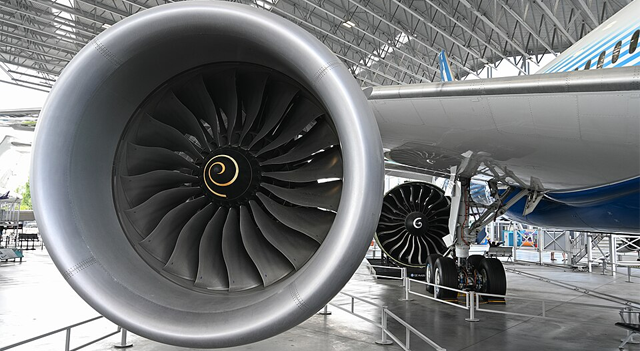
    Rolls-Royce (LSE:RR.) has revised its full-year profit expectations upward following a robust first half marked by a nearly £1 billion increase in revenue. The engineering giant, listed on the FTSE 100, continues to benefit from its ongoing transformation efforts.

    For the six months ending in June, Rolls-Royce reported an underlying pre-tax profit of £1.68 billion, significantly higher than the £1.03 billion recorded during the same period in 2024. The company, headquartered in Derby, also posted a 50% rise in underlying operating profit, which grew from £1.14 billion to £1.73 billion.

    According to statutory metrics, revenue climbed to £9.49 billion from £8.86 billion, operating profit rose from £1.64 billion to £2.07 billion, and pre-tax profit soared from £1.41 billion to £4.84 billion. Underlying revenue for the period reached £9.05 billion, up from £8.18 billion a year ago.

    On the back of this strong performance, Rolls-Royce updated its 2025 outlook, projecting an underlying operating profit between £3.1 billion and £3.2 billion, and free cash flow of £3 billion to £3.1 billion.

    Navigating Global Headwinds

    Despite ongoing issues with supply chains and tariff impacts, the company credited its multi-year overhaul for driving improved performance.

    “Our multi-year transformation continues to deliver,” said CEO Tufan Erginbilgic. “Our actions led to strong first half year results, despite the challenges of the supply chain and tariffs. We are continuing to expand the earnings and cash potential of Rolls-Royce. We delivered continued strong operational and strategic progress in the first half of 2025. In civil aerospace, we achieved significant time on wing milestones and delivered improved aftermarket profitability. In power systems, where we now see further growth potential, we continued to capture profitable growth across data centres and governmental.”

    The company characterized the start of 2025 as a period of “strong strategic delivery,” noting marked improvement in key financial metrics compared to the prior year.

    “The first half of 2025 has been another period of strong strategic delivery, with significant year on year improvement across all key financial metrics. Driving this improvement were our strategic initiatives, including commercial optimisation and cost efficiency benefits. Strong financial performance was achieved despite an uncertain external environment, including continued supply chain challenges and tariffs. We expect to fully offset the impact of the announced tariffs through the mitigating actions we are taking. We are closely monitoring the potential indirect impact on economic growth, foreign exchange rates, and inflation and we will continue to take the necessary actions. We have seen some improvement in the supply chain, notably the availability of finished parts, helped by our actions, although we continue to see inflationary pressure in product costs,” Rolls-Royce stated.

    Record Share Price and Return of Dividends

    The company’s share price surpassed the £10 threshold for the first time in July, marking a dramatic recovery from its pandemic-era lows. Since September 2024, the stock has more than doubled in value, shrugging off dips such as the one following tariff announcements by former U.S. President Donald Trump in April.

    In a major development for its energy business, Rolls-Royce SMR—its small modular reactor joint venture with Czech energy firm CEZ—won the UK government’s Great British Nuclear (GBN) competition. The group will now construct three units domestically, a move expected to “generate employment, boost the supply chain and generate economic growth, including through the capture of significant export opportunities.” CEO Erginbilgic has said he expects this segment to be profitable and cash flow positive by the end of the decade.

    Earlier in the year, the company reinstated its dividend and announced a £1 billion share buyback scheme after beating full-year expectations. Investors were offered a 6 pence per share dividend—the first since before the Covid-19 crisis—and the buyback is scheduled to run through the end of 2025.

    Rolls-Royce finished 2024 with an underlying profit of £2.5 billion, comfortably exceeding forecasts of £2.1 billion to £2.3 billion. Revenue came in at £17.8 billion, also ahead of analysts’ expectations of £17.3 billion.

    This content is for informational purposes only and does not constitute financial, investment, or other professional advice. It should not be considered a recommendation to buy or sell any securities or financial instruments. All investments involve risk, including the potential loss of principal. Past performance is not indicative of future results. You should conduct your own research and consult with a qualified financial advisor before making any investment decisions.