Big Yellow Group (LSE:BYG) delivered steady progress in the quarter to 31 December 2025, with total revenue rising 2% to £52.3 million and year-to-date growth also running at 2%. Performance was underpinned by stronger pricing, as net achieved rent per square foot increased by around 3–4%, offsetting a small seasonal dip in occupancy levels.
Closing occupancy eased to 75.4%, reflecting normal winter weakness and the impact of newly added space, but the fall in occupied area was materially smaller than seen a year earlier. On a like-for-like basis, occupancy improved quarter on quarter, supported by firmer demand from both household and business customers, with business occupancy returning to growth. Cost discipline remained evident, with like-for-like operating expenses slightly lower year to date, although management plans to reinvest some of these savings into digital marketing initiatives. For the full year, the group is guiding to adjusted EPS growth of about 2%, noting that the comparison is held back by the absence of a £4 million insurance gain booked in the prior year.
Expansion remains a key theme, with two recently opened London stores trading well and a further two sites scheduled to open before the end of the financial year. Planning consent has now been secured for most of the company’s 13-site development pipeline. Big Yellow continues to operate with a conservative balance sheet, largely funded by variable-rate debt, which management believes leaves the group well positioned to benefit from potential interest-rate cuts and future consolidation opportunities within the self-storage sector.
More about Big Yellow Group
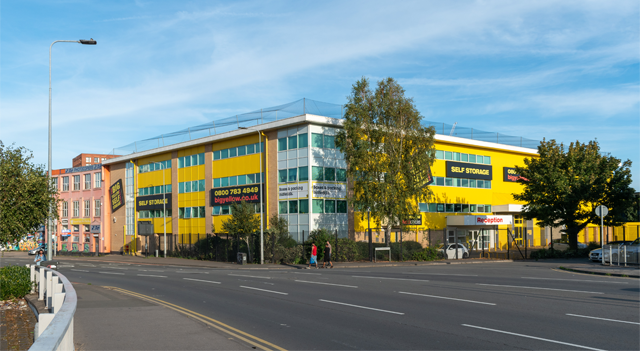
Big Yellow Group is the UK’s leading self-storage brand, operating 111 stores with a maximum lettable area of around 6.6 million square feet. The company has a development pipeline of approximately 0.9 million square feet across 13 proposed sites and focuses on prominent, accessible locations, particularly in London and surrounding commuter areas, which account for roughly three-quarters of revenue. Its estate is predominantly freehold or long leasehold, and the group emphasises technology-enabled operations, strong customer service, engaged staff and sustainability.
Leave a Reply