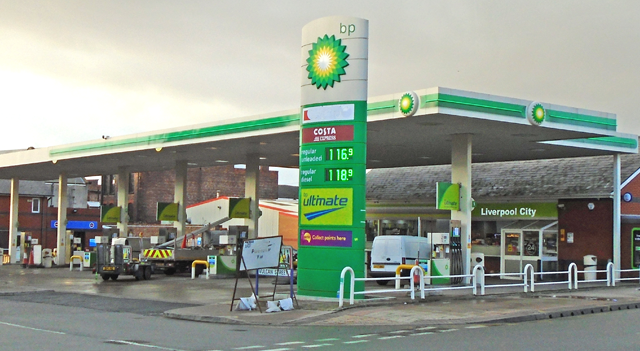
BP Plc (LSE:BP.) saw its shares fall more than 4% after reporting a fourth-quarter loss of $3.4bn and announcing the suspension of its share buyback programme, marking a significant shift in capital allocation strategy. The result compares with a $1.2bn profit in the previous quarter and was driven by $4.3bn of adjusting items, largely impairments across the group’s gas and low-carbon businesses.
Underlying replacement cost profit, BP’s preferred earnings metric excluding one-off items, declined to $1.5bn from $2.2bn in the third quarter and came in below market expectations. For the full year 2025, underlying profit fell to $7.5bn from $8.9bn in 2024, reflecting a weaker oil price environment, a less favourable upstream mix and lower refinery throughput due to increased maintenance activity.
The group also took sizeable writedowns across its renewables portfolio, with impairments linked to solar, biogas and offshore wind assets contributing to total charges of more than $5bn for the year. These losses have added pressure on interim chief executive Carol Howle, who is moving to re-prioritise cash flow generation and balance-sheet repair ahead of incoming CEO Meg O’Neill’s arrival in April.
Howle said BP is taking “decisive action” to strengthen the business, pointing to the execution of a $20bn asset disposal programme and the decision to halt buybacks. Going forward, all surplus cash will be directed toward debt reduction, replacing earlier guidance that 30–40% of operating cash flow would be returned to shareholders. Net debt stood at around $22bn at year-end, supported by more than $3bn of divestment proceeds during the quarter.
Progress on portfolio simplification continued, with expected proceeds from completed and announced disposals now exceeding $11bn. A key transaction is the planned $6bn sale of a 65% stake in Castrol, after which BP will retain a 35% holding.
Operationally, the company reported record upstream plant reliability of 96.1% for 2025 and completed seven major projects during the year. Fourth-quarter upstream production averaged 2.34 million barrels of oil equivalent per day, slightly below the prior quarter but helped by a higher proportion of oil-weighted output. BP also highlighted encouraging exploration momentum, including the Bumerangue discovery offshore Brazil.
Despite the quarterly loss and buyback suspension, BP maintained its dividend at 8.32 cents per share and reaffirmed its commitment to annual dividend growth of at least 4%. Capital expenditure for 2026 will be set at the lower end of the $13–13.5bn guidance range, while the company increased its structural cost-reduction target to $5.5–6.5bn by the end of 2027.
Analysts acknowledged the strategic reset but cautioned that the move could leave BP lagging peers that continue to return higher levels of cash to shareholders. RBC Capital Markets reiterated its “sector perform” rating, describing the buyback suspension as appropriate given the balance-sheet position, while noting that BP now offers a materially lower distribution yield relative to competitors.
Leave a Reply