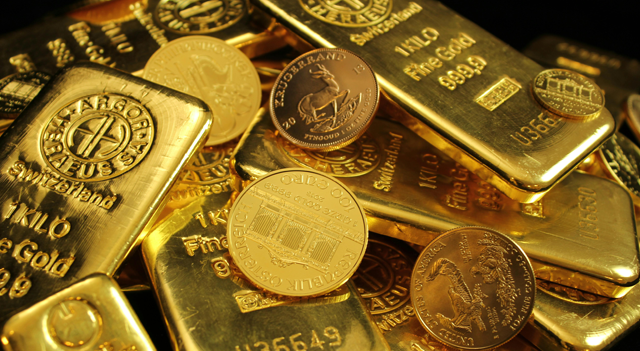
Gold prices moved higher in Asian trading on Thursday, rebounding from a one-month low, though the recovery remained modest as investors weighed escalating U.S.-Iran tensions alongside a more hawkish Federal Reserve outlook.
Even with the uptick, bullion has stayed under pressure through April, as safe-haven demand has been overshadowed by a stronger U.S. dollar and rising concerns that the Iran conflict could stoke inflation.
Spot gold gained 0.5% to $4,564.12 per ounce, while gold futures rose 0.3% to $4,575.66/oz as of 02:12 ET (06:12 GMT).
Other precious metals also recovered from recent declines. Spot silver climbed 1.2% to $72.2485/oz, while spot platinum advanced 2% to $1,918/oz.
Gold retreats after Fed highlights tighter policy stance
Gold had dropped sharply overnight after the Federal Reserve left interest rates unchanged on Wednesday. However, the meeting underscored growing divisions among policymakers over the central bank’s easing bias.
Three members of the Fed’s rate-setting committee pushed back against the dovish stance, citing heightened inflation risks and uncertainty linked to the Iran conflict.
That shift prompted traders to further scale back expectations for rate cuts in 2026. The dollar strengthened on Thursday, extending gains from earlier in the week.
Wednesday’s meeting was also the final one chaired by Jerome Powell, who said he will step down from the role but remain on the Fed’s board as a governor.
Kevin Warsh, widely seen as his likely successor, is expected to be confirmed in the coming weeks. He previously told Congress that he has made no commitments to lower interest rates.
Persistently high rates tend to weigh on non-yielding assets like gold, as they raise the opportunity cost of holding bullion compared to interest-bearing investments.
Beyond the Fed, the Bank of England and the European Central Bank are both scheduled to announce policy decisions later on Thursday.
Oil surge intensifies inflation concerns
Precious metals markets continued to face pressure from rising oil prices, with Brent crude climbing to a four-year high on Thursday.
The move followed reports that Donald Trump is set to receive a briefing on additional military options against Iran, including potential direct strikes, a forced partial reopening of the Strait of Hormuz, and even a special forces operation targeting Iran’s uranium reserves.
The rally in oil has heightened concerns that energy-driven inflation could push major central banks toward a more hawkish stance. This dynamic has weighed on gold since the escalation of the Iran conflict in late February.
Leave a Reply