Shoe Zone (LSE:SHOE) reported a difficult first half, with revenue declining 12% to £62.9 million as weaker consumer confidence, store closures, and softer online demand weighed on performance. The retailer moved to a pre-tax loss of £5.3 million during the period, prompting management to lower its full-year outlook and suspend the interim dividend.
In response to the weaker trading environment, the company is accelerating its transition toward larger-format stores while tightening capital expenditure and reducing the footprint of its distribution operations. Despite the challenging conditions, Shoe Zone ended the period with a net cash position of £7.5 million, maintaining financial flexibility amid ongoing macroeconomic and geopolitical uncertainty.
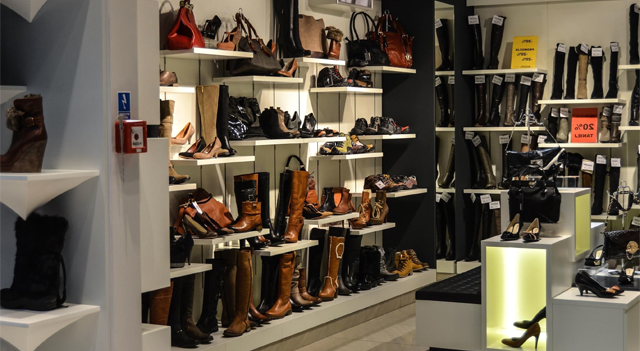
Operationally, the group closed 14 stores and opened four larger-format locations, increasing the number of refitted stores within its estate to 206. The company has also reduced average lease durations to 2.3 years in an effort to preserve operational flexibility.
Alongside store portfolio changes, Shoe Zone continues to invest in digital initiatives, including the rollout of a new mobile app and expansion through TikTok Shop. Management cautioned, however, that higher transport costs, weaker sterling, and elevated fuel prices are expected to place further pressure on margins, despite improvements in product margins and lower inventory levels aimed at matching softer customer demand.
The company’s outlook remains constrained by deteriorating profitability and a strongly bearish technical picture, with the shares trading below key moving averages and showing negative MACD momentum. These pressures are partly balanced by comparatively stable cash generation and a moderate valuation based on earnings metrics.
More About Shoe Zone
Shoe Zone PLC is a UK footwear retailer operating a nationwide chain of value-focused stores alongside an expanding digital business. The company sells affordable footwear through 259 retail outlets, with an increasing emphasis on larger-format stores, while also growing its online presence through proprietary e-commerce platforms and third-party marketplace partnerships targeting price-conscious consumers.
Leave a Reply