Central Banks Shift Focus Back to Inflation
Barclays believes a growing number of major central banks are becoming more focused on controlling inflation, a development that could reduce one of the key drivers behind the strong performance of global equity markets in recent years.
The change comes after a series of policy decisions from leading central banks, many of which cited inflation risks linked to higher energy costs following the Iran conflict and disruptions to shipping through the Strait of Hormuz.
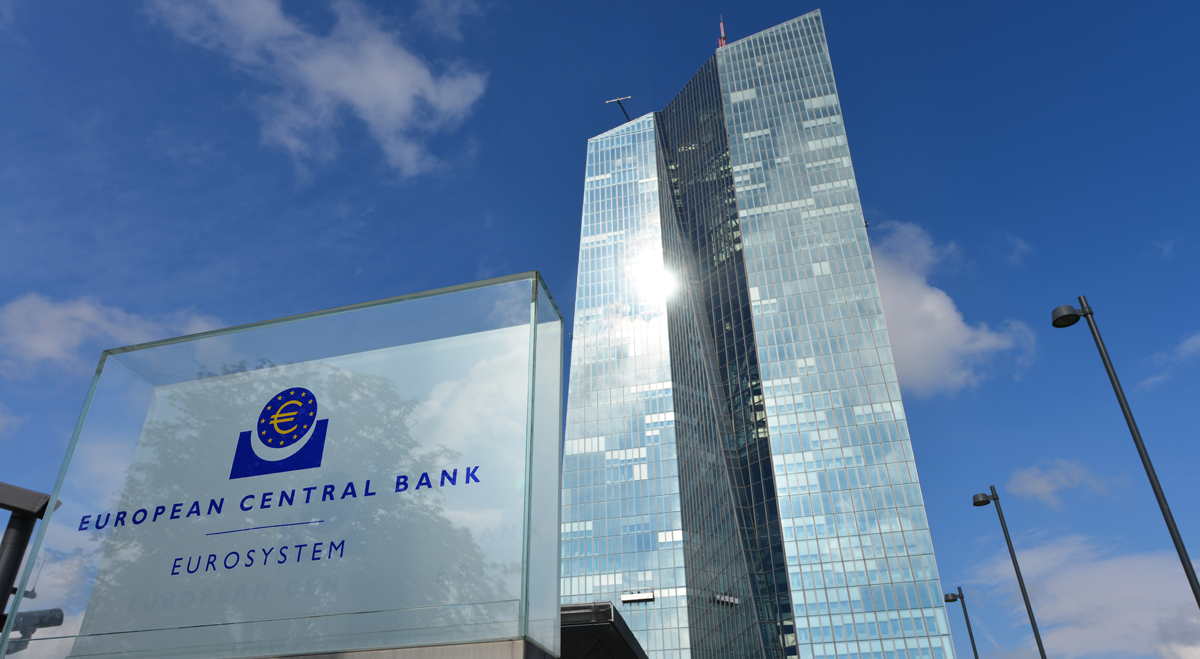
The European Central Bank delivered its first interest-rate increase since 2023, while the Bank of Japan raised borrowing costs to their highest level since 1995. Both institutions pointed to concerns that energy-related price pressures could spread across broader areas of the economy.
Federal Reserve Adopts a Firmer Tone
Although the Federal Reserve left interest rates unchanged this week, policymakers signalled a more hawkish stance than markets had expected.
Nine Fed officials now anticipate at least one additional rate increase before year-end, compared with none in the central bank’s March projections. Investors also focused on the wording of the Fed’s latest statement under Chair Kevin Warsh, which emphasised the goal of achieving “price stability” while omitting references to maximum employment.
The Bank of England also kept rates on hold, but Barclays noted that the voting split continued to reflect a hawkish bias despite softer inflation and labour market data.
Liquidity Could Become a Headwind for Stocks
Barclays strategist Emmanuel Cau and his team said recent developments represent “a clear shift in the global monetary policy backdrop.”
They argued: “After a prolonged period of synchronized rate cuts across the Western world, the tailwind from monetary policy easing is behind us. At the same time, uncertainty around the reaction function of central banks, particularly the balance between growth and inflation risks, may contribute to higher bond market volatility.”
The analysts cautioned that a more aggressive Federal Reserve could eventually begin to undermine one of the main supports for equity markets.
According to Barclays, if the Fed were to move “more decisively” toward fighting inflation and enter another tightening cycle, “it would start to squeeze liquidity and weaken a key pillar of support that has underpinned bullish equity market returns over the past two years.”
While the bank stressed that this is not its “base case,” it remains “a risk to monitor.”
U.S.-Iran Agreement Offers Some Relief
Despite concerns over monetary policy, Barclays highlighted the positive impact of the interim peace agreement between the United States and Iran.
The analysts described the deal as “a welcome relief” for investors, noting that lower geopolitical risks have contributed to falling oil prices and eased some inflation concerns.
Markets are now closely watching the reopening of the Strait of Hormuz, through which around one-fifth of global oil and liquefied natural gas shipments passed before the conflict. Although shipping activity has started to recover, some strategists believe it could take time before traffic returns to pre-war levels.
Europe May Be Positioned to Benefit
Barclays sees improving opportunities in Europe as macroeconomic conditions potentially strengthen during the second half of the year.
The analysts said: “From a regional perspective, the potentially better macro outlook for [the second half] should be supportive of [year-to-date] laggards such as Europe, leading us [to] close our underweight on the region, particularly with positioning still skewed toward a tech/semis-heavy United States.”
They also highlighted potential opportunities within consumer-focused sectors. “At the sector level, as lower oil prices boost consumer confidence from the lows, the risk-reward for some consumer cyclicals, most notably for luxury, should improve even after their recent short squeeze led bounce,” the Barclays analysts said.
Leave a Reply