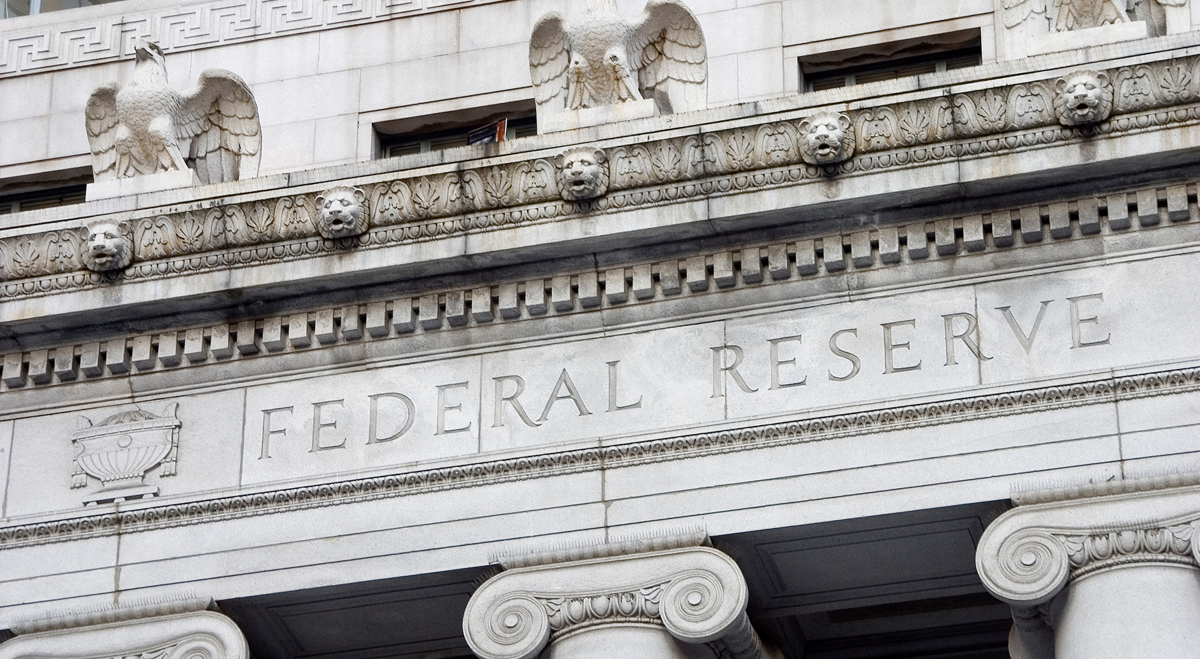
The Federal Reserve could deliver two quarter-point interest-rate increases before the end of 2026, according to UBS analysts, who revised their expectations following comments from Fed Chair Kevin Warsh and recent U.S. labour-market data.
UBS analysts including Jonathan Pingle and Abigail Watt interpreted Warsh’s Jackson Hole remarks as supporting further monetary policy tightening.
During the event, Warsh said policymakers “must be confident” that underlying inflation is declining towards the central bank’s 2% objective “clearly and at sufficient speed.” If that condition is not met, he said, “we have work to do.” Warsh also emphasised that interest rates are the Fed’s main monetary policy tool.
“[Warsh] threw down the gauntlet. Now, with his credibility on the line, we expect he has little choice but to put his monetary policy where his mouth is,” the UBS analysts said.
September Increase Remains a Close Call for UBS
UBS now forecasts a 25-basis-point rate increase at the Fed’s September meeting, followed by another quarter-point increase in December.
The analysts cautioned that the forecast is “not high conviction” and could change in response to economic data.
In particular, they said an August consumer price index reading below expectations this week could “undo this assessment.”
Market pricing currently indicates a roughly 60% probability that the Fed will increase rates by 25 basis points this month.
Those expectations have also been supported by U.S. employment figures released last week, which showed the economy added substantially more jobs than forecast during August. A resilient employment environment can contribute to the case for raising rates, although higher borrowing costs can also weigh on subsequent job growth.
Warsh Comments and Market Pricing Expected to Shape Decision
UBS said several factors could influence the outcome of the September meeting beyond the latest economic releases.
“We see the September decision as a close call. That is partly because we expect […] Warsh to weigh the principles he laid out alongside market pricing, his assessment of how rates have moved in between meetings, and the views and argument of his colleagues,” the UBS analysts said.
The bank’s forecast therefore remains conditional on incoming inflation data as well as Warsh’s assessment of financial conditions, market expectations and the positions of other Fed policymakers.
Leave a Reply