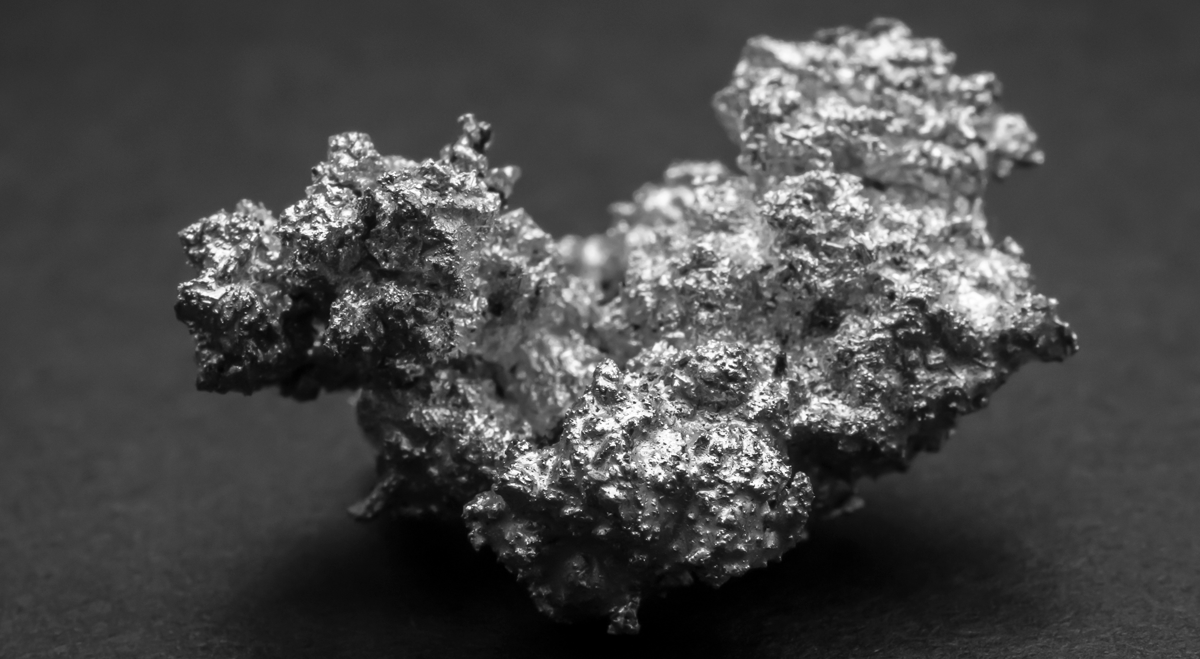
UBS has revised its palladium price forecasts upwards for the final months of 2026 and the first half of 2027, pointing to a tighter physical market as mine production declines and automotive demand proves more resilient than expected.
The bank increased its December 2026 and March 2027 projections by $200 per ounce each. Its June 2027 estimate was raised by $100 per ounce.
UBS did not disclose the revised absolute price targets in the information provided and continues to take a cautious view of palladium’s longer-term demand prospects.
Slower Vehicle Transition Supports Consumption
Palladium prices have exceeded the bank’s previous expectations as the decline in global consumption has been less pronounced than anticipated.
Worldwide demand decreased only slightly in 2025 and is forecast to remain broadly unchanged in 2026.
One factor supporting consumption is the slower transition away from internal combustion engines.
Hybrid vehicles continue to gain adoption in markets where gasoline-powered cars account for a substantial share of the fleet, including the United States, Brazil and parts of Asia.
Many hybrid vehicles still require catalytic converters, which use palladium to reduce harmful exhaust emissions.
The metal’s widening price discount relative to platinum has also made it more economical for manufacturers to substitute palladium for platinum in certain catalytic converter applications.
These developments have helped sustain near-term demand despite the broader shift towards electric vehicles.
UBS nevertheless expects palladium consumption to weaken over the longer term as vehicle electrification progresses and production of internal combustion-engine models declines.
Russian and South African Output Constrains Supply
The bank’s revised forecasts also reflect weaker primary supply.
Global palladium mine production contracted in 2025 and is expected to decline again in 2026.
In Russia, falling ore grades are affecting output. South African producers, meanwhile, continue to focus on capital discipline rather than expanding production volumes.
Recycling is providing an increasing contribution to supply, but UBS expects the additional recovered material to offset only part of the reduction in mine production.
With global demand forecast to remain relatively stable this year, the decline in primary output is contributing to tighter physical market conditions.
UBS considers these supply constraints likely to limit further downside in palladium prices during 2026.
The bank’s higher near-term forecasts therefore reflect current supply and demand conditions rather than a change in its longer-term assessment, which remains affected by the expected decline in combustion-engine vehicle production.
Leave a Reply