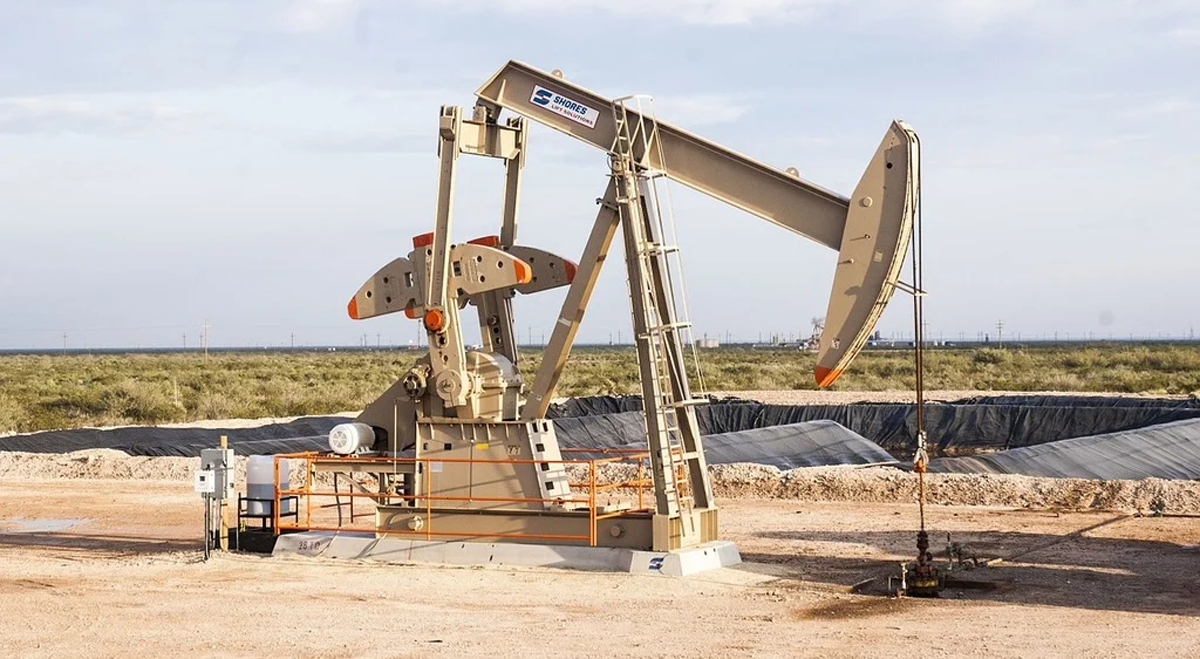
Touchstone Exploration Inc. (LSE:TXP) has reported encouraging initial natural gas test results from its Carapal Ridge-3 well in Trinidad and Tobago, alongside the successful start of oil production from the first well in its WD-4 development drilling programme.
The company recorded average natural gas test rates of approximately 5.0 million and 6.8 million cubic feet per day (MMcf/d) at different choke settings from the Karamat reservoir at Carapal Ridge-3 (CR-3).
Meanwhile, the PS-623 well at WD-4 entered production at an initial estimated rate of 387 barrels of oil per day (bbls/d) during its first 24 hours.
Touchstone cautioned that these preliminary results do not represent stabilised production rates and that further testing will be required to determine long-term well performance.
The company also reported improved operational reliability at its Cascadura gas field and outlined additional well optimisation activities planned before the end of 2026.
Carapal Ridge-3 Delivers Initial Gas Test Rates of Up to 6.8 MMcf/d
Touchstone completed the Karamat reservoir interval at its CR-3 well on the Central block during October 2026.
The completion programme involved installing a retrievable bridge plug above the Herrera reservoir and perforating 62 feet of the Karamat formation at depths between 6,540 and 6,619 feet.
Cleanup and flow testing commenced on 19 October.
During initial cleanup operations, the well produced approximately 7.7 MMcf/d of natural gas at a flowing wellhead pressure of 650 pounds per square inch (psi), using a 70% open choke.
Following cleanup, shut-in wellhead tubing pressure increased to approximately 2,600 psi.
The company subsequently conducted extended testing over four days at different choke settings.
CR-3 recorded an average natural gas flow rate of approximately 5.0 MMcf/d at a flowing wellhead pressure of 500 psi on a 60% open choke.
At an 80% open choke, the well produced an average of approximately 6.8 MMcf/d at a flowing wellhead pressure of 400 psi.
Touchstone reported minimal condensate production and said no formation water had been observed during testing.
The well is connected to the Central block gas processing facility, allowing gas to be exported for sale through the Atlantic LNG facility under the existing Train 4 sales agreement.
Further flow and pressure build-up testing is continuing, supported by downhole pressure recorders.
The company emphasised that the reported flow rates were recorded under testing conditions and should not be regarded as representative of sustained commercial production.
Karamat Reservoir Could Provide Additional Development Opportunities
CR-3 is Touchstone’s first well targeting the Karamat reservoir within the Central block.
The formation is also present across wells in the Carapal, Baraka and Baraka East fields.
The company said the preliminary CR-3 results could indicate an additional natural gas development opportunity alongside its existing Herrera reservoir programme.
Further geological and engineering assessments will be required to determine whether the Karamat interval offers commercially viable production opportunities elsewhere in the block.
Touchstone stressed that the CR-3 test results do not establish comparable reservoir quality or production potential at other locations.
The company will continue evaluating reservoir performance, production decline characteristics and the potential contribution of the Karamat formation to its wider Central block operations.
The availability of existing gas processing infrastructure could provide an opportunity to accommodate additional production if further development proves commercially viable.
WD-4 Well Begins Oil Production at Initial Rate of 387 Barrels Per Day
Touchstone has also completed drilling and brought its PS-623 development well into production at the WD-4 block.
The well was spudded on 19 September 2026 and reached a total depth of 6,500 feet on 4 October.
Interpretation of wireline logs identified approximately 450 feet of potential net hydrocarbon pay across intervals between 3,326 and 6,250 feet.
Following drilling, the well was completed across a 40-foot interval in the Cruse formation.
PS-623 subsequently entered production at a field-estimated initial flush rate of approximately 387 barrels of crude oil per day during its first 24 hours.
The well recorded a water cut of approximately 1%, with production flowing through a 6/32-inch choke at a wellhead pressure of 1,040 psi.
Touchstone cautioned that initial flush production rates typically decline as wells continue operating.
The company will monitor PS-623 to establish a more representative production decline curve and determine its stabilised output.
Second WD-4 Development Well Expected to Spud Shortly
Following completion of PS-623, Touchstone has mobilised its drilling rig to the second location in the WD-4 development programme.
The company expects drilling of the second well to commence shortly.
The two-well campaign is intended to advance development of the WD-4 field and provide additional production opportunities.
Touchstone previously announced that the drilling contractor would cover the turnkey drilling costs associated with the second well.
This arrangement reduces the company’s direct capital exposure while allowing development activities to continue.
Results from the second well will provide further information on the production potential of the WD-4 block.
Cascadura Compressor Reliability Improves to 98%
Touchstone reported improved operating performance at its Cascadura field on the Ortoire block following earlier troubleshooting of its booster compressor.
Compressor uptime availability reached approximately 98% during September 2026.
The improvement supported higher average gross natural gas production across the field.
Average gross gas output increased from approximately 9.7 MMcf/d in July to 12.5 MMcf/d in August, before reaching 13.0 MMcf/d in September.
The company said improved compressor reliability had established a more stable operating platform for further production optimisation.
The stronger operating performance is expected to support ongoing efforts to improve output from existing Cascadura wells.
Three Cascadura Workovers Planned Before Year-End
Touchstone intends to undertake three production optimisation workovers at Cascadura before the end of 2026.
The programme includes a coiled tubing cleanout at Cascadura-3ST1, designed to improve well performance.
At Cascadura-5, the company plans to recomplete an oil-producing interval.
A further workover is planned at Cascadura Deep-1 to enable production from two previously producing Herrera reservoir zones.
The Cascadura Deep-1 operation involves removing a plug that currently isolates the lower Herrera interval.
That interval previously produced between September 2023 and June 2024 before being isolated to allow production from the upper Herrera zone.
The proposed workover is intended to allow both intervals to produce simultaneously.
Touchstone said the planned activities are designed to improve productivity, access additional producing intervals and optimise production from existing infrastructure.
Actual production improvements will depend on the outcome of the individual workovers.
Baraka-1 Workover to Assess Deeper Herrera Reservoir
Touchstone is also planning a workover at the Baraka-1 well within the Central block.
The operation will evaluate a lower interval of the Herrera reservoir that was previously tested by an earlier operator.
During a three-day test, the interval recorded gross peak production rates of approximately 270 barrels of oil per day and 1.3 MMcf/d of natural gas.
Touchstone intends to reassess the interval to determine its current production potential.
The proposed workover forms part of the company’s broader efforts to evaluate additional hydrocarbon opportunities within its existing acreage.
The historical test results provide an indication of previous reservoir performance but do not establish the well’s current or future production capacity.
Third-Quarter Production Averages 4,485 Boe/d
Touchstone reported average sales volumes of 4,485 barrels of oil equivalent per day (boe/d) during the third quarter of 2026.
The total comprised approximately 19.4 MMcf/d of natural gas and 1,259 barrels per day of crude oil and liquids.
The company continues to focus on improving production reliability and bringing additional wells into operation across its Trinidad and Tobago assets.
The improved performance at Cascadura, together with the initial results from CR-3 and PS-623, provides further information for management as it assesses future production opportunities.
However, Touchstone has not provided updated consolidated production guidance or quantified the expected sustained contribution from the newly tested wells.
Chief Executive Highlights Encouraging Early Results
Touchstone President and Chief Executive Officer Paul R. Baay welcomed the initial results from the company’s recent drilling and completion activities while emphasising the need for further production data.
“It is encouraging to see the early test results from both the CR-3 and PS-623 wells, but it will take some time before we can better assess production decline behaviour and stabilized production rates from the wells. While it remains early days, the initial CR-3 well results may indicate an additional natural gas opportunity for us in the region that could help utilize available processing capacity at the Central block. We will provide updates as appropriate during ongoing testing and production.”
The company will continue monitoring both wells as additional production information becomes available.
Touchstone Exploration Outlook
Touchstone’s near-term operational priorities include completing further testing at CR-3, monitoring initial oil production from PS-623 and commencing drilling of the second WD-4 development well.
The company will also focus on maintaining improved compressor reliability at Cascadura and executing its planned production optimisation workovers before the end of 2026.
At the Central block, the proposed Baraka-1 workover and continued evaluation of the Karamat reservoir could identify additional development opportunities.
The initial CR-3 gas flows and PS-623 oil production provide encouraging operational results, although neither well has yet established a stabilised long-term production rate.
Further testing and production history will be necessary to assess sustainable output, decline rates and the commercial potential of additional development.
Touchstone’s ongoing programme is aimed at improving production from existing assets while evaluating opportunities to expand oil and natural gas output across its Trinidad and Tobago portfolio.
Leave a Reply