Cadence Minerals plc (LSE:KDNC) has announced the completion of hot commissioning at the Azteca processing plant within its Amapá Iron Ore Project in Brazil, finishing the programme in 30 days against a 45-day period authorised by environmental regulators.
Project operator DEV Mineração S.A. (DEV) submitted the required commissioning and compliance reports to the Amapá State Environmental Secretariat (SEMA/AP) on 29 October 2026, completing the requested documentation for the plant’s Operating Licence application.
The licence remains pending, with commercial production and shipments dependent on regulatory approval and the fulfilment of associated conditions.
Azteca Plant Processes 6,200 Tonnes During Commissioning
Hot commissioning took place between 23 September and 23 October 2026, involving initial water-only testing followed by processing trials using iron ore feed.
DEV assessed 164 operational items during the programme, making adjustments and repairs where necessary.
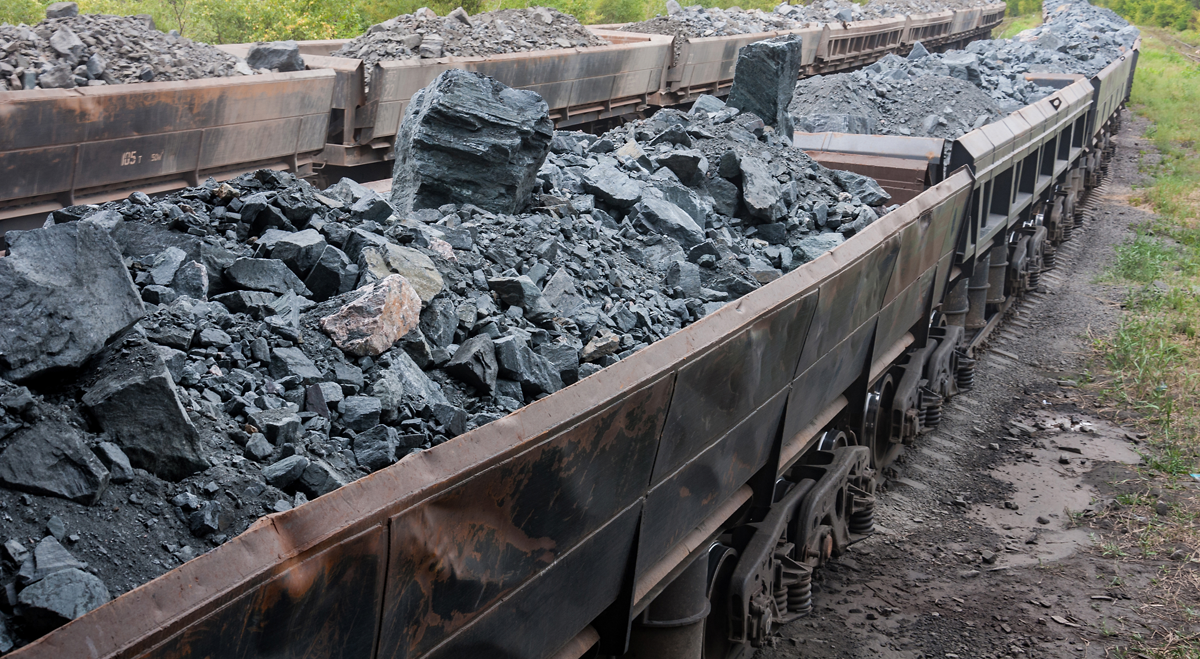
The plant processed approximately 6,200 wet tonnes of feed, equivalent to around 5,700 dry tonnes, and produced approximately 2,800 wet tonnes of concentrate, or 2,600 dry tonnes.
This represented a mass recovery rate of approximately 45%, measuring the proportion of processed material recovered as concentrate by weight rather than its iron content.
Over approximately 160 operating hours, the plant achieved an average feed rate of 40 wet tonnes per hour, equivalent to roughly one-third of its estimated operational capacity of 110 tonnes per hour.
The throughput was within the planned commissioning range of 25% to 50% of capacity.
Water supply leaks and a failed pump motor caused approximately five days of disruption during testing. Both issues have since been resolved.
The plant has entered a planned maintenance period following completion of the authorised commissioning programme.
Lower-Grade Feed Used to Accelerate Licensing Process
Cadence explained that commissioning was conducted using accessible material expected to contain less iron than the feed intended for commercial production.
DEV elected to proceed with this material rather than delay commissioning until access to the higher-grade mining area had been established.
The approach enabled the operator to complete testing and submit the documentation required for the Operating Licence application.
Previous metallurgical testwork announced in July 2026 demonstrated that the plant’s magnetic separation and gravity spiral processing system could produce concentrate grading approximately 65% iron from feed containing around 48% iron.
That testwork achieved mass recovery of approximately 53% and iron recovery of 72.8%.
Management expects operating performance to move towards those results when design-grade feed becomes available, although this has not yet been demonstrated during commercial operations.
The iron grade of concentrate produced during the latest commissioning programme remains unknown pending laboratory assays.
Metallurgical Testing and Plant Optimisation Underway
Samples of commissioning feed and concentrate have been sent to an accredited laboratory in Belo Horizonte for analysis.
The testing programme also includes control samples from designated areas of Dykes 3 and 4.
Cadence has brought forward optimisation studies examining higher-intensity magnetic separation to determine whether iron recovery and mass recovery could be improved.
The work forms part of an optimisation programme funded through the company’s September 2026 fundraising.
Initial results are expected within four to six weeks.
Any future modifications to the processing plant would follow a period of commercial operation, with the potential performance benefits and associated investment requirements still to be established.
On-Site Laboratory Expected by End of November
DEV has approved funding for an on-site X-ray fluorescence (XRF) laboratory, which is expected to become operational by the end of November 2026.
The facility will allow iron grades in feed material and finished concentrate to be measured within hours rather than relying on external laboratory turnaround times.
This capability is intended to support more frequent adjustments to feed selection and processing settings during operations.
The operator has also approved an additional dewatering screen designed to reduce concentrate moisture levels and associated transport costs.
Installation timing for the equipment will be confirmed following the award of the relevant contract.
Both investments are being financed through the optimisation funding allocation established in September.
Operating Licence Application Awaiting Regulatory Approval
The reports submitted to SEMA/AP on 29 October included evidence relating to dam instrumentation maintenance, slope repairs, erosion control, environmental monitoring and dam stability.
Cadence confirmed that these filings complete the submissions requested by the regulator for the Azteca plant’s Operating Licence application.
The application covers the Azteca processing facility only and does not constitute approval for the wider Amapá redevelopment.
Concentrate produced during commissioning is currently stored on site and cannot be sold or dispatched until the Operating Licence is granted.
Chief Executive Officer Kiran Morzaria said the commissioning programme had demonstrated the plant’s ability to operate, although product quality still needed to be established.
“We ran on the feed we could reach rather than wait for access to the higher-grade material, so we could file for the Operating Licence sooner,” Morzaria said.
He added that optimisation work had begun earlier than initially planned and that the company was using the regulatory review period to advance operational preparations.
Bridge Refurbishment and Logistics Preparations Continue
DEV is progressing infrastructure work required to support the transportation of concentrate once commercial operations begin.
As of 30 October 2026, contractors had completed approximately one-third of the timber deck refurbishment at the Pedra Branca do Amapari bridge.
The bridge’s walkway and fencing had also been completed, while the structure remained operational under temporary controls.
Completion of the refurbishment is targeted before the first road haulage of concentrate.
DEV is also finalising haulage, port handling and other commercial logistics arrangements.
Access works to the higher-grade feed area are planned following receipt of the Operating Licence.
Annual Production Target of 380,000 Tonnes Maintained
Cadence reiterated its production target of approximately 380,000 tonnes per year of concentrate grading around 65% iron from the Azteca facility.
The target assumes the availability of design-grade feed and successful operation of the processing plant at the required performance levels.
The company continues to aim for the commencement of commercial production and an initial shipment before the end of 2026.
However, the timetable remains dependent on regulatory approval, access to suitable feed material, plant performance and logistics readiness.
Beyond the Azteca operation, preparations are continuing for a Definitive Feasibility Study on the larger Amapá redevelopment, which is planned to begin in 2027.
The wider project contains a JORC-compliant mineral resource of 276.2 million tonnes grading 38% iron and proven and probable ore reserves of 195.8 million tonnes grading 39.34% iron.
Cadence holds a 36.2% interest in Pedra Branca Alliance Pte Ltd, which owns DEV and the Amapá Project.
Outlook
Completion of Azteca’s hot commissioning represents a further operational milestone for Cadence Minerals, with the plant having undergone testing within the authorised regulatory period.
The immediate priority is obtaining the Operating Licence, followed by access to higher-grade feed, completion of transport infrastructure and preparations for commercial production.
Pending laboratory assays and optimisation results will provide additional information on concentrate quality and potential processing improvements.
Although the company continues to target its first commercial shipment before the end of 2026, that objective remains conditional on regulatory approval and operational readiness.
Leave a Reply