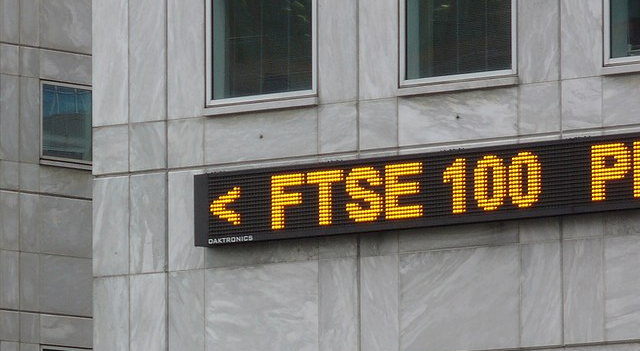
FTSE 100 and other European markets opened lower on Thursday after ending the previous session in positive territory, as investors continued to monitor escalating tensions in the Middle East and assessed the latest batch of corporate earnings.
By 08:23 GMT, the FTSE 100 had declined 0.3%. The British pound also weakened, with GBP/USD falling 0.4% to 1.3323 against the dollar. Across Europe, Germany’s DAX dropped 0.5%, while France’s CAC 40 also slipped 0.5%.
Analysts at Jefferies said they continue to believe the conflict could persist for two to three weeks, based on missile stockpile estimates and the strategic objectives of the United States and Israel.
According to the firm, the immediate military priorities include disabling Iran’s missile-launch capabilities to protect U.S. bases and regional allies, as well as weakening Iranian naval assets to ensure safe passage through the Strait of Hormuz.
Jefferies added that it expects to fade some of the recent market reactions. In interest-rate markets, the firm considers the recent repricing at the front end of yield curves in Europe and the UK to be unjustified and sees value in buying short-dated rates in both regions.
The bank said it still believes the European Central Bank is more likely to cut interest rates than raise them this year, although its base case remains unchanged policy. Markets are currently pricing in a rate increase by the first quarter of 2027, which Jefferies argues is unlikely. In the UK, the firm disagrees with the recent sell-off at the front end of the curve and continues to project a terminal interest rate of around 3%.
UK corporate roundup
Reckitt Benckiser Group plc (LSE:RKT) reported fourth-quarter like-for-like sales growth ahead of expectations, supported by strong demand in emerging markets. The company said group like-for-like net revenue increased 5.4% in the quarter ended 31 December, exceeding the 4.7% growth forecast in analyst consensus. Emerging markets led performance with revenue growth of 14.6% for the year, while Europe saw a 1.4% decline. Emerging markets now represent about 42% of Reckitt’s core net revenues.
WH Smith PLC (LSE:SMWH) said first-half trading was broadly consistent with the trends reported for the first 15 weeks of the period. Shares were down about 1.4% in early London trading. Total first-half revenue rose 5% year on year, including like-for-like growth of 2%, slightly below the 3% growth recorded earlier in the reporting period.
PageGroup plc (LSE:PAGE) reported full-year 2025 results in line with guidance, although earnings per share missed analyst expectations due to a higher effective tax rate. The group recorded gross profit of £769.5m for the year ended 31 December 2025, down 7.6% in constant currency from £842.6m in 2024, while revenue declined 7.4% to £1,596.6m.
Elementis plc (LSE:ELM) posted full-year results that exceeded analyst forecasts, helped by improved margins. Adjusted earnings per share reached 13.7 cents, beating the consensus estimate of 13.0 cents. The company also announced the sale of its pharmaceutical manufacturing unit to Associated British Foods plc.
Aviva plc (LSE:AV.) reported operating profit of £2,203m for 2025, representing a 25% year-on-year increase and reaching its £2bn target a year earlier than planned. Operating earnings per share rose 17% to 56.0p, while revenue from general insurance premiums climbed 18% to £14,145m.
Taylor Wimpey plc (LSE:TW.) reported adjusted operating profit of £420.6m for full-year 2025, in line with guidance of about £420m. The homebuilder completed 10,614 homes excluding joint ventures, a 6.4% increase from the previous year. Revenue rose 13% to £3,844.6m, supported by higher volumes and a 5% increase in the average selling price to £335,000. Adjusted operating margin declined to 10.9% from 12.2% the year before.
Leave a Reply