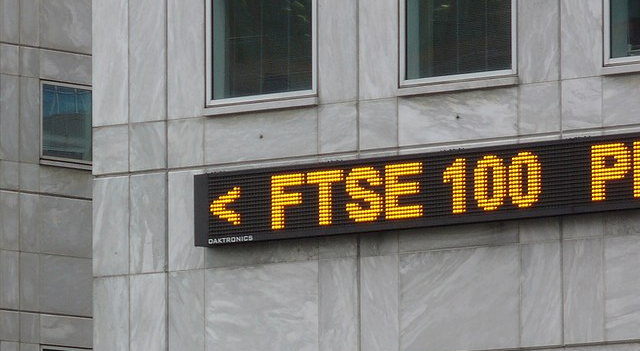
European stock markets traded modestly higher on Friday as investors assessed reports of progress in negotiations between the United States and Iran, while remaining cautious over the lack of a final agreement and the potential for renewed geopolitical tensions over the weekend.
By 07:13 GMT, the FTSE 100 was up 0.09%, with Germany’s DAX gaining 0.16% and France’s CAC 40 advancing 0.45%. Sterling weakened 0.09% against the US dollar to trade at $1.3434.
Market sentiment was influenced by reports that US and Iranian negotiators had drafted a proposal for a 60-day ceasefire extension that would reopen the Strait of Hormuz and pave the way for formal discussions regarding Iran’s nuclear programme. However, uncertainty remained after reports suggested US President Donald Trump had yet to approve the proposal and was considering the terms before making a final decision.
Speaking on Thursday, Vice President JD Vance indicated that discussions were continuing, with negotiators still working through several outstanding issues. “Going back and forth on a couple of language points,” he said, adding that it was “still to be discussed” whether Trump would sign the agreement. “We’re not there yet, but we’re very close.”
Despite signs of diplomatic progress, tensions in the region remained elevated. US Central Command said Iran launched a ballistic missile towards Kuwait on Wednesday night in what it described as an “egregious ceasefire violation.” Kuwaiti defence systems successfully intercepted the missile.
The incident followed US military action near Bandar Abbas, where American forces reportedly targeted an Iranian ground control facility and intercepted several attack drones that were said to pose a threat to commercial shipping passing through the Strait of Hormuz. Regional governments including Kuwait, Saudi Arabia, Qatar and Egypt, along with the Organisation of Islamic Cooperation, subsequently condemned the missile launch towards Kuwaiti territory.
Political divisions within Iran also added to market uncertainty. Iranian officials questioned the reported framework, with one lawmaker claiming the draft differed substantially from proposals prepared under the supervision of Supreme Leader Ayatollah Ali Khamenei. Other officials reiterated that Iran would not export its enriched uranium stockpile and continued to advocate long-term control of the Strait of Hormuz as a strategic objective.
Further uncertainty emerged after Iran’s Tasnim News Agency reported that no memorandum of understanding had been finalised, contradicting suggestions that an agreement was close to completion.
Meanwhile, the United States continued to increase economic pressure on Tehran. Treasury Secretary Scott Bessent announced new sanctions targeting Iran’s Persian Gulf Strait Authority as part of what he described as an “Economic Fury” campaign, warning companies and governments against paying transit fees linked to the Strait of Hormuz. Bessent also said Iranian oil exports had fallen sharply and indicated that military options remained available should negotiations fail.
Diplomatic efforts are continuing, with US officials scheduled to meet representatives from Pakistan and Oman, both of which have played important roles in mediation efforts. Reports suggest the proposed framework could include phased sanctions relief and limited access to frozen Iranian assets, although several key issues remain unresolved.
Investors are expected to remain focused on developments over the coming days, with any progress or setbacks in negotiations likely to influence market sentiment, energy prices and broader risk appetite.
Leave a Reply