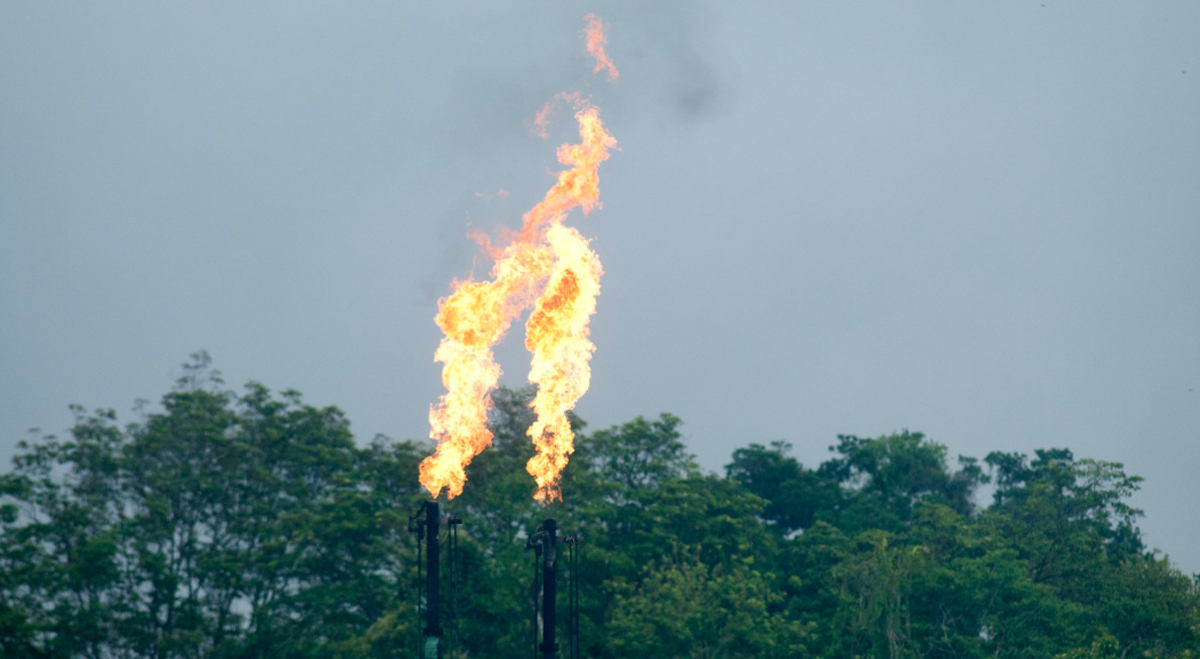
European wholesale natural gas prices climbed sharply on Monday, reaching their highest level in more than a month after renewed conflict in the Middle East heightened concerns over global liquefied natural gas (LNG) supplies.
Traders reacted to reports surrounding the Strait of Hormuz, a key shipping route for LNG exports, prompting another rise in energy prices across Europe.
Benchmark Gas Contracts Move Higher
The Dutch front-month gas contract, Europe’s benchmark, gained 3.5% in early trading to €50.37 per megawatt-hour.
The equivalent UK contract also advanced, rising 4% as energy markets responded to the latest geopolitical developments.
The gains followed a weekend of escalating military exchanges between the United States and Iran, increasing fears of potential supply disruptions.
Strait of Hormuz Back in Focus
The latest rally was triggered after Iran announced that the Strait of Hormuz had been “closed until further notice.”
Although the U.S. Central Command said the strategic shipping corridor remained open to commercial traffic, the possibility of a prolonged disruption was enough to unsettle energy markets.
The Strait of Hormuz is one of the world’s most important energy transport routes, carrying around one-fifth of global LNG trade, including a significant proportion of exports from Qatar.
Geopolitical Risks Return to the Fore
Recent weeks had seen gas prices ease as investors became more optimistic that diplomatic efforts would prevent a wider regional conflict.
The renewed military escalation has reversed that sentiment, with analysts warning that volatility is likely to remain elevated while uncertainty persists.
Storage Levels Increase Importance of Supply
European countries are continuing to replenish gas storage ahead of the 2026/2027 winter heating season.
However, storage facilities are currently around 47% full, below the 56% level recorded at the same point last year.
Market participants warn that any prolonged reduction in LNG exports from the Gulf could intensify competition between Europe and Asia for available cargoes, placing further upward pressure on natural gas prices.
Leave a Reply