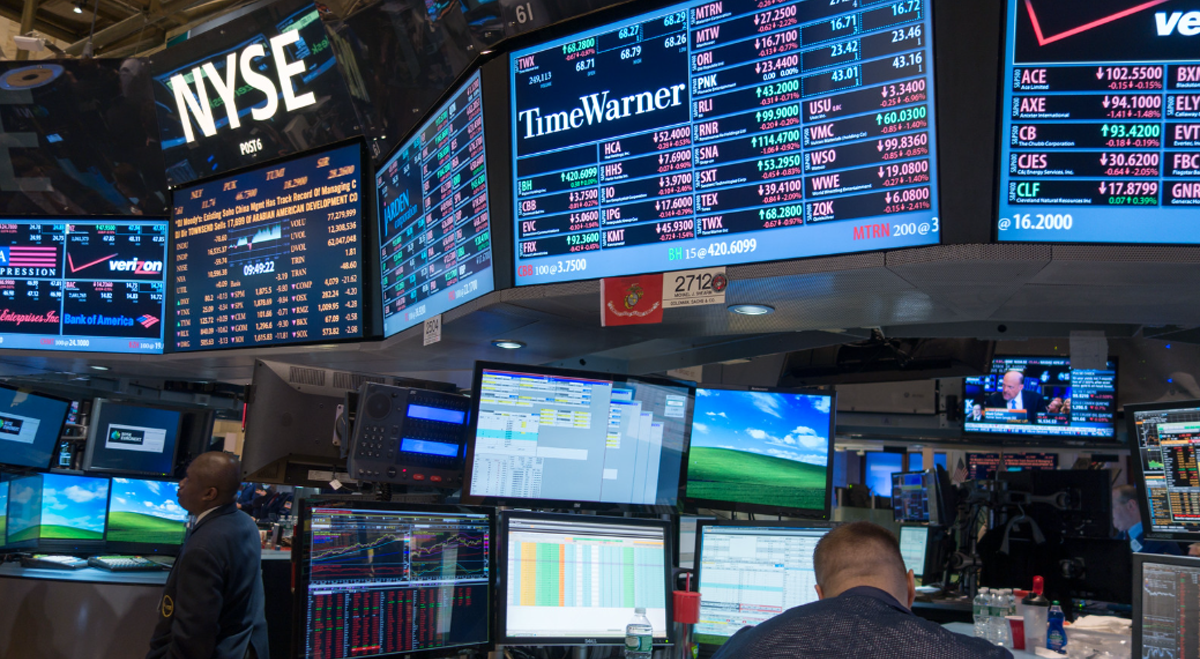
Global markets opened the week cautiously as renewed conflict between the United States and Iran sent crude prices sharply higher, pressured equity futures and shifted investor focus toward a crucial week of second-quarter earnings.
At the same time, heavy selling in Asian semiconductor stocks has sparked debate over whether enthusiasm for artificial intelligence shares is beginning to cool, even as demand for advanced chips remains strong.
Investors Respond to Geopolitical Risks
U.S. equity futures traded mixed after another exchange of military strikes between Washington and Tehran heightened uncertainty over the global economic outlook.
At 04:53 ET (08:53 GMT), S&P 500 futures were down 0.3%, Nasdaq 100 futures had fallen 1%, while Dow Jones futures edged up 0.03%.
Technology stocks looked set to underperform following sharp losses among Asian chipmakers, while traders also prepared for a wave of quarterly earnings reports expected to provide fresh insight into corporate investment and AI-related spending.
Hormuz Uncertainty Keeps Markets on Edge
Attention remains focused on the Strait of Hormuz after conflicting statements from the United States and Iran regarding access to the strategic shipping route.
U.S. Central Command said it had launched additional strikes against Iranian targets to reduce threats to commercial shipping, while President Donald Trump maintained that the passage remained open.
Iran, however, continued to insist that the Strait had been closed.
With roughly 20% of the world’s seaborne oil moving through the waterway, investors remain alert to any disruption that could intensify inflationary pressures and weigh on global growth.
Oil Prices Extend Their Advance
Energy markets continued to rally as geopolitical risks mounted.
Brent crude gained 4.8% to $79.65 a barrel, while West Texas Intermediate rose 5% to $74.98 after both benchmarks had already posted strong gains during the previous week.
Higher oil prices are generally supportive for energy producers but can increase costs for industries such as aviation, logistics and consumer discretionary businesses through higher fuel and transportation expenses.
Semiconductor Sector Faces Profit-Taking
Asian semiconductor stocks came under pressure, led by a near-14% decline in SK Hynix shares despite the company’s successful Nasdaq debut.
The weakness pushed South Korea’s KOSPI index down more than 5%, temporarily triggering a trading halt.
The decline appeared to reflect investor profit-taking ahead of earnings season rather than any deterioration in demand for AI hardware.
Meanwhile, Taiwan Semiconductor Manufacturing Co. (NYSE:TSM) continued to demonstrate strong underlying demand, reporting a 36% year-on-year increase in second-quarter revenue to T$1.27 trillion.
Corporate Results Become the Main Focus
While geopolitical developments continue to dominate headlines, investors are increasingly turning their attention to second-quarter earnings.
The upcoming results will be closely scrutinised to determine whether companies can continue delivering the earnings growth needed to support elevated market valuations, particularly across the technology sector.
Leave a Reply