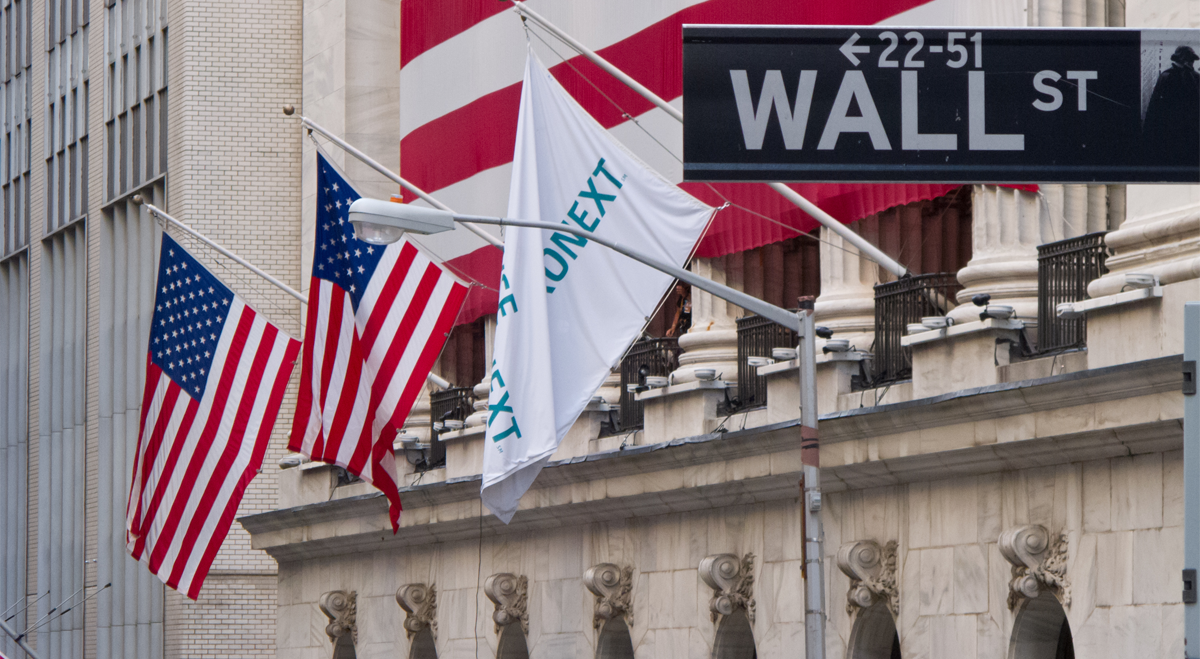
US markets entered a pivotal week on Tuesday with investors balancing geopolitical risks, the start of earnings season and fresh inflation data that could influence the Federal Reserve’s next policy decision.
Stock index futures traded mixed as traders prepared for quarterly results from the country’s largest banks, while the latest Consumer Price Index report and testimony from Federal Reserve Chair Kevin Warsh are expected to provide important signals on the direction of interest rates.
Meanwhile, Nvidia (NASDAQ:NVDA) has reportedly tightened access to its artificial intelligence chips, reflecting the continuing impact of US export restrictions on the global semiconductor industry.
Investors Brace for a Heavy Calendar
Market participants remain cautious ahead of a packed economic and corporate calendar.
Alongside earnings from leading financial institutions, investors are monitoring developments in the technology sector after recent volatility linked to artificial intelligence stocks.
The combination of earnings reports, inflation figures and central bank commentary could determine whether US equities regain positive momentum during the coming weeks.
Middle East Tensions Continue to Influence Sentiment
Geopolitical concerns remain elevated after US forces conducted a third consecutive round of military strikes against Iranian targets, saying the operation was aimed at facilities connected to attacks on commercial shipping.
US Central Command said the action was intended to reduce threats to vessels travelling through the Strait of Hormuz, a critical route for global energy supplies.
President Donald Trump also announced the restoration of a US naval blockade targeting Iranian shipping and proposed introducing a 20% charge on commercial vessels using the Strait of Hormuz.
The developments have reinforced concerns that any disruption to one of the world’s busiest shipping corridors could lift oil prices, increase inflationary pressures and trigger further volatility across global financial markets.
Nvidia Tightens Export Compliance
According to the Financial Times, Nvidia (NASDAQ:NVDA) has significantly reduced the number of approved Asian customers eligible to purchase its AI processors.
The company has reportedly introduced a stricter approval system covering Singapore, Malaysia and Japan, with many previous customers removed pending additional compliance checks.
The move highlights how export controls are becoming an increasingly important factor for semiconductor manufacturers, even as demand for AI infrastructure continues to grow rapidly.
Bank Earnings Take Centre Stage
Attention is now turning to quarterly earnings from JPMorgan Chase (NYSE:JPM), Bank of America (NYSE:BAC), Goldman Sachs (NYSE:GS), Wells Fargo (NYSE:WFC) and Citigroup (NYSE:C).
Because banks provide insight into lending, consumer activity, investment banking and credit quality, their results are often viewed as one of the earliest indicators of broader economic conditions.
Strong earnings could reinforce confidence in the resilience of the US economy, while disappointing figures may raise concerns that higher interest rates are beginning to weigh on growth.
Inflation Remains the Key Market Driver
June’s Consumer Price Index report is expected to be one of the week’s most closely watched releases.
Investors continue to debate whether the Federal Reserve will keep rates elevated well into next year or consider additional tightening if inflation remains persistent.
Federal Reserve Governor Christopher Waller recently said further rate increases could become necessary should inflation stay well above the central bank’s 2% objective.
Markets will also closely follow Kevin Warsh’s congressional testimony for additional clues about future monetary policy.
A stronger-than-expected inflation report would likely reduce expectations for future rate cuts and pressure equity markets, particularly technology shares. Conversely, softer inflation data could revive hopes that the Fed may eventually begin easing monetary policy.
Leave a Reply