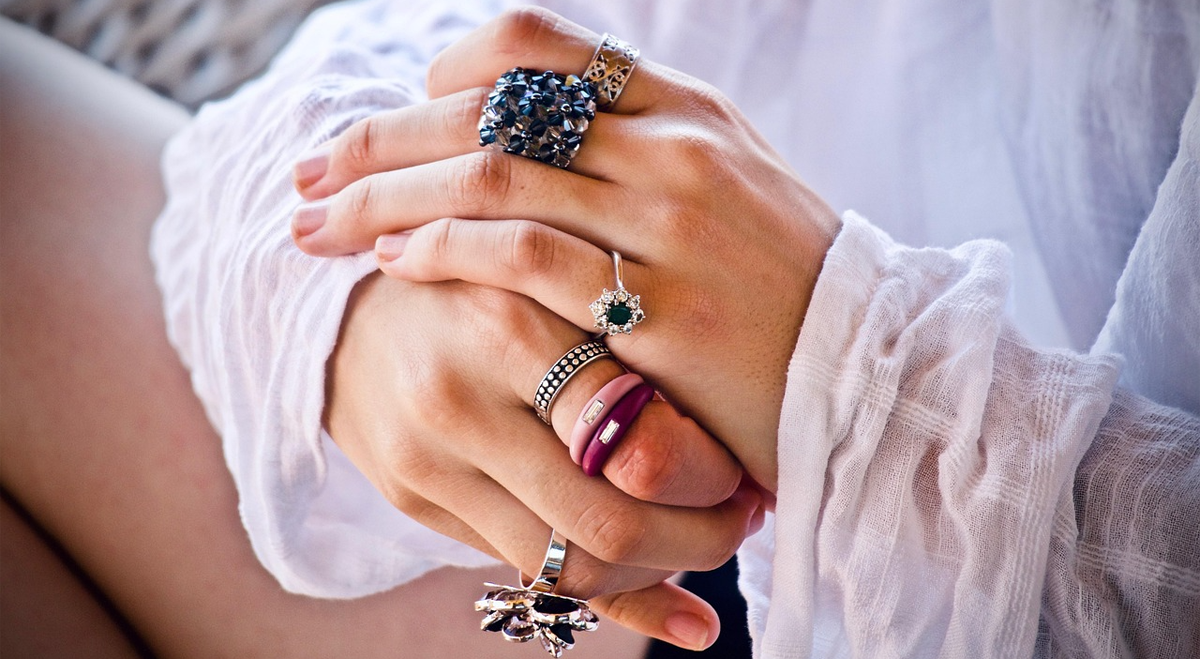
Luxury goods companies are facing mounting pressure from sluggish fashion sales and softer consumer spending linked to ongoing tensions in the Middle East. As investors assess which brands are best positioned to navigate the downturn, jewellery is increasingly emerging as one of the industry’s key differentiators.
Although the global luxury market is expected to return to growth in 2026 following two years of contraction, analysts believe geopolitical uncertainty continued to weigh on demand during the opening quarter, with an even greater impact anticipated for the three months ending in June.
Traditional profit drivers such as luxury handbags are no longer providing the same level of support. High prices and shifting consumer preferences, particularly among younger buyers, have reduced demand for leather goods, while jewellery continues to outperform.
Despite representing a smaller proportion of revenue for most luxury groups, the category has delivered consistently stronger growth and healthier margins. Earlier this year, analysts at Vontobel noted that jewellery “punches well above its weight” in terms of profitability and long-term growth.
Rising gold prices boost jewellery demand
According to Carole Madjo, Head of European Luxury Research at Barclays, interest in jewellery has increased as consumers have become less excited by limited innovation in luxury fashion, while the rally in gold has strengthened jewellery’s appeal as both a luxury purchase and a store of value.
“All these points combined together were making jewellery a bit more attractive compared to soft luxury,” she said.
Richemont (TG:RITN), owner of Cartier and Van Cleef & Arpels, highlighted the trend with a 24% increase in jewellery sales during the quarter ended June 30, comfortably exceeding market expectations.
LVMH (EU:MC), whose portfolio includes Bulgari and Tiffany, is also expected to report stronger performance in its watches and jewellery business. Barclays recently lifted its 2026 growth forecast for the division from 7% to 8%, following growth of 3% last year. Watches and Jewellery accounted for 13% of LVMH’s €81 billion revenue in 2025.
Investors are closely watching the latest earnings season, with LVMH reporting quarterly results on Monday, Kering (EU:KER) on Tuesday and Hermes (EU:RMS) on Wednesday.
Luxury brands expand jewellery investment
The strongest jewellery brands remain concentrated within Richemont and LVMH, but growth is also accelerating at other luxury groups that have traditionally focused on fashion.
Kering, which owns Pomellato and Boucheron, said its jewellery division recorded comparable sales growth of 22% during the first quarter, outperforming every other business segment.
Hermes has also expanded rapidly in the category. According to Vontobel analysts, its jewellery business has delivered a compound annual growth rate of almost 30% since 2019, albeit from a relatively small base.
Madjo said: “Even at soft luxury players like Hermes, Prada, Gucci, everybody’s putting a bit more emphasis on jewellery because that’s where the growth is coming from right now. So you want to be exposed to that.”
Handbags face increasing pressure
The growing preference for jewellery over luxury handbags and footwear presents new challenges for fashion houses that have traditionally relied on leather goods to drive profitability.
Hermes, whose Birkin handbag has long been central to its exclusivity strategy, saw its shares fall around 10% after disappointing first-quarter growth raised concerns about the sustainability of its scarcity-driven business model.
Claudia D’Arpizio, Senior Partner at Bain & Company, said: “Bags and shoes are facing meaningful headwinds, as both have experienced significant softening in consumer desirability, particularly among younger audiences.”
She added: “These categories, especially bags, have historically been strong contributors to revenues and margin growth; however, post-COVID dynamics have created a more challenging environment. So players need to find a winning formula for these.”
Leave a Reply