The FTSE 100 edged lower on Thursday as weakness across major mining stocks outweighed support from softer U.S. inflation data, while continuing disruption around the Strait of Hormuz kept energy markets and geopolitical risks firmly in focus.
The FTSE 100 was down 0.10% at 03:28 ET (07:28 GMT). Elsewhere in Europe, Germany’s DAX gained 0.61%, while France’s CAC 40 advanced 0.03%. Sterling strengthened against the U.S. dollar, with GBP/USD rising 0.13% to 1.3504.
Miners weigh on London market
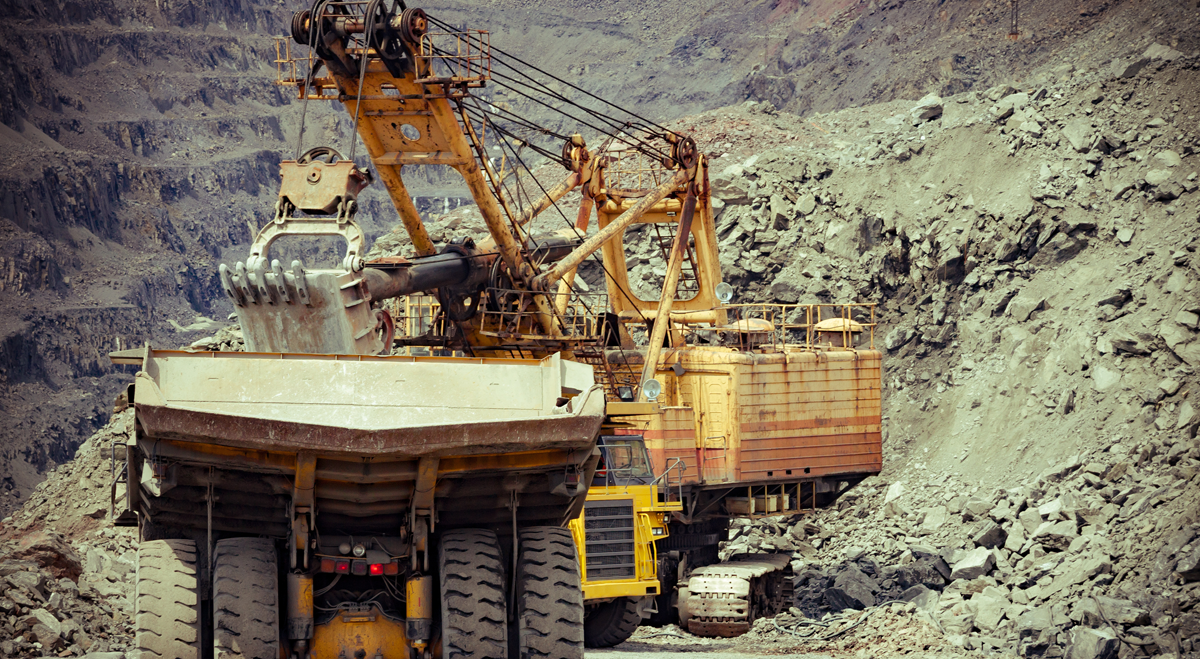
Mining and commodity-related shares were among the biggest sources of pressure on the FTSE 100 as base metal prices retreated.
Antofagasta (LSE:ANTO) led the decline, falling 3.9%, while Endeavour Mining (LSE:EDV), Fresnillo (LSE:FRES), Glencore (LSE:GLEN), Anglo American (LSE:AAL) and Rio Tinto (LSE:RIO) also traded lower.
The losses followed weaker metals markets, with copper falling 0.21%, nickel declining 0.39% and aluminium slipping 0.28%.
Softer U.S. inflation reduces rate hike expectations
The decline in metals came despite U.S. producer price data providing a more supportive signal for global markets.
Producer prices were unchanged in July, below expectations for a 0.2% increase. Annual producer price inflation also slowed to 4.7% from 5.5% in June.
Following the data, Fed funds futures indicated an approximately 35% probability of another Federal Reserve interest rate increase, compared with around 55% a week earlier.
Lower expectations for additional monetary tightening would typically support risk assets, but the impact on UK equities was overshadowed by commodity-specific weakness and continuing uncertainty surrounding Gulf shipping routes.
Strait of Hormuz tensions keep oil markets on edge
Energy security remained a major focus after the UAE’s Foreign Ministry strongly condemned an attack on two ADNOC tankers travelling through the Strait of Hormuz. No injuries were reported in the incident.
Separately, oil from the Russian-flagged tanker Caroline Bezengi has reportedly reached the coastline of Oman. The vessel was carrying more than 800,000 barrels of sanctioned crude when it was attacked several weeks ago.
The developments followed comments from U.S. War Secretary Pete Hegseth that Washington could maintain its naval blockade of Iranian ports indefinitely through the rotation of vessels.
U.S. President Donald Trump separately claimed that the U.S. had total control of the Strait of Hormuz. Iran’s Persian Gulf Strait Authority rejected that position and maintained that the waterway would remain blocked until Tehran’s conditions were satisfied.
The continuing uncertainty surrounding one of the world’s most important energy shipping routes kept upward pressure on crude prices.
Oil rises while gold retreats
Brent crude gained 1.46% to $88.35 a barrel, while U.S. West Texas Intermediate advanced 1.77% to $82.69 a barrel as traders continued to price in supply risks linked to disruption around Hormuz.
Precious metals moved in the opposite direction. Gold futures declined 0.68% to $4,390.25 an ounce, while spot gold fell 0.39% to $4,334.28.
UK company round-up
BP (LSE:BP.) was in focus after Venezuelan officials signed an agreement involving the British energy major, Abu Dhabi National Oil Company-owned investment company XRG and the oil and gas division of Qatar’s UCC Holding to develop the offshore Loran gas field, according to oil minister Paula Henao.
Aviva (LSE:AV.) also attracted attention after the insurer exceeded first-half profit expectations. Earnings benefited from the integration of motor insurer Direct Line alongside strong growth within Aviva’s wealth management operations.
Leave a Reply