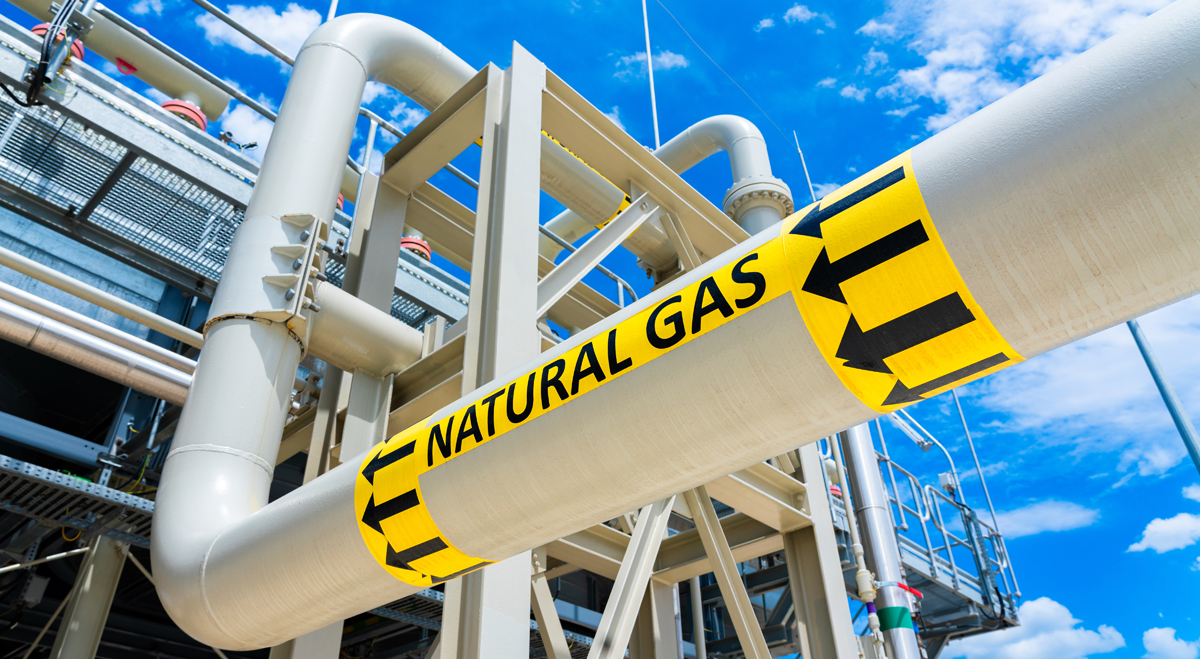
European and British wholesale natural gas prices rose nearly 5% on Monday as markets assessed Middle East shipping disruptions and European storage levels.
The British NBP wholesale gas contract climbed almost 5% to 201.50 pence per therm, moving above 200 pence and reaching its highest level since late 2022.
In continental Europe, the benchmark Dutch front-month TTF contract gained around 5% to €83.40 per megawatt-hour, also reaching a multi-year high.
JERA Chief Highlights European Storage Levels
Yukio Kani, Global CEO and Chair of JERA, said European gas reserves remain low and disruption to shipping around the Strait of Hormuz could continue.
JERA is Japan’s largest power generator and a major buyer of liquefied natural gas.
According to Gas Infrastructure Europe data cited in the source, European underground gas storage facilities were approximately 68% full, around 17 percentage points below historical seasonal averages.
The storage position comes ahead of the winter period, when inventory levels are an important factor in European gas supply.
Middle East Disruptions Affect LNG Shipping
Military developments in the Persian Gulf have reduced LNG tanker traffic through the Strait of Hormuz, affecting concerns about Qatari exports and global LNG availability.
Developments involving Houthi militants near Red Sea shipping routes and strikes on regional pipeline infrastructure have added to uncertainty surrounding alternative transport routes.
The Strait of Hormuz is an important transit route for Qatari LNG exports, making shipping conditions in the region relevant to European and global gas markets.
Higher Energy Prices Follow ECB Rate Increase
The increase in natural gas prices coincided with a further rise in crude oil, with Brent gaining around 3% to trade near $112 a barrel.
Higher energy prices are being monitored for their potential effect on European inflation following the European Central Bank’s decision last Thursday to raise its deposit facility rate by 25 basis points to 2.50%.
Money markets were also assessing the implications of higher energy costs for the outlook for monetary policy in Europe and the US.
Leave a Reply