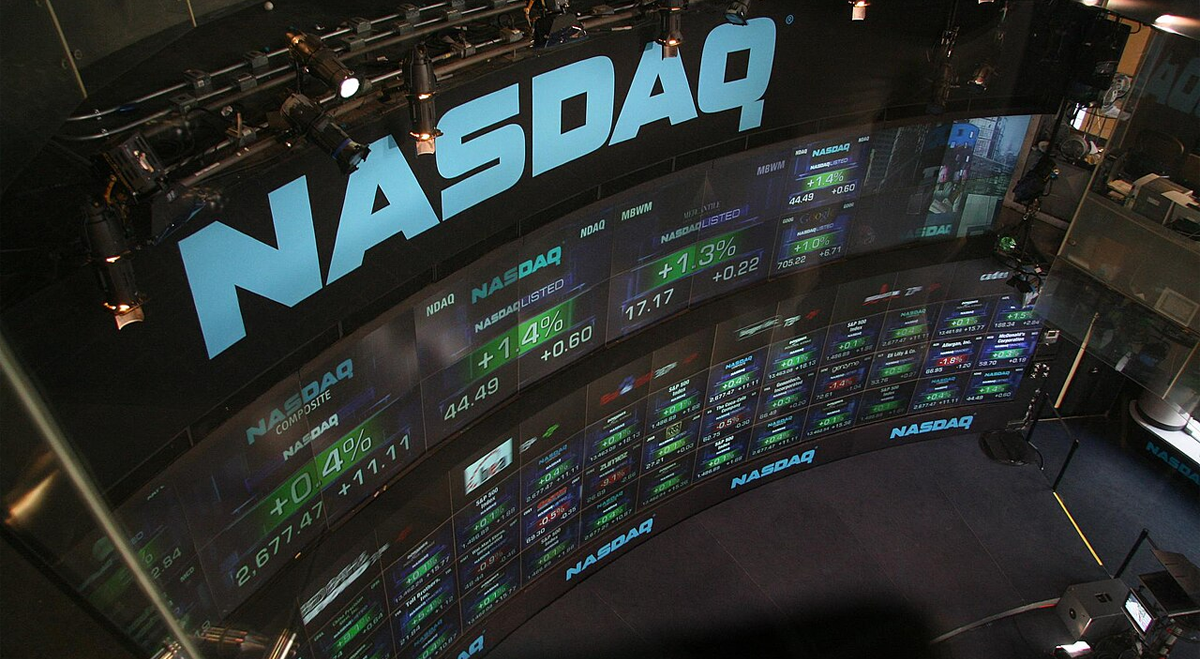
US equities declined at Monday’s open as technology stocks fell following calls from artificial intelligence industry executives to slow the development of advanced AI systems, while higher oil prices added to inflation concerns ahead of the Federal Reserve’s policy decision.
At 09:32 ET (13:32 GMT), the NASDAQ Composite was down 1.6% at 28,902.20 points. The S&P 500 fell 0.7% to 7,603.80, while the Dow Jones Industrial Average declined 0.2% to 52,451.40.
Technology was among the weaker areas of the market, with the S&P 500 technology sector falling more than 2%.
Investors Assess Potential Impact of AI Safety Debate
The technology-sector declines followed an essay from Anthropic CEO Dario Amodei calling for companies developing advanced AI models to reduce the pace of progress because of concerns over potential misuse.
“Progress will still seem fast, and we must make wise use of the time we gain,” Amodei wrote.
The essay followed Anthropic’s disclosure that several actors had used its Claude models for activities including weapons development and fraud.
OpenAI CEO Sam Altman and xAI chief Elon Musk also backed calls for a slower pace of advanced AI development, leading markets to assess whether the debate could affect the allocation of capital across AI-related projects.
Deutsche Bank analysts said any changes could affect the “composition of AI capex rather than its scale,” with companies potentially directing more spending towards areas including safety, monitoring and governance.
Altman separately said OpenAI would not pursue a potential initial public offering this year because of safety concerns.
Middle East Developments Push Oil Prices Higher
Oil provided another focus for markets after a planned meeting between Iran and Gulf Arab states was postponed.
The talks were expected to address the reopening of the Strait of Hormuz to maritime traffic. Oman’s foreign minister said the meeting had been delayed “in the interests of consensus.”
Iran’s foreign ministry said Tehran would coordinate with Oman to establish another date, according to Fars news agency.
Before renewed Middle East fighting began in late February, approximately one-fifth of global oil and liquefied natural gas supplies passed through the Strait of Hormuz.
Supply concerns were also affected by attacks from Iran-backed Houthi militants in Yemen. The attacks resulted in the closure of a major Saudi oil pipeline, while vessels in the Gulf were also targeted.
Brent crude futures briefly traded above $108 a barrel on Monday, extending gains from the previous week.
Federal Reserve Decision Moves Into Focus
The increase in energy prices has added to the inflation outlook after US consumer and producer price data remained elevated in August, with higher energy costs contributing to the readings.
Markets are now awaiting Wednesday’s Federal Reserve interest rate decision, with traders widely expecting policymakers to increase rates as they assess energy-related inflation pressures.
Vital Knowledge analysts summarised the two main factors affecting markets, saying: “Stocks are under assault from two main sources this morning: oil and AI.”
Leave a Reply