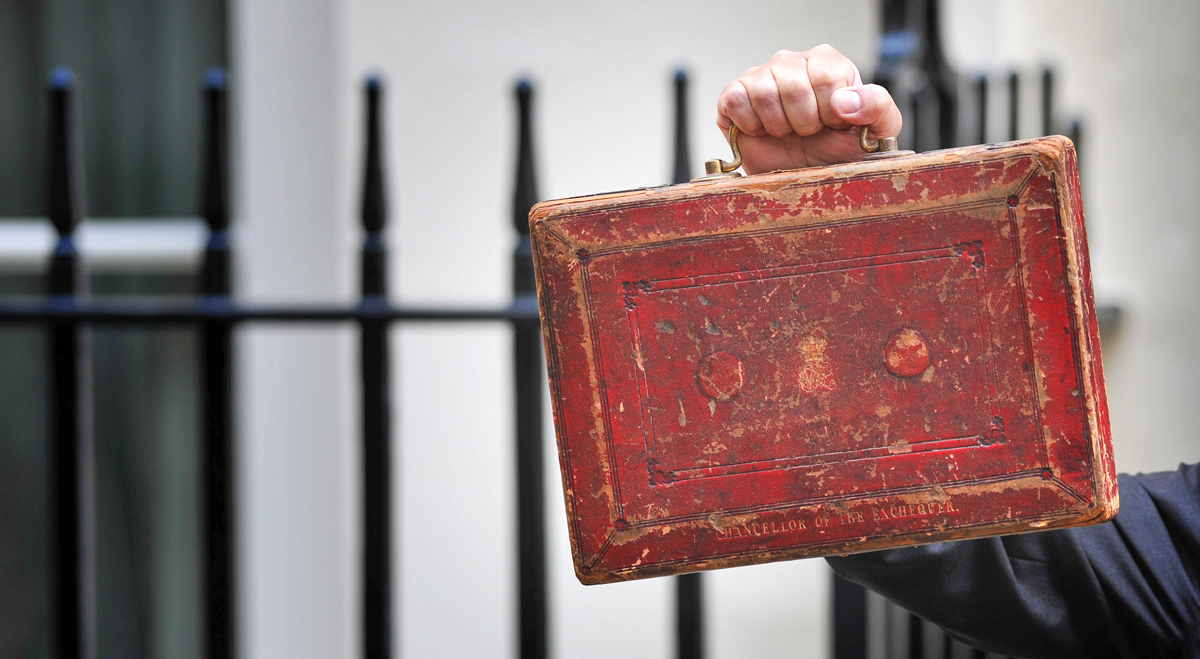
Chancellor John Healey has presented the government’s latest Budget, outlining changes to household energy costs, business taxation, wages, housing and public spending under Prime Minister Andy Burnham.
Describing the measures as a budget “for the working people”, Healey announced financial support for households alongside changes to banking taxes, business rates and investment incentives.
The package also includes commitments on defence spending, affordable housing and regional devolution.
Household Energy Bills and Cost of Living
Around 20 million households in council tax bands A to D will receive a new £100 energy payment.
The government is also removing a green levy used to fund hydrogen projects from household energy bills, transferring the cost to general taxation.
VAT on electricity bills has been reduced to zero, with the measure extended until July.
The standing charge on gas bills will also be removed, affecting approximately 23 million households. The Treasury estimates that 60% of households will save £45 annually, although the charge will instead be incorporated into unit prices.
Import tariffs have also been removed from more than 100 food products, including baked beans, chocolate and gherkins. The government estimates potential savings of up to £21 a year.
Banking Taxes and Business Rates
The government will increase the banking surcharge from 3% to 6%, in addition to the existing 25% corporation tax rate.
The higher surcharge will take effect in January and remain in place for 15 months.
For retail, hospitality and leisure businesses, the business rates threshold will increase from £12,000 to £18,000.
According to the chancellor, the change will mean approximately half of shops, restaurants and gyms will no longer pay business rates.
The government also plans to strengthen requirements for online marketplaces to collect VAT from sellers operating through their platforms.
Capital Gains Tax and Investment Incentives
The lifetime limit for Business Asset Disposal Relief, previously known as entrepreneurs’ relief, will be reduced from £1 million to £500,000.
The relief provides a lower capital gains tax rate on qualifying business disposals.
A new founders relief will also be introduced, offering a 10% capital gains tax rate on lifetime gains of up to £10 million for eligible company founders.
The measures change the tax treatment of business disposals while introducing a separate incentive for qualifying founders.
Minimum Wage, Pensions and Savings
The minimum wage will increase by 3.9%, while pensioners receiving the state pension will be protected from income tax during the current quarter.
The government has also reversed plans to reduce the annual cash ISA allowance from £20,000 to £12,000, retaining the existing limit.
The Treasury will work with the private sector to develop a new starter ISA intended to encourage first-time investors.
A new first-time buyers ISA will replace the Lifetime ISA.
Fuel duty will remain frozen until July, preserving the 5p-per-litre reduction introduced in 2022.
Housing, Planning and Rough Sleeping
The government announced an additional £1.5 billion for its social and affordable housing programme.
Land sales to social housing providers will become VAT-free, while biodiversity requirements will be removed from additional brownfield sites to support council house construction.
A £430 million package has also been allocated to emergency accommodation and support services aimed at reducing rough sleeping.
The government said funding for its rough sleeping programme has doubled.
Devolution and Local Government Funding
The Budget includes changes intended to increase the financial autonomy of regional authorities.
By the end of the decade, all business rates revenue will be retained locally.
From next year, national mayors will receive 20% of business rates revenue, followed by a share of income tax receipts from 2028.
Mayors and other qualifying authorities will also gain powers to introduce an overnight visitor levy, commonly known as a tourist tax, from 2028.
Defence Spending and Welfare Changes
The government committed to increasing defence expenditure to 3% of GDP by 2030 and 3.5% by 2035.
Further details on funding these commitments will be provided in next year’s spending review.
Carer’s Allowance will also be reformed so payments gradually decrease as earnings rise, replacing the current system in which eligibility ends once weekly earnings exceed £204.
Paid parental leave will be extended to self-employed fathers and their partners.
Data Centre Development
The government announced a new British data centre covenant establishing conditions for the construction of data centres.
The initiative forms part of the Budget’s measures affecting business investment and infrastructure development.
UK Budget 2026 Outlook
The Budget combines household cost-of-living measures with changes to business taxation, investment incentives and public expenditure.
Energy bill reductions and the £100 household payment are intended to provide direct financial relief, while the higher banking surcharge will increase taxation on lenders.
Businesses will also face changes to rates, capital gains tax relief and VAT collection requirements.
Longer-term commitments include increased defence spending, additional affordable housing funding and greater revenue-raising powers for regional authorities.
The financial effects of several measures will depend on their implementation, with further details on defence expenditure expected in the next spending review.
Leave a Reply