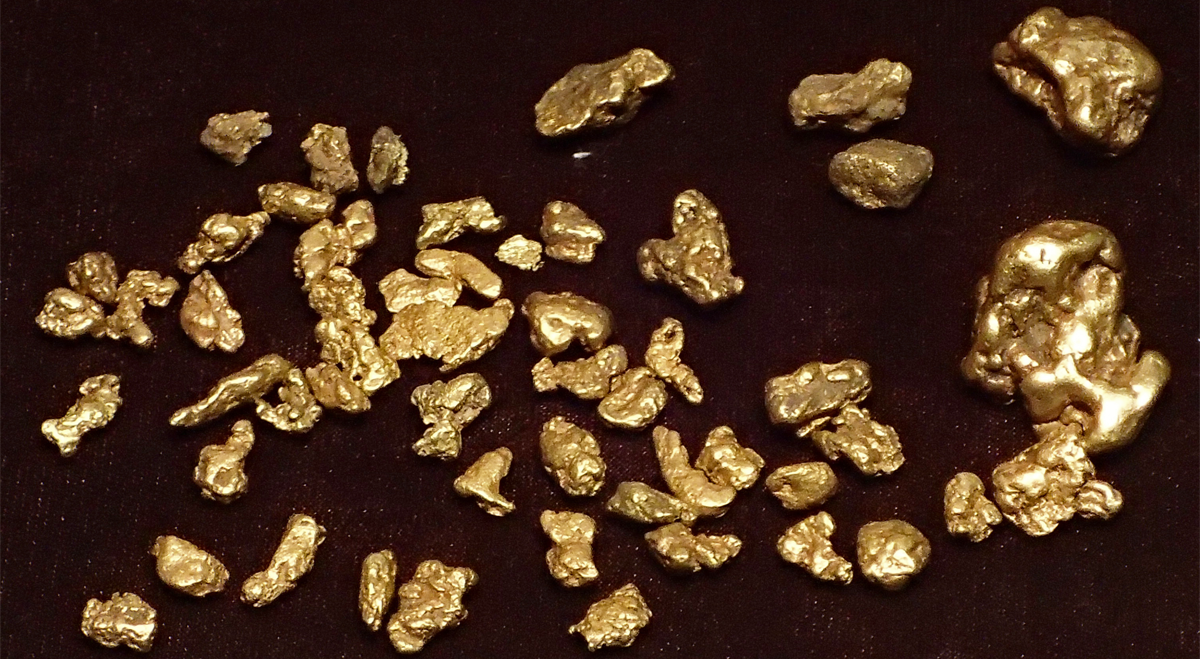
Gold prices rose sharply on Wednesday, approaching the $4,000-per-ounce threshold as a weaker US dollar supported precious metals and investors reassessed geopolitical risks surrounding the conflict between Washington and Tehran.
The recovery came amid renewed diplomatic efforts to prevent further military escalation in the Middle East, while uncertainty surrounding US inflation, interest rates and the midterm elections continued to influence market sentiment.
At 01:11 ET (06:11 GMT), spot gold was trading 1.2% higher at $3,978.71 per ounce. US gold futures also gained 1.2%, reaching $3,988.95.
The advance extended the previous session’s recovery, although bullion remained below the levels seen before October’s substantial decline.
Precious Metals Strengthen Across the Board
Gold was not the only precious metal to benefit from Wednesday’s improvement in market sentiment.
Silver increased 1.6% to $50.5675 per ounce, while platinum rose 1% to $1,432.93.
Palladium also advanced, with spot prices gaining 1.7% to $952.50 per ounce and futures climbing 2% to $948.75.
The gains coincided with a 0.4% decline in the US Dollar Index to 101.50.
Because precious metals are generally priced in dollars on international markets, a weaker American currency can increase their appeal to buyers using other currencies.
The broad-based advance suggested that currency movements were providing support across the sector following a period of significant selling pressure.
Weaker US Currency Helps Gold Recover Recent Losses
Gold’s latest gains were partly driven by the retreat in the US dollar, which reduced the relative cost of bullion for international investors.
The metal had already risen by almost 2% in the previous session before experiencing some volatility as traders responded to changing expectations surrounding the US-Iran conflict.
Despite the recent recovery, gold remains under pressure from concerns about inflation and the possibility that interest rates could stay elevated.
Investors are assessing whether the dollar’s decline can provide sustained support for bullion or whether changing monetary policy expectations will limit further advances.
The metal’s ability to approach the $4,000 level again follows a difficult October, when prices experienced substantial losses.
Diplomatic Developments in the Middle East Influence Trading
The ongoing conflict involving the United States and Iran continues to shape sentiment across commodity markets.
Washington and Tehran are considering proposals from mediators aimed at reducing tensions and preventing a return to large-scale military confrontation.
These efforts follow limited US airstrikes against targets on Iran’s Qeshm Island, located in the Strait of Hormuz.
The strikes initially raised concerns about the possibility of further military operations and additional threats to energy transportation routes.
However, subsequent indications that the White House was prepared to allow more time for negotiations reduced expectations of an immediate escalation.
The changing diplomatic outlook has contributed to volatility in both oil and gold as investors adjust their assessments of geopolitical risk.
Oil Price Swings Affect Inflation and Interest Rate Expectations
Crude oil experienced considerable volatility on Tuesday, with prices moving through a range of approximately $5 per barrel.
The fluctuations reflected uncertainty about whether diplomatic efforts would succeed or whether military operations could resume.
Oil prices had risen strongly over the previous month as the conflict intensified and concerns increased about possible interruptions to energy shipments from the Middle East.
This week’s reversal followed reports that Washington and Tehran were reviewing new proposals intended to prevent further hostilities.
The relationship between oil and gold has become particularly important because of the influence of energy costs on inflation expectations.
Higher crude prices can increase transportation and production costs, potentially contributing to broader consumer price pressures.
If inflation remains elevated, central banks may be less willing to reduce interest rates, creating a less favourable environment for non-yielding assets such as gold.
Higher Interest Rates Have Weighed on Bullion
Gold has faced sustained pressure as investors reassessed the outlook for monetary policy amid rising inflation concerns.
Unlike bonds and other interest-bearing investments, bullion does not provide regular income.
As a result, expectations of higher interest rates can increase the opportunity cost of holding gold.
The metal lost almost 7% in October, falling below $4,000 per ounce towards the end of the month.
Selling pressure was also linked to weakness in artificial intelligence-related investments, which prompted some investors to liquidate gold holdings to offset losses elsewhere.
Since the US-Iran conflict began in late February, gold has declined by approximately 25%.
The downturn has coincided with accelerating inflation and expectations of tighter monetary policy, demonstrating how interest rate concerns have outweighed some of the metal’s traditional appeal during periods of geopolitical instability.
US Midterm Elections Could Influence Gold Demand
Political developments in Washington represent another factor for precious metals investors.
Tuesday’s US midterm elections determine control of the House of Representatives and Senate, with the results potentially affecting the government’s ability to implement fiscal and economic policies.
Changes in congressional control could influence expectations for federal spending, budget deficits and future economic growth.
These developments may affect gold indirectly through their implications for inflation, the US dollar and interest rates.
Investors will therefore be monitoring how the election outcome changes expectations for the country’s fiscal position and broader financial conditions.
What Could Drive Gold Prices Next
The direction of gold prices will depend on several closely connected developments.
Further weakness in the US dollar could support demand for bullion, particularly if investors become more confident that inflation pressures are easing.
Progress in negotiations between the United States and Iran could also influence the outlook by reducing uncertainty surrounding energy supplies and crude oil prices.
However, renewed military tensions or a sharp increase in oil prices could strengthen inflation concerns and reinforce expectations that interest rates will remain elevated.
The economic implications of the US midterm elections will provide another consideration as markets assess the potential direction of government spending and monetary policy.
With gold recovering from October’s sharp decline, investors will be watching whether the metal can regain the $4,000-per-ounce level and sustain its recent upward momentum.
Leave a Reply