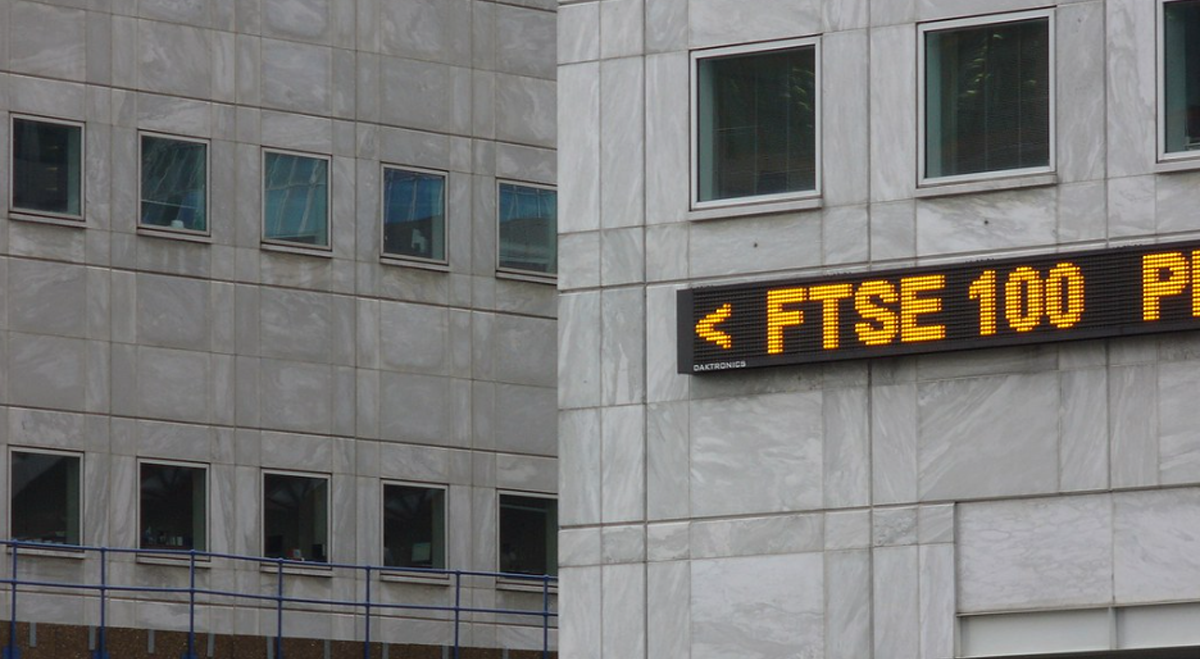
The FTSE 100 climbed to its highest level in nearly three months on Thursday, supported by gains across major UK banking stocks and a 5% increase in Diageo (LSE:DGE) shares following the drinks company’s first-quarter trading update.
The blue-chip index reached its highest level since 7 August, extending gains from the previous session as European equity markets also advanced.
Investors assessed corporate earnings, movements in energy prices and expectations for the Bank of England’s interest-rate announcement later in the day.
UK Banking Shares Rise Ahead of Interest-Rate Decision
Financial stocks contributed to the FTSE 100’s advance, with major UK banks recording gains of approximately 1.5% to 2.5% during morning trading.
Barclays (LSE:BARC), Standard Chartered (LSE:STAN), Lloyds Banking Group (LSE:LLOY) and HSBC Holdings (LSE:HSBA) all traded higher.
The gains came ahead of the Bank of England’s Monetary Policy Committee announcement, with money markets indicating expectations for a 25-basis-point increase in Bank Rate to 4.00%.
Such a decision would represent the central bank’s first interest-rate increase in three years.
Higher interest rates can support banks’ net interest margins, reflecting the difference between income earned on lending and the interest paid on customer deposits.
However, the effect on individual lenders depends on their funding costs, loan portfolios and the wider economic environment.
Diageo Shares Gain 5% Following Quarterly Trading Update
Diageo (LSE:DGE) shares advanced approximately 5% after the spirits producer reported first-quarter revenue above analysts’ expectations.
The company’s trading update contributed to gains among consumer-related stocks and provided additional support for the FTSE 100.
The share price movement followed the release of quarterly financial figures as investors assessed the company’s sales performance across its international markets.
Brent Crude Falls Below $100 a Barrel
Energy markets also attracted attention as Brent crude futures declined below $100 per barrel, extending a weekly fall of approximately 20%.
The decline represented one of the largest multi-session decreases in oil prices since the COVID-19 pandemic in 2020.
Oil prices came under pressure as investors assessed the implications of the US midterm election results for Middle East policy and potential diplomatic developments involving Iran.
The Democratic Party’s electoral gains contributed to expectations that renewed diplomatic efforts could reduce regional tensions and support the restoration of tanker traffic through the Strait of Hormuz.
The prospect of improved shipping conditions and reduced supply disruption risks weighed on crude prices.
Shell and BP Decline as Energy Prices Retreat
The decline in oil prices was reflected in the performance of major energy companies listed in London.
Shell (LSE:SHEL) and BP (LSE:BP.) each fell more than 1% during the session.
Lower crude prices can affect the revenue and earnings outlook for oil and gas producers, depending on production volumes, operating costs and commodity price exposure.
At the same time, declining energy costs can reduce expenses for fuel-intensive industries, including aviation, manufacturing and transportation.
Lower fuel prices may also contribute to easing inflationary pressures across the UK economy, although the extent of any effect depends on how quickly changes in wholesale prices are passed through to businesses and consumers.
Investors Await Bank of England Policy Announcement
The Bank of England’s forthcoming interest-rate decision remained a central focus for UK equity markets.
Investors were assessing the potential implications of a further increase in borrowing costs for financial institutions, consumer spending and the wider economy.
The FTSE 100’s advance reflected gains in banking and selected consumer stocks, while energy producers declined alongside crude prices.
Market attention remained on the central bank’s policy announcement and its assessment of inflation and economic conditions.
Leave a Reply