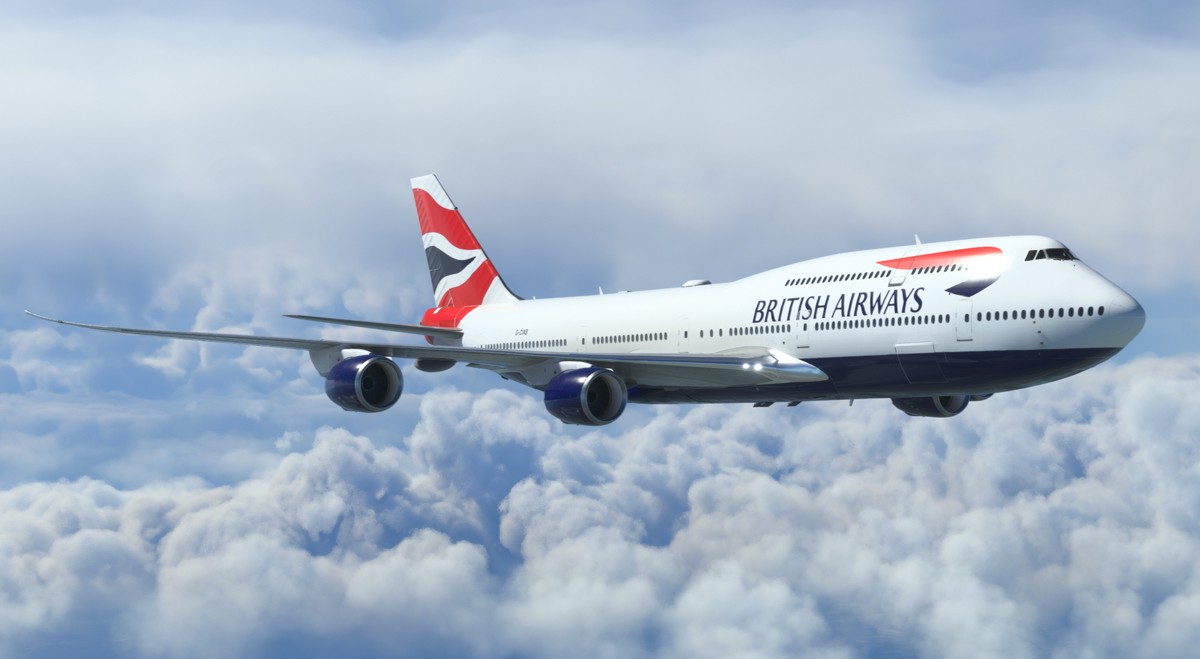
International Airlines Group (LSE:IAG) expects its full-year 2026 capacity to be slightly below 2025 levels following Middle East flight suspensions and operational disruptions, although the airline group maintained its operating margin target of at least 12% despite rising fuel expenses.
The parent company of British Airways and Iberia reported third-quarter revenue of €9.74 billion, an increase of 4.5% compared with the same period last year.
Operating profit before exceptional items declined to €1.73 billion from €2.05 billion, resulting in an operating margin of 17.7%.
IAG shares advanced more than 1% in London trading following the announcement.
Fuel Costs Rise 30% as Operational Disruptions Affect Profitability
IAG reported a 30.4% increase in total fuel costs, net of hedging, during the third quarter, placing pressure on operating profitability.
Non-fuel unit costs increased 3.4%, reflecting disruption across the group’s network, including significant air traffic control outages.
The company said cost-saving initiatives helped partially offset the additional expenses, while stronger passenger yields across its markets supported revenue growth.
Demand remained particularly strong on North Atlantic and South Atlantic routes, where higher ticket yields contributed to the group’s performance.
Chief Executive Luis Gallego described the quarter as resilient, highlighting continued customer demand across the group’s airline brands.
He said the improvement in passenger yields reflected the strength of travel demand despite higher operating costs and disruption.
North Atlantic Revenue Growth Supports Performance
North Atlantic unit revenue increased 11.0% during the quarter, while capacity remained broadly unchanged, rising just 0.2%.
British Airways recorded a 12.0% increase in North Atlantic unit revenue, supported by a 2.2% expansion in capacity.
Iberia increased capacity by 11.5%, supported by the deployment of its Airbus A321XLR aircraft, while unit revenue advanced 4.2%.
On South Atlantic routes, unit revenue rose 2.3% alongside capacity growth of 5.4%.
The company said strong yields across its transatlantic operations helped mitigate higher fuel costs and operational expenses.
Middle East Suspensions Reduce Regional Capacity by 19%
IAG reduced capacity across Africa, the Middle East and South Asia by 19.0%, reflecting the suspension of flights to several Gulf destinations.
Despite the reduction in available seats, unit revenue across the region increased 13.2%.
In Europe, the airline group cut capacity by 1.2% as competitors expanded their operations.
IAG said the decision was intended to protect profitability in a market facing increased competitive pressure.
The combined effect of Middle East route suspensions and operational disruptions has led the group to forecast slightly lower overall capacity for 2026 compared with the previous year.
Full-Year Operating Margin Guidance Maintained
Despite higher fuel expenses and reduced capacity expectations, IAG reiterated its target of achieving an operating margin of at least 12% for 2026.
The company expects non-fuel unit costs to increase by approximately 1% over the full year, reflecting continued cost management alongside operational challenges.
Total fuel costs are forecast to reach approximately €8.9 billion.
Capital expenditure is expected to total €3.1 billion, with 12 aircraft deliveries scheduled during 2026.
The outlook reflects IAG’s focus on maintaining profitability through capacity management, cost discipline and strong passenger yields.
Dividend Increased as €1.5 Billion Buyback Continues
IAG increased its interim dividend by 10% to €0.053 per share, reflecting its commitment to shareholder distributions.
The company also commenced the final €500 million tranche of its previously announced €1.5 billion share repurchase programme.
The capital returns come despite higher operating expenses, with management continuing to balance shareholder distributions against investment in aircraft and operational capacity.
IAG maintained its full-year profitability target as strong demand on transatlantic routes continues to support the business, although fuel prices and operational disruptions remain important factors affecting its near-term performance.
Leave a Reply