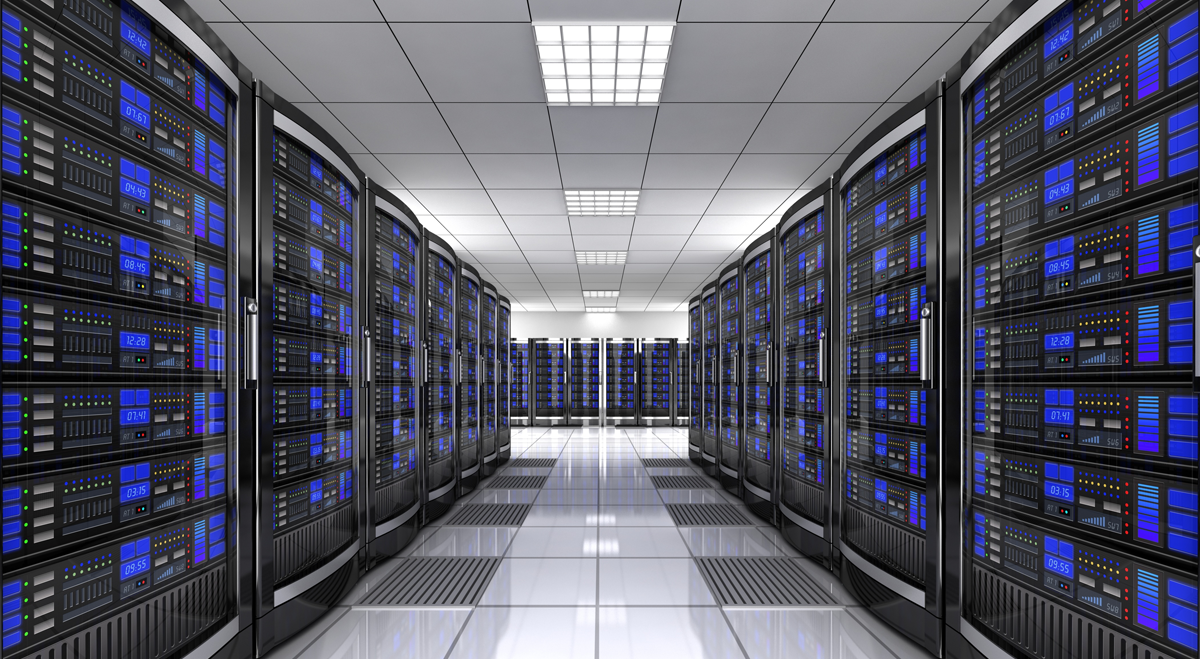
A major rotation across US technology stocks has raised questions about the outlook for artificial intelligence investments, as investors increasingly favour established cloud computing companies over semiconductor manufacturers and developers of new data centre capacity.
Wednesday’s trading followed the Democratic Party’s election victory, which prompted concerns that additional regulations could restrict the development of AI infrastructure.
Amazon (NASDAQ:AMZN) gained 6.1%, Microsoft (NASDAQ:MSFT) rose 6.7%, Alphabet (NASDAQ:GOOG) advanced 3.2% and Meta Platforms (NASDAQ:META) climbed 1.4%.
In contrast, several companies dependent on future computing capacity expansion experienced significant declines.
Existing Data Centres Could Become More Valuable
Goldman Sachs reported a clear shift in institutional investment flows toward hyperscalers, with both traditional investment funds and hedge funds increasing their exposure.
The bank’s technology specialists suggested that tighter regulations could create advantages for companies already operating large-scale computing infrastructure.
Potential restrictions involving construction permits, electricity supplies, water usage and tax incentives could slow the development of new facilities.
If additional data centre capacity becomes more difficult to secure, established operators with reliable electricity access could benefit from increased pricing power and stronger competitive positions.
Goldman’s trading desk described the trend as a clear rotation into hyperscalers from both long-only investors and hedge funds.
The changing investment pattern suggests that market participants are beginning to distinguish between existing AI infrastructure assets and projects still awaiting development.
Neocloud Providers and Semiconductor Stocks Decline
The shift away from companies dependent on future infrastructure expansion weighed heavily on emerging cloud providers.
CoreWeave (NASDAQ:CRWV) fell 9.9%, while Nebius (NASDAQ:NBIS) lost 6.7%.
Other data centre developers and neocloud companies also declined, alongside semiconductor manufacturers such as Micron Technology (NASDAQ:MU).
The weakness reflected concerns that regulatory obstacles could delay the construction of facilities needed to support growing demand for AI computing.
Such delays could affect both infrastructure developers and the companies supplying processors, memory and related equipment.
Political Changes Threaten Data Centre Expansion Plans
The scale of potential disruption has become a central concern for investors.
Brad Gerstner suggested on the All-In podcast that regulatory restrictions following the Democratic election victory could prevent 10 to 15 gigawatts of planned US data centre capacity from coming online in 2027.
Goldman noted that the estimate was below more optimistic industry forecasts.
Gerstner had previously indicated that approximately 25 gigawatts represented a realistic US capacity target, while some market projections exceeded 30 gigawatts.
Research firm SemiAnalysis separately identified 16.7 gigawatts of planned Texas capacity for 2028 as potentially exposed to development risks.
The figures illustrate the extent to which electricity availability, construction requirements and political decisions could influence the pace of AI infrastructure expansion.
Chip Inventory Concerns Add Pressure to AI Suppliers
Goldman also highlighted the possibility that delays in data centre construction could create an imbalance between semiconductor production and operational computing capacity.
If chip manufacturers continue delivering equipment faster than data centres can secure power and become operational, inventories could accumulate.
A Financial Times report cited in the analysis indicated that Amazon Web Services was receiving approximately $3 billion in Nvidia GB300 server racks each month, with some reportedly being held in storage because facilities lacked adequate electricity supplies.
The development raised concerns about a potential inventory correction similar to the downturn experienced by semiconductor companies in 2022 and 2023.
For chip suppliers, the risk extends beyond slower orders to the possibility that previously anticipated demand could be postponed.
Higher Infrastructure Costs Could Reshape AI Economics
The broader question facing investors is whether restrictions on new computing capacity would merely delay AI expansion or permanently increase its cost.
Artificial intelligence development has benefited from improvements in computing efficiency and declining costs, supporting wider commercial adoption.
If new infrastructure becomes substantially more expensive, businesses could face greater challenges generating acceptable returns from AI investments.
Higher computing costs could also reduce the pace at which AI services compete with traditional software and media businesses.
The market rotation therefore suggests a more selective approach to AI investments, with investors increasingly favouring companies that already possess operational infrastructure over those dependent on future capacity growth.
Leave a Reply