Author: Fiona Craig

  • OPEC+ Seen Extending Output Freeze as Oil Prices Hit Multi-Month Highs

    OPEC+ Seen Extending Output Freeze as Oil Prices Hit Multi-Month Highs

    OPEC+ is expected to maintain its current halt on production increases into March when members meet on Sunday, according to delegates quoted by Reuters, despite a sharp rise in crude prices driven by geopolitical risk tied to Iran. The producer alliance is weighing its next move as markets tighten and Brent crude trades above $70 a barrel.

    The talks involve eight core OPEC+ producers that together account for roughly half of global oil output. Their meeting comes with Brent hovering near $72 a barrel, its strongest level since August, even as earlier concerns about a supply surplus have faded in the face of stronger prices and supply risks.

    Saudi Arabia, Russia, the United Arab Emirates, Kazakhstan, Kuwait, Iraq, Algeria and Oman had collectively increased output targets by about 2.9 million barrels per day between April and December 2025—around 3% of global demand. Further planned hikes were subsequently suspended for the January–March 2026 period due to seasonally softer demand. Three delegates said the upcoming meeting is unlikely to deliver decisions extending beyond March.

    There was no immediate comment from OPEC+ or from officials in Saudi Arabia and Russia. A separate meeting of the Joint Ministerial Monitoring Committee (JMMC), which oversees compliance but does not set production policy, is also scheduled for Sunday.

    Oil markets have been supported by escalating tensions between the United States and Iran. President Donald Trump has stepped up pressure on Tehran over its nuclear programme, including threats of military action and the deployment of U.S. naval assets to the region, while sanctions continue to restrict Iran’s oil exports. Reuters reported that Washington is considering targeted strikes aimed at destabilising Iran’s leadership.

    Further price support has come from supply disruptions in Kazakhstan, where repeated operational issues have curtailed output in recent months. Authorities said this week that production at the massive Tengiz oilfield is being brought back online gradually after a series of outages.

  • Gold Slumps as Investors Lock in Gains Ahead of Fed Chair Announcement

    Gold Slumps as Investors Lock in Gains Ahead of Fed Chair Announcement

    Gold prices extended losses on Friday during Asian hours, as investors took profits after U.S. President Donald Trump said he would unveil his choice for the next Chair of the Federal Reserve later in the day. The prospect of reduced uncertainty around U.S. monetary leadership weighed on safe-haven demand following a powerful rally earlier in the month.

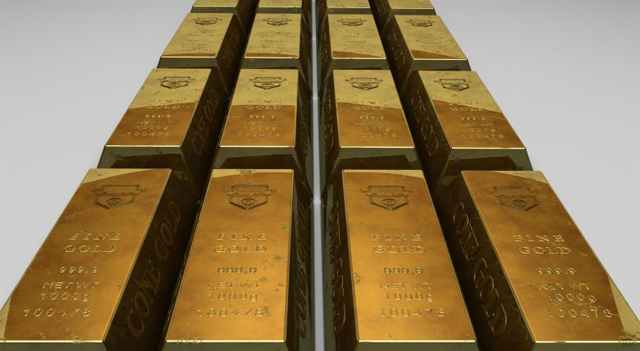
    Spot gold dropped 3.6% to $5,180.26 an ounce, while April gold futures slid 2.8% to $5,199.24 per ounce by 01:28 ET (06:28 GMT). Even after the pullback, bullion remained on track for a standout January, having notched multiple record highs over recent weeks.

    Other precious metals also moved sharply lower after a volatile week. Spot silver fell 5.5% to $109.2920 an ounce after retreating from Thursday’s record peak, while platinum declined 6.5% to $2,474.98 an ounce. The sell-off followed a surge on Thursday that pushed gold close to $5,600 an ounce, driven by heightened safe-haven buying amid reports of potential further U.S. military action against Iran. Market volatility was briefly exacerbated by a technical issue at the London Metal Exchange.

    Trump set to name Fed Chair; Warsh leads speculation

    Trump told reporters on Thursday evening that he plans to announce his nominee for Federal Reserve Chair on Friday morning. Several media outlets have reported that former Fed governor Kevin Warsh is the leading candidate, an interpretation reinforced by Trump’s remarks. “A lot of people think that this is somebody that could have been there a few years ago,” Trump said.

    Warsh, who narrowly missed out on the top Fed role in 2017, has generally supported Trump’s calls for more aggressive interest rate cuts. His potential appointment comes at a time when markets are increasingly alert to questions around the Federal Reserve’s independence, given Trump’s repeated public pressure on the central bank to ease policy more forcefully.

    The Fed held interest rates steady at its meeting earlier this week, and Jerome Powell cautioned during the post-meeting press conference that his successor should steer clear of electoral politics. Trump’s announcement is expected to remove a key source of market uncertainty, which could further dampen near-term demand for gold as a safe haven.

    Nevertheless, expectations that a new Fed leadership team could pursue deeper rate cuts may still support gold prices over the longer term. The relatively smaller drop in gold futures compared with spot prices suggested that investors are already factoring in this possibility.

    Gold still up around 20% in January as silver outperforms

    Despite Friday’s sharp decline, spot gold was still up roughly 20% for January, while other precious metals were also on track for strong monthly gains. The rally has been fuelled by a broad shift into safe-haven assets amid elevated global geopolitical tensions.

    A weaker U.S. dollar—driven by concerns over fiscal sustainability and uncertainty surrounding future interest rate policy—has also underpinned metals markets. Silver has been the standout performer, set to post gains of more than 50% this month, while platinum has risen about 20% and palladium nearly 18%.

  • Markets Jittery as Fed Leadership Question Looms, Apple Shines and Shutdown Risk Fades: Dow Jones, S&P, Nasdaq, Wall Street Futures

    Markets Jittery as Fed Leadership Question Looms, Apple Shines and Shutdown Risk Fades: Dow Jones, S&P, Nasdaq, Wall Street Futures

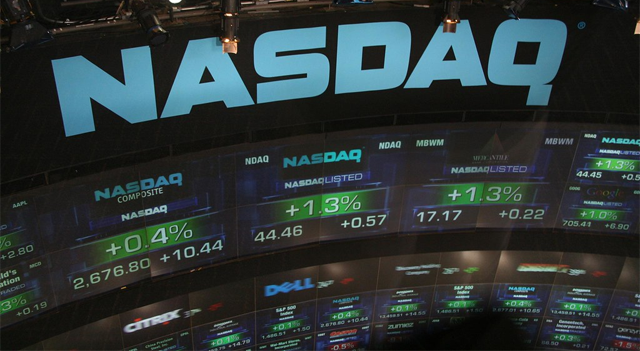
    U.S. equity futures moved lower on Friday as investors weighed the growing likelihood that Kevin Warsh could be named the next chair of the Federal Reserve. While strong corporate news from Apple offered some reassurance, a pullback in precious metals and lingering uncertainty around monetary policy kept risk appetite in check. Political nerves also eased slightly after signs emerged that another U.S. government shutdown has been avoided.

    Apple posts standout iPhone growth and upbeat guidance

    Apple (NASDAQ:AAPL) delivered a strong set of results for its fiscal first quarter, comfortably beating market expectations on both revenue and profit. The holiday period proved especially strong, with iPhone sales jumping 23.3% year on year to $85.27bn, marking the fastest quarterly growth in more than four years and the biggest increase since late 2021.

    Demand for the latest iPhone 17 lineup, particularly higher-end Pro models, helped Apple lift its global smartphone market share to about 20% in 2025, up from 18% the year before. Looking ahead, the company forecast revenue growth of up to 16% for the March quarter, driven by resilient iPhone demand, a rebound in China and accelerating momentum in India. Operating expenses are expected to rise modestly to between $18.4bn and $18.7bn.

    Despite the strong outlook, Apple warned that supply constraints remain an issue. “We’re currently constrained. And at this point, it’s difficult to predict when supply and demand will balance,” CEO Tim Cook said, adding, “we’re seeing less flexibility in supply chains than normal, partly because of our increased demand that I just spoke about.” Ongoing shortages of memory chips continue to limit production across the industry.

    U.S. futures slip as caution returns

    Wall Street futures traded lower as investors adopted a more defensive stance ahead of the anticipated Fed announcement. By early trading, S&P 500 futures were down around 0.8%, Nasdaq 100 futures had fallen close to 0.9% and Dow futures were lower by a similar margin.

    The previous session ended mixed, with the S&P 500 and Nasdaq Composite under pressure following post-earnings weakness in Microsoft (NASDAQ:MSFT), while the Dow Jones Industrial Average edged higher. On a weekly basis, the S&P 500 and Nasdaq remain modestly higher, while the Dow is slightly in negative territory.

    Attention is also turning to another heavy earnings day, with results due from Exxon Mobil (NYSE:XOM), Chevron (NYSE:CVX), American Express (NYSE:AXP), Verizon (NYSE:VZ), Regeneron Pharmaceuticals (NASDAQ:REGN) and Aon (NYSE:AON).

    Kevin Warsh seen as front-runner for Fed role

    President Donald Trump said late Thursday that he will soon announce his nominee to succeed Jerome Powell as Federal Reserve chair, intensifying speculation around former Fed governor Kevin Warsh. “A lot of people think that this is somebody that could have been there a few years ago,” Trump said. “It’s going to be somebody that is very respected, somebody that’s known to everybody in the financial world.”

    Those comments have been widely interpreted as pointing to Warsh, who narrowly missed out on the role in 2017. Reports indicate Warsh visited the White House this week, and multiple media outlets have said the administration is preparing to nominate him. Warsh is generally viewed as supportive of lower interest rates and broadly aligned with Trump’s policy preferences, while still seen as a relatively mainstream choice.

    Trump has repeatedly criticised Powell for not cutting rates more aggressively, sparking concerns about central bank independence. Those concerns were heightened earlier this month when Powell suggested a criminal investigation into a Federal Reserve renovation project was politically motivated.

    Last-minute deal averts government shutdown

    Political risk eased after lawmakers reached a late-night agreement to prevent another federal government shutdown. The White House and Senate Democrats agreed to move forward with a broad package of spending bills, while temporarily separating funding for the Department of Homeland Security and extending it at current levels for two weeks.

    Saturday had been the deadline to pass five spending bills needed to keep large parts of the government running. The compromise is seen as buying time for further negotiations, particularly around immigration enforcement, following renewed scrutiny after the deaths of U.S. citizens Alex Pretti and Renee Good in Minneapolis.

    Gold, silver and oil retreat after sharp rallies

    Commodities pulled back after recent surges. Gold prices fell sharply from record highs after expectations of a less dovish Fed chair boosted the U.S. dollar. Spot gold dropped 3.1% to $5,184.26 an ounce, while April futures fell 4.1% to $5,151.24. Even after the pullback, gold remains up more than 20% so far in January, on track for a sixth consecutive monthly gain and its strongest monthly rise since 1982.

    Other precious metals also cooled after a volatile week, with spot silver sliding 7.3% and platinum down 8.5%. Oil prices eased after a three-day rally, though both Brent and WTI remained on course for weekly gains of more than 5% amid concerns that potential U.S. military action against Iran could disrupt supply. Brent fell to around $68 a barrel, while WTI slipped to about $64.

    Markets are also watching the upcoming OPEC+ meeting on Sunday, where the group is widely expected to keep output unchanged after pausing production increases earlier this year amid concerns about oversupply and weakening global demand.

  • European Markets Advance on Earnings Strength Despite Heightened Geopolitical Risks: DAX, CAC, FTSE100

    European Markets Advance on Earnings Strength Despite Heightened Geopolitical Risks: DAX, CAC, FTSE100

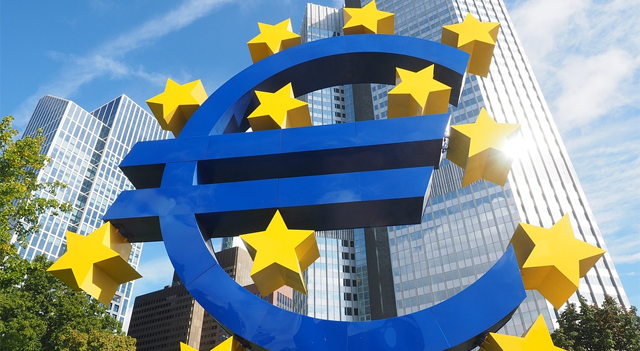
    European equities traded higher on Friday, supported by generally upbeat corporate earnings and resilient economic data, even as geopolitical risks remained firmly in focus. By 09:30 GMT, Germany’s DAX was up around 1%, France’s CAC 40 had added 0.5% and London’s FTSE 100 was 0.2% higher.

    Eurozone economy shows tentative improvement

    Economic data pointed to a gradual recovery across parts of the euro area. France’s economy expanded modestly in the fourth quarter of 2025, easing from the strong rebound seen over the summer but still delivering a better-than-expected performance for the year as a whole. Quarterly GDP growth slowed to 0.2% from 0.5% in the third quarter, while full-year growth reached 0.9%, exceeding the 0.7% assumption used in government budget forecasts.

    In Germany, labour market data highlighted ongoing weakness, with unemployment unchanged in January. On a seasonally adjusted basis, the number of people out of work held steady at 2.976 million, leaving the jobless rate unchanged at 6.3%. Against this backdrop, the European Central Bank is widely expected to leave interest rates unchanged at its meeting next week, with inflation close to target and signs of stabilisation emerging in the broader regional economy.

    Focus turns to geopolitics and the Federal Reserve

    Geopolitical tensions continued to weigh on sentiment. Reports suggested the White House is considering further military action against Iran as additional naval forces move into the region. Separately, U.S. President Donald Trump signed an executive order declaring a national emergency and outlining a framework for potential tariffs on goods from countries that trade oil with Cuba.

    Trump also said late on Thursday that he would announce his nominee for the next Chair of the Federal Reserve later in the session. Media speculation has centred on former Fed Governor Kevin Warsh as the leading candidate.

    Corporate highlights: Adidas, Swatch and Caixabank

    On the corporate front, Adidas (BIT:1ADS) drew attention after reporting record sales for 2025 and announcing a €1bn share buyback programme. Swatch (TG:UHR) said sales rose 4.7% at constant exchange rates in the second half of last year, although the Swiss watch group also reported a sharp decline in full-year profit.

    In the banking sector, CaixaBank (TG:A2RZTQ) posted net profit of €5.89bn for 2025, up 1.8%, delivering a 17.5% return on tangible equity. The bank also cut its non-performing loan ratio to a record low of 2.1% and raised its dividend by 15%.

    In the United States, Apple (NASDAQ:AAPL) comfortably beat profit and revenue expectations for its fiscal first quarter, benefiting from its strongest quarterly iPhone sales growth in more than four years.

    Oil and gold retreat from recent peaks

    Commodity markets pulled back from recent highs. Oil prices eased on Friday, although both benchmarks remained on track for strong weekly gains amid concerns that a potential U.S. strike on Iran could disrupt supplies. Brent crude slipped 0.8% to $69.03 a barrel, while U.S. West Texas Intermediate fell 0.8% to $64.87. Despite the daily decline, both contracts were heading for weekly gains of around 5% and their first monthly rise in six months, with Brent up more than 16% in January and WTI set to gain over 14%.

    Gold prices also dropped sharply, retreating from record levels after news that President Trump is expected to announce his choice for the next Fed Chair later in the day. Kevin Warsh, now seen as the frontrunner, is viewed as less dovish than other candidates, prompting a rebound in the U.S. dollar and pressuring dollar-denominated commodities. Spot gold fell 5.4% to $5,061.59 an ounce, while April gold futures slid 6.4% to $5,024.68. Even so, gold prices remain up more than 20% so far in January, on track for a sixth consecutive monthly gain and their strongest monthly rise since 1982.

  • Chinalco and Rio Tinto Agree $904m Deal for Control of Brazil’s CBA

    Chinalco and Rio Tinto Agree $904m Deal for Control of Brazil’s CBA

    Chinalco and Rio Tinto (LSE:RIO) have agreed to acquire a controlling stake in Brazilian aluminium producer Companhia Brasileira de Aluminio (CBA) in a transaction valued at 4.69 billion reais, or about $904m. The deal will see the two miners purchase 68.6% of CBA, equivalent to 446.6 million shares, at a price of 10.50 reais per share from Brazilian conglomerate Grupo Votorantim.

    In line with Brazilian takeover regulations, the buyers will also be required to make a mandatory offer for the remaining shares in CBA, a process that could ultimately result in the company being delisted from the B3 stock exchange in São Paulo. The acquired stake will be held through a jointly controlled vehicle, with a Chinalco subsidiary owning 67% and Rio Tinto holding the remaining 33%.

    CBA operates a vertically integrated aluminium business with a relatively low-carbon footprint, spanning bauxite mining, alumina refining and aluminium smelting. Alongside its upstream assets, the company manufactures a range of primary aluminium products, positioning it as a strategic platform for the partners as demand grows for responsibly produced aluminium in global markets.

  • Avon Technologies Delivers Robust Q1 as Avon Protection Posts Record Opening

    Avon Technologies Delivers Robust Q1 as Avon Protection Posts Record Opening

    Avon Technologies PLC (LSE:AVON) reported a strong start to its 2026 financial year, with its Avon Protection division delivering a record first quarter driven by sustained demand for chemical, biological, radiological and nuclear (CBRN) protection equipment. The update was released ahead of the group’s Annual General Meeting, held at its Melksham site, and points to solid trading momentum across the business at the outset of the year.

    Performance at Team Wendy was more subdued in the quarter, reflecting delays linked to the recent U.S. government shutdown, which slowed product testing and deliveries. Despite this, the group reiterated its full-year guidance, indicating confidence that the disruption will not have a lasting impact on overall FY26 expectations. Management noted that margins at Team Wendy were also affected by planned increases in investment ahead of higher production rates expected to come through from the second quarter, with these effects described as temporary.

    Chief executive Jos Sclater said the group’s focus on continuous improvement and operational discipline is translating into a more resilient and sustainable business, while acknowledging that further efficiency gains are still required at the Cleveland facility. He added that, having stabilised and reshaped the group over the past three years, Avon is now moving into a more growth-oriented phase of its strategy, supported by increased investment in key programmes and new products. The company said it remains on track to meet, or potentially exceed, its FY26 financial targets.

    More about Avon Technologies PLC

    Avon Technologies PLC is a UK-based defence and protective equipment group supplying advanced personal protection systems to military, law enforcement and first responder customers worldwide. Through its Avon Protection and Team Wendy brands, the company provides CBRN respiratory equipment, helmets and related protection solutions, with a strategic focus on operational excellence, product innovation and expanding addressable markets.

  • Union Jack Oil Delivers Stable UK Production and Expands U.S. Portfolio While Driving Cost Discipline

    Union Jack Oil Delivers Stable UK Production and Expands U.S. Portfolio While Driving Cost Discipline

    Union Jack Oil (LSE:UJO) reported steady operational performance across its UK and US assets, underpinned by consistent output from its flagship Wressle oilfield in Lincolnshire. Wressle continues to rank among the UK’s most productive conventional onshore fields, with average production of around 267 barrels of oil per day in January and meaningful remaining 2P reserves. Elsewhere in the UK, the company highlighted renewed activity at the Keddington oilfield and ongoing progress at the West Newton gas project, where contingent resources and additional prospective targets support longer-term growth potential, subject to securing the necessary regulatory approvals.

    In the United States, Union Jack’s Oklahoma operations, partnered with Reach Oil and Gas, remained cash-flow positive despite a softer oil price environment. Production from the Moccasin and Andrews wells has continued to perform, while near-term catalysts include drilling at the high-impact Crossroads prospect and a planned stimulation programme at the Taylor 1-16 well. The group is also expanding its mineral royalty portfolio, adding diversified, lower-risk exposure to US production. Management said a sharpened focus on cost control and operational efficiency is central to improving corporate cash flow and positioning the business to benefit from future changes in energy policy and commodity markets on both sides of the Atlantic.

    From an investment perspective, Union Jack’s outlook is supported by a very strong balance sheet, with no debt, and a track record of profitability since 2022. These strengths are partly offset by a sharp compression in profitability during 2024 and volatile, at times negative, free cash flow. Market indicators point to some short-term share price strength, although momentum appears overbought and the longer-term trend remains less convincing. Valuation support is limited by a negative price-to-earnings ratio and the absence of a dividend yield.

    More about Union Jack Oil

    Union Jack Oil is an onshore oil and gas company focused on production, development, exploration and investment opportunities in the UK and the United States. Listed on AIM and the OTCQB, the company holds interests in a portfolio of conventional oilfields, gas developments and mineral royalty assets, with a particular emphasis on projects in England’s Humber Basin and cash-generative ventures and royalties across US basins including Oklahoma, the Permian, Bakken and Eagle Ford.

  • Shield Therapeutics Unlocks $7.9m China Milestone as ACCRUFeR® Moves Toward NMPA Filing

    Shield Therapeutics Unlocks $7.9m China Milestone as ACCRUFeR® Moves Toward NMPA Filing

    Shield Therapeutics (LSE:STX) has revised its licensing agreement with Beijing Aosaikang Pharmaceutical for ACCRUFeR® in China, confirming that its partner now expects to submit a marketing authorisation application to China’s National Medical Products Administration in the first quarter of 2026. The filing will incorporate positive Phase 3 paediatric data, which also supported the recent expansion of the US label to include children aged 10 and above. The regulatory step marks a key advance for ACCRUFeR® in one of the world’s largest pharmaceutical markets.

    Under the updated terms, Shield is due to receive a $7.9m development milestone by 31 January 2026, alongside new pricing-related milestones of up to $3m and royalties of up to 10% on future Chinese sales. The company said it plans to use the milestone proceeds to fully repay and terminate its AOP Milestone Monetisation Agreement, doing so at a lower cost than originally expected. This move is intended to simplify Shield’s capital structure and improve its financial flexibility as it continues to build out its commercial strategy in China.

    From an investment standpoint, the outlook is supported by strong share price momentum and the positive impact of recent corporate developments, including progress toward regulatory submission in China. These positives are balanced against ongoing financial and valuation challenges, with management acknowledging that financial stability remains a key risk despite the strategic importance of the Chinese market opportunity.

    More about Shield Therapeutics

    Shield Therapeutics is a commercial-stage specialty pharmaceutical company focused on the treatment of iron deficiency and iron deficiency anaemia through its proprietary oral iron therapy ACCRUFeR®/FeRACCRU® (ferric maltol). The product benefits from patent protection into the mid-2030s and is marketed in the United States through an exclusive collaboration with Viatris, while being licensed to partners across Europe, Canada, China, Japan and other Asia-Pacific territories, addressing a large and growing global market for iron deficiency therapies.

  • AstraZeneca Agrees $1.2bn Partnership With CSPC to Expand Obesity Pipeline

    AstraZeneca Agrees $1.2bn Partnership With CSPC to Expand Obesity Pipeline

    AstraZeneca (LSE:AZN) has signed a strategic collaboration with China-based CSPC Pharmaceuticals aimed at strengthening its position in the rapidly expanding obesity and metabolic disease market. Under the deal, AstraZeneca will obtain exclusive rights outside China to CSPC’s once-monthly injectable therapies for obesity and type 2 diabetes, including a long-acting GLP-1R/GIPR dual agonist that is ready to enter Phase I trials, alongside three additional preclinical candidates. The agreement also provides access to CSPC’s AI-enabled peptide discovery platform and its proprietary LiquidGel technology, which is designed to support sustained, once-monthly dosing.

    The transaction includes an upfront payment of $1.2bn, with the potential for up to $3.5bn in further development and regulatory milestone payments, as well as additional commercial milestones. AstraZeneca believes the collaboration will meaningfully enhance its next-generation weight management portfolio by complementing existing pipeline assets and addressing patient adherence through longer-acting, simplified treatment regimens. Management highlighted obesity as a key strategic growth area, given the scale of unmet medical need and increasing global demand for effective, durable therapies.

    From an investment perspective, AstraZeneca’s outlook continues to be supported by strong financial performance and constructive earnings momentum, alongside steady progress in expanding and diversifying its product pipeline. While valuation remains elevated and technical indicators are only moderately supportive, the CSPC agreement reinforces the company’s long-term growth strategy in cardiovascular, renal and metabolic diseases and strengthens its competitive positioning in one of the pharmaceutical sector’s fastest-growing markets.

    More about AstraZeneca

    AstraZeneca is a global, science-led biopharmaceutical company headquartered in Cambridge, UK, focused on the discovery, development and commercialisation of prescription medicines. Its portfolio spans Oncology, Rare Diseases and BioPharmaceuticals, including cardiovascular, renal and metabolism and respiratory and immunology, with medicines sold in more than 125 countries and used by millions of patients worldwide.

  • Airtel Africa Delivers Robust Nine-Month Performance as Data and Mobile Money Drive Growth

    Airtel Africa Delivers Robust Nine-Month Performance as Data and Mobile Money Drive Growth

    Airtel Africa (LSE:AAF) reported a strong performance for the nine months ended 31 December 2025, reflecting sustained momentum across its telecoms and mobile money businesses. Total customers increased by 10% to 179.4 million, with data subscribers rising 14.6% to 81.8 million as smartphone penetration reached 48.1%. This supported a 16.6% increase in data ARPU, alongside higher average monthly data usage of 8.6GB. Airtel Money continued to scale rapidly, surpassing 52 million customers and processing more than $210bn in annualised transaction value during the third quarter, underpinned by wider ecosystem adoption and increased digital engagement. Mobile money ARPU also advanced on a constant-currency basis.

    Financially, group revenue rose 24.6% in constant currency, or 28.3% on a reported basis, to $4.67bn, led by a 36.5% increase in data revenue and 29.4% growth in mobile money. EBITDA climbed 35.9% to $2.28bn, with margins expanding to 48.9% as operating leverage and cost efficiencies flowed through. Profit after tax more than doubled to $586m, benefiting from stronger operating performance and foreign exchange gains compared with the prior-year period, while basic earnings per share increased to 13.1 cents.

    Investment activity also accelerated, with capital expenditure up 32.2% to $603m. Airtel added around 2,500 new sites and extended its fibre network beyond 81,500 kilometres, lifting population coverage to 81.7%. Improved EBITDA contributed to a reduction in leverage from 2.4x to 1.9x. Management highlighted continued progress on cost efficiency, expanding margins and the strong trajectory of Airtel Money ahead of a planned listing in the first half of 2026, reinforcing confidence in the group’s long-term growth and value creation across its African operations.

    More about Airtel Africa Plc

    Airtel Africa Plc is a leading telecommunications and mobile money provider operating in 14 countries across sub-Saharan Africa. The group offers mobile voice, data and financial services, with a strategy focused on expanding high-quality connectivity, increasing smartphone and broadband penetration, and leveraging its Airtel Money platform to drive financial inclusion and digital transformation across the region.