Author: Fiona Craig

  • Glencore maintains 2026 production outlook as stronger prices counter rising costs

    Glencore maintains 2026 production outlook as stronger prices counter rising costs

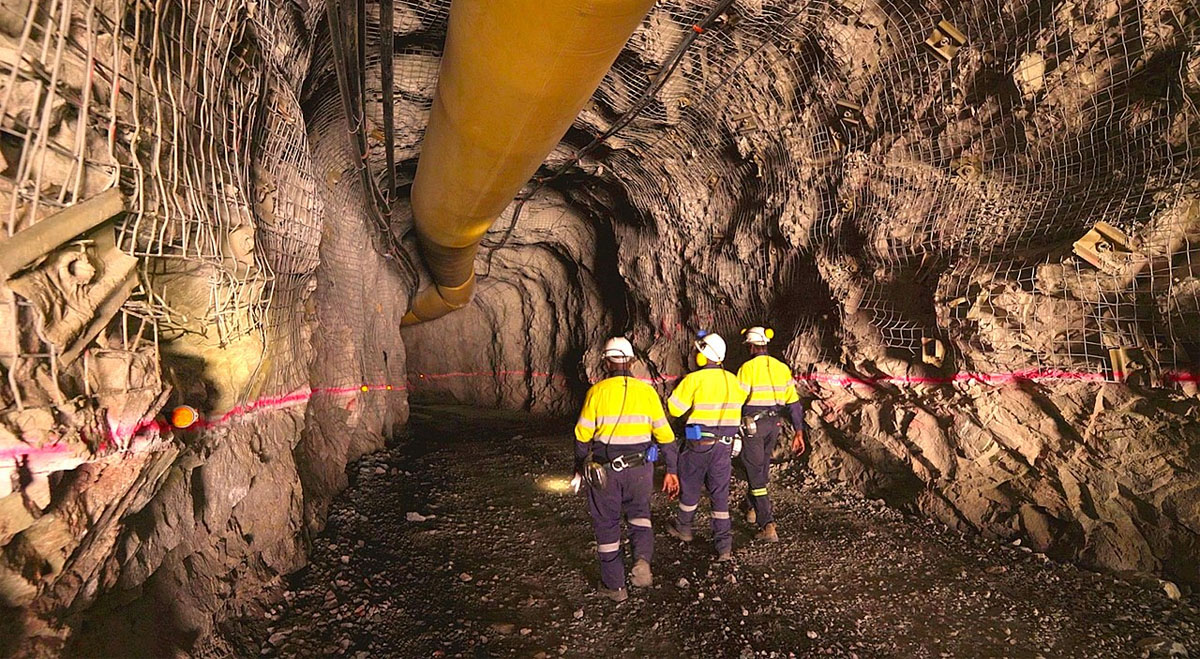
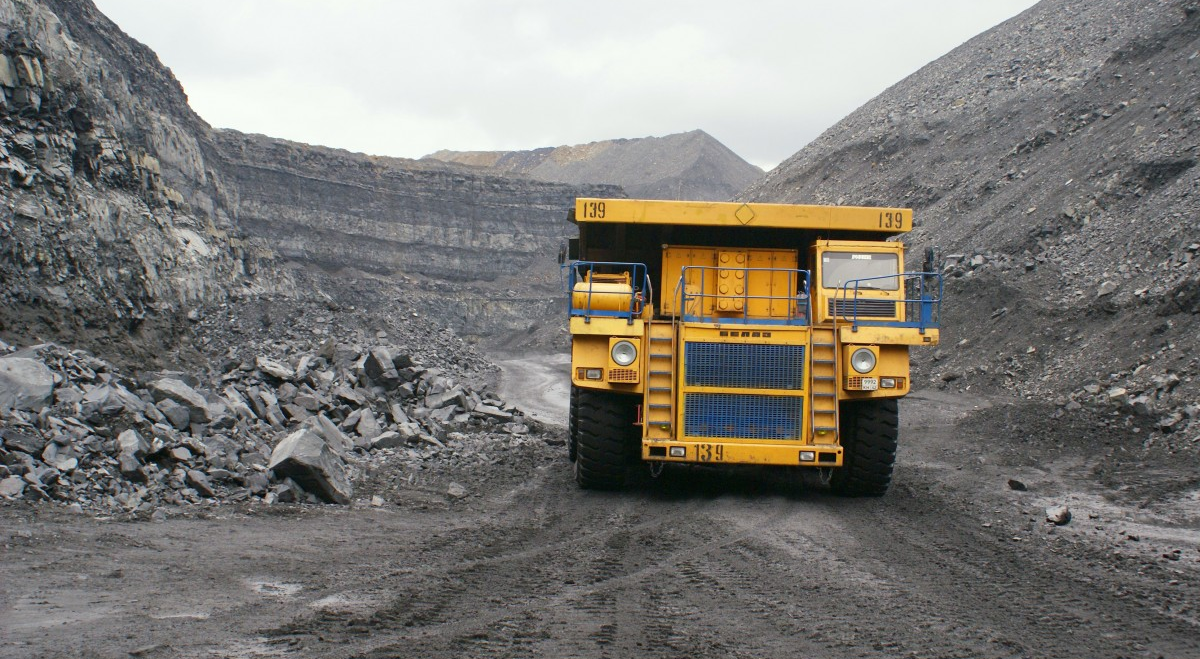
    Glencore (LSE:GLEN) reported first-quarter 2026 production broadly in line with expectations and left its full-year guidance unchanged, despite mine closures in Australia and a range of operational challenges.

    Copper production increased 19%, supported by improved grades in Africa and stronger output from Peru’s Antamina mine. In contrast, volumes for cobalt, zinc, nickel, lead, gold, and steelmaking coal declined, reflecting a mix of maturing assets, quota-driven cobalt prioritisation, and disruptions linked to weather and operational sequencing.

    Higher commodity prices expected to offset cost pressures

    Glencore said ongoing conflict in the Middle East has pushed up input costs, particularly for diesel and sulphuric acid. However, management expects higher prices for copper, zinc, and energy coal — along with solid performance from its marketing division — to more than offset these pressures and support margin expansion.

    Cobalt exports from the Democratic Republic of Congo are currently being managed under a new quota system. The company indicated that existing inventories and established export channels should help stabilise shipments throughout 2026, reinforcing its supply position despite short-term volatility in volumes.

    Mixed financial picture with supportive technical trends

    Glencore’s outlook reflects a mixed financial profile. While revenue and earnings have improved, margins remain thin, leverage is trending higher, and free cash flow conversion is relatively weak.

    On the technical side, the stock shows a positive trend, trading above key moving averages with continued upward momentum.

    Valuation and risks remain in focus

    Valuation remains a headwind, with a relatively high price-to-earnings ratio and only a modest dividend yield. However, recent guidance has been constructive, highlighting potential upside from copper growth opportunities.

    That said, investors continue to monitor operational challenges and cash flow risks, which could influence performance in the near term.

    More about Glencore

    Glencore is one of the world’s largest diversified natural resources companies, producing, processing, recycling, sourcing, and marketing more than 60 commodities. The group operates across more than 30 countries, supplying industries such as automotive, steel, energy, and battery production, while also providing logistics and financing services across global commodity markets.

  • Ceres Power highlights partner deal targeting data centres and heavy industry

    Ceres Power highlights partner deal targeting data centres and heavy industry

    Ceres Power Holdings plc (LSE:CWR), a UK-based clean energy technology company focused on solid oxide fuel cells and electrolysers, continues to advance its licensing-led strategy through partnerships with major industrial players. Its technologies are designed to support electrification and decarbonisation across sectors including data centres, commercial and industrial sites, and harder-to-abate industries such as steel, ammonia, and electrofuels.

    Partner collaboration signals growing commercial traction

    The company pointed to a new infrastructure partnership between its licensee Delta Electronics and Centrica, aimed at delivering off-grid solid oxide fuel cell power solutions for data centres and other energy-intensive applications across the UK and Europe.

    While Ceres Power is not directly involved in the agreement, the collaboration highlights increasing demand for its technology platform and reinforces the strength of its partner ecosystem. The deal is expected to support wider deployment of Ceres’ fuel cell systems through its licensees in high-growth markets.

    Financial challenges persist despite strategic progress

    The company’s outlook remains constrained by ongoing financial challenges, including continued losses and negative cash flow, despite maintaining relatively low leverage.

    That said, recent technical momentum in the stock has been strong, offering some support. Guidance from recent communications points to a cautiously positive outlook, supported by a solid cash position, cost reduction initiatives, and contracted revenue expected in 2026. However, execution risks around manufacturing license agreements and the pace of royalty growth continue to limit near-term upside, while valuation remains under pressure due to negative earnings.

    More about Ceres Power Holdings

    Ceres Power Holdings plc is a UK-listed developer of clean energy technologies, specialising in solid oxide fuel cells for power generation and electrolysers for green hydrogen production. The company operates an asset-light licensing model, partnering with global industrial groups such as Doosan, Delta Electronics, Denso, Shell, Weichai, and Thermax. Its solutions target applications ranging from AI-powered data centres to heavy industry decarbonisation, and the company is recognised under the London Stock Exchange’s Green Economy Mark.

  • Space Technology’s Defining Moment: Inside the Opportunity with Seraphim Space Investment Trust

    Space Technology’s Defining Moment: Inside the Opportunity with Seraphim Space Investment Trust

    The global space industry is no longer a distant dream; it is rapidly becoming one of the most transformative forces shaping the modern economy. At the forefront of this evolution is the Seraphim Space Investment Trust (LSE:SSIT), led by Chief Executive Mark Boggett, providing exposure to the rapidly evolving space technology sector.

    SSIT’s objective seeks to generate capital growth over the long term through investment in a diversified, international portfolio of predominantly unquoted spacetech businesses with the potential to scale globally.

    As the world’s first publicly listed fund dedicated entirely to space tech, SSIT provides diversified access to a carefully curated portfolio of around 25 of the most innovative space companies globally. Backed by over a decade of specialist experience, Seraphim has built a reputation as a pioneer in the sector, launching the first space-tech venture fund, operating the world’s largest space accelerator, and supporting approximately 150 companies across more than 30 countries.

    Through its accelerator and venture platform, Seraphim maintains access to early-stage category leaders in spacetech, creating a multi-stage pipeline from incubation through venture funding to listed exposure via SSIT. This singular focus has positioned Seraphim as a leader in identifying and nurturing high-potential space ventures. The timing is particularly compelling. According to a report by the World Economic Forum and McKinsey, the space economy is expected to grow from approximately $630bn in 2023 to $1.8trn by 2035.

    Over the past decade, the economics of space have fundamentally shifted. Launch costs have fallen dramatically, by nearly 100-fold, thanks to innovations such as reusable rockets. Satellites, once the size of buses, are now compact, cost-efficient systems no larger than a shoebox. By 2025, rocket launches are expected to occur roughly every 27 hours worldwide.

    These advancements have given rise to a powerful new “digital infrastructure in the sky.”

    Satellite constellations are delivering real-time data, global broadband connectivity, and high-resolution imaging that is revolutionising industries ranging from agriculture and insurance to defence and energy.

    Public market investors are increasingly recognising that space infrastructure is no longer speculative, but foundational to modern economies. From defence and sovereign Earth observation to navigation, logistics, financial systems, autonomous technologies, and climate monitoring, space-enabled technologies are becoming embedded in critical infrastructure.

    Looking ahead, the next wave of innovation promises even greater disruption. Breakthroughs such as ultra-low-cost launch systems could enable orbital data centres and space-based solar power, while space infrastructure itself is becoming a critical backbone for the artificial intelligence revolution.

    SSIT’s recent performance reflects the strength of this opportunity. Over the past 12 months, the trust has delivered share price performance, with its share price rising more than 150%. Its portfolio of private holdings has also doubled in value, underscoring the accelerating momentum within the sector.

    The SSIT portfolio spans satellite constellation operators, data-driven software businesses, connectivity providers, in-orbit services (including orbital logistics and satellite servicing), and space situational awareness and debris tracking technologies.

    Several portfolio companies have already emerged as global leaders. For instance, AST SpaceMobile, an early investment for SSIT, has grown from a $300 million valuation to a $35 billion NASDAQ-listed company, pioneering space-based cellular connectivity directly to standard smartphones. Meanwhile, ICEYE, which began without a single satellite, now operates the world’s largest radar satellite constellation and has secured major international contracts, including a landmark agreement with the German government.

    Investment into next-generation spacetech companies increased by 48% year-on-year to approximately $12.4bn in 2025, according to the Seraphim Space Index report, highlighting sustained investor appetite for the sector.

    The trust’s investment focus aligns with some of the most significant global trends: rising defence and security spending, the urgent need for climate and sustainability solutions, and the convergence of artificial intelligence with next-generation infrastructure. Within this, SSIT is particularly focused on areas where space technology is becoming critical to secure and reliable infrastructure, including next-generation positioning systems, resilient navigation, sovereign Earth observation capabilities, and dual-use technologies supported by long-term government demand and increasing commercial adoption.

    Space technology sits uniquely at the intersection of these forces, making it one of the most significant themes of the coming decade.

    After ten years of building expertise, networks, and a proven track record, Seraphim believes the industry is approaching a critical inflection point. The opportunity ahead is vast, with the potential for multiple companies to grow into multi-billion-dollar leaders.

    For investors, SSIT represents exposure to an early-stage transformative global shift. The journey into the space economy has only just begun, and the future is closer than ever.

    For more information visit: https://investors.seraphim.vc

  • Brave Bison delivers fifth straight year of growth and raises 2026 guidance

    Brave Bison delivers fifth straight year of growth and raises 2026 guidance

    Brave Bison (LSE:BBSN) reported its fifth consecutive year of earnings growth, with 2025 net revenue increasing 60% to £34.1 million and adjusted EBITDA rising 51% to £6.8 million, both exceeding market expectations. Statutory profit, however, declined due to costs associated with acquisitions.

    During the year, the group completed five acquisitions, including MiniMBA and MTM, while continuing to expand its artificial intelligence capabilities and client base. Brave Bison also raised £15.5 million in equity, increased its dividend by 10%, and upgraded its outlook for 2026, supported by strong organic growth from MiniMBA and improving performance in its Sport & Entertainment division.

    Strategic investments strengthen platform and growth ambitions

    The company is enhancing its position in marketing effectiveness and skills development through the integration of MiniMBA, alongside acquiring a 28% strategic stake in System1 Group.

    Despite significant investment activity, Brave Bison maintained a net cash position. Management expects both net revenue and adjusted EBITDA in 2026 to exceed current market forecasts, reflecting continued scaling of its diversified digital media and education platform.

    Solid fundamentals balanced by valuation concerns

    Brave Bison’s outlook is supported by improving profitability, low leverage, and positive free cash flow generation. Technical indicators also appear constructive, with the stock trading above key moving averages.

    However, valuation remains a potential concern due to a relatively high price-to-earnings ratio. Additionally, some caution remains around business momentum, given the most recent year’s revenue decline and softer free cash flow.

    More about Brave Bison

    Brave Bison Group is a UK-based marketing and technology partner serving global brands across digital media, sport and entertainment, and eLearning. Its offering includes marketing strategy, AI-powered advertising tools, content creation and livestreaming, search engine optimisation, influencer and sports marketing, and professional training solutions for marketers worldwide.

  • Ariana Resources progresses Dokwe and Tavşan projects with strong drilling and record revenue

    Ariana Resources progresses Dokwe and Tavşan projects with strong drilling and record revenue

    Ariana Resources (LSE:AAU) reported a quarter marked by intensive drilling activity and continued project development, highlighted by a 31-hole reverse circulation programme at the Dokwe Gold Project in Zimbabwe. The campaign delivered multiple high-grade gold intercepts and confirmed the potential to expand near-surface oxide resources beyond the current resource boundaries.

    A follow-up diamond drilling programme is now underway to refine geological models, test extensions at depth and along strike, and support an updated mineral resource estimate expected in the second half of 2026. At the same time, the company is advancing an updated Pre-Feasibility Study, incorporating technical input from Xinhai to help de-risk and accelerate the development timeline for Dokwe.

    Türkiye operations deliver record revenue and production growth

    In Türkiye, Ariana’s associate Zenit Mining Operations produced 4,533 ounces of gold and 10,305 ounces of silver during the first quarter, generating record quarterly revenue supported by strong gold prices and continued ramp-up at the Tavşan heap-leach operation.

    Expanded drilling at Tavşan exceeded initial targets, confirming continuity of mineralisation and extensions across both the Main and South zones. These results are expected to underpin a future resource update and support the mine’s planned eight-year lifespan, reinforcing Ariana’s broader strategy of combining production with growth.

    Financial constraints and valuation remain challenges

    Despite operational progress, the company’s outlook remains constrained by weak operating fundamentals, including limited revenue, recurring losses, and ongoing negative operating and free cash flow, which raise concerns about long-term sustainability.

    However, Ariana maintains a relatively low-leverage balance sheet, providing some financial stability. Technical indicators suggest neutral momentum, while valuation appears stretched due to a high price-to-earnings ratio and the absence of a dividend.

    More about Ariana Resources

    Ariana Resources is a mineral exploration and development company focused on gold assets across Africa and Europe. Its flagship Dokwe Gold Project in Zimbabwe is complemented by a portfolio of interests in Türkiye. Through its stake in Zenit Mining Operations, the company has exposure to producing assets at the Tavşan and Kiziltepe gold-silver mines, positioning it across both development and cash-generating segments of the precious metals sector.

  • Whitbread keeps profits stable while launching margin-focused five-year strategy

    Whitbread keeps profits stable while launching margin-focused five-year strategy

    Whitbread (LSE:WTB) reported flat statutory revenue of £2.92 billion for FY26, with adjusted profit before tax holding steady at £483 million. Strong accommodation sales in both the UK and Germany, along with a return to profitability at Premier Inn Germany, helped offset weaker restaurant performance and ongoing inflationary pressures.

    Statutory profit and earnings declined due to impairments tied to its Accelerating Growth Plan. Despite this, the company maintained its dividend, completed a £250 million share buyback, and continued to outperform the midscale and economy hotel segments. Whitbread also highlighted a solid balance sheet, even as net debt increased.

    Five-year plan targets higher margins and improved returns

    The group unveiled a new five-year strategy aimed at significantly boosting margins and returns by FY31. A key element of the plan is the expansion of its Accelerating Growth Plan, which will see all remaining branded restaurants replaced with integrated, more efficient food and beverage formats.

    This transition is expected to temporarily reduce food and beverage revenue and profitability in FY27 as sites are either exited or converted. However, management believes the move will lower capital intensity, allow for reinvestment into higher-growth opportunities, and strengthen Whitbread’s competitive position across its UK and German hotel operations.

    Strong fundamentals offset by weaker technical signals

    Whitbread continues to demonstrate solid financial health, supported by stable earnings, a resilient balance sheet, and an attractive valuation profile.

    However, technical indicators suggest bearish momentum in the near term, which may weigh on the stock’s performance. While recent corporate actions, including capital returns and strategic initiatives, support investor confidence, these positives are partially offset by weaker technical trends.

    More about Whitbread

    Whitbread PLC is a UK-based hospitality group best known for its Premier Inn budget hotel chain. The company operates primarily in the midscale and economy accommodation segments across the UK and Germany, offering integrated food and beverage services alongside its hotels. Whitbread has been actively reshaping its restaurant estate to focus on more efficient formats and higher-return assets, aligning its strategy with long-term growth and profitability objectives.

  • Blencowe completes Beehive assays ahead of maiden JORC resource at Orom-Cross

    Blencowe completes Beehive assays ahead of maiden JORC resource at Orom-Cross

    Blencowe Resources (LSE:BRES) has released final assay results from 40 shallow drill holes at the Beehive deposit within its Orom-Cross Graphite Project, confirming extensive near-surface graphite mineralisation. The results show grades broadly consistent with assumptions used in the project’s definitive feasibility study.

    The drilling program has outlined the Beehive zone across approximately 1,200 metres of strike and 480 metres in width, with mineralisation still open in multiple directions and at depth. These findings will support the upcoming maiden JORC resource estimate for Beehive, as well as an updated overall resource for Orom-Cross.

    Resource growth strengthens project scale and funding case

    The addition of Beehive is expected to materially enhance the overall scale of the Orom-Cross project. Its near-surface nature could support low-cost open-pit mining, while also strengthening the company’s position in ongoing strategic discussions and funding negotiations.

    Blencowe Resources aims to position Orom-Cross as a significant graphite development project capable of supplying growing demand from battery and industrial markets.

    Financial and technical pressures remain

    Despite operational progress, the company’s outlook continues to be weighed down by weak financial performance, including the absence of revenue, ongoing losses, and negative operating and free cash flow, which deteriorated further in 2025.

    Technical indicators also point to a softer trend, with the share price trading below key short-term averages and momentum remaining subdued. Valuation remains difficult to assess given the negative price-to-earnings ratio.

    More about Blencowe Resources Plc

    Blencowe Resources Plc is a London-listed natural resources company focused on advancing the Orom-Cross Graphite Project in Uganda. The project is centered on large-scale, near-surface graphite deposits, with the goal of producing high-quality graphite concentrates and purified products for use in battery technologies and industrial applications.

  • Synthomer improves margins and cash flow as it sharpens focus on specialty polymers

    Synthomer improves margins and cash flow as it sharpens focus on specialty polymers

    Synthomer (LSE:SYNT) reported 2025 results broadly in line with expectations, with revenue declining 10% due to weaker demand across key end markets. Despite this, the company delivered further margin expansion driven by cost savings and a more favorable product mix, with EBITDA holding resilient at £136.5 million.

    Free cash flow turned positive at £56.6 million, supporting a reduction in net debt to £575 million and keeping leverage within covenant limits. Performance was led by strength in the Adhesive Solutions division, which helped offset softer conditions in Coatings & Construction and Health & Protection.

    Balance sheet strengthened and portfolio reshaped

    The Synthomer reinforced its financial position by refinancing its banking facilities through to 2029, including updated covenant terms. At the same time, it continued to reshape its portfolio toward higher-return specialty polymers, completing three divestments of non-core assets, rationalising sites, and launching 43 new, more sustainable products.

    Management highlighted improving trading momentum heading into 2026, with first-quarter performance ahead of the prior year and expectations for a strong second quarter. The company also sees meaningful medium-term earnings upside from ongoing cost initiatives, portfolio optimisation, and a recovery in underlying demand, though geopolitical uncertainty remains a factor.

    Mixed outlook as financial challenges persist

    Synthomer’s outlook reflects a combination of progress and ongoing challenges. While operational improvements and cash flow generation are encouraging, profitability remains under pressure and leverage is still elevated.

    Technical indicators present a mixed picture, with some short-term positive momentum offset by longer-term bearish trends. Valuation also remains constrained, given the company’s negative price-to-earnings ratio.

    However, recent corporate developments — including insider share purchases and strategic leadership appointments — provide some optimism regarding the company’s future trajectory.

    More about Synthomer

    Synthomer plc is a UK-based manufacturer of high-performance specialty polymers and ingredients used in coatings, construction, adhesives, and health-related applications. Listed in London since 1971, the company operates across three main divisions, serving more than 6,000 customers globally through 29 manufacturing sites and five innovation centers focused on sustainable product development.

    Its products are used in a wide range of applications, including architectural coatings, construction materials, packaging, hygiene products, tyres, and medical gloves. Approximately 20% of its sales volumes come from new or patent-protected products, with growth aligned to long-term trends such as urbanisation, climate transition, and demographic shifts.

  • NCC Group reports H1 profit recovery as Escode divestment progresses

    NCC Group reports H1 profit recovery as Escode divestment progresses

    NCC Group (LSE:NCC) said trading for the first half of 2026 met expectations, with revenue rising around 5% on a constant currency basis to £151.3 million. The company also reported improved gross margins across both its Cyber and Escode divisions.

    Adjusted EBITDA is expected to increase by nearly 28% to £23.5 million, driven largely by a strong rebound in profitability within the Cyber segment. Net debt stood at approximately £10.2 million ahead of the anticipated sale of the Escode business.

    Escode sale and capital returns remain on track

    The planned disposal of Escode is progressing as expected, subject to final regulatory approvals, and is set to generate net proceeds of about £262.4 million. In addition, NCC Group recently completed a £40 million share buyback program.

    The company also confirmed it is continuing to evaluate strategic options for its Cyber division under the UK Takeover Code, while reiterating that full-year adjusted EBITDA should align with board expectations as operational improvements and transformation initiatives continue.

    Financial stability offsets valuation concerns

    NCC Group’s outlook is supported by effective cash flow management and a relatively stable balance sheet, despite ongoing challenges in revenue growth and profitability.

    From a technical standpoint, momentum indicators remain neutral. However, valuation metrics suggest the stock may be trading at elevated levels, which could limit upside potential.

    More about NCC Group plc

    NCC Group plc is a global provider of cyber security and software escrow services, helping organizations strengthen digital resilience across public and private sectors. Operating across Europe, North America, and Asia-Pacific, the company employs around 2,000 people and focuses on delivering technology-driven solutions to address evolving cyber security threats.

  • Drax strengthens UK energy security with flexible renewables expansion and shareholder returns

    Drax strengthens UK energy security with flexible renewables expansion and shareholder returns

    Drax Group (LSE:DRX) reported a solid start to 2026, with operational performance supporting expectations for full-year adjusted EBITDA in line with market consensus. The outlook is underpinned by strong contracted power sales and index-linked Capacity Market agreements, which provide earnings visibility through to 2043.

    The Drax Group is continuing to expand its flexible generation capabilities across the UK. This includes progress on new open-cycle gas turbine projects, growth in its battery storage pipeline following the acquisition of Flexitricity, and ongoing upgrades at the Cruachan pumped storage facility.

    Capital returns highlight confidence in cash generation

    Drax also signaled confidence in its financial position by announcing a £450 million share buyback program while maintaining its dividend. These moves reflect management’s confidence in the group’s ability to generate strong cash flows and sustain shareholder returns as it positions itself for the long-term transition to a lower-carbon and more secure energy system.

    Financial and technical outlook remain balanced

    The company’s outlook is supported by solid cash generation and manageable leverage, although recent profitability has been more moderate. On the technical side, the stock is trading above key moving averages, with broadly neutral momentum.

    Valuation metrics remain attractive, supported by a favorable price-to-earnings ratio and dividend yield. Management commentary also reinforced expectations for multi-year free cash flow generation and continued shareholder returns. However, these positives are partly offset by impairments and near-term earnings pressure linked to the new Contracts for Difference (CfD) regime.

    More about Drax Group plc

    Drax Group plc is a UK-based energy company focused on renewable and flexible power generation. Its portfolio includes biomass, hydro, pumped storage, open-cycle gas turbines, and battery energy storage. The company also produces biomass pellets, primarily in North America, and plays a significant role in supporting UK energy security by supplying a substantial portion of the country’s renewable electricity.