Author: Fiona Craig

  • European Green Transition Sees Wind Services Momentum Building as Repowering Opportunity Accelerates

    European Green Transition Sees Wind Services Momentum Building as Repowering Opportunity Accelerates

    European Green Transition plc (LSE:EGT) is entering the second half of 2026 with growing confidence, as its wind energy services business continues to build momentum and a significant repowering opportunity begins to emerge across its established customer base.

    In a recent Watch List interview, Executive Chairman Cathal Friel outlined why the company believes it is well positioned to capitalise on the next phase of the UK’s renewable energy expansion, highlighting strong recurring revenues, an extensive installed customer base, and multiple long-term infrastructure growth opportunities.

    Following the acquisition of its wind energy services business, European Green Transition now maintains and services approximately 1,000 onshore wind turbines across the UK. With many of these assets approaching 10 to 12 years of age, operators are increasingly looking to repower existing sites by replacing older equipment with more efficient technology, rather than developing entirely new projects.

    That trend is creating what the company estimates is a £126 million qualified repowering opportunity within its existing customer base alone.

    Revenue Momentum Continues to Build

    European Green Transition expects wind energy services revenue to reach £17-18 million during 2026, but Cathal Friel suggested the business could outperform current expectations.

    Rather than relying on winning entirely new customers, the company is benefiting from long-standing relationships built over more than a decade, providing a strong platform for repeat business and additional services.

    Friel also reiterated his confidence that the business can continue scaling rapidly, pointing towards a near-term ambition of reaching £50 million in annual revenue, potentially sooner than previously anticipated.

    This confidence reflects the growing demand for turbine maintenance, upgrades and repowering as the UK’s onshore wind market accelerates following recent policy changes supporting renewable energy development.

    Repowering Represents a Major Growth Engine

    Repowering has become one of the most attractive areas within the renewable energy sector.

    Instead of developing new wind farms from the ground up, operators can significantly increase electricity generation by replacing ageing turbines on existing sites, reducing planning challenges while improving efficiency.

    European Green Transition believes more than one-third of the turbines it currently maintains are candidates for repowering.

    Importantly, these opportunities already exist within its own customer network, reducing the cost and uncertainty often associated with winning entirely new business.

    As additional contracts are secured, investors can expect regular market updates as the company’s order book continues to develop.

    A Business with Multiple Growth Drivers

    While wind services remains the core business today, management is clearly focused on building a broader engineering platform capable of benefiting from several major infrastructure themes.

    Alongside turbine servicing and repowering, European Green Transition is positioning itself to participate in the substantial investment planned for electricity grid upgrades across both the UK and Ireland.

    As renewable generation expands, transmission infrastructure requires significant modernisation, creating one of the largest engineering investment cycles currently underway.

    The company also sees opportunities emerging within the rapidly expanding AI data centre market, where demand for specialist electrical engineering expertise continues to grow.

    By leveraging its engineering capabilities across multiple sectors, European Green Transition aims to create a more diversified business with several complementary revenue streams.

    Positioned for the Next Phase of the Energy Transition

    European Green Transition’s evolution into a revenue-generating engineering business marks a significant shift in its corporate profile.

    Rather than focusing solely on early-stage green technology opportunities, the company is now participating directly in the delivery and maintenance of critical renewable infrastructure while positioning itself to benefit from future investment in grid modernisation and digital infrastructure.

    With recurring revenues, an established customer base, a sizeable repowering pipeline and clear expansion opportunities beyond wind energy, the business appears increasingly well placed to benefit from the next stage of the UK’s energy transition.

    As Cathal Friel highlighted during the interview, the coming 12 to 18 months could see European Green Transition build on its strong operational momentum while expanding into several of the fastest-growing infrastructure markets in Europe.

    For more information visit – https://www.europeangreentransition.com/
  • TotalEnergies Expands European Renewables Portfolio with Shell Acquisition

    TotalEnergies Expands European Renewables Portfolio with Shell Acquisition

    TotalEnergies (EU:TTE) has agreed to acquire Shell’s (LSE:SHEL) onshore renewable energy business in Europe while simultaneously selling a 50% interest in a €1.8 billion renewable asset portfolio to KKR, continuing its strategy of recycling capital to fund growth across its Integrated Power business.

    The French energy group announced on Monday that the two transactions are designed to strengthen its electricity generation platform while optimising investment across its expanding renewables portfolio.

    Shell Deal Adds Renewable Assets Across Key European Markets

    Under the agreement, TotalEnergies will purchase Shell’s entire European onshore renewables business.

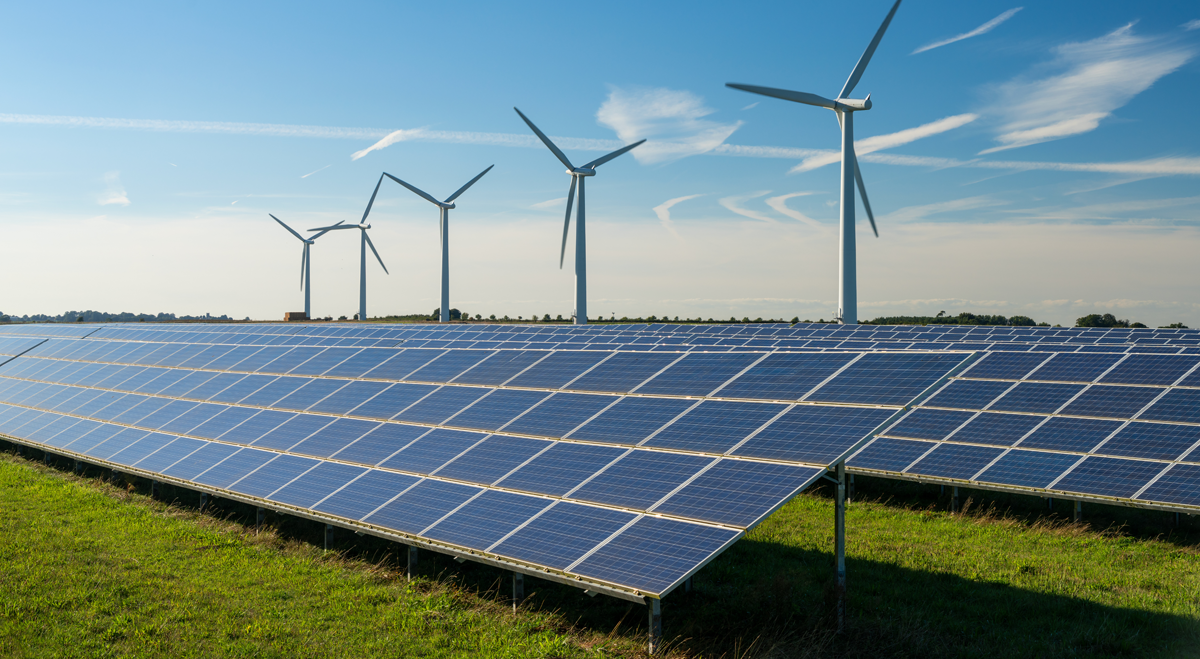
    The acquisition includes around 500 megawatts of solar and wind capacity that is either already operational or currently under construction, with most of the assets located in Italy and the Netherlands.

    The transaction also includes a development pipeline of approximately 3.5 gigawatts covering solar, wind and battery storage projects across Italy, the United Kingdom and Spain.

    Once regulatory approvals have been obtained and the transaction is completed, which is expected before the end of 2026, TotalEnergies will assume full ownership of the portfolio.

    KKR Investment Supports Capital Recycling Strategy

    In a separate transaction, TotalEnergies has agreed to sell a 50% stake in a portfolio of onshore solar and wind assets to an insurance account managed by global investment firm KKR.

    The portfolio comprises approximately 1.2 gigawatts of renewable generation capacity located in Germany, Spain, France and Poland and carries an enterprise value of €1.8 billion.

    Electricity generated by these assets has already been contracted to third parties or will continue to be marketed by TotalEnergies.

    Following completion of the transaction, expected during 2026 subject to customary closing conditions, TotalEnergies will retain the remaining 50% ownership interest while continuing to operate the assets.

    Strategy Focuses on Long-Term Power Growth

    The company said both agreements are consistent with its strategy of developing renewable energy projects before selling minority stakes to recycle capital into new investments.

    According to TotalEnergies, acquiring Shell’s renewable assets will reinforce its position in four major deregulated European electricity markets while complementing the flexible gas-fired generation capacity provided through TTEP, its joint venture with EPH.

    “In line with our strategy, these two transactions enable us to optimize our capital allocation in renewables while continuing to deploy our Integrated Power strategy,” said Stéphane Michel, President, Gas, Renewables & Power at TotalEnergies.

    “The acquisition of Shell’s onshore renewables assets in Europe strengthens our power generation positions in selected key deregulated markets across Europe and supports the implementation of our integrated strategy across the electricity value chain, complementing the flexible generation capacity of the gas-fired power plants of TTEP, our joint venture with EPH, particularly in Italy, the Netherlands and the United Kingdom.”

    Michel added that the agreement with KKR highlights the company’s ability to execute its renewable energy model “in order for Integrated Power to reach a ROACE of 12% by 2030.”

    Renewable Capacity Continues to Grow

    Following the acquisition, TotalEnergies’ European renewables portfolio will comprise close to 10 gigawatts of installed or under-construction capacity, supported by an additional 27 gigawatts of projects currently under development.

    Globally, the company had more than 37 gigawatts of gross renewable generation capacity at the end of June 2026 and continues to target net electricity production exceeding 100 terawatt-hours by 2030.

  • Market Open: AstraZeneca Merger Talks, easyJet Takeover Timeline

    Market Open: AstraZeneca Merger Talks, easyJet Takeover Timeline

    FTSE 100 steadies as AstraZeneca weighs on the index, European shares rise, and Brent crude falls amid renewed US-Iran diplomatic talks.

    Market Overview

    The FTSE 100 opened broadly unchanged at 10,868.09, while the Euronext 100 edged lower by 0.01 per cent. Germany’s DAX opened 1.13 per cent higher. Overnight in the United States, the Nasdaq closed higher at 25,373.85 and the S&P 500 gained to 7,489.72. European markets found support as falling oil prices and renewed US-Iran diplomatic discussions improved sentiment, although the FTSE lagged as weakness in energy shares and AstraZeneca weighed on the index.

    Oil markets remained under pressure after reports that planned US action against Iran was shelved in favour of fresh talks, reducing supply concerns and weighing on Brent crude. Copper strengthened, gold moved higher and natural gas also advanced. Against sterling, the US dollar, euro and Australian dollar edged firmer, while the Swiss franc and Japanese yen weakened slightly. Bitcoin was down.


    Market Numbers

    FTSE 100: Up (+0.001%), 10,868.09
    Euronext 100: Down (-0.01%), 1,925.52
    DAX: Up (+1.13%), 25,917.59
    NASDAQ: Up, 25,373.85
    S&P 500: Up, 7,489.72


    In the Headlines

    Merger Report – AstraZeneca (LSE:AZN)
    AstraZeneca shares fell after reports that the company had held merger discussions with Bristol Myers Squibb. While no agreement has been reached, the prospect of a deal involving two of the world’s largest pharmaceutical companies drew significant market attention and weighed on the FTSE 100.

    Takeover Process – easyJet (LSE:EZJ)
    easyJet has been granted an extension to the takeover timetable as Apollo Global Management and Castlelake continue acquisition discussions. The additional time allows negotiations to continue while investors await further developments on any potential offer.


    Currencies (vs GBP)

    USD: Up (+0.01%), $1.3491
    CHF: Down (-0.08%), Fr.1.0888
    EUR: Up (+0.01%), €1.1688
    JPY: Down (-0.03%), ¥212.6065
    AUD: Up (+0.02%), $1.9148
    Bitcoin (BTC/GBP): Down, £46,474.91


    Commodities

    Copper: Up
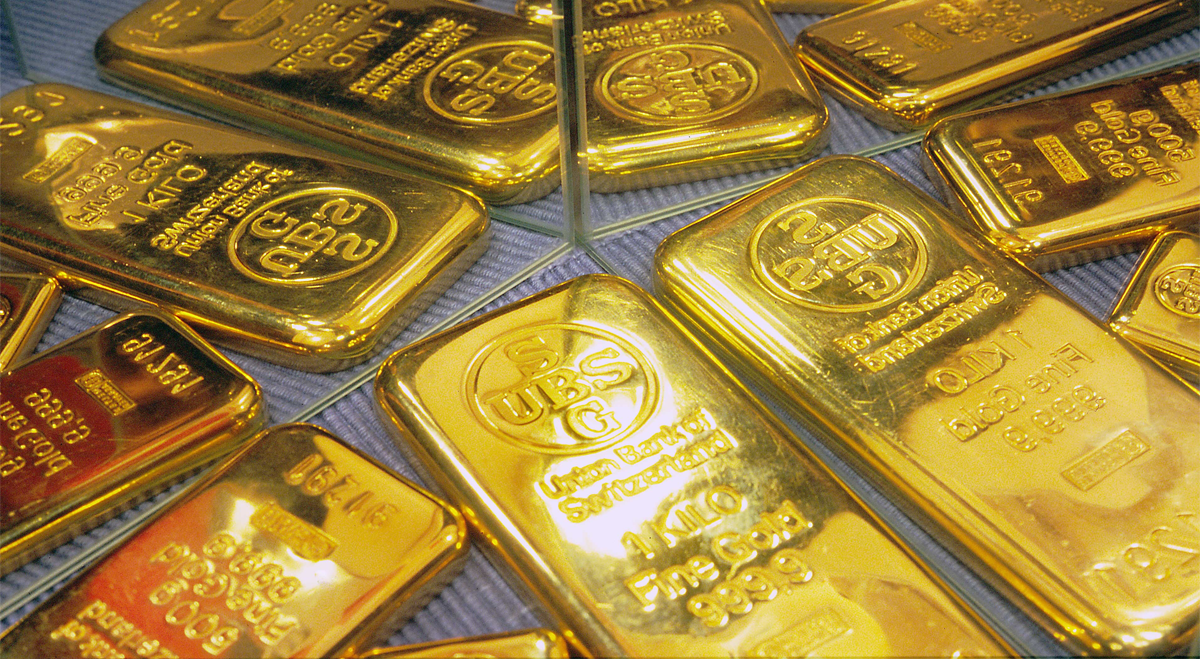
    Gold: Up
    Brent Crude: Down
    Natural Gas: Up

  • Oil Prices Tumble After Trump Revives Iran Negotiations and OPEC+ Raises Output

    Oil Prices Tumble After Trump Revives Iran Negotiations and OPEC+ Raises Output

    Crude oil prices dropped sharply on Monday, falling more than 6% during Asian trading after U.S. President Donald Trump announced that diplomatic talks with Iran would resume, prompting investors to reduce expectations of an immediate military escalation in the Middle East.

    By 02:51 ET (06:51 GMT), October Brent crude futures had fallen 5.7% to $82.94 per barrel, while September West Texas Intermediate (WTI) futures declined 6.5% to $79.16 per barrel.

    Despite Monday’s sell-off, both benchmarks still posted gains of more than 20% during July, even after losing more than 5% over the previous week.

    Trump Pauses Military Action in Favour of Diplomacy

    Late on Saturday, President Trump said he had decided not to proceed with a planned large-scale military strike against Iran after Tehran and several Middle Eastern countries requested additional time to pursue negotiations.

    “This (deal) would include the Immediate, Complete, and Total OPENING OF THE HORMUZ STRAIT, and an end to Iran’s nuclear threat,” Trump wrote in a Truth Social post.

    While signalling support for diplomacy, Trump also stressed that military action remained an option if negotiations failed to produce an agreement.

    The announcement encouraged traders to scale back fears of an immediate disruption to global oil supplies, triggering broad selling across crude markets.

    Geopolitical Tensions Had Previously Driven Oil Higher

    Oil prices had surged during the previous week after the conflict expanded beyond the Gulf region, raising concerns that critical energy infrastructure and key shipping routes could become increasingly vulnerable.

    Iran-backed forces launched drone attacks on Saudi Arabian oil facilities, while strikes targeted natural gas vessels at Egypt’s Damietta port. Shipping lanes through both the Strait of Hormuz and the Red Sea also came under pressure, reinforcing fears that multiple strategic energy corridors could be disrupted.

    Those developments briefly pushed Brent crude above $90 per barrel before sentiment reversed following Trump’s latest announcement.

    OPEC+ Decision Adds to Downward Pressure

    Crude prices also weakened after OPEC+ agreed on Sunday to increase production quotas by approximately 188,000 barrels per day from September.

    The decision completes the reversal of one stage of the voluntary production cuts introduced in 2023 as the producer group gradually restores supply.

    Earlier quota increases had only a limited effect because production disruptions in Iran, Russia and Kazakhstan offset much of the additional output. However, the latest move suggests OPEC+ believes improving geopolitical conditions now provide greater scope to increase production without destabilising the market.

  • Gold Prices Climb as Dollar Weakness Counters Fed Rate Concerns

    Gold Prices Climb as Dollar Weakness Counters Fed Rate Concerns

    Gold traded higher on Monday, benefiting from a weaker U.S. dollar after oil prices retreated sharply on renewed hopes of a diplomatic solution in the Middle East. Despite the positive move in precious metals, investors remained cautious ahead of a series of major U.S. economic releases expected to influence expectations for Federal Reserve interest rates.

    As of 01:43 ET (05:43 GMT), spot gold (XAU/USD) was up 0.5% at $4,062.41 per ounce, while gold futures gained 0.3% to $4,117.35. Silver (XAG/USD) advanced 0.6% to $57.98 per ounce and platinum (XPT/USD) rose 0.3% to $1,650.18.

    Falling Oil Prices Boost Safe-Haven Demand

    The precious metal strengthened after U.S. President Donald Trump announced that Iran and several Middle Eastern nations had requested additional time to complete an agreement aimed at reopening the Strait of Hormuz and addressing concerns over Tehran’s nuclear programme.

    The announcement reduced fears of an imminent military escalation, triggering a decline of more than $5 per barrel in crude oil prices during Asian trading hours.

    Lower oil prices eased immediate concerns about energy-driven inflation, reducing expectations that central banks may need to tighten monetary policy more aggressively.

    At the same time, the U.S. Dollar Index slipped further below the 100 level to around 99.7. Because gold is priced in dollars, a weaker U.S. currency makes the metal more affordable for overseas investors, helping to increase demand.

    Federal Reserve Policy Remains a Key Market Driver

    Although bullion started the week on a positive note, traders continued to assess the outlook for U.S. monetary policy following comments from three Federal Reserve officials who dissented at last week’s policy meeting.

    The policymakers argued on Friday that inflation remains above the central bank’s target and that another interest rate increase is needed to maintain the Federal Reserve’s credibility in fighting price pressures.

    Higher interest rates generally reduce the attractiveness of gold because the metal does not generate income, making interest-bearing assets relatively more appealing.

    Technical Picture Suggests More Confirmation Is Needed

    Tony Sycamore, senior market analyst at IG, said he continues to expect higher gold prices over the longer term, although recent trading has not matched those expectations.

    “Our bias has been for gold prices to move higher in recent weeks, but the price action has been disappointing to say the least,” Sycamore said.

    According to Sycamore, gold must break above resistance between $4,110 and $4,120 before targeting the early July high of $4,202. Such a move would indicate that prices have established a durable base above the late-June low of $3,942 and could signal the beginning of a broader upward trend.

    Until that happens, he believes the possibility of another decline toward the $3,942 support level cannot be ruled out.

    Economic Calendar Could Shape the Next Move

    Investors will now focus on several important U.S. economic reports scheduled for this week, which may provide further guidance on the Federal Reserve’s next policy decision.

    Among the key releases are the JOLTS job openings survey, the ADP private employment report, weekly initial jobless claims and Friday’s nonfarm payrolls report, all of which will be closely watched for indications about labour market strength and inflationary pressures.

  • U.S. Futures Advance as Iran Diplomacy, Economic Data and Palantir Earnings Dominate Investor Focus: Dow Jones, S&P, Nasdaq, Wall Street

    U.S. Futures Advance as Iran Diplomacy, Economic Data and Palantir Earnings Dominate Investor Focus: Dow Jones, S&P, Nasdaq, Wall Street

    U.S. stock index futures traded higher on Monday as investors weighed renewed diplomatic efforts between Washington and Tehran while preparing for another busy week of corporate earnings and key economic releases. Market participants continued to monitor developments in artificial intelligence, geopolitical risks and central bank expectations, all of which are expected to influence sentiment in the days ahead.

    By 02:00 ET (06:00 GMT), Dow Jones futures had gained 277 points, or 0.5%. S&P 500 futures were up 44 points, or 0.6%, while Nasdaq 100 futures climbed 239 points, or 0.8%.

    The positive start followed Friday’s advance on Wall Street, where technology stocks once again provided the strongest support for the broader market. Investors were encouraged by another round of corporate earnings that reinforced confidence in long-term artificial intelligence spending despite recent questions surrounding the sector’s lofty valuations.

    Big Tech Earnings Help Restore Confidence in AI Investment

    Amazon delivered its strongest quarterly revenue growth in more than four years, helping ease concerns that spending on artificial intelligence infrastructure may be slowing. The company’s results, combined with another strong quarter from Microsoft, reassured investors after more mixed reactions to earnings from Apple and Meta Platforms.

    Although enthusiasm surrounding AI-related stocks has become more measured over recent months, there is still little evidence that demand for artificial intelligence technologies is weakening.

    The Philadelphia Semiconductor Index, which tracks many of the leading chip manufacturers supplying processors for AI applications, edged 0.07% higher during Friday’s session. Despite the gain, the index remains more than 20% below the record closing high reached on June 22, illustrating how volatile sentiment has become across the semiconductor sector.

    John Higgins, Chief Economic Advisor at Capital Economics, said recent market weakness reflects changing investor positioning rather than deteriorating demand for artificial intelligence.

    “That may help to explain the rebound [late last week] in the share prices of some of the behemoths at the heart of the AI revolution,” Higgins wrote.

    His comments suggest that investors continue to differentiate between short-term valuation concerns and the longer-term structural growth outlook for AI.

    Diplomatic Efforts Shift Attention Back to the Middle East

    Geopolitical developments returned to the forefront after U.S. President Donald Trump announced that a planned military strike against Iran had been cancelled in favour of renewed diplomatic negotiations.

    Trump indicated that direct discussions with Iranian officials would begin on Monday as both sides attempt to reach an agreement that could lead to the reopening of the Strait of Hormuz, one of the world’s most strategically important shipping routes for crude oil exports.

    Speaking to reporters aboard Air Force One, Trump said the United States was engaging with Iran “in the form of negotiations… it starts tomorrow afternoon and we’ll see if it’s true.”

    The president also stated on social media that requests from Iran and several Middle Eastern countries had helped pave the way for the latest diplomatic initiative, adding that the broad “perimeters” of an agreement had already been established.

    Saudi media reports suggested that Crown Prince Mohammed bin Salman had encouraged Washington to prioritise diplomacy in an effort to prevent the conflict from expanding across the region.

    However, analysts warned that investors should remain cautious. Earlier ceasefire agreements designed to reopen the Strait of Hormuz ultimately collapsed after only a few weeks, and many market participants remain sceptical that the latest negotiations will deliver a lasting resolution.

    Analysts at Vital Knowledge noted that previous diplomatic breakthroughs have quickly unravelled, reminding investors that geopolitical risks remain elevated despite the latest signs of progress.

    Oil Prices Fall as OPEC+ Adds Further Pressure

    The prospect of renewed diplomacy triggered a sharp decline in energy prices, with Brent crude falling 5.1% to $83.44 per barrel.

    Oil markets also came under additional pressure after OPEC+ announced a modest production increase of approximately 188,000 barrels per day, effectively completing the reversal of the group’s 1.65 million barrel-per-day production cuts introduced during 2023.

    The combination of higher supply expectations and reduced fears of disruption to Middle Eastern exports prompted investors to reassess the near-term outlook for oil prices.

    Only last month, Brent crude had surged approximately 24% following the collapse of the previous U.S.-Iran ceasefire arrangement. Despite Monday’s sharp decline, several analysts continue to forecast higher oil prices later this year given the uncertain geopolitical backdrop.

    Trump has repeatedly argued that elevated oil prices are an acceptable consequence of preventing Iran from obtaining nuclear weapons. Nevertheless, the White House has also faced growing domestic criticism over higher energy costs feeding into inflation, an issue that could become increasingly important as November’s U.S. midterm elections approach.

    A sustained rise in gasoline prices could weigh on voter sentiment, raising political pressure on the administration ahead of the elections.

    Manufacturing Data Set to Provide Fresh Economic Signals

    Away from geopolitics, investors are also awaiting the latest U.S. manufacturing data from the Institute for Supply Management (ISM).

    Economists expect the July manufacturing index to improve to 54.0 from 53.3 in June. Any reading above 50 signals expansion in manufacturing activity, a sector representing just over 9% of the U.S. economy.

    June’s reading had softened as companies scaled back efforts to accelerate orders ahead of potential supply chain disruptions linked to the conflict in the Middle East.

    Despite that moderation, the manufacturing sector has now expanded for six consecutive months, supported in part by continued investment in artificial intelligence infrastructure and resilient corporate spending.

    The ISM report will be closely monitored for further evidence on business confidence, production activity and pricing pressures as investors continue to assess the outlook for Federal Reserve policy.

    Palantir Earnings Take Centre Stage

    After Monday’s closing bell, attention will shift to Palantir Technologies (NASDAQ:PLTR), one of the highest-profile companies associated with artificial intelligence.

    The software group has benefited from rapidly growing demand for its AI-driven analytics platforms across both government agencies and commercial customers.

    During the first quarter, Palantir reported record revenue of $1.63 billion, representing year-over-year growth of 85%. Strong demand from U.S. military contracts, together with expanding adoption of its commercial AI software, has positioned the company as one of the sector’s fastest-growing businesses.

    Palantir’s Maven AI platform, which processes battlefield intelligence and assists military personnel in identifying targets, is expected to remain an important component of U.S. defence operations.

    Management has forecast fiscal 2026 revenue of between $7.65 billion and $7.66 billion, reflecting confidence that demand for its software will remain robust.

    Nevertheless, investors will also be watching for signs of increasing competition from emerging artificial intelligence developers. Several analysts have pointed to companies such as Anthropic as potential challengers capable of offering lower-cost AI solutions.

    Earlier this year, Palantir executives criticised rival products, referring to them as “AI slop.”

    Despite its strong operational performance, Palantir’s shares have fallen more than 26% since the beginning of the year as investors reassess valuations across the AI sector.

  • European Stocks Advance as Falling Oil Prices Lift Market Sentiment: DAX, CAC, FTSE100

    European Stocks Advance as Falling Oil Prices Lift Market Sentiment: DAX, CAC, FTSE100

    European equity markets moved higher on Monday, approaching record levels as a sharp decline in crude oil prices boosted investor confidence despite lingering concerns over inflation and economic growth.

    The pan-European STOXX 600 gained 0.4% in early trading, extending the positive momentum seen at the end of July. Strong second-quarter corporate earnings helped regional markets finish the month on a solid footing despite geopolitical tensions in the Middle East and ongoing debate over artificial intelligence valuations.

    Germany’s DAX rose 0.9%, France’s CAC 40 added 0.8% and Italy’s FTSE MIB climbed 0.7%, while London’s FTSE 100 slipped 0.1%.

    Oil Price Decline Supports European Equities

    Investor sentiment improved after U.S. President Donald Trump announced that direct talks with Iranian officials were scheduled to begin on Monday. Trump also said he had cancelled a planned military strike in an effort to reach an agreement on reopening the Strait of Hormuz.

    The president said the United States was engaging with Iran “in the form of negotiations… it starts tomorrow afternoon and we’ll see if it’s true.”

    The prospect of renewed diplomacy triggered a decline of more than 4% in global crude oil prices, easing concerns over energy costs and providing support for European markets.

    Lower oil prices particularly benefited industrial companies, airlines and consumer-focused businesses that have been under pressure from elevated input costs in recent months.

    Investors Monitor Corporate and Economic Developments

    Among individual stocks, AstraZeneca (LSE:AZN) fell around 7% after reports that the pharmaceutical company had held preliminary merger discussions with Bristol Myers Squibb. A potential combination would create one of the world’s largest pharmaceutical businesses.

    Prysmian (BIT:PRY) gained around 1% after reports suggested the cable manufacturer was in advanced discussions to acquire Atkore.

    Investors also assessed the latest economic indicators from across the eurozone. Final July Purchasing Managers’ Index (PMI) data pointed to stabilising business activity, while German retail sales figures provided further insight into consumer demand in Europe’s largest economy.

    Inflation Outlook Remains in Focus

    Despite Monday’s stronger market performance, investors continue to monitor inflation and central bank policy closely.

    Recent U.S. inflation figures offered some encouragement after June’s Personal Consumption Expenditures (PCE) index came in below expectations, although core inflation remained above the Federal Reserve’s target.

    In Europe, preliminary data showed annual inflation rising to 2.9% in July from 2.8% in June. Although slower food price growth and signs of easing labour market conditions provided some reassurance, persistent services inflation and resilient eurozone economic growth continue to support expectations that the European Central Bank may raise interest rates again later this year.

  • JPMorgan Sees Further Upside for European Equities

    JPMorgan Sees Further Upside for European Equities

    European equity markets continue to trade near record highs despite recent geopolitical uncertainty linked to tensions involving Iran. In a recent research note, JPMorgan reiterated its positive outlook for the region, arguing that corporate earnings are beginning to recover after several years of relatively muted growth.

    The bank’s analysts also said they do not expect inflation expectations to become unanchored, a scenario that could allow the European Central Bank (ECB) to adopt a less aggressive approach to future interest rate increases than financial markets currently anticipate.

    Improving Fundamentals Support the Investment Case

    JPMorgan believes several factors continue to support European equities. Analysts pointed to strengthening corporate earnings, valuations that remain below those of comparable U.S. companies and generally higher returns to shareholders through dividends and share buybacks.

    The bank also highlighted a more supportive regulatory environment, which it believes is encouraging a recovery in mergers and acquisitions (M&A) activity following the slowdown experienced in 2023.

    “Eurozone PMIs, credit growth, and earnings revisions are all trending positive, with the CESI hitting a two-year high. After outperforming the US last year, accounting for 7% of total return in local currency terms, eurozone equities are slightly ahead again this year, up 12% versus 9%, respectively,” JPMorgan said.

    Rotation Beyond Artificial Intelligence

    Although the bank believes the recent market rotation away from high-momentum stocks is becoming more mature, it continues to favour portfolio diversification during the second half of the year.

    According to JPMorgan, artificial intelligence is likely to remain an important investment theme, but investors may increasingly find opportunities in other sectors as market leadership broadens.

    Shareholder Activism and M&A Activity Could Increase

    The investment bank also expects shareholder activism to become more prominent across Europe, arguing that many listed companies continue to trade below their intrinsic value despite generating resilient cash flows.

    Analysts believe European companies often possess identifiable opportunities to improve governance, capital allocation or operational performance without facing significant financial distress.

    Industrial companies, consumer discretionary businesses and technology firms remain the sectors most frequently targeted by activist investors, while campaign activity is particularly strong in the UK, Germany and France.

    JPMorgan also noted that proposed revisions to the Shareholder Rights Directive III (SRD III) could help accelerate shareholder activism by creating a more supportive regulatory framework.

    Undervalued Companies Continue to Attract Buyers

    The bank observed that activist investors are increasingly focused on capital allocation rather than corporate strategy, encouraging companies to increase shareholder returns through share buybacks and dividend distributions.

    JPMorgan also pointed out that a relatively high proportion of listed companies in the UK, France and Germany continue to trade below book value compared with U.S. peers. Combined with the ongoing recovery in global M&A activity, this creates an attractive environment for corporate acquisitions as businesses seek greater scale and international competitiveness.

  • Eurozone Bond Yields Steady as Oil Price Drop Eases Inflation Concerns

    Eurozone Bond Yields Steady as Oil Price Drop Eases Inflation Concerns

    Eurozone government bond yields were broadly unchanged on Monday, while shorter-dated yields edged lower after a sharp decline in crude oil prices reduced near-term inflation concerns. The move followed news of renewed diplomatic efforts between the United States and Iran, which improved market sentiment and supported fixed-income assets.

    Germany’s two-year government bond yield, which is particularly sensitive to monetary policy expectations, fell to 2.766%. Meanwhile, the benchmark 10-year Bund yield remained largely stable at 3.155%.

    Diplomatic Progress Supports Bond Markets

    Investor confidence improved after U.S. President Donald Trump announced that direct discussions with Iranian officials were scheduled to begin on Monday. He also revealed that a planned military strike had been cancelled in an effort to reach an agreement that would reopen the Strait of Hormuz.

    The president said the United States was engaging with Iran “in the form of negotiations… it starts tomorrow afternoon and we’ll see if it’s true.”

    The prospect of diplomatic progress contributed to a decline of more than 4% in global crude oil prices, reducing immediate concerns that higher energy costs would fuel inflation across Europe.

    July Was a Difficult Month for European Debt Markets

    Monday’s calmer trading followed a challenging July for eurozone government bonds. During the month, Germany’s benchmark 10-year yield climbed by around 30 basis points to its highest level in roughly 15 years, approaching 3.21%.

    Bond markets faced sustained pressure from the prolonged conflict between the United States and Iran, volatile energy prices and continued uncertainty surrounding U.S. Federal Reserve policy, all of which reinforced expectations that interest rates could remain elevated for longer.

    Inflation and Growth Continue to Shape ECB Expectations

    Economic data released toward the end of July also influenced investor sentiment. Preliminary figures showed that eurozone gross domestic product expanded by 0.4% in the second quarter, exceeding market expectations.

    At the same time, July’s flash inflation data indicated that headline consumer price inflation rose to 2.9% from 2.8% in June, while core inflation accelerated to 2.5%, supported by higher services costs and the impact of energy prices.

    The combination of resilient economic growth and persistent underlying inflation strengthened expectations that the European Central Bank could continue tightening monetary policy.

    Markets Await Further ECB Signals

    After raising interest rates by 25 basis points to 2.25% in June, the ECB has indicated that another increase remains a possibility at its policy meeting on 10 September.

    Financial markets are currently pricing in at least one additional quarter-point rate rise before the end of the year, with some investors expecting two further increases if inflation remains stubbornly high.

    With oil prices retreating, attention is now turning to August economic data to assess whether eurozone bond yields have temporarily stabilised or whether persistent inflationary pressures could drive borrowing costs higher in the coming months.

  • TotalEnergies Shares Slip as Oil Prices Retreat on Iran Negotiation Hopes

    TotalEnergies Shares Slip as Oil Prices Retreat on Iran Negotiation Hopes

    TotalEnergies (EU:TTE) shares declined 1.1% on Monday after crude oil prices fell sharply following comments from U.S. President Donald Trump suggesting diplomatic talks with Iran were set to begin.

    Speaking to reporters aboard Air Force One, Trump said the United States was engaging with Iran “in the form of negotiations… it starts tomorrow afternoon and we’ll see if it’s true.” He also stated that an agreement concerning the Strait of Hormuz was “imminent.”

    Energy Sector Weakens Alongside Crude Prices

    The decline in oil prices weighed on energy stocks across Europe, with peers including BP (LSE:BP.) and Shell (LSE:SHEL) also trading lower during the session.

    Although U.S. equity markets remained in positive territory, with the S&P 500 gaining 0.4%, the Dow Jones rising 0.6% and the Nasdaq advancing 0.5%, the stronger sentiment in broader markets failed to offset selling pressure across the European energy sector.

    Commodity Exposure Keeps Pressure on TotalEnergies

    As one of the largest constituents of both the CAC 40 and the Euro Stoxx 50, TotalEnergies remains highly sensitive to movements in global crude oil prices. The fall in energy markets overshadowed any optimism surrounding the prospect of renewed diplomatic engagement between Washington and Tehran.

    The weaker commodity backdrop reinforced investor caution towards integrated oil producers despite the broader improvement in market sentiment.

    Analysts Remain Cautious

    Monday’s decline also reflected several company-specific considerations. Investors continue to assess TotalEnergies’ capital allocation strategy following Shell’s acquisition of renewable energy assets, while recent downward revisions to earnings forecasts have contributed to a more cautious market outlook.

    As a result, the shares traded within a daily range of €74.34 to €75.60, remaining well below their 52-week high of €81.34.