Author: Fiona Craig

  • Wall Street looks to Big Tech earnings as easing Middle East tensions lift sentiment: Dow Jones, S&P, Nasdaq, Futures

    Wall Street looks to Big Tech earnings as easing Middle East tensions lift sentiment: Dow Jones, S&P, Nasdaq, Futures

    U.S. equity futures traded higher on Monday as investors reacted positively to signs of easing tensions between the United States and Iran, helping improve market sentiment ahead of one of the busiest weeks of the earnings season and a key Federal Reserve policy meeting.

    Dow Jones futures rose 398 points, or 0.8%, while S&P 500 futures added 0.9%. Nasdaq 100 futures outperformed with a 1.4% gain, supported by renewed optimism surrounding technology stocks.

    Investors await major earnings reports

    Attention is now shifting toward quarterly results, with around one-third of S&P 500 companies due to report this week. Analysts expect overall earnings growth of roughly 26.5% compared with the same period last year.

    The spotlight will fall on several of the largest technology companies, including Amazon (NASDAQ:AMZN), Meta Platforms (NASDAQ:META), Microsoft (NASDAQ:MSFT) and Apple (NASDAQ:AAPL). Their earnings are expected to provide important clues about the sustainability of record investment in artificial intelligence infrastructure and whether those expenditures are translating into stronger financial performance.

    Markets will also closely monitor Wednesday’s Federal Reserve meeting. Although geopolitical developments have added uncertainty to the inflation outlook, investors continue to expect policymakers to leave interest rates unchanged.

    Geopolitical developments support risk appetite

    The improvement in investor confidence follows a second consecutive day without renewed military action between the United States and Iran, reducing fears of a broader conflict that could disrupt global energy supplies.

    Reports suggest President Donald Trump chose to delay further military operations while diplomatic efforts continue. Speaking to Fox News, U.S. Ambassador to the United Nations Mike Waltz said the administration is “giving talks some space.”

    He added: “We’ve had both Oman and Iran, and a number of our other negotiators, engaged at every level, from the most senior levels all the way down to the technical level over the past few weeks, and particularly in the past few days.”

    Iran has also indicated it will refrain from additional attacks provided the United States maintains its suspension of military operations.

    Oil declines while AI investment remains in focus

    Brent crude fell 6.8% to around $90.25 per barrel as concerns over potential supply disruptions eased. Investors had previously feared that conflict around the Strait of Hormuz and the Bab el-Mandeb Strait could significantly disrupt global energy markets.

    Meanwhile, Nvidia (NASDAQ:NVDA) is reportedly discussing a financial guarantee worth approximately $250 billion for OpenAI’s planned Ohio data centre project. According to the Wall Street Journal, the development could ultimately exceed $500 billion in value and highlights the continued scale of investment flowing into artificial intelligence infrastructure.

    Markets also welcomed the strong stock market debut of Chinese chipmaker CXMT Corp, whose shares surged around 500% following an $8.6 billion IPO, underlining continued investor appetite for AI-related businesses despite growing concerns over capital expenditure.

  • European natural gas prices plunge as easing Middle East tensions reduce energy risk

    European natural gas prices plunge as easing Middle East tensions reduce energy risk

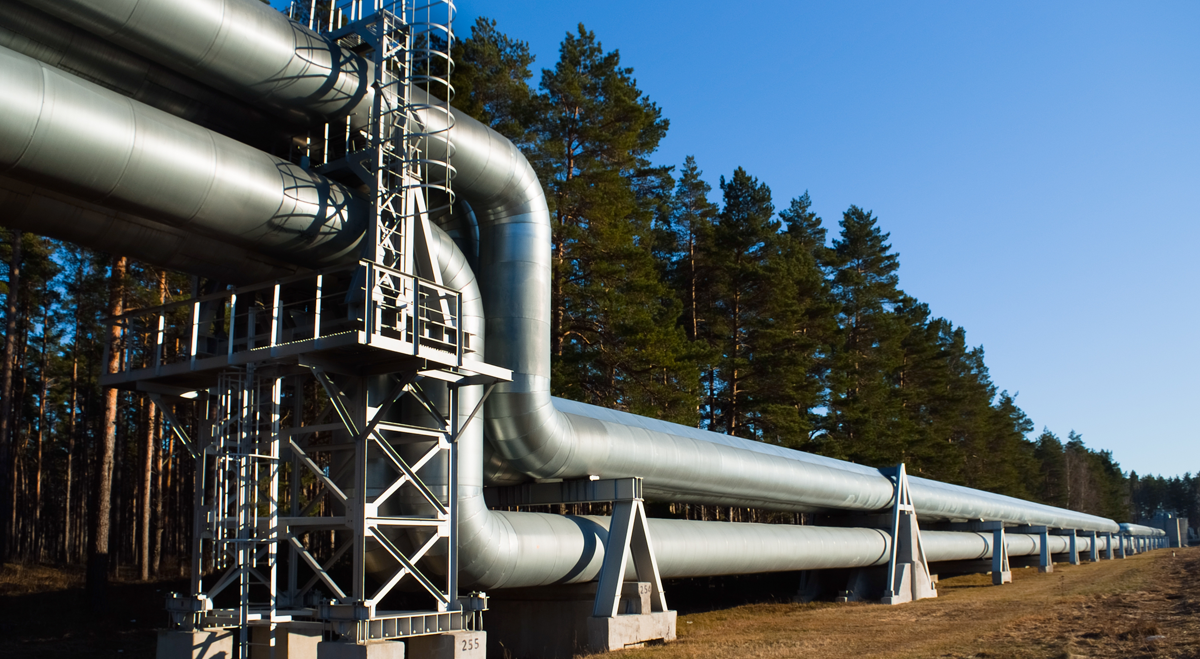
    European wholesale natural gas prices dropped sharply on Monday, following a broad decline across energy markets after signs of de-escalation in the Middle East reduced concerns over potential supply disruptions. The improving geopolitical backdrop also triggered a significant sell-off in crude oil, removing much of the risk premium that had built up in recent weeks.

    The front-month Dutch TTF contract, Europe’s benchmark for natural gas, fell almost 9% in early trading after reaching a four-month high late last week. The equivalent UK wholesale gas contract recorded a similar decline, reflecting a rapid reassessment of geopolitical risks across European energy markets.

    Oil price decline weighs on gas markets

    The sharp fall in gas prices followed a roughly 5% drop in global oil prices after Iranian officials indicated that Tehran would suspend attacks on commercial shipping routes if the United States maintained its pause in military operations.

    The prospect of reduced tensions eased fears of prolonged disruption to key maritime routes, including the Strait of Hormuz and the Red Sea, both of which are critical to global energy supplies.

    Improving confidence over the security of shipping lanes has strengthened expectations for smoother liquefied natural gas (LNG) deliveries, reducing concerns that cargoes could be diverted away from Europe towards Asian markets. The development has also eased worries over the pace of gas storage replenishment ahead of the winter heating season.

    Storage levels remain under close watch

    Despite Monday’s steep decline, the European gas market continues to face longer-term supply concerns. Underground gas storage facilities across Europe are currently around 54% full, remaining below historical five-year averages.

    The issue has attracted greater attention after Equinor warned last week that Europe is unlikely to reach its target of filling storage sites to 80% before winter, highlighting the continued importance of maintaining stable energy supplies.

    Nevertheless, the latest decline in both natural gas and crude oil prices offers a positive development for the Eurozone economy. Lower energy costs should help reduce inflationary pressures at a time when investors are preparing for key monetary policy decisions from the Federal Reserve, the Bank of England and the Bank of Japan later this week.

  • Pharos Energy jumps to 2026 high after Serica agrees improved takeover deal

    Pharos Energy jumps to 2026 high after Serica agrees improved takeover deal

    Pharos Energy (LSE:PHAR) shares soared to their highest level of 2026 on Monday after Serica Energy (LSE:SQZ) agreed a recommended cash acquisition valued at approximately £145.7 million, surpassing a competing proposal from Ratio. While Pharos surged by as much as 33.9%, extending its gains for the year to around 55%, Serica shares fell as much as 5.8% as investors weighed the cost of the acquisition.

    Before Monday’s rally, Pharos shares had already gained around 23% since the start of the year, while Serica had risen approximately 44%. Under the agreed terms, Serica will acquire the entire issued and to-be-issued share capital of Pharos through a scheme of arrangement under Part 26 of the Companies Act 2006.

    Pharos board backs Serica proposal

    The board of Pharos has unanimously withdrawn its recommendation for the competing Ratio offer and now intends to recommend Serica’s acquisition to shareholders.

    As a result, the shareholder meetings previously scheduled for August 17 in relation to the Ratio proposal have been postponed indefinitely, with Pharos advising investors not to take any action regarding the rival bid.

    Under the agreed transaction, shareholders will receive 28.6683 pence in cash for each Pharos share, together with a special cash dividend of 4 pence per share funded from the company’s existing cash resources. This brings the total consideration to 32.6683 pence per share.

    Investors will also retain the previously declared final dividend of 0.9317 pence per share for the financial year ended December 31, 2025, which was announced on March 25, 2026, and paid on July 17, 2026. Including that payment, the total value received by shareholders amounts to 33.6 pence per share.

    Offer delivers significant premium

    The cash consideration of 32.6683 pence per share represents a premium of 20.7% compared with the equivalent value of 27.0683 pence per share offered by Ratio. It also represents a 28.6% premium to Pharos’ closing share price of 25.4 pence on June 23, 2026, the final trading day before the Ratio proposal was announced.

    Including the retained final dividend, the overall value of Serica’s proposal is 20.0% higher than the total 28 pence per share offered by Ratio.

    Serica has also secured an irrevocable undertaking from Aberforth Partners LLP to vote in favour of the acquisition in respect of 59,357,027 Pharos shares, representing approximately 14.26% of the company’s issued share capital.

    Completion targeted for 2027

    The transaction remains subject to a number of conditions, including regulatory approvals in Vietnam and Egypt, as well as the satisfaction or waiver of other customary closing requirements.

    Subject to these approvals, the companies expect the acquisition to become effective during the first half of 2027.

  • Market Open: Vodafone raises guidance, AstraZeneca H1 growth

    Market Open: Vodafone raises guidance, AstraZeneca H1 growth

    European markets rally as oil falls on US-Iran truce hopes, Vodafone lifts guidance, AstraZeneca posts strong first-half growth and Brent declines.

    Market Overview

    The FTSE 100 opened broadly unchanged at 10,736.14, while European markets moved higher, with the Euronext 100 gaining 0.11 per cent and Germany’s DAX rising 1.38 per cent. Overnight, the Nasdaq closed lower at 24,975.82, while the S&P 500 edged higher to 7,411.98. Investor sentiment improved as the US-Iran truce continued to hold, easing geopolitical concerns and supporting European equities alongside expectations surrounding central bank policy.

    Commodity markets reflected the shift in risk sentiment, with Brent crude falling sharply as hopes for a diplomatic breakthrough reduced supply concerns, while copper and gold edged higher and natural gas eased. Bitcoin traded broadly unchanged against sterling, while the pound weakened slightly against the US dollar, Swiss franc, euro, Japanese yen and Australian dollar.


    Market Numbers

    FTSE 100: Down (-0.001%), 10,736.14
    Euronext 100: Up (+0.11%), 1,923.38
    DAX: Up (+1.38%), 25,445.57
    NASDAQ: Down, 24,975.82
    S&P 500: Up, 7,411.98


    In the Headlines

    Guidance raised – Vodafone (LSE:VOD)
    Vodafone raised its full-year guidance after reporting a strong first quarter, supported by broad-based revenue growth and the consolidation of Safaricom. The upgrade reinforces confidence in the group’s earnings and cash flow outlook following its strategic expansion.

    Pipeline strength – AstraZeneca (LSE:AZN)
    AstraZeneca reported strong first-half growth, driven by robust demand across its medicines portfolio and continued pipeline expansion. The results support the company’s long-term growth strategy and reinforce its position within the global pharmaceutical sector.


    Currencies (vs GBP)

    USD: Down (-0.03%), $1.3351
    CHF: Down (-0.08%), Fr.1.0898
    EUR: Down (-0.01%), €1.1717
    JPY: Down (-0.00%), ¥218.449
    AUD: Up (+0.01%), $1.9089
    Bitcoin (BTC/GBP): Up, £48,925.10


    Commodities

    Copper: Up
    Gold: Up
    Brent Crude: Down
    Natural Gas: Down

  • European stocks rally as falling oil prices lift market sentiment: DAX, CAC, FTSE100

    European stocks rally as falling oil prices lift market sentiment: DAX, CAC, FTSE100

    European equity markets opened strongly on Monday after a sharp decline in crude oil prices boosted investor confidence, easing concerns over inflation and supporting risk appetite ahead of a busy week of central bank decisions and corporate earnings announcements.

    The pan-European STOXX 600 advanced nearly 1% in early trading, breaking out of several sessions of largely sideways movement. Gains were widespread, with technology and other rate-sensitive stocks leading the advance alongside industrial companies and consumer-focused businesses expected to benefit from lower energy costs.

    Germany’s DAX climbed 1.3%, while France’s CAC 40, Italy’s FTSE MIB and Spain’s IBEX each gained 0.9%. London’s FTSE 100 also moved higher, adding 0.4%.

    Oil retreat eases inflation concerns

    Energy markets came under pressure after Iranian officials indicated Tehran would suspend attacks in key shipping corridors if the United States maintained its pause in military operations. The prospect of a reduction in regional tensions sent crude prices down by almost 5%, reversing part of the recent rally that had lifted oil above $100 a barrel.

    The decline in energy prices has been welcomed by investors, as lower oil costs reduce inflationary pressures and ease operating expenses for businesses across Europe. Lower fuel prices also improve the outlook for corporate earnings by reducing manufacturing and transportation costs, while helping to limit the risk of further inflation-driven interest rate increases.

    The softer energy backdrop also helped calm bond markets after concerns over supply disruptions had previously driven Eurozone government bond yields to their highest levels in 15 years.

    Corporate earnings support gains

    Company updates added further momentum to European markets.

    AstraZeneca (LSE:AZN) gained 1.3% after reporting second-quarter earnings that exceeded market expectations.

    Vodafone (LSE:VOD) rose around 4% after upgrading its full-year outlook following a strong start to the financial year.

    Pharos Energy (LSE:PHAR) jumped 25% after Serica Energy agreed to acquire the company in a recommended cash transaction.

    Pinewood Technologies (LSE:PINE) was among the session’s strongest performers, surging 33% after receiving a takeover approach from Ridgeview-backed U.K. Piston Bidco.

    The combination of easing geopolitical tensions, lower energy prices and a series of positive corporate announcements provided a strong catalyst for European equities, with investors returning to risk assets at the start of a crucial week for financial markets.

  • Jewellery emerges as luxury’s strongest growth engine as fashion demand weakens

    Jewellery emerges as luxury’s strongest growth engine as fashion demand weakens

    Luxury goods companies are facing mounting pressure from sluggish fashion sales and softer consumer spending linked to ongoing tensions in the Middle East. As investors assess which brands are best positioned to navigate the downturn, jewellery is increasingly emerging as one of the industry’s key differentiators.

    Although the global luxury market is expected to return to growth in 2026 following two years of contraction, analysts believe geopolitical uncertainty continued to weigh on demand during the opening quarter, with an even greater impact anticipated for the three months ending in June.

    Traditional profit drivers such as luxury handbags are no longer providing the same level of support. High prices and shifting consumer preferences, particularly among younger buyers, have reduced demand for leather goods, while jewellery continues to outperform.

    Despite representing a smaller proportion of revenue for most luxury groups, the category has delivered consistently stronger growth and healthier margins. Earlier this year, analysts at Vontobel noted that jewellery “punches well above its weight” in terms of profitability and long-term growth.

    Rising gold prices boost jewellery demand

    According to Carole Madjo, Head of European Luxury Research at Barclays, interest in jewellery has increased as consumers have become less excited by limited innovation in luxury fashion, while the rally in gold has strengthened jewellery’s appeal as both a luxury purchase and a store of value.

    “All these points combined together were making jewellery a bit more attractive compared to soft luxury,” she said.

    Richemont (TG:RITN), owner of Cartier and Van Cleef & Arpels, highlighted the trend with a 24% increase in jewellery sales during the quarter ended June 30, comfortably exceeding market expectations.

    LVMH (EU:MC), whose portfolio includes Bulgari and Tiffany, is also expected to report stronger performance in its watches and jewellery business. Barclays recently lifted its 2026 growth forecast for the division from 7% to 8%, following growth of 3% last year. Watches and Jewellery accounted for 13% of LVMH’s €81 billion revenue in 2025.

    Investors are closely watching the latest earnings season, with LVMH reporting quarterly results on Monday, Kering (EU:KER) on Tuesday and Hermes (EU:RMS) on Wednesday.

    Luxury brands expand jewellery investment

    The strongest jewellery brands remain concentrated within Richemont and LVMH, but growth is also accelerating at other luxury groups that have traditionally focused on fashion.

    Kering, which owns Pomellato and Boucheron, said its jewellery division recorded comparable sales growth of 22% during the first quarter, outperforming every other business segment.

    Hermes has also expanded rapidly in the category. According to Vontobel analysts, its jewellery business has delivered a compound annual growth rate of almost 30% since 2019, albeit from a relatively small base.

    Madjo said: “Even at soft luxury players like Hermes, Prada, Gucci, everybody’s putting a bit more emphasis on jewellery because that’s where the growth is coming from right now. So you want to be exposed to that.”

    Handbags face increasing pressure

    The growing preference for jewellery over luxury handbags and footwear presents new challenges for fashion houses that have traditionally relied on leather goods to drive profitability.

    Hermes, whose Birkin handbag has long been central to its exclusivity strategy, saw its shares fall around 10% after disappointing first-quarter growth raised concerns about the sustainability of its scarcity-driven business model.

    Claudia D’Arpizio, Senior Partner at Bain & Company, said: “Bags and shoes are facing meaningful headwinds, as both have experienced significant softening in consumer desirability, particularly among younger audiences.”

    She added: “These categories, especially bags, have historically been strong contributors to revenues and margin growth; however, post-COVID dynamics have created a more challenging environment. So players need to find a winning formula for these.”

  • FTSE 100 advances as Middle East tensions ease and oil prices tumble

    FTSE 100 advances as Middle East tensions ease and oil prices tumble

    UK equities moved higher on Monday after signs of a sustained pause in hostilities between the United States and Iran helped improve investor sentiment and reduced concerns over a broader regional conflict. Continued diplomatic discussions involving Iran and Oman over the reopening of the Strait of Hormuz also supported markets by raising hopes that a key global shipping route could soon return to normal operations.

    By 07:35 GMT, the FTSE 100 was up 0.42%, while Germany’s DAX gained 1.3% and France’s CAC 40 added 0.72%. Sterling also strengthened against the U.S. dollar, with GBP/USD rising 0.16% to 1.3345.

    The improvement in market confidence follows a third consecutive night without U.S. military strikes on Iran after senior military advisers reportedly recommended suspending the campaign. Diplomatic efforts have continued in an attempt to prevent a renewed escalation of the conflict.

    Iran also signalled a temporary reduction in military activity. Army spokesperson Mohammad Akraminia said: “These attacks continued until two nights ago, but over the past two nights the Americans have stopped their attacks.”

    He added: “Since… our strategy has essentially been retaliatory, we have also halted our retaliatory operations.”

    According to reports, Admiral Bradley Cooper, the senior U.S. military commander in the region, advised President Donald Trump that the campaign had “reached the limits of its effectiveness” after most planned military targets had been exhausted. The assessment was reported to have influenced the decision to suspend further strikes.

    However, U.S. officials stopped short of ruling out future military action. Speaking on NBC’s Meet the Press, U.S. Ambassador to the United Nations Mike Waltz said: “I wouldn’t go that far at all. The president is keeping all options on the table.”

    Separately, Iranian state broadcaster IRIB reported that six vessels attempting to transit what it described as an “illegal and unsafe” route through the southern Strait of Hormuz were intercepted after allegedly disabling their navigation systems. According to the broadcaster, one vessel was involved in an accident while the remaining ships were turned back under “decisive Iranian management.” IRIB also claimed the vessels had been “provoked by the US military,” although this assertion has not been independently verified.

    Attention is now turning to Washington, where Israeli Prime Minister Benjamin Netanyahu is scheduled to meet President Trump on Tuesday in what will be their seventh meeting since January 2025.

    Oil prices declined sharply as traders reacted to the apparent easing in geopolitical tensions. U.S. WTI crude fell 5.6% to $84.32 a barrel, while Brent crude dropped 5.2% to $86.94. Gold continued to attract safe-haven demand despite the improved market mood, with gold futures rising 0.84% to $4,104.95 and spot gold advancing 1.2% to $4,102.82.

    UK corporate highlights

    Among individual stocks, AstraZeneca (LSE:AZN) exceeded second-quarter profit expectations and reaffirmed its outlook for 2026, supported by continued strong sales of its oncology and cardiovascular medicines.

    Vodafone (LSE:VOD) upgraded its full-year guidance after delivering a strong start to the financial year, helped by solid underlying trading and the consolidation of its increased stake in Safaricom.

    Meanwhile, Cranswick (LSE:CWK) reported higher first-quarter revenue, driven by continued demand for protein products, while leaving its full-year expectations unchanged.

  • Pinewood Technologies shares jump after £545 million takeover proposal

    Pinewood Technologies shares jump after £545 million takeover proposal

    Pinewood Technologies (LSE:PINE) shares rallied sharply on Monday after the automotive software company confirmed it had received a possible cash takeover approach from U.K. Piston Bidco Limited, a newly established company indirectly owned by funds managed by Ridgeview Partners LLC.

    The indicative proposal offers shareholders £4.48 in cash for each share, valuing Pinewood Technologies at approximately £545 million. The offer represents a significant premium to the company’s recent trading levels and sparked a strong market reaction, with the shares climbing 33.6% to 420.74p during the session.

    Investor confidence has also been supported by the level of backing already secured for the potential acquisition. Shareholders representing around 48.71% of Pinewood Technologies’ issued share capital have submitted letters of intent in support of the proposal, including Lithia UK Holding Limited, which owns a 31.95% stake. In addition, investors holding approximately 32.81% of the company’s share capital have expressed interest in a rollover option that would allow them to exchange their existing shares for interests in a Cayman Islands investment vehicle managed by Ridgeview.

    In accordance with the UK Takeover Code, Ridgeview Bidco has until August 21, 2026, to either announce a firm intention to make an offer or confirm that it will not proceed with the transaction.

    The latest approach follows an earlier takeover attempt in January 2026, when private equity group Apax Partners explored a possible acquisition before abandoning its plans due to difficult market conditions. Unlike the previous proposal, Ridgeview’s bid has been viewed more favourably by investors, helped by support from the company’s largest shareholder and the board’s indication that it would be willing to recommend a formal offer if one is made.

    A constructive backdrop across UK and global equity markets also helped lift sentiment. However, the primary driver behind the sharp share price appreciation has been the combination of a sizeable acquisition premium, substantial shareholder support and the growing expectation that the proposed transaction could be completed. Having traded as low as 203p over the past 12 months, Pinewood Technologies’ shares are now moving closer to the proposed £4.48 offer price as investors increasingly anticipate a formal bid ahead of the August deadline.

  • Savannah Resources Strengthens the Case for Europe’s Domestic Lithium Future Following Barroso DFS Milestone

    Savannah Resources Strengthens the Case for Europe’s Domestic Lithium Future Following Barroso DFS Milestone

    Savannah Resources (LSE:SAV) has taken another significant step towards becoming one of Europe’s leading domestic lithium producers, following the completion of the Definitive Feasibility Study (DFS) for its flagship Barroso Lithium Project in Portugal. Coupled with more than €100 million in Portuguese government investment support, the company believes it is entering a new phase focused on project execution, financing and construction.

    Speaking on The Watchlist, Savannah Resources CEO Emanuel Proença outlined why the DFS represents a major milestone not only for the company but also for Europe’s ambition to establish a secure and resilient battery materials supply chain.

    Definitive Feasibility Study Validates Project Economics

    The DFS delivers Savannah’s first ore reserve statement, converting approximately 20 million tonnes of the project’s existing resource into reserves from a broader mineral resource of around 39 million tonnes, with an additional exploration target estimated between 35 million and 62 million tonnes.

    According to Proença, the study demonstrates that Barroso is positioned among the world’s more competitive lithium projects despite operating under Europe’s stringent environmental and regulatory framework.

    The project is forecast to achieve:

    • C1 operating costs of below US$500 per tonne
    • All-in sustaining costs of just above US$700 per tonne
    • Cost performance placing Barroso among the lowest-cost 50% of global lithium operations

    These economics provide Savannah with a strong competitive position as battery manufacturers increasingly seek reliable, responsibly sourced European lithium.

    Government Support Reinforces Strategic Importance

    The DFS follows another major milestone earlier this year, with the Portuguese government awarding the project more than €100 million in investment support.

    Proença described the grant as a clear endorsement of both the Barroso project and Portugal’s ambition to become a key participant in Europe’s critical minerals strategy.

    The funding forms part of the project’s broader financing plan and reflects growing recognition of Barroso’s strategic role in reducing Europe’s dependence on imported battery raw materials.

    Beyond the national importance, Proença highlighted the potential economic impact on the local region, noting that the project will bring long-term investment and employment opportunities to an area of inland Portugal that has historically seen limited industrial development.

    Positioned at the Heart of Europe’s Critical Minerals Strategy

    The Barroso Lithium Project has already been recognised as a Strategic Project under the European Union’s Critical Raw Materials Act, placing it among a select group of developments considered essential to strengthening Europe’s supply chain resilience.

    As governments across Europe seek to localise battery production and reduce reliance on overseas supply, Savannah believes projects such as Barroso demonstrate that Europe can successfully develop globally competitive mining operations while maintaining high environmental standards.

    Proença also pointed to progress elsewhere in Europe, including developments in Finland, as evidence that the continent is beginning to translate policy ambitions into tangible projects.

    Significant Growth Potential Ahead

    Looking ahead, Savannah expects project momentum to accelerate following completion of the DFS.

    The company is now focused on advancing financing, permitting and construction as it works towards becoming a commercial lithium producer.

    Proença also suggested the market has yet to fully recognise the project’s long-term value.

    He noted that, based on current lithium market conditions, Phase One alone could generate annual cash flow comparable to Savannah Resources’ current market capitalisation once in production.

    Importantly, the DFS covers only the first stage of development, with three planned phases expected to unlock further growth and value creation over time.

    Building Momentum

    With technical validation complete, substantial government backing secured and strategic recognition from the European Union already in place, Savannah Resources appears well positioned to play an important role in Europe’s rapidly evolving battery materials industry.

    While financing and project execution remain the next major milestones, the combination of robust project economics, political support and growing demand for secure domestic lithium supplies provides a compelling platform as Savannah works towards transforming the Barroso Lithium Project into one of Europe’s cornerstone lithium operations.

    For more information visit – https://savannahresources.com/

  • Vodafone raises full-year guidance after strong first-quarter performance and Safaricom consolidation

    Vodafone raises full-year guidance after strong first-quarter performance and Safaricom consolidation

    Vodafone (LSE:VOD) has reported a strong start to its 2027 financial year, delivering higher revenue, improved earnings and stronger operational momentum across its international markets. Total revenue increased 9.7% to €10.3 billion, while organic service revenue grew 5.2%, supported by broad-based growth in Germany, the UK, other European markets, Türkiye and double-digit service revenue growth across Africa. Adjusted EBITDAaL rose 6.2% on an organic basis, with margin expansion reflecting continued operational improvements and solid demand for the group’s digital and business connectivity services.

    The group has also upgraded its full-year guidance following the completion of the Safaricom transaction, which increases Vodafone’s effective ownership to 55% and results in the full consolidation of the Kenyan telecoms operator from July. Management now expects to deliver results towards the upper end of its guidance ranges for both Adjusted EBITDAaL and free cash flow. The company said ongoing cost-efficiency initiatives, including synergy benefits from the UK merger and workforce reductions across European operations and shared services, are helping improve operating leverage and cash generation while supporting its long-term growth strategy.

    The company’s investment outlook reflects a mixed financial profile. Improving revenue trends and robust cash generation provide a solid foundation, although reported profitability remains volatile and leverage continues to be relatively high. Management’s latest trading update and upgraded guidance reinforce confidence in future growth, supported by improving cash flow and continued shareholder returns, although challenges in the German market and debt levels remain important considerations. Technical indicators remain moderately positive, with the shares trading above key moving averages, while valuation is limited by negative reported earnings despite an attractive dividend yield.

    More about Vodafone Group Plc

    Vodafone Group Plc is one of the world’s largest telecommunications companies, providing mobile, fixed broadband and digital connectivity services to consumers and businesses across Europe, Africa and selected international markets. In addition to traditional telecoms services, the company offers cloud computing, cybersecurity, Internet of Things (IoT) solutions and software-based services for enterprise customers.

    Vodafone’s strategy is focused on simplifying its operations, improving profitability and accelerating growth through digital services, infrastructure investment and strategic partnerships. Recent portfolio changes, including the increased stake in Safaricom and ongoing market consolidation initiatives, form part of the group’s broader plan to strengthen cash generation and create long-term shareholder value.