Author: Fiona Craig

  • Dow Jones, S&P, Nasdaq, Wall Street Futures, Markets Digest Nike Setback, BOJ Rate Increase and Fresh EU Funding for Ukraine

    Dow Jones, S&P, Nasdaq, Wall Street Futures, Markets Digest Nike Setback, BOJ Rate Increase and Fresh EU Funding for Ukraine

    Financial markets showed a mixed tone on Friday as investors balanced encouraging US inflation data against disappointing signals from Nike (NYSE:NKE), a surprise tightening move by the Bank of Japan and a major new financial commitment from the European Union to support Ukraine.

    US futures edge higher as softer inflation offsets Nike concerns

    US equity futures traded modestly higher, extending Thursday’s rebound after weaker-than-expected inflation data bolstered expectations that the Federal Reserve may pursue a more accommodative policy stance next year. Gains, however, were capped by sharp losses in Nike shares.

    By 03:30 ET, futures on the S&P 500 were up 0.3%, Nasdaq 100 futures rose 0.4% and Dow Jones futures added around 0.1%.

    Wall Street closed higher in the previous session, ending a four-day losing streak, after inflation figures eased concerns about persistent price pressures. Despite the bounce, US indices remain on track for weekly declines, with the S&P 500 and Dow Jones Industrial Average both down close to 1%, while the Nasdaq Composite has also slipped about 0.8% so far this week.

    Attention later in the session will turn to the University of Michigan’s consumer sentiment survey and November existing home sales, as investors look for further clues on the Fed’s policy trajectory into 2026.

    Nike remains in focus after its stock dropped sharply in premarket trading. The athletic apparel group reported another contraction in sales from its Greater China segment during its fiscal second quarter, marking the sixth consecutive quarterly decline in the region.

    Addressing the issue during the post-earnings call, CEO Elliott Hill said “it’s clear we need to reset our approach to the China marketplace,” which accounts for roughly 15% of group revenue.

    EU leaders approve major loan package for Ukraine

    European Union leaders have agreed to provide €90 billion ($105 billion) in financial support to Ukraine over the next two years, opting to fund the package through joint borrowing rather than drawing on frozen Russian assets.

    The bloc had previously debated whether to deploy approximately €210 billion in immobilised Russian funds, most of which are held in Belgium, to back a reparations-style loan. Ultimately, leaders chose a collective borrowing approach supported by the EU budget.

    “Ukraine will only repay this loan once Russia pays reparations,” EU Council President Antonio Costa said on Friday. “The only way forward is a ceasefire and a negotiated peace. Our political and financial support to Ukraine will not falter.”

    The agreement is intended to provide Kyiv with greater financial certainty, while reinforcing Europe’s influence in US-led diplomatic efforts aimed at ending the conflict.

    Ukrainian President Volodymyr Zelenskyy welcomed the decision, saying, “I am grateful to all leaders of the European Union for the European Council’s decision,” and stressing that it is vital that “Russian assets remain immobilized and that Ukraine has received a financial security guarantee for the coming years.”

    Bank of Japan raises rates to highest level in decades

    The Bank of Japan increased interest rates earlier on Friday, following guidance it had previously signalled, and indicated that further tightening remains possible if economic momentum and inflation trends continue.

    The central bank lifted its short-term policy rate from 0.5% to 0.75%, the highest level since 1995, marking its second rate increase of the year after a similar move in January.

    The BOJ said it expects Japanese companies to continue lifting wages in 2026 alongside improving corporate profitability. With labour market conditions expected to remain tight, policymakers said it is “highly likely” that wages and inflation will rise at a moderate pace.

    Despite the hike, the bank emphasised that real interest rates remain “significantly negative” and that financial conditions are still broadly supportive of economic growth. It added that it stands ready to raise rates further and gradually scale back monetary stimulus if the economy evolves in line with its forecasts.

    Trump signs order to accelerate return to the moon

    US President Donald Trump has signed an executive order aimed at returning American astronauts to the moon by 2028 and laying the groundwork for a permanent lunar presence in the following years.

    In the order, Trump said the US must pursue a space policy that advances national security objectives and “lay the foundation for a new space age.”

    The directive places NASA’s Artemis programme at the centre of these efforts, targeting a lunar return by 2028 and establishing the basis for a sustained outpost by 2030. It also calls on federal agencies, including the Pentagon and intelligence bodies, to develop a comprehensive space security strategy, while reducing oversight powers of the National Space Council.

    Trump had outlined similar ambitions during his first term, initially setting a target of 2024 for a return to the moon.

    Oil prices head for another weekly decline

    Crude oil prices were on course for a second consecutive weekly drop, as concerns about oversupply and rising optimism around a potential Russia-Ukraine peace agreement outweighed fears of supply disruptions linked to a US-announced blockade on Venezuelan oil shipments.

    Brent crude slipped to around $59.74 per barrel, while US West Texas Intermediate traded near $55.95. Both benchmarks were down more than 2% on the week.

    Markets continue to price in expectations that global oil supply will outstrip demand into 2026, driven by growing output from non-OPEC producers and muted consumption growth in major economies. US crude prices are down more than 21% year-to-date, marking their weakest annual performance since 2018, while Brent has fallen about 20%, its worst showing since 2020.

    Earlier in the week, Trump announced a blockade targeting tankers carrying Venezuelan oil already under US sanctions, although the extent of enforcement remains unclear. He also said on Thursday that talks aimed at ending the war in Ukraine are “getting close to something” ahead of planned discussions between US and Russian officials this weekend.

  • DAX, CAC, FTSE100, European Markets Steady as Investors Catch Their Breath After Busy Week

    DAX, CAC, FTSE100, European Markets Steady as Investors Catch Their Breath After Busy Week

    European equity markets moved little on Friday, pausing after a volatile week dominated by major economic releases and central bank decisions, though benchmarks remained on track to end the week with solid gains.

    At around 08:05 GMT, Germany’s DAX was up 0.1%, while France’s CAC 40 and the UK’s FTSE 100 were both down about 0.1%. Over the full week, the DAX was heading for a gain of roughly 0.2%, with the CAC 40 and FTSE 100 each poised to rise by more than 1%.

    A breather after intense central bank activity

    Market activity appeared subdued as investors digested the outcome of a packed week of policy meetings and data releases. The European Central Bank left its key interest rate unchanged at 2%, in line with expectations, but revised its economic projections higher. The ECB now forecasts eurozone growth of up to 1.4% in 2025 and 1.2% in 2026.

    “The economy has been resilient. It grew by 0.3% in the third quarter, mainly reflecting stronger consumption and investment,” said ECB President Christine Lagarde at Thursday’s press conference.

    Despite the improved outlook at the regional level, sentiment among German consumers weakened sharply. Data released earlier on Friday showed the consumer sentiment index compiled by GfK and the Nuremberg Institute for Market Decisions falling to -26.9 points in January, from a slightly revised -23.4 previously.

    In the UK, the Bank of England delivered an expected interest rate cut on Thursday, but uncertainty remains about its next steps. Several policymakers voiced concerns over stubbornly high wage growth expectations and structural inflation pressures, even as recent data showing a decline in November retail sales pointed to fragile consumer confidence.

    Central banks in Sweden and Norway also met during the week, with both opting to keep interest rates unchanged, as markets had anticipated.

    EU agrees fresh funding for Ukraine

    Investors were also absorbing news that European Union leaders have approved a €90 billion ($105 billion) support package for Ukraine over the next two years. The funding will be raised through joint borrowing backed by the EU budget, rather than by tapping frozen Russian assets.

    EU governments had previously debated whether to use around €210 billion of frozen Russian assets, largely held in Belgium, to finance a reparations-style loan for Ukraine, but ultimately opted for common borrowing instead.

    Corporate updates weigh on select stocks

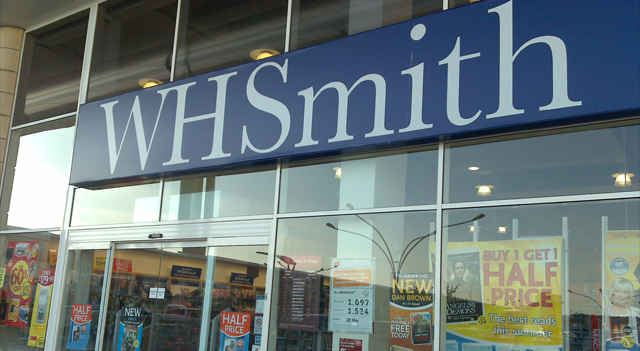
    On the company front, travel retailer WH Smith (LSE:SMWH) reported lower full-year earnings and reduced its headline profit outlook for the coming year, after weaker trading profits offset revenue growth.

    In other news, cosmetics group Coty (NYSE:COTY) sold its remaining 25.8% stake in haircare brand Wella to KKR for $750 million, while retaining rights to a portion of any future sale or IPO proceeds.

    Shares in German sportswear groups Adidas (TG:ADS) and Puma (TGR:PUMG) fell after US rival Nike (NYSE:NKE) posted disappointing sales in China, marking a second consecutive quarterly decline in gross margins.

    Oil prices head for weekly decline

    Oil markets were also under pressure, with prices set for a second consecutive weekly loss. Concerns about a global supply surplus and growing optimism around a potential Russia-Ukraine peace agreement outweighed worries over supply disruptions linked to a US-announced blockade targeting Venezuelan oil shipments.

    Brent crude slipped 0.3% to $59.64 per barrel, while US West Texas Intermediate fell 0.3% to $55.84. Both contracts were down more than 2% for the week.

    Earlier in the week, Trump announced a blockade aimed at tankers transporting Venezuelan oil already subject to US sanctions, though questions remain over how such measures would be enforced. He also said on Thursday that talks aimed at ending the war in Ukraine are “getting close to something” ahead of planned US discussions with Russian officials this weekend.

  • FTSE 100 Steady as Sterling Softens; November Retail Sales Disappoint, WH Smith Drops

    FTSE 100 Steady as Sterling Softens; November Retail Sales Disappoint, WH Smith Drops

    UK equities were little changed in early trading on Friday, while sterling edged lower against the US dollar after fresh data showed an unexpected decline in retail sales during November.

    By 09:04 GMT, the FTSE 100 was marginally down 0.02%, while the pound slipped 0.06% against the dollar, trading just above the 1.33 level. Elsewhere in Europe, Germany’s DAX fell 0.04% and France’s CAC 40 eased 0.05%.

    UK round-up

    UK retail sales declined by 0.1% month-on-month in November, according to figures published by the Office for National Statistics. The data followed a revised 0.9% fall in October, previously reported as a 1.1% drop. Economists had been expecting a modest rebound of 0.3%, making the latest reading a negative surprise.

    In corporate news, shares in Metro Bank PLC (LSE:MTRO) and OSB Group PLC (LSE:OSB) rose sharply, gaining around 2% and 3% respectively. The rally followed confirmation that both lenders have received regulatory approval to exit the Minimum Requirement for Own Funds and Eligible Liabilities (MREL) regime, which has weighed on profits through elevated interest costs. The Prudential Regulation Authority said the banks will be reclassified as transfer firms with effect from 1 January 2026.

    By contrast, WH Smith PLC (LSE:SMWH) came under pressure after reporting weaker full-year earnings and issuing a sharply reduced profit outlook. The travel retailer now expects headline profit of £100–115 million for the year ahead, well below previous guidance of £182.6 million and market expectations of roughly £157 million.

    The company posted headline group profit before tax and non-underlying items of £108 million for the year ended 31 August. Headline trading profit fell to £159 million from £170 million a year earlier, while diluted headline earnings per share before non-underlying items dropped 28% to 43.4p. Shares in WH Smith declined in morning trade following the update.

    On the currency front, the pound later found some support after the Bank of England released a statement that was seen as less dovish than markets had anticipated. According to ING, several policymakers expressed concern about persistently strong wage growth expectations and structural inflation pressures, lending some resilience to sterling.

    ING analysts added that they expect wage growth expectations to begin easing in early 2026 as headline inflation continues to trend lower.

  • Metro Bank and OSB Group Rally After Clearance to Exit Expensive Debt Framework

    Metro Bank and OSB Group Rally After Clearance to Exit Expensive Debt Framework

    Shares in Metro Bank (LSE:MTRO) and OSB Group (LSE:OSB) rose sharply on Friday, gaining around 2% and 3% respectively, after both lenders secured regulatory approval to leave a debt structure that has been weighing heavily on their interest costs.

    The Prudential Regulation Authority confirmed that the two banks will be reclassified as transfer firms under the Minimum Requirement for Own Funds and Eligible Liabilities (MREL), with the change taking effect from 1 January 2026.

    The move is expected to deliver meaningful financial relief. Metro Bank, the UK challenger lender, currently services £525 million of MREL debt issued in November 2023 at a coupon of 12%. OSB Group, which focuses on specialist buy-to-let lending, has £700 million of MREL instruments outstanding, carrying a weighted average interest rate of 9.14% and resulting in roughly £64 million of gross annual interest expense.

    RBC analysts said removing the burden of MREL interest “should provide a c.4pp annualised uplift” to Metro Bank’s return on tangible equity from FY28E. For OSB, the analysts estimate that avoiding interest payments on both existing and potential future MREL issuance “is equivalent to c.13% of FY27E PBT.”

    The regulatory shift follows the Bank of England’s announcement on 15 July to increase the MREL total asset threshold to a range of £25–40 billion from the previous £15–25 billion. Metro Bank reported assets of about £16 billion at the end of the third quarter of 2025, while OSB’s balance sheet stood at roughly £31 billion, leaving both institutions either below or close to the revised threshold.

    MREL rules require banks to maintain a layer of loss-absorbing debt to protect taxpayers in the event of a resolution, but the framework applies on an all-or-nothing basis, meaning banks must either comply in full or not at all.

    With the reclassification secured, both lenders now face strategic decisions over whether to allow their existing MREL bonds to mature naturally or to redeem them early. Calling the debt ahead of schedule would immediately affect capital ratios, as the securities are currently trading above par.

    RBC estimates that an early redemption would result in an initial hit of more than 110 basis points to Metro Bank’s Common Equity Tier 1 ratio, while OSB would see an impact of around 60 basis points. That said, the earnings upside would start straight away. For OSB, RBC calculates “a CET1 payback from lower interest of c.1.1yrs,” indicating that the capital impact could be recouped relatively quickly through interest savings.

    OSB said it “will update the market on what this means for its capital and funding plans” alongside its FY25 results. Metro Bank has yet to outline its intentions.

    Beyond the immediate profit effect, RBC analysts believe OSB may now have scope to lower its CET1 capital target of around 14%, which currently sits above peer averages. They note that the higher target was driven by rating agency considerations linked to potential MREL issuance, a constraint that has now been removed.

    “A 100bps reduction in the CET1 target would free up c.£120m of capital,” equivalent to about 5.5% of the group’s market capitalisation, the brokerage said.

  • WH Smith Completes Travel-Only Transition as Profits Dip and FCA Investigation Opens

    WH Smith Completes Travel-Only Transition as Profits Dip and FCA Investigation Opens

    WH Smith (LSE:SMWH) reported a 5% increase in group revenue to £1.55 billion for the year ended 31 August 2025, marking the completion of its transition to a pure-play travel retail business. However, headline pre-tax profit from continuing operations eased to £108 million, with trading profits coming under pressure, particularly in North America.

    The group outlined a more targeted regional strategy. In the UK, WH Smith is focused on strengthening its leadership in travel essentials while expanding higher-growth categories such as health and beauty and food-to-go. In North America, the company is exiting loss-making fashion and specialist stores within its Resorts division and is reviewing the future of the InMotion business. Elsewhere, international growth is being concentrated on core markets, with a greater emphasis on capital-light, franchise-led expansion.

    Current trading shows like-for-like revenue growth of around 3%. Looking ahead, the company is guiding to headline profit before tax of £100 million to £115 million in FY26, alongside total revenue growth of 4–6%. Alongside operational changes, WH Smith is implementing a remediation programme following a Deloitte review and has disclosed that the Financial Conduct Authority has opened an investigation, placing governance and internal controls under closer scrutiny.

    Despite these challenges, the board has proposed a final dividend of 6.0 pence, maintaining its reset dividend policy of 2.5 times cover on continuing earnings. Management said this reflects confidence in the longer-term sustainability of the streamlined, travel-focused model and its ability to generate shareholder returns.

    From a market perspective, WH Smith’s solid revenue base is offset by softer profit trends, high leverage and bearish technical indicators. Valuation remains elevated, and the absence of recent earnings call detail limits additional near-term insight, resulting in a more cautious overall assessment.

    More about WH Smith

    WH Smith is a global travel retailer specialising in travel essentials, health and beauty and food-to-go. The group operates stores in high-footfall locations such as airports, railway stations and hospitals across the UK, North America and international markets. Following the disposal of its UK High Street and funkypigeon.com businesses, WH Smith is now fully focused on travel retail, where it holds leading category positions and is pursuing capital-efficient growth through core formats and selected overseas franchise partnerships.

  • Rockfire Delivers High-Grade Intersections in Third Molaoi Drill Hole

    Rockfire Delivers High-Grade Intersections in Third Molaoi Drill Hole

    Rockfire Resources (LSE:ROCK) has completed its third drill hole, HMO-010, at the wholly owned Molaoi zinc deposit in Greece, intersecting several mineralised zones consistent with the existing geological model. Portable XRF readings recorded strong grades of zinc, lead, silver and copper, including peak zinc values exceeding 36%, alongside notable silver and copper intervals.

    The company said the results reinforce confidence in the continuity and quality of mineralisation at Molaoi and are expected to support its objective of upgrading the current zinc, silver and lead resource from Inferred to Indicated status. In addition, the drilling programme is intended to define what could become Europe’s only reported Inferred germanium resource, adding a critical minerals dimension to the project.

    Laboratory assays are pending to confirm the portable XRF results. Rockfire said drilling will pause over the Christmas period before resuming in January 2026, with the potential deployment of a second drill rig. Management highlighted Molaoi’s growing strategic relevance in the supply of both base and critical metals.

    More about Rockfire Resources PLC

    Rockfire Resources PLC is a London-listed exploration company with a focus on gold, base metals and critical minerals. Its flagship asset is the high-grade Molaoi zinc, lead, silver and germanium deposit in Greece. The company also holds a portfolio of gold, copper and silver projects in Queensland, Australia, including the Plateau and Marengo prospects, which are subject to farm-in arrangements with ASX-listed partners.

  • Strix Agrees £110m Sale of Billi Unit to Deleverage and Sharpen Strategic Focus

    Strix Agrees £110m Sale of Billi Unit to Deleverage and Sharpen Strategic Focus

    Strix Group (LSE:KETL) has reached an agreement to sell its Billi business to Birmingham Bidco Pty Ltd, a vehicle backed by Crescent Capital Partners, for £110 million on a cash-free, debt-free basis. Billi, which supplies premium instant boiling, chilled and sparkling filtered water systems, was acquired by Strix in 2022. The agreed price represents an approximate threefold return on the original investment and an 18% premium to Strix’s prevailing share price.

    The transaction, which is subject to shareholder approval, is expected to materially strengthen the group’s balance sheet. Strix said net proceeds of around £107 million will be used to repay its existing debt facilities, moving the company into a net cash position and improving financial flexibility after a period of macroeconomic headwinds and currency pressures.

    While Billi has delivered double-digit growth under Strix’s ownership and benefited from expanded capacity, distribution and management capability, the board said the business would require further investment that Strix is less well positioned to provide. As a result, it has opted to crystallise value at this stage, while also securing an ongoing manufacturing and development partnership with Billi under its new ownership.

    Following completion, Strix plans to concentrate capital and management attention on its core Controls and Consumer Goods divisions. Strategic priorities include broadening the addressable market for controls and filtration technologies beyond kettles, accelerating the rollout of new heating and safety innovations, tightening cost discipline, defending market share—particularly in the US—through action against copycat products, and working toward the restoration of dividend capacity over time.

    From an investment standpoint, Strix continues to face profitability and revenue growth challenges, reflected in weak valuation metrics and bearish technical indicators. Although the shares appear oversold and cash generation provides some underpinning, sustained improvement in earnings will be required to materially enhance the group’s financial profile.

    More about Strix Group

    Strix Group Plc is an AIM-listed global specialist in kettle safety controls and related components for water heating, temperature control, steam management and filtration. The group supplies both OEM and consumer markets through its Controls and Consumer Goods divisions and leverages proprietary intellectual property, established manufacturing capabilities and strong customer relationships, including its LAICA-branded consumer products, to maintain a leading position in small domestic appliances and water technology markets.

  • Atalaya Mining Responds to Governance and Remuneration Feedback After AGM

    Atalaya Mining Responds to Governance and Remuneration Feedback After AGM

    Atalaya Mining (LSE:ATYM) has issued a follow-up statement addressing shareholder feedback from its June 2025 annual general meeting, where all resolutions were approved but four items linked to governance and executive pay attracted less than 80% support. The board said it had carefully considered the concerns raised by investors.

    The company acknowledged questions around the historic meeting attendance of director Jesús Fernández and said he has committed to improving participation going forward. The board also recognised shareholder unease relating to legacy long-term incentive arrangements and a one-off transitional share award made to the chief executive.

    Since the AGM, Atalaya said it has updated its remuneration framework and received strong support for a new Directors’ Remuneration Policy. Management expects this to translate into improved voting outcomes on future remuneration resolutions. The company added that no major shareholders have requested further engagement on the matter, indicating that the issues are largely resolved for the time being.

    From a broader perspective, Atalaya Mining’s outlook continues to be underpinned by a solid financial recovery, supportive technical indicators and positive corporate developments. These factors strengthen its positioning within a constructive copper price environment, although historical share price volatility and relatively modest valuation metrics suggest a balanced, cautiously optimistic outlook.

    More about Atalaya Mining

    Atalaya Mining Copper, S.A. is a European copper producer that owns and operates the Proyecto Riotinto mining complex in southwest Spain. The group’s assets include the Cerro Colorado open-pit mine and a 15 million tonne-per-year processing plant, which serves as a central hub for ore from surrounding projects.

    The company is listed on the Main Market of the London Stock Exchange and is a constituent of the FTSE 250. In addition to Proyecto Riotinto, Atalaya holds interests in Proyecto Masa Valverde, Proyecto Riotinto East, a phased earn-in to Proyecto Touro in northwest Spain, and a 99.9% stake in Proyecto Ossa Morena.

  • Plexus Returns to Loss Amid Fleet Rebuild and Push Toward International Markets

    Plexus Returns to Loss Amid Fleet Rebuild and Push Toward International Markets

    Plexus Holdings (LSE:POS) reported revenue of £4.48 million for the year ended 30 June 2025 and a pre-tax loss of £3.3 million, reflecting the absence of a one-off licence transaction recorded in the prior year and a planned investment phase to rebuild its rental wellhead fleet. The company said the period was also affected by softer market conditions and project delays in the UK North Sea, driven in part by ongoing uncertainty around the Energy Profits Levy.

    Despite the challenging backdrop, Plexus completed a £9 million North Sea project and a £1.9 million plug-and-abandonment phase in the Dutch sector. During the year, the group raised £3.5 million in equity to expand its Exact rental fleet, finished the period with cash of £2.5 million and strengthened its balance sheet, supported by a new £2 million loan facility to enhance financial flexibility.

    Operationally, the group is increasingly focused on overseas growth. A US$1 million Middle East gas exploration contract and a North American rental agreement are both expected to commence in the first quarter of 2026. Plexus has also established a business development presence in the UAE and secured a two-year framework agreement with a North Sea operator.

    Management said these steps, alongside continued investment in research and development, retention of API Q1 accreditation and the ongoing strategic value of its POS-GRIP intellectual property and collaboration with SLB, are intended to underpin future rental-led revenue growth across offshore oil and gas, carbon capture and storage and geothermal markets.

    From an investment standpoint, Plexus is seen to benefit from positive corporate developments and signs of financial recovery. However, the absence of dividends and a negative earnings multiple weigh on valuation, while revenue and cash flow volatility remain key factors to watch, despite technical indicators supporting a cautiously optimistic outlook.

    More about Plexus Holdings

    Plexus Holdings PLC is an AIM-listed wellhead services provider focused on offshore oil and gas markets. The company supplies jack-up and subsea wellhead equipment and rental services for exploration, intervention and plug-and-abandonment activities. Its proprietary POS-GRIP and Exact technologies support a range of production, subsea and decommissioning solutions across the North Sea, Middle East, North America and other international regions.

  • Costain Confirms Dates for 2025 Trading Update and Annual Results

    Costain Confirms Dates for 2025 Trading Update and Annual Results

    Costain Group (LSE:COST) has set out its reporting timetable for the year ended 31 December 2025. The company said it will publish a trading update on 26 January 2026, followed by the release of its full-year results on 10 March 2026.

    The announcement provides clarity for investors as Costain continues to execute its strategy focused on delivering sustainable and resilient infrastructure solutions across key UK markets. Management said the schedule reflects its commitment to timely and transparent communication on financial performance.

    From an outlook perspective, Costain benefits from a solid financial base, supportive technical indicators and positive corporate developments, including recent contract awards. These strengths are balanced against relatively modest margins and some pressure on cash flow efficiency. Overall, the shares appear fairly valued, with a constructive technical backdrop supporting a broadly positive assessment.

    More about Costain

    Costain Group is a UK infrastructure solutions provider offering construction, consultancy, engineering and digital services across sectors including transport, water, energy and defence. The company focuses on developing connected and sustainable infrastructure that supports a more resilient and lower-carbon UK, working in partnership with customers and suppliers to address critical national requirements.