Author: Fiona Craig

  • Barclays Warns AI Stock Boom May Be Nearing a Cooling-Off Period

    Barclays Warns AI Stock Boom May Be Nearing a Cooling-Off Period

    The remarkable advance in artificial intelligence-linked technology and semiconductor shares may be entering a more vulnerable phase, according to Barclays, which believes investors should prepare for the possibility of a near-term market correction.

    The bank notes that semiconductor stocks have risen at an exceptional pace, with the MSCI World Semiconductors index gaining around 50% in just two months. Such a move ranks among the strongest seen in more than two decades and has left positioning increasingly crowded.

    Barclays strategists, led by Emmanuel Cau, argue that momentum-driven investors and systematic trading strategies have been key contributors to the rally, but their ability to provide further support may be diminishing as exposure reaches elevated levels.

    A busy pipeline of technology IPOs and fundraising transactions is also expected to compete for investor capital, potentially reducing liquidity available for existing stocks.

    At the same time, markets face an important test from upcoming central bank decisions. Investors will closely watch the Federal Reserve’s June meeting under new leadership, while the European Central Bank is still expected to pursue tighter monetary policy despite slowing economic growth.

    “The combination of frothy technicals and a catalyst-heavy June suggests that the chances of a tactical pullback, especially in the narrow momentum space, cannot be dismissed,” the strategists wrote.

    Although Barclays sees increasing short-term risks, it remains optimistic about the broader equity outlook. Strong corporate earnings and long-term investment trends continue to provide support, and the bank stresses that speculative behaviour remains concentrated in a relatively small segment of global markets.

    “To be clear, we are not bearish Semis. But given the parabolic price action across the space recently, if it were to take a breather, this would likely play in favour of some rotation into less Tech heavy regions,” the strategists continued.

    In the event that semiconductor shares pause their advance, Barclays expects investors to explore opportunities in software, aerospace and defence, as well as consumer sectors tied to discretionary spending such as luxury goods, tourism and leisure activities.

    The bank added that any progress toward a U.S.-Iran agreement could further encourage a shift away from crowded AI trades and support markets that have lagged the technology-driven rally.


  • Global Smartphone Shipments Set for Historic Drop as Memory Chip Supply Tightens

    Global Smartphone Shipments Set for Historic Drop as Memory Chip Supply Tightens

    The worldwide smartphone industry is expected to experience its sharpest annual decline on record, with shipments forecast to fall 13.9% to 1.08 billion units this year, according to updated estimates from Counterpoint Research.

    The revised outlook is weaker than the firm’s February projection of a 12.4% decline and reflects increasing pressure from a worsening shortage of memory chips, compounded by disruptions linked to the conflict in Iran.

    Entry-Level Devices Bear the Brunt of the Shortage

    Budget smartphones are facing the greatest challenges as semiconductor producers redirect manufacturing capacity toward higher-value AI-related components.

    This shift has reduced the availability of chips for lower-cost handsets and significantly increased production costs across the segment.

    During the first quarter, average smartphone wholesale prices rose 14%, even as global shipments fell 3.1% compared with the same period last year.

    Counterpoint expects the imbalance between supply and demand to become more visible as pre-existing inventories are depleted, potentially forcing some smartphones priced below $150 out of the market altogether.

    “Smartphone makers in the low and mid-tier are caught between cost increases they cannot absorb and consumers with limited spending power,” said Wang Yang, a principal analyst at Counterpoint, an independent research company that publishes quarterly smartphone shipment data.

    “The question is no longer how to grow shipments or market share, but whether to remain in the market at all.”

    Manufacturers Have Limited Options to Respond

    Wang described the memory chip shortage as the most severe supply disruption the smartphone sector has encountered.

    According to the analyst, companies have few practical ways to offset rising component costs, as significant price increases risk hurting demand while product modifications offer limited relief.

    As a result, many manufacturers are facing mounting pressure on both margins and volumes.

    Premium Brands Continue to Show Resilience

    Higher-end smartphone makers have largely weathered the disruption more successfully.

    Apple (NASDAQ:AAPL) reported record first-quarter revenue, supported by strong demand for its iPhone 17 family of devices.

    Counterpoint expects Apple’s shipment volumes to remain stable in 2026 before growing by around 5% the following year.

    The company’s stronger margins and more secure supply arrangements are expected to help it defend pricing and potentially capture additional market share.

    Samsung Expected to Hold Up Better Than Rivals

    Samsung Electronics (USOTC:SSNHZ) is also forecast to outperform much of the industry.

    After maintaining steady shipment volumes during the first quarter, the company is projected to record a full-year decline of just 4%, substantially less severe than the broader market contraction.

    Its diversified product lineup and relatively stable supply chain are viewed as key advantages.

    Chinese Smartphone Brands Face Significant Headwinds

    Brands with greater exposure to the budget segment are expected to encounter more substantial declines.

    Counterpoint forecasts a 32% drop in annual shipments for Transsion, reflecting its strong dependence on devices priced below $150.

    Meanwhile, Xiaomi and Honor are projected to see shipments decline by 28% and 20%, respectively.

    With component shortages persisting and consumers becoming increasingly price sensitive, the smartphone market appears set for one of its most difficult years on record.

  • Standard Chartered Sees Massive AI Listings Creating Short-Term Market Pressure

    Standard Chartered Sees Massive AI Listings Creating Short-Term Market Pressure

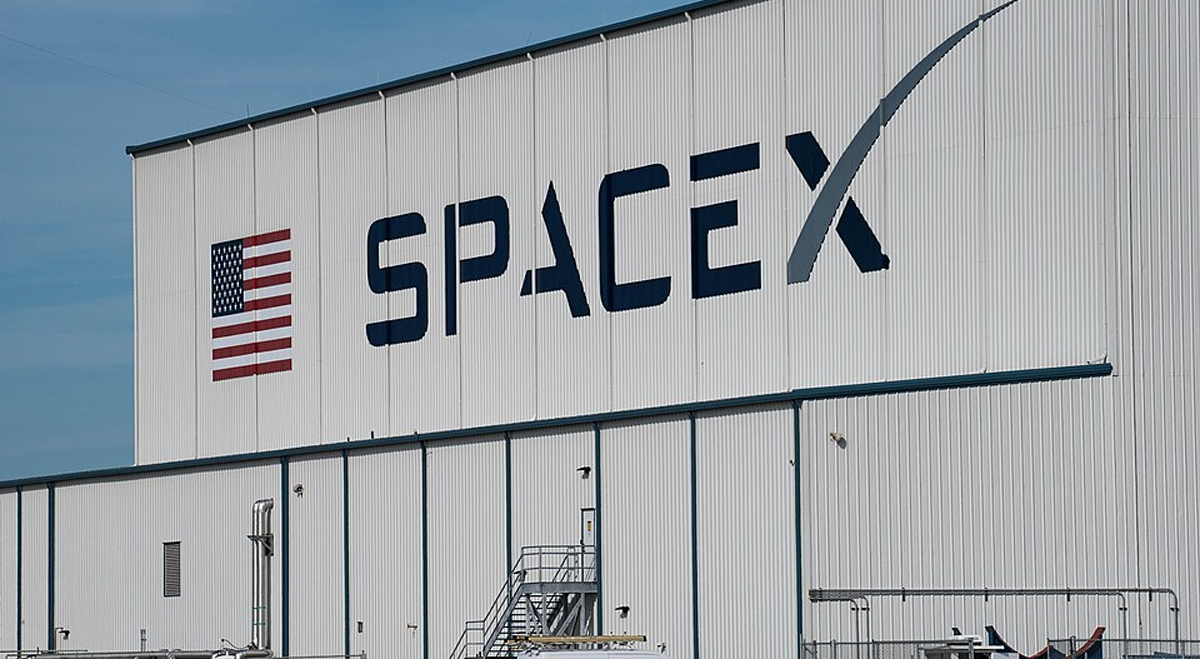
    The arrival of several high-profile AI-related initial public offerings, including Anthropic, OpenAI and SpaceX (NASDAQ:SPCX), may create temporary challenges for financial markets as investors absorb an unprecedented amount of new equity supply, according to Standard Chartered’s Global Chief Investment Officer for Wealth Solutions, Steve Brice.

    Speaking to CNBC on Tuesday, Brice said the market may require time to adjust to the scale of the upcoming listings.

    “There’s going to be some digestion challenges of these IPOs coming through the market, and some of the broadening out usually does take place well, but it doesn’t necessarily happen in a totally smooth fashion,” Brice said.

    Investor Optimism May Be Tested

    Although Brice remains positive on the long-term outlook, he signaled a more measured stance toward markets over the coming months.

    “I isn’t ‘super, super bullish at this point.’”

    He suggested that a combination of seasonal factors, geopolitical uncertainty and large IPO launches could contribute to periods of weakness.

    “We could see some weakness at some point over the summer months, and maybe that would fit into what’s happening in the Middle East as well,” he said.

    Market Pullbacks Could Create Long-Term Value

    Despite warning about near-term risks, Brice emphasized that any correction should be viewed within a broader investment context.

    He said that market declines linked to new share issuance or geopolitical uncertainty could ultimately provide attractive buying opportunities for investors willing to look beyond short-term volatility.

    The upcoming listings are expected to test investor appetite as some of the world’s most valuable AI and technology companies seek public-market capital.

    Employment Data Could Offer Near-Term Support

    Brice said stronger-than-expected U.S. labor market figures could help support sentiment in the near future.

    However, he cautioned that any economic resilience may come under pressure if disruptions to global energy flows continue for an extended period.

    In particular, he highlighted the importance of developments surrounding the Strait of Hormuz, one of the world’s most critical energy transit routes.

    Oil Markets Remain Central to the Outlook

    Crude prices have risen sharply amid ongoing tensions between Washington and Tehran, with Iranian ports facing restrictions and shipping through the Strait of Hormuz remaining heavily disrupted.

    Brice noted that tightening supply conditions are increasingly affecting a wide range of industrial products beyond oil itself.

    “Inventories are being run down at a rapid pace, not just in physical crude, but also across petrochemicals or urea and different inputs into the production cycle around the world,” Brice said.

    According to Brice, sustained inventory depletion across key commodities and industrial inputs could eventually become a more significant challenge for global growth, inflation and overall market stability.

  • UBS Sees Need for Diversification as Tech Dominance Raises Portfolio Risks

    UBS Sees Need for Diversification as Tech Dominance Raises Portfolio Risks

    UBS urged investors to review and rebalance their holdings following the strong run in global equities, warning that heavy exposure to a small number of U.S. technology giants has increased concentration risk across many portfolios.

    The S&P 500 posted a new record close on Friday, bringing its year-to-date gain to more than 10%. Investor sentiment was boosted by reports that Washington and Tehran were nearing a framework deal that could pave the way for the reopening of the Strait of Hormuz.

    Globally, the MSCI All Country World Index has advanced 10.9% this year. UBS left unchanged its forecast for the S&P 500 to end the year at 7,900, supported by an expectation of 20% growth in corporate earnings per share.

    Although the bank remains constructive on equities, it expects future market performance to become less dependent on mega-cap technology names. UBS believes leadership is likely to broaden, with investors rotating into different sectors and regions while volatility increases as capital flows shift.

    To reduce concentration risk, the bank pointed to opportunities in Japan, China, emerging markets, Switzerland, health care and European consumer discretionary shares. UBS also emphasized that artificial intelligence-related investment is increasingly benefiting infrastructure projects, power networks and industrial suppliers in addition to the major technology companies currently in focus.

    UBS noted that “the recent bond sell-off has created an opportunity to lock in attractive yields,” particularly in high-quality government debt with short- to intermediate-term maturities. The bank argued that investors may be overestimating the likelihood of tighter monetary policy from major central banks.

    Looking ahead, UBS said uncertainty remains around the ultimate winners of the AI boom, warning that “it remains unclear which companies will emerge as leaders in monetizing AI.” As a result, investors could face continued volatility even after a strong earnings season across the sector.

  • Citi Expects Oil to Stay Supported as Geopolitical Risks and Low Inventories Persist

    Citi Expects Oil to Stay Supported as Geopolitical Risks and Low Inventories Persist

    Citi analysts continue to see upside for oil prices after fading expectations for a near-term U.S.-Iran agreement helped Brent crude rebound from recent lows around $91 per barrel.

    The recovery in prices comes as geopolitical tensions remain elevated across the Middle East. Recent military actions involving Iran and U.S. forces near the Strait of Hormuz have reinforced concerns that regional stability remains fragile despite ongoing ceasefire efforts.

    Talks between Washington and Tehran remain stalled, with negotiators divided over several key issues, including access through the Strait of Hormuz, Iran’s enriched uranium reserves and the role of Lebanon in any broader diplomatic settlement.

    While a renewed ceasefire between Israel and Lebanon has eased some immediate concerns and helped prevent a sharper rise in energy prices, Citi believes a comprehensive agreement could still take considerable time to materialize.

    Under the bank’s central scenario, shipping activity through the Strait gradually recovers during the third quarter. However, depleted stockpiles and the lengthy process of rebuilding inventories are expected to continue supporting crude prices.

    Citi forecasts Brent crude will average $110 per barrel during the third quarter before moderating to $90 in the fourth quarter and eventually easing toward $80 in 2027. The bank also expects the market’s backwardated structure to remain intact.

    The bullish view is driven less by total global inventories and more by where those inventories are located. According to Citi, stock levels in several key consuming regions, particularly Asia outside China, have already fallen below historical norms.

    “Continued stock draws will take levels to recently unprecedented lows, causing a scramble to pull from better supplied areas, and strong backwardation to persist to replenish low stocks even after Strait reopening,” the analysts wrote.

    The bank noted that the physical oil market has so far been supported by two temporary factors: weaker Chinese crude imports and large-scale releases from strategic reserves coordinated by the International Energy Agency.

    China’s imports declined by roughly 4.3 million barrels per day between February and May, while emergency stock releases contributed around 3.3 million barrels per day during April and May.

    Once those emergency supplies are exhausted, Citi expects tighter market conditions to become increasingly apparent.

    Inventories of refined products remain particularly tight. Stocks of diesel, gasoline and fuel oil are already sitting near the lower end of historical ranges, helping maintain strong refinery profitability despite fluctuations in crude prices.

    The International Energy Agency recently warned that if current inventory drawdowns continue, global stockpiles could approach critically low levels just as seasonal summer demand reaches its peak.

  • Population-Weighted Data Shows Economic Catch-Up Trend Remains Intact, Goldman Sachs Says

    Population-Weighted Data Shows Economic Catch-Up Trend Remains Intact, Goldman Sachs Says

    Goldman Sachs has challenged the argument that poorer nations are no longer catching up with wealthier economies, stating that much of the evidence supporting that view overlooks the importance of population size.

    In a report published Monday, the bank said that when economic convergence is measured using population-weighted data, the process has remained a persistent feature of the global economy for more than four decades.

    China, India and Other Asian Nations Lead the Trend

    The bank pointed to Asia’s largest countries as the primary forces behind global convergence.

    China has played a central role since the early 1980s, while India, Indonesia and Bangladesh have become increasingly influential contributors since the late 1990s.

    Because these four countries account for more than two-fifths of the world’s population, their sustained economic growth has had a significant effect on global income patterns.

    U.S. Growth Remains Unusually Strong

    Goldman Sachs also highlighted the performance of the United States among developed economies.

    Despite already ranking among the world’s wealthiest nations on a per-capita basis, the U.S. has continued to outperform most advanced economies in terms of GDP per capita growth.

    This combination of prosperity and continued expansion makes the American economy an unusual case among developed markets.

    Large Emerging Economies Continue to Close the Gap

    According to the report, globalization has historically been especially beneficial for smaller economies that rely heavily on external markets.

    However, Goldman Sachs found that large emerging economies—particularly those in East Asia—have maintained relatively strong convergence trends even outside periods of peak globalization.

    This suggests that structural growth drivers in these countries remain powerful despite shifts in the global economic environment.

    Emerging Markets Likely to Increase Their Global Influence

    The bank believes the continuation of economic convergence will result in emerging markets accounting for an increasingly larger share of global GDP over time.

    East Asian economies are expected to play a particularly important role in that shift, supported by favorable demographics, industrial development and ongoing productivity gains.

    Future Convergence Faces Both Opportunities and Risks

    Goldman Sachs said several factors could either accelerate or slow the convergence process in coming years.

    Artificial intelligence could boost economic performance in countries with strong technological capabilities, including the United States, China, South Korea and Taiwan.

    Conversely, a move toward greater protectionism could weaken global economic integration and slow convergence.

    The report also highlighted climate change as a potential headwind, particularly for South Asia and parts of Africa, where economies may be more vulnerable to environmental and weather-related disruptions.

  • SpaceX Could Become a Multi-Trillion-Dollar Revenue Company, Morgan Stanley Says

    SpaceX Could Become a Multi-Trillion-Dollar Revenue Company, Morgan Stanley Says

    Morgan Stanley has outlined an aggressive long-term outlook for SpaceX (NASDAQ:SPCX), projecting that the company’s annual revenue could climb to $3.4 trillion by 2040, according to people familiar with the analysis cited by The Wall Street Journal.

    A key component of that growth is expected to come from the company’s expanding artificial intelligence business, which the bank believes will become increasingly important to SpaceX’s overall financial performance.

    The projections were reported as SpaceX launched its investor roadshow ahead of a planned $75 billion IPO. If completed as expected, the transaction would set a new record for the largest public offering globally.

    Morgan Stanley forecasts that SpaceX’s AI division could generate approximately $190 billion in revenue by 2030. Total company revenue is expected to reach nearly $330 billion by that point.

    The company generated $18.67 billion in revenue during 2025, compared with $14.02 billion a year earlier. However, SpaceX reported a net loss of $4.94 billion in 2025 after recording a profit of $791 million in 2024.

    Revenue from artificial intelligence operations totaled roughly $3.2 billion last year.

    Goldman Sachs has offered an even more optimistic assessment. According to a Financial Times report, the bank expects SpaceX’s AI-related revenue to reach approximately $322 billion by 2030.

    Morgan Stanley is among the lead banks managing the IPO, working alongside Goldman Sachs, BofA Securities, Citigroup and J.P. Morgan on the landmark transaction.

  • Barclays Says Equity Rally Can Continue Despite Growing AI Market Excesses

    Barclays Says Equity Rally Can Continue Despite Growing AI Market Excesses

    Barclays remains optimistic on global equities, arguing that the current bull market still has room to advance even as enthusiasm for artificial intelligence and semiconductor stocks creates signs of overheating in parts of the market.

    According to the bank, strong earnings growth, healthy liquidity conditions and ongoing corporate buybacks continue to provide meaningful support for risk assets.

    Leadership Remains Concentrated in Technology

    The bank noted that while global equity indices have reached record highs, the advance has been driven by a relatively narrow group of stocks, particularly semiconductor companies tied to the AI investment theme.

    Outside of those sectors, much of the broader market has lagged, suggesting that current valuations may not be as stretched as headline index levels imply.

    However, Barclays warned that positioning in AI and momentum-driven stocks has become increasingly crowded, raising the possibility of short-term corrections.

    Several Risks Could Trigger Market Pullbacks

    Strategists led by Emmanuel Cau highlighted a number of developments that investors should monitor closely.

    Among them are elevated hedge fund and CTA exposure to AI-related trades, declining global oil inventories and rising government bond yields, which the team believes are approaching “the danger zone.”

    The strategists also pointed to a heavy pipeline of upcoming IPOs and historically weak summer seasonality as factors that could contribute to increased volatility and profit-taking activity.

    Inflation Re-Emerges as a Market Concern

    Barclays believes the relationship between economic growth and monetary policy is becoming more complicated as inflationary pressures build again.

    The bank acknowledged that additional interest-rate hikes can no longer be ruled out, although it expects policymakers, particularly at the Federal Reserve, to proceed cautiously.

    Even so, Barclays believes improving geopolitical conditions could help broaden market participation and support a wider rally.

    Peace Deal Could Unlock Upside in Europe

    A potential agreement between the United States and Iran is viewed as a significant catalyst.

    Barclays argues that a peace deal could reduce oil prices, ease inflation concerns and spark a rally in government bonds. Such a move would likely benefit rate-sensitive sectors and regions that have struggled since the conflict began, including Europe and consumer-related industries.

    As a result, the bank established a STOXX 600 “peace target” of 670.

    “Trump’s need for an off-ramp means de-escalation bias may still prevail and provide a floor to equities,” the strategists say.

    Earnings Growth Forecast Raised

    Reflecting confidence in corporate fundamentals, Barclays increased its forecast for European earnings growth in 2026 to 10%.

    The bank expects strong performance from energy and semiconductor companies to more than offset modest earnings downgrades elsewhere, supported by favorable nominal growth trends and supportive energy-market dynamics.

    “Earnings resilience remains the key anchor of the bull market,” the strategists continued.

    Stocks Continue to Outshine Bonds

    Although valuations remain somewhat elevated, Barclays argues that equities still compare favorably with bonds given rising inflation expectations and growing fiscal pressures.

    The bank also highlighted the continuing impact of share repurchases, noting that a significant portion of announced European buyback programs for 2026 remains outstanding.

    Preferred Markets Remain the Same

    Barclays continues to favor U.S. equities over European stocks and maintains overweight recommendations on emerging markets and Japan.

    Japan, in particular, is viewed as a key beneficiary of the global AI investment cycle and continued growth in memory-chip demand, trends that Barclays expects to remain powerful drivers of equity performance over the longer term.

  • AI Spending and Asset Wealth Keep U.S. Economy Resilient, Says Wolfe Research

    AI Spending and Asset Wealth Keep U.S. Economy Resilient, Says Wolfe Research

    Wolfe Research believes the U.S. economy continues to perform strongly, with real-time economic measures indicating growth of around 3%. The firm attributes much of that resilience to rapid AI-related investment, supportive tax policies and the continued impact of rising household wealth.

    The latest ISM Manufacturing report for May pointed to a fifth consecutive month of expansion. Wolfe highlighted that the survey’s New Orders index, a key input in its proprietary U.S. Market Cycle Framework, remains consistent with an Early Acceleration stage in the economic cycle.

    The firm argued that the wealth effect remains a significant driver of consumer activity, particularly as equity markets continue to trade near record levels. Because stock ownership is concentrated among higher-income households, market gains are translating into stronger spending from affluent consumers.

    According to Wolfe’s analysis, the highest-earning 40% of Americans control roughly 94% of total equity holdings, placing them in a position to benefit disproportionately from the ongoing rally in financial assets.

    Housing wealth is also contributing to economic strength. Wolfe estimates that residential property values have generated approximately $16 trillion in additional household wealth since the pandemic, further supporting spending among wealthier segments of the population.

    The firm noted that about three-quarters of U.S. housing wealth is concentrated within the top 40% of income earners, helping to sustain consumer demand and reinforce the economy’s current growth trajectory.

  • Wolfe Research Highlights Wealth Effect as a Powerful Driver of U.S. Economic Strength

    Wolfe Research Highlights Wealth Effect as a Powerful Driver of U.S. Economic Strength

    According to Wolfe Research, the wealth effect has become one of the most influential forces supporting the U.S. economy, even as investors remain heavily focused on the rapid expansion of artificial intelligence infrastructure.

    The firm believes rising asset values are helping sustain consumer spending and economic growth, complementing the impact of AI investment and fiscal stimulus measures.

    Chris Senyek told clients that real-time economic indicators continue to point to growth of approximately 3%, supported by a combination of AI-related spending, tax incentives from the One Big Beautiful Bill and the financial benefits generated by higher asset prices.

    Manufacturing Activity Continues to Improve

    Wolfe cited the latest ISM Manufacturing report as further evidence of economic resilience.

    The survey showed manufacturing activity expanding for the fifth straight month, while the New Orders index continued to signal an Early Acceleration phase within the firm’s proprietary U.S. Market Cycle Framework.

    The data reinforce the view that business activity remains healthy across key sectors of the economy.

    Rising Asset Values Are Supporting Spending

    A central element of Wolfe’s thesis is that strong financial markets are translating into higher consumer expenditures.

    “Investors shouldn’t ignore the implications of the wealth effect on spending,” Senyek said.

    With U.S. equity markets trading at record levels, wealthier households have seen significant gains in their investment portfolios, increasing their ability and willingness to spend.

    “The top 40% of earners in the U.S. own 94% of equities,” wrote Senyek.

    Because ownership of financial assets is heavily concentrated among higher-income consumers, stock market gains can have an outsized effect on spending patterns.

    Housing Wealth Strengthens Consumer Balance Sheets

    Wolfe also emphasized the contribution of residential real estate to household wealth.

    The firm estimates that U.S. homeowners have accumulated roughly $16 trillion in additional housing wealth since the onset of the COVID-19 pandemic.

    Higher-income households account for the majority of that increase, owning around 75% of total housing wealth.

    As a result, many consumers continue to benefit from stronger balance sheets and greater spending flexibility.

    Lower Fuel Prices Could Create Additional Opportunities

    Looking ahead, Wolfe Research sees attractive opportunities in discretionary service companies that are positioned to benefit from declining gasoline prices.

    The firm believes that lower energy costs, combined with elevated levels of financial and housing wealth, could continue to support consumer demand and help maintain economic momentum.

    While AI remains a dominant investment theme, Wolfe argues that the wealth effect is an equally important factor helping drive the U.S. economy forward.