Author: Fiona Craig

  • HSBC says equity rally still has room to run despite improving Middle East outlook

    HSBC says equity rally still has room to run despite improving Middle East outlook

    HSBC strategist Max Kettner remains firmly bullish on global risk assets, arguing that investors are premature in calling for a “buy the rumor, sell the fact” reaction to easing Middle East tensions.

    Kettner said HSBC’s sentiment and positioning models continue to support equities and are “not sending a sell signal yet.”

    “Most notably, we think systematic strategies have some further room to buy. So any potential further supportive news flow from the Middle East may well lift risk assets and lead to a more broad-based equity rally again,” he wrote.

    He added that systematic investors still appear under-positioned, limiting the market impact of potential negative headlines.

    HSBC therefore continues to maintain its strongest overweight allocation to global equities, particularly in U.S. and Asian markets, alongside sizable overweight exposure to emerging-market local debt and high-yield credit.

    Meanwhile, the bank remains most underweight U.S. Treasuries relative to European sovereign debt.

    Kettner pointed to robust corporate earnings as a major driver behind the bullish stance. Excluding technology companies, S&P 500 first-quarter net income rose 11% sequentially, while earnings surprises reached their strongest level since the post-pandemic reopening period.

    Notably, U.S. technology companies avoided any below-consensus EPS results during the quarter.

    HSBC also highlighted that consensus forecasts for 2026 S&P 500 earnings continue moving higher rather than following the normal pattern of downward revisions.

    The bank added that U.S. consumption trends still suggest economic momentum is improving, supported by healthy household balance sheets, strong employment conditions and tax refund flows.

    While some softening has appeared in credit card spending data, HSBC believes much of it reflects distorted comparisons caused by tariff-related spending pull-forwards last year.

    In contrast, Europe’s outlook appears weaker, with business confidence indicators such as Germany’s ifo survey signaling softer activity.

    As a result, HSBC continues favoring European bonds over U.S. Treasuries, prefers U.S. consumer discretionary equities over European peers, and remains constructive on European financial stocks.

  • Wolfe Research Sees Rising Risk of Central Bank Missteps as Oil Prices Climb

    Wolfe Research Sees Rising Risk of Central Bank Missteps as Oil Prices Climb

    Wolfe Research has cautioned that central banks around the world may risk making policy mistakes if they react too aggressively to the recent surge in oil prices caused by the Iran conflict.

    The firm noted that while U.S. equity markets have remained relatively resilient, long-term bond yields and interest-rate expectations in futures markets have closely tracked the move higher in oil prices since tensions escalated in the Middle East.

    Europe and Asia Face Greater Economic Pressure

    According to Wolfe Research, the muted response in U.S. stocks partly reflects America’s stronger energy independence compared with Europe and Asia, both of which remain heavily dependent on imported fuel.

    The report said rising energy costs are expected to weigh more heavily on economic growth outside the United States, particularly in regions where imported oil and gas play a larger role in the economy.

    Global Rate Policy May Drift Away From the Fed

    The research group pointed out that several major central banks have recently held policy meetings, increasing the likelihood that monetary policy paths outside the U.S. could begin to diverge from those of the Federal Reserve.

    Wolfe suggested that some overseas central banks may move toward tighter policy even if the Fed keeps rates steady or eventually cuts them.

    Bank of Japan Decision Highlights Internal Tensions

    The latest meeting of the Bank of Japan drew particular attention after policymakers voted 6-3 in favor of leaving interest rates unchanged.

    Wolfe Research said this represented the widest division among policymakers since Governor Kazuo Ueda took office in 2023, suggesting that pressure for additional tightening may be building inside the central bank.

    Stronger Yen Could Spark Market Disruption

    The firm warned that if the Bank of Japan raises rates more aggressively than markets currently expect — futures markets are pricing in roughly two additional hikes — the resulting strength in the yen versus the dollar could trigger another unwinding of carry trades and increase volatility across global financial markets.

    Two Key Risks Could Threaten the Market Rally

    Wolfe Research identified two major threats to the ongoing market advance: central banks tightening policy in response to what may ultimately prove to be temporary energy-driven inflation, and the risk of a disorderly carry trade unwind linked to sharp currency movements.

  • Jefferies Sees AI-Led Market Rally as Fundamentally Backed by Earnings

    Jefferies Sees AI-Led Market Rally as Fundamentally Backed by Earnings

    Artificial intelligence-related shares have been responsible for more than 80% of the S&P 500’s gains in 2026, raising concerns among some investors about whether the rally has become too concentrated. Strategists at Jefferies, however, argue that the strength of the move remains supported by fundamentals rather than excessive speculation.

    The firm’s quantitative strategy team said returns across its AI stock basket continue to be driven largely by earnings growth instead of expanding valuation multiples, which they believe makes the trend “sustainable.” Without AI-linked companies, the S&P 500 would have gained only around 2% so far this year.

    Strong Earnings Momentum Continues Across AI Sector

    Jefferies noted that forward earnings forecasts for its AI basket in 2026 have risen by more than 30% since the middle of 2025. Analyst consensus currently points to a compound annual earnings-per-share growth rate of 38.5% for 2026 through 2027, far above the 11.9% projected for sectors outside artificial intelligence.

    Even with that growth profile, the AI basket trades at roughly 25 times forward earnings, below its historical one-standard-deviation level. Its PEG ratio also stands at just 0.6 times.

    “AI is the cheapest sector to own in the U.S.,” on a PEG basis, the team led by Desh Peramunetilleke wrote.

    Not All AI Segments Are Performing Equally

    Performance across the AI landscape has varied considerably this year, according to Jefferies. Stocks tied to AI servers, optical technologies and memory products have generated the strongest returns, while hyperscalers and semiconductor designers have lagged behind other AI-related groups.

    The analysts said memory and compute-focused companies currently appear the most attractive from a valuation standpoint based on PEG ratios. Meanwhile, semiconductor equipment makers and chip design companies are viewed as comparatively expensive.

    Earnings Season Offers Additional Confidence

    Jefferies said the latest earnings season further reinforced the positive case for AI-related equities. Approximately 86% of companies exceeded profit expectations, marking the highest earnings beat rate seen since the post-pandemic period and improving from 75% in the previous quarter. Revenue surprises also strengthened, with 82% of companies beating forecasts.

    Despite those strong numbers, the firm noted that positive earnings surprises did not consistently translate into outperformance across the broader market. Outside AI and a limited number of sectors, companies generally saw muted share-price reactions following earnings beats, while firms missing expectations faced sharp declines, reflecting elevated market expectations.

    “On a more positive note, beats were followed by upgrades, suggesting earnings risks are low despite the geopolitical uncertainty,” the strategists added.

    Geopolitical Risks Remain a Key Concern

    Analysis conducted through the AlphaSense platform covering roughly 330 earnings calls showed that management teams remain broadly optimistic, with positive sentiment reaching 95%. Analyst sentiment also improved, with 58% of earnings calls reflecting a positive tone compared with 48% in the fourth quarter of 2025.

    At the same time, companies increasingly pointed to geopolitical tensions involving the United States and Iran as a growing risk factor. Around 44% of businesses referenced the conflict negatively, highlighting concerns around supply chain disruption and softer consumer demand.

    Broader Market Growth Remains Subdued Outside AI

    Jefferies also highlighted the growing divide between AI-driven sectors and the rest of the market. Aggregate earnings revisions for the S&P 500 over the past three months total roughly 6%, but fall to just 0.3% once AI and commodity-related sectors are removed from the calculation.

  • Mining Shares Sink as Gold and Copper Prices Come Under Pressure Amid Iran Tensions

    Mining Shares Sink as Gold and Copper Prices Come Under Pressure Amid Iran Tensions

    London-listed mining companies traded sharply lower on Friday, with sector losses ranging from 3.5% to 7.4% after renewed tensions between the United States and Iran sparked a broader retreat across precious metals and commodity markets.

    Gold Weakness Hits Major Miners

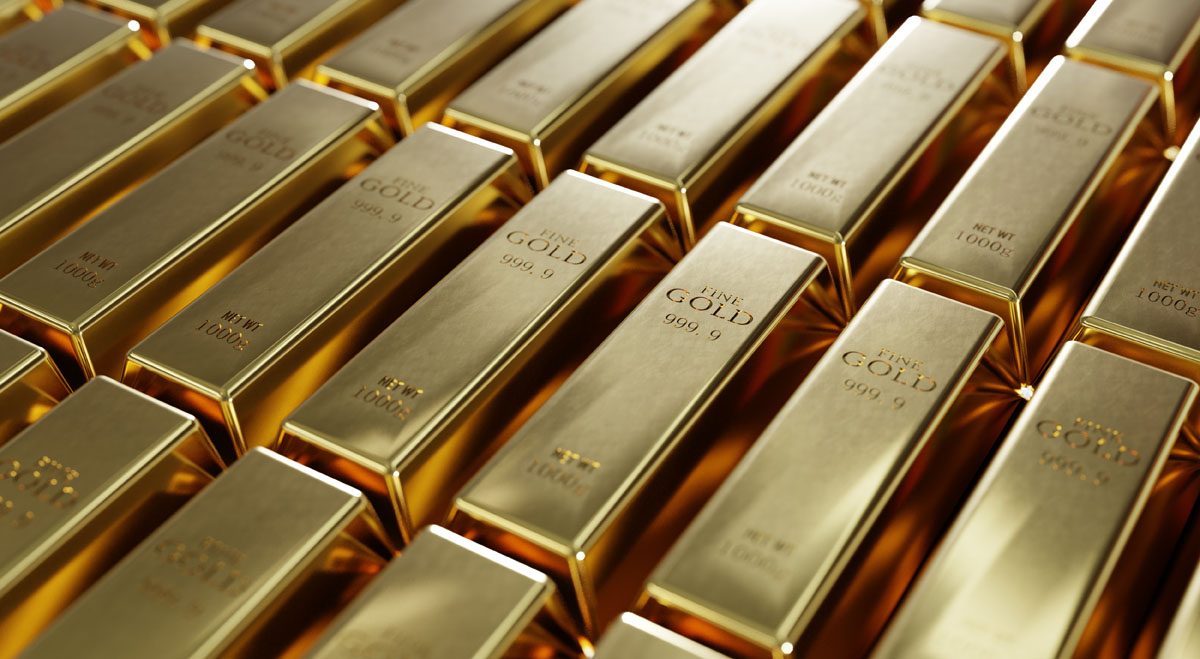
    By 09:05 GMT, spot gold had fallen 2.6% to $4,566.75 an ounce, dragging down leading mining groups including Antofagasta (LSE:ANTO), Anglo American (LSE:AAL), Rio Tinto (LSE:RIO), Endeavour Mining (LSE:EDV) and BHP Group (LSE:BHP).

    Antofagasta was among the weakest performers on the FTSE 100, sliding 7.4%, while Anglo American dropped 5.7%. Rio Tinto lost 3.5%, Endeavour Mining declined 3.4% and BHP Group retreated 3.8%.

    U.S.-Iran Tensions Weigh on Commodity Markets

    The selloff followed a deterioration in diplomatic sentiment after U.S. President Donald Trump rejected Tehran’s latest peace proposal and warned that any ceasefire arrangement remained fragile. The comments prompted investors to pull back from earlier expectations that geopolitical tensions could begin easing.

    Pressure on gold prices has also been linked to broader macroeconomic concerns tied to the Middle East conflict.

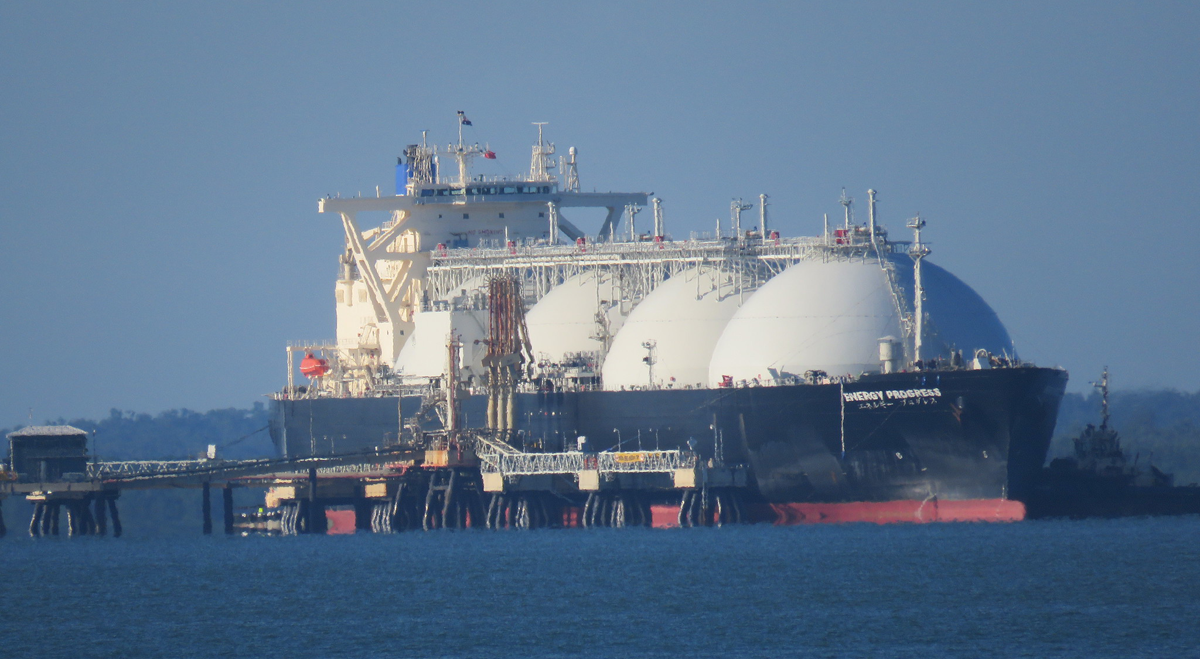
    Earlier this year, Iran’s closure of the Strait of Hormuz pushed crude oil prices above $100 a barrel, increasing fears of persistent inflation and strengthening expectations that the U.S. Federal Reserve may keep interest rates elevated for longer.

    Higher interest rates tend to reduce the appeal of gold because the metal does not generate yield and becomes less competitive compared with income-producing assets. Despite a modest rebound in recent weeks, bullion remains around 25% below its January peak.

    Copper Outlook Still Supported by Long-Term Demand Trends

    Copper prices also moved lower, although demand from China has remained comparatively resilient throughout the year. Consumption linked to clean energy projects and technology sectors has helped offset weaker activity in China’s property and construction markets.

    Over the longer term, copper continues to receive support from expectations of rising demand tied to artificial intelligence infrastructure, upgrades to electricity grids and the broader global transition toward cleaner energy systems.

    Supply-related concerns have also underpinned the market, with China’s restrictions on sulfuric acid exports and disruptions to sulfur production in the Middle East raising the prospect of tighter global supply conditions.

  • Market Open: British Gas Compensation, Heathrow Expansion

    Market Open: British Gas Compensation, Heathrow Expansion

    FTSE 100 falls as US markets weaken, Brent crude rises on shipping fears, while British Gas and Heathrow lead headlines.

    Market Overview

    European markets moved higher in early trade, with the CAC 40 up 0.93 per cent and the DAX gaining 1.32 per cent, while the FTSE 100 fell 0.69 per cent amid weaker sentiment in London equities. US markets closed lower overnight, with the Nasdaq down 1.05 per cent and the S&P 500 slipping 0.65 per cent as investors weighed geopolitical risks, earnings expectations and concerns around the UK economic outlook linked to trade tensions and Middle East instability.

    Commodity markets remained active, with Brent crude rising as concerns persisted over shipping disruptions and possible seizures in key oil transit routes. Gold and copper both moved lower, while natural gas edged higher. Sterling weakened against the US dollar, euro, Swiss franc and yen, although it strengthened against the Australian dollar. Bitcoin traded modestly lower against the pound as risk appetite softened.


    Market Numbers

    FTSE 100: Down (-0.69%), 10,284.74
    CAC40: Up (0.93%), 8,082.270
    DAX: Up (1.32%), 24,456.26
    NASDAQ: Down (-1.05%), 29,299.8
    S&P 500: Down (-0.65%), 7,451.8


    In the Headlines

    Compensation Deal – British Gas (LSE:CNA)
    British Gas has agreed a £20 million payout and compensation package following failures linked to the handling of prepayment meters. The settlement increases scrutiny on energy suppliers and could renew pressure on the sector over consumer protections and regulatory oversight.

    Heathrow Expansion – Heathrow Airport Holdings
    The UK regulator has indicated that Heathrow expansion could potentially be delivered by a rival infrastructure company rather than the airport itself. The development raises questions around competition, financing and the long-term structure of major UK transport projects.


    Currencies (vs GBP)

    USD: Down (-0.28%), $1.3365
    CHF: Down (-0.09%), Fr.1.04938
    EUR: Down (-0.03%), €1.1480
    JPY: Down (-0.24%), ¥211.751
    AUD: Up (0.49%), $1.864550
    Bitcoin (BTC/GBP): Down (-0.07%), £60,499.7


    Commodities

    Copper: Down (-3.93%), 6.374
    Gold: Down (-2.08%), 4,568.74
    Brent Crude: Up (0.77%), 104.985
    Natural Gas: Up (0.26%), 3.0945

  • Oil Extends Rally as Trump Says Xi Supports Blocking Iran Nuclear Ambitions

    Oil Extends Rally as Trump Says Xi Supports Blocking Iran Nuclear Ambitions

    Oil prices climbed roughly 2% after U.S. President Donald Trump said Chinese President Xi Jinping agreed that Iran should not be allowed to obtain nuclear weapons, while traders continued monitoring risks surrounding shipping activity near the Strait of Hormuz.

    Brent crude futures rose $1.77, or 1.67%, to $107.49 a barrel by 0642 GMT after touching an intraday peak of $107.99 earlier in the session.

    U.S. West Texas Intermediate crude futures advanced $2.13, or 2.11%, to $103.30 a barrel.

    For the week, Brent has gained close to 6%, while WTI has climbed more than 7%, supported by uncertainty surrounding the unstable ceasefire tied to the Iran conflict.

    Trump and Xi Discuss Iran and Hormuz

    Trump said he was running out of patience with Iran and added that both he and Xi agreed Tehran must not acquire nuclear weapons and should reopen the Strait of Hormuz.

    Xi did not publicly discuss his talks with Trump concerning Iran, though China’s foreign ministry later released a statement.

    “This conflict, which should never have happened, has no reason to continue,” the ministry said.

    “With the Beijing summit not delivering any breakthrough on Iran, market focus is back on the deadlock and a blockaded Strait, with a tail risk of renewed military escalation,” said Vandana Hari, founder of Vanda Insights.

    Shipping Risks Keep Markets on Edge

    Trump also said China was interested in purchasing oil from the United States, one of several developments markets had been watching for from the summit.

    Shipping risks around Hormuz continued to draw attention after reports that Iranian personnel seized a vessel near the United Arab Emirates on Thursday and redirected it toward Iranian waters. Separately, an Indian cargo ship carrying livestock from Africa to the UAE sank Wednesday off Oman’s coast.

    According to the White House, Trump and Xi both agreed on the need to keep the shipping route operational.

    Iran’s Revolutionary Guards stated that 30 ships had crossed the Strait of Hormuz since Wednesday evening. Although that remained far below the roughly 140 vessels that typically used the route daily before the conflict, it would still mark a notable increase if verified.

    Supply Constraints Continue Supporting Crude Prices

    Yang An of Haitong Futures said tight supply conditions remained the dominant force supporting oil prices.

    “Oil prices swung several times yesterday but still closed near the day’s high,” he said.

    “Ships passing through the strait eased some market concerns, but not enough to change the strong trend driven by tight supply.”

  • Gold Slides Toward Weekly Loss as Dollar Rises on Strong U.S. Data

    Gold Slides Toward Weekly Loss as Dollar Rises on Strong U.S. Data

    Gold prices moved lower again on Friday, extending losses for a fourth consecutive session as stronger U.S. economic indicators lifted the dollar and reduced expectations that the Federal Reserve will cut interest rates soon. Investors were also watching developments from talks between U.S. President Donald Trump and Chinese President Xi Jinping.

    Spot gold dropped 1.6% to $4,578.74 an ounce by 03:05 ET, or 07:05 GMT. U.S. gold futures fell 2.1% to $4,585.87 an ounce.

    Bullion was on course for a weekly decline of about 3%.

    Elsewhere in precious metals, silver slid 5.2% to $79.13 an ounce, while platinum fell 2.3% to $2,013.46 an ounce.

    Dollar Strength Adds Pressure to Bullion

    The U.S. Dollar Index advanced 0.3% during Asian trading, touching its highest level in two weeks. The index was set to gain more than 1% for the week.

    Stronger-than-forecast U.S. data released during the week added to concerns that inflation remains sticky, particularly as oil prices climbed amid Middle East tensions. Dollar strength tends to pressure gold because it makes the metal more expensive for international buyers.

    The latest data showed U.S. producer prices rose in April at the fastest annual pace in four years, while consumer inflation also exceeded expectations. Retail sales figures indicated that consumer demand remained firm despite higher energy prices.

    Those figures prompted traders to scale back expectations for Federal Reserve rate cuts this year, while some investors started to price in the risk of further policy tightening.

    Although gold is commonly viewed as protection against inflation and geopolitical stress, higher interest rates can reduce its appeal because the metal does not offer income.

    Trump-Xi Summit Brings Constructive Tone but Few Details

    Markets closely followed the Beijing meeting between Trump and Xi for clues on trade, diplomacy and the Iran conflict. Both governments described the discussions positively, but the talks ended without major policy announcements.

    Chinese state media said the two sides had reached “important consensus” on keeping economic and trade ties stable and agreed to improve coordination on global issues.

    Trump previously described the U.S.-China relationship as “very strong” and said Xi had offered support regarding Iran and the Strait of Hormuz. Beijing also urged the reopening of Hormuz and called for dialogue to reduce Middle East tensions.

    Gold was also pressured after Trump wrote on Truth Social that “the military decimation of Iran (to be continued!).” The statement highlighted the possibility of further escalation in the Iran war.

    Oil price gains tied to disruption in the Strait of Hormuz have made the outlook for gold more complicated by increasing fears that global inflation could stay elevated for longer.

    London Metal Exchange benchmark copper futures fell 2.6% to $13,644.22 a ton, while U.S. copper futures dropped 3.1% to $6.37 a pound.

  • Global Markets Turn Defensive as Tech Stocks Sink and Oil Prices Jump: Dow Jones, S&P, Nasdaq, Wall Street Futures

    Global Markets Turn Defensive as Tech Stocks Sink and Oil Prices Jump: Dow Jones, S&P, Nasdaq, Wall Street Futures

    Global markets moved into a defensive stance on Friday after a steep decline in South Korean equities triggered widespread weakness in technology shares, while oil prices rallied amid escalating concerns over the Strait of Hormuz and tensions involving Iran.

    Strategists at Deutsche Bank said in a morning briefing that “Markets have lost momentum after President Trump said the US doesn’t need the Strait of Hormuz open ‘at all’.”

    Bond yields rose worldwide as inflation worries resurfaced and demand for recent U.S. Treasury auctions disappointed investors. Markets also continued digesting the outcome of the Beijing summit between Donald Trump and Xi Jinping.

    Attention later in the session is expected to turn toward U.S. industrial production data and the latest Empire State manufacturing survey.

    Semiconductor Shares Lead Market Declines

    Asian markets posted sharp losses led by South Korea, where the KOSPI tumbled 6.1% after briefly trading above 8,000 earlier in the day. Investors used the move to lock in gains on semiconductor stocks following their powerful rally in recent months.

    Samsung Electronics slid 8.6% and SK Hynix dropped 7.7%, while U.S.-listed Micron Technology (NASDAQ:MU) declined 2.2% in premarket activity.

    Chinese mainland shares performed somewhat better than regional peers despite broader weakness across Asia.

    Stocks Retreat Across the Globe

    U.S. futures followed Asian markets lower, with contracts tied to the S&P 500 down 0.8% and Nasdaq-100 futures falling 1.1%.

    European equities also came under pressure, with the DAX losing 1.2%, while both the FTSE 100 and CAC 40 declined about 1%.

    Investors appeared increasingly cautious after weeks of strong equity gains, while geopolitical uncertainty and higher borrowing costs continued to pressure valuations. Political tensions in Britain also drew attention as Keir Starmer faced renewed scrutiny following a parliamentary vacancy that could open the way for Andy Burnham to enter Parliament.

    Oil Prices Surge Amid Hormuz Concerns

    Oil markets extended their rally on Friday, with Brent crude futures rising 2.9% to $108.75 and U.S. crude gaining 3.2% to $104.42. The market remained on course for strong weekly gains as traders monitored developments around the Strait of Hormuz and the stalled diplomatic situation involving Iran.

    Trump’s latest remarks that he was “losing patience” with Iran added to fears that energy exports through the Gulf could face prolonged disruption.

    “Notwithstanding the current prognosis of horrifically low oil inventories, it appears that the focus is progressively shifting towards demand destruction, hence the reluctance to revisit the March or April summits. Of course, such a jump cannot be ruled out in the event of an escalation,” said Tamas Varga from PVM Oil Associates.

    Trump and Xi Strike a Softer Tone

    Trump left Beijing aboard Air Force One after lengthy discussions with Xi on Thursday. Although the summit failed to produce major policy breakthroughs, investors welcomed the more conciliatory tone between the two sides.

    “We didn’t think any of the headlines from Trump’s trip were narrative-shifting at all,” wrote Adam Crisafulli.

    Trump reiterated that both Washington and Beijing wanted the Iran conflict resolved and stressed that Tehran should not obtain nuclear weapons. He also referred to “fantastic trade deals,” though no further details were announced. Chinese officials said the summit resulted in “a series of new common understandings.”

    Markets were additionally encouraged by signs that trade tensions between the two powers could continue easing. Trump said bilateral ties would be “better than ever,” while Chinese media reported Xi telling U.S. business leaders that China’s “doors to the outside world will open wider and wider.”

    Bond Markets Sell Off

    Government bonds weakened globally, driving yields higher as traders reassessed inflation expectations and central bank policy outlooks.

    According to Deutsche Bank strategists, “the U.S. rates mood also wasn’t helped by lukewarm demand for the latest T-bill auctions as the Treasury increased auction sizes for the past couple of weeks.”

    The U.S. two-year Treasury yield moved above 4.05%, while the 10-year Treasury yield neared 4.52%. In Japan, the 20-year government bond yield reached its highest point since 1996 after stronger producer price data reinforced expectations for further tightening by the Bank of Japan. European bond futures also declined.

  • European Markets Decline Amid UK Political Uncertainty and Iran Concerns: DAX, CAC, FTSE100

    European Markets Decline Amid UK Political Uncertainty and Iran Concerns: DAX, CAC, FTSE100

    European equities traded lower on Friday as investors reacted to mounting political uncertainty in the United Kingdom and persistent tensions surrounding the Iran situation.

    The pan-European STOXX Europe 600 slipped 0.76%, while Germany’s DAX fell 0.86%. France’s CAC 40 lost 0.79%, and the UK’s FTSE 100 declined 0.70% as of 07:08 GMT.

    Starmer Faces Renewed Pressure Inside Labour

    Keir Starmer is facing renewed questions over his leadership after a parliamentary seat became vacant, potentially opening the door for Andy Burnham to return to Westminster.

    The vacancy followed the resignation of a Labour MP, creating the possibility of a by-election that Burnham could contest. However, analysts noted that Reform UK could pose a significant electoral challenge if a vote takes place.

    Trump Ends Beijing Visit With Positive Signals

    Donald Trump departed Beijing on Friday, bringing his two-day state visit to China to a close with a ceremonial farewell.

    Trump described the trip as “incredible,” highlighting “fantastic trade deals” and progress in discussions concerning Iran. Both Washington and Beijing agreed that the Strait of Hormuz should remain open.

    China’s foreign ministry stated that the two leaders had “reached a series of new common understandings” and endorsed a “new vision” for a stable and constructive relationship between China and the United States. Trump also said Xi Jinping is expected to travel to the United States around September 24.

    Corporate Highlights

    Volkswagen (TG:VOW3) labour representatives reiterated that there would be “no plant closures” in Germany, while signalling openness to defence-related projects and partnerships with Chinese groups as part of efforts to tackle excess production capacity, according to Reuters.

    Stellantis (BIT:STLAM) and Dongfeng Motor Group agreed to jointly manufacture Jeep and Peugeot vehicles in China starting in 2027, with total planned investment exceeding $1.2 billion.

    Unipol Assicurazioni (BIT:UNI) reported a 15.4% increase in first-quarter net profit to €329 million, supported by strength in its core insurance operations.

    Gold Weakens While Oil Advances

    Gold prices declined for a fourth consecutive session as a stronger U.S. dollar and reduced expectations for Federal Reserve interest rate cuts weighed on sentiment. Bullion has fallen roughly 2% over the week.

    Oil prices moved higher after Trump warned he would not be “much more patient” with Iran. Brent crude has climbed nearly 6% this week.

  • FTSE 100 Slips as Labour Leadership Speculation Weighs on UK Markets

    FTSE 100 Slips as Labour Leadership Speculation Weighs on UK Markets

    European equity markets moved lower on Friday, with UK stocks pressured by growing political uncertainty surrounding the governing Labour Party, while investors also assessed the outcome of high-level talks between the United States and China in Beijing.

    The FTSE 100 fell 0.61%, while Germany’s DAX declined 0.79% and France’s CAC 40 lost 0.57%. Sterling weakened for a fourth consecutive session, with GBP/USD down 0.28% to 1.3372 as of 07:25 GMT.

    Labour Tensions Add Pressure to Sterling

    Political concerns intensified after a Labour MP resigned his seat, potentially opening a route back into Parliament for Andy Burnham and triggering renewed speculation over the future leadership of Prime Minister Keir Starmer.

    Market participants view Burnham as favouring a more expansionary fiscal approach, though analysts noted that any potential by-election could present a significant challenge from Reform UK.

    Trump Ends Beijing Visit With Positive Signals on Trade and Iran

    Meanwhile, Donald Trump departed Beijing on Friday following a two-day state visit that combined formal ceremonies with extensive diplomatic discussions. A military band and flag-waving crowds marked his departure as Air Force One left the Chinese capital.

    Trump described the visit as delivering “fantastic trade deals” and said he and Xi Jinping had found common ground on Iran-related issues. Both leaders called for the Strait of Hormuz to remain open and agreed that Tehran should not obtain nuclear weapons.

    China’s foreign ministry said the talks produced “a series of new common understandings” and outlined a shared commitment to maintaining stable bilateral relations in the years ahead. Xi is now expected to make a return visit to Washington around September 24.