Author: Fiona Craig

  • Galileo Resources Extends Molefe Copper Mineralisation Strike Length to 1,310 Metres Following Zambia Drilling Programme

    Galileo Resources Extends Molefe Copper Mineralisation Strike Length to 1,310 Metres Following Zambia Drilling Programme

    Galileo Resources Plc (LSE:GLR) has reported results from a completed drilling programme at its Molefe copper project in Zambia, confirming continuity of mineralisation and extending the identified strike length by approximately 380 metres.

    The programme increased the estimated strike length of mineralisation from 930 metres to 1,310 metres and provided geological information to support mine development planning and the identification of locations for future infrastructure.

    The work was carried out under a collaboration and project development agreement signed with Jubilee Metals Group PLC (LSE:JLP) on 27 November 2025.

    Drilling Programme Confirms Eastern Extension

    The drilling programme comprised 23 holes totalling 1,851.5 metres, with nine holes covering 552.6 metres designed to assess the continuity, geometry and copper grades of mineralisation along the eastern section of the ore zone.

    The remaining 14 holes, totalling 1,298.9 metres, were drilled to assess areas proposed for waste rock disposal, tailings storage, processing facilities and other mine infrastructure.

    Results from the mineralisation-focused drilling confirmed the continuation of copper mineralisation eastwards, increasing the identified strike length by approximately 380 metres.

    Among the reported intercepts, drill hole MNKDD021 returned 3.10 metres grading 2.97% total copper (TCu), while MNKDD027 intersected 10.5 metres at 1.24% TCu. Drill hole MNKDD029 recorded 12.5 metres grading 1.51% TCu.

    The results have been incorporated into the project’s development planning and mine scheduling work.

    Mine Schedule Targets Approximately One Million Tonnes of Oxide Copper

    Galileo has submitted a mine development plan and schedule to Jubilee for consideration, incorporating information from the drilling programme and in-pit sampling.

    The proposed schedule targets an oxide copper reef comprising approximately one million tonnes at grades of at least 1.30% total copper.

    Within that total, approximately 240,000 tonnes grading 1.45% TCu are associated with pits 2 and 3, which have been identified as the initial mining targets.

    Galileo emphasised that the drilling and sampling results were collected specifically to support mine scheduling and do not constitute a mineral resource estimate under any recognised reporting standard.

    The newly identified eastern extension of mineralisation has not been included in the current mine schedule.

    Infrastructure Planning Supported by Condemnation Drilling

    The condemnation drilling programme assessed areas within the Molefe licence where future mining infrastructure could be located without unnecessarily restricting access to mineralised zones.

    The work identified areas considered suitable for waste rock disposal, tailings facilities and a processing plant.

    These findings have been incorporated into the mine development plan submitted to Jubilee.

    The information is intended to support decisions on infrastructure placement and the sequencing of potential mining activities.

    Development Recommendations Submitted to Jubilee

    Galileo said the completed programme had provided additional geological information for mine planning and potential future development at Molefe.

    The company has submitted its mine development plan, mining schedule and recommendations for subsequent work to Jubilee under the existing collaboration agreement.

    Colin Bird, chairman of Galileo Resources, commented:

    “We are pleased to be able to increase the strike length of mineralisation providing additional potential tonnes for mining and processing. The data collected has been included in a mine development plan and mine schedule and recommendations for subsequent development provided to Jubilee. Drilling has also enabled detailed planning to be undertaken with regard to future infrastructural development.”

    The next stages of project development will depend on consideration of the submitted plans and recommendations.

    More About Galileo Resources

    Galileo Resources Plc is a London-listed mineral exploration and development company with projects focused on identifying and evaluating mineral deposits.

    The Molefe Project in Zambia is being advanced under a collaboration agreement with Jubilee Metals Group, with current activities focused on defining copper mineralisation, preparing mine schedules and evaluating infrastructure requirements.


  • Gold Retreats Below $4,050 as Federal Reserve Policy Uncertainty Keeps US Inflation Data in Focus

    Gold Retreats Below $4,050 as Federal Reserve Policy Uncertainty Keeps US Inflation Data in Focus

    Gold prices moved lower on Thursday as investors assessed the Federal Reserve’s decision to leave interest rates unchanged and awaited US inflation figures for further indications of the central bank’s monetary policy outlook.

    Spot gold declined 0.7% to $4,038.49 per ounce at 00:51 ET (04:51 GMT), while US gold futures slipped 0.1% to $4,049.72.

    Other precious metals also recorded declines, with silver, platinum and palladium trading lower. The US Dollar Index edged up to 102.20.

    Spot Gold Falls Following Three Sessions of Moderate Gains

    Gold prices declined after three consecutive trading sessions of modest increases.

    Spot bullion fell to $4,038.49 per ounce, representing a decrease of 0.7%, while US futures traded at $4,049.72, down 0.1%.

    The movements followed the Federal Reserve’s latest monetary policy announcement, which left its benchmark interest rate unchanged.

    Although the decision had been widely anticipated, the central bank provided limited information about the timing of future interest rate adjustments.

    Market participants continued to consider the possibility of another rate increase in December as elevated energy costs remained relevant to US inflation expectations.

    Silver and Platinum Drop 1.4% as Palladium Also Declines

    Selling extended across several precious metals during Thursday’s session.

    Silver declined 1.4% to $53.2295 per ounce, while platinum also fell 1.4%, reaching $1,520.17.

    Spot palladium decreased 0.7% to $1,009.02 per ounce.

    Palladium futures recorded a larger percentage decline of 1.1%, trading at $1,002.25.

    Meanwhile, the US Dollar Index increased slightly to 102.20.

    The price movements occurred ahead of the release of US inflation figures and amid continued attention to the Federal Reserve’s policy direction.

    Fed Maintains Benchmark Rate Following 10-2 Vote

    The Federal Open Market Committee voted 10-2 to keep its benchmark interest rate unchanged.

    The outcome matched market expectations, but the accompanying statements did not establish a specific timetable for additional monetary policy adjustments.

    Federal Reserve Chair Kevin Warsh also discussed a potential change to the central bank’s decision-making calendar.

    According to Warsh, the Fed could reduce its number of scheduled annual policy decisions from eight to six beginning next autumn.

    The proposed adjustment would change the frequency of scheduled decisions without determining their monetary policy outcomes.

    Investors continued to assess whether further tightening could occur before the end of 2026.

    September PCE Report Expected to Provide Inflation Update

    The next scheduled economic release attracting market attention was the September US Personal Consumption Expenditures price index.

    The PCE measure is closely monitored by the Federal Reserve when assessing inflation and determining monetary policy.

    Investors were awaiting the figures to evaluate the direction of price pressures in the US economy.

    Elevated energy prices remained an important consideration, particularly as markets continued to anticipate a possible rate increase in December.

    The inflation report was therefore expected to contribute to expectations surrounding the Fed’s remaining policy decisions for the year.

    Technology Share Declines Affect Gold Trading

    Gold market activity was also influenced by developments in equity markets.

    Investors were examining the financial effects of substantial artificial intelligence investment by major technology companies, including the implications for corporate cash flow.

    During the preceding week, a decline in AI-related equities led some investors to liquidate gold holdings to offset losses elsewhere in their portfolios.

    Those transactions contributed to gold reaching its lowest level since July.

    The metal had fallen 2.5% during October and was on course to register a second consecutive monthly decline.

    The developments demonstrated that gold prices can respond to portfolio liquidity requirements as well as monetary policy expectations.

    Central Banks Purchased an Estimated 79 Tonnes in August

    Purchases by monetary authorities continued to represent a source of demand for physical gold.

    Goldman Sachs estimated that central banks acquired 79 tonnes of the metal during August.

    The estimated volume was almost five times the average monthly amount recorded before 2022.

    China accounted for 25 tonnes of the reported purchases.

    The figures indicated continued official-sector participation in the gold market despite recent price declines.

    Central bank purchases were being monitored separately from short-term investment flows and changes in financial market conditions.

    Gold Bullion Company Highlights Role of Official-Sector Purchases

    Rick Kanda, managing director of The Gold Bullion Company, commented on the relationship between central bank buying and longer-term gold prices.

    Kanda noted that purchases by monetary authorities contribute to demand alongside interest rates, investor sentiment and geopolitical developments.

    He stated:

    “However, sustained central bank demand could nevertheless help maintain prices over the long term.”

    The comments presented the view that continued official-sector purchases could provide support for gold demand over an extended period.

    They came as market participants assessed the metal’s recent decline and the outlook for US monetary policy.

    Inflation Data and Fed Expectations Remain Central to Gold Trading

    Thursday’s decline in gold prices followed the Federal Reserve’s decision to maintain interest rates and preceded the publication of September’s PCE inflation figures.

    The possibility of another rate increase, elevated energy costs and developments in technology shares remained relevant to market expectations.

    Meanwhile, estimates of central bank purchases indicated continued demand from monetary authorities.

    These factors provided the immediate context for movements in gold futures and spot precious metal prices.

  • Brent Falls to $114.05 as Iran Peace Initiatives and Supply Developments Influence Oil Trading

    Brent Falls to $114.05 as Iran Peace Initiatives and Supply Developments Influence Oil Trading

    International oil prices declined on Thursday as reports of renewed diplomatic efforts involving Iran and the United States affected market expectations, while military activity in the Middle East continued to raise questions about the security of energy supplies.

    Brent crude futures fell $1.27, or 1.1%, to $114.05 per barrel by 09:22 GMT. US West Texas Intermediate (WTI) crude futures declined $1.51, equivalent to 1.5%, to $101.27 per barrel.

    The movements followed gains in the previous session, when Brent rose 1.3% and WTI advanced 3%.

    Oil Benchmarks Reverse Part of Wednesday’s Increase

    Crude oil futures traded lower on Thursday following reports of diplomatic initiatives intended to reduce the conflict involving Iran, the United States and Israel.

    Brent declined to $114.05 per barrel, while WTI fell to $101.27.

    The respective decreases of 1.1% and 1.5% partially reversed Wednesday’s increases.

    Oil traders were weighing the possibility of progress in negotiations against reports of attacks affecting regional energy infrastructure and shipping.

    Developments in Russian refining operations and US petroleum inventories also contributed to the market’s assessment of supply conditions.

    JD Vance Reportedly Sends Letter to Iranian Security Official

    The Wall Street Journal reported on Wednesday that US Vice President JD Vance had contacted Mohsen Rezaei, the head of Iran’s Security Council, through a letter intended to restart peace negotiations.

    The report cited US officials and people familiar with the communication.

    UBS analyst Giovanni Staunovo attributed the decline in oil prices to the latest diplomatic activity.

    “Oil prices are under pressure today amid renewed diplomatic efforts to de-escalate the conflict in the Middle East,” Staunovo said.

    The reported contact came as regional mediators continued efforts to establish terms for an agreement.

    Qatar Presents New Proposal as Iranian Official Rejects Terms

    Mediators from Qatar submitted a revised draft agreement to Iran aimed at ending the conflict involving Tehran, Washington and Israel.

    The development was reported by an official briefed on the negotiations.

    A senior Iranian official subsequently rejected the proposal, indicating that its contents were unacceptable and did not amount to a formal offer.

    Separately, Iran’s foreign minister said on Wednesday that the country continued to give diplomatic negotiations an opportunity to succeed.

    The minister also indicated that Tehran’s seven-day plan could potentially be completed in less than seven days if the proposal were adopted.

    The statements provided differing indications concerning the progress of the diplomatic process.

    Saudi Coalition Reports Missile Interception

    Military activity involving Yemen’s Houthi movement continued during the period.

    The Saudi-led coalition fighting the Houthis announced on Thursday that it had destroyed a ballistic missile launched toward Saudi Arabia’s eastern region.

    The coalition’s statement followed reports of additional attacks involving the group.

    Yemeni government forces said the Houthis had attacked Aden airport on Wednesday.

    A day earlier, the Houthis claimed responsibility for a missile strike against Saudi Arabia’s largest oil refinery.

    The incidents maintained attention on the potential effects of regional hostilities on energy production and transportation.

    Market participants were also considering concerns about possible US military action against Iran after the November 3 midterm elections.

    Three Tankers Reportedly Strike Mines Near Hormuz

    Iran’s Revolutionary Guards said three oil tankers had encountered sea mines while travelling along an unauthorised route south of the Strait of Hormuz.

    According to the Iranian statement, the vessels experienced explosions and fires during incidents occurring over the preceding 24 hours.

    The reported events added to concerns surrounding maritime operations near one of the principal shipping routes for Persian Gulf oil exports.

    The Strait of Hormuz is an important passage for international crude shipments, making developments affecting vessel movements relevant to oil market supply expectations.

    Russian Refinery Throughput Rises to 4 Million Barrels a Day

    Analysts at JPMorgan reported an increase in Russian refinery activity following the absence of further confirmed strikes on the country’s refining infrastructure.

    In a note issued late Wednesday, they stated:

    “Since the October 15 strike on the Ryazan refinery, there have been no further confirmed attacks on Russian refining infrastructure,”

    The analysts continued:

    “The silence has allowed Russian refinery runs to rebound by 350,000 barrels a day last week, to 4 million barrels a day.”

    The reported increase in processing activity followed the October 15 attack on the Ryazan facility.

    Expectations of additional crude and diesel supply from Russia contributed to the factors limiting oil price increases during Thursday’s trading.

    US Crude Stocks Fall Against Expectations for a Small Build

    The US Energy Information Administration reported a reduction in crude oil inventories for the week ended October 23.

    Commercial crude stocks declined by 1.9 million barrels.

    A Reuters survey of analysts had indicated expectations for an increase of 15,000 barrels.

    The difference between the reported inventory change and the forecast provided additional information about US crude market conditions.

    However, the agency’s gasoline inventory figures showed an increase rather than a decline.

    Gasoline Inventories Rise Despite Forecast Decline

    US gasoline stockpiles increased by 3.9 million barrels during the same reporting period.

    Analysts surveyed by Reuters had expected gasoline inventories to decrease by approximately 900,000 barrels.

    The reported increase therefore exceeded expectations and contrasted with the decline in crude oil stocks.

    The inventory figures showed different developments across crude oil and refined petroleum products.

    Oil Market Focus Remains on Diplomatic and Supply Developments

    Thursday’s decline in Brent and WTI prices occurred against a combination of diplomatic initiatives and continuing military activity in the Middle East.

    Reports of renewed contact between the United States and Iran were accompanied by further incidents involving the Houthis and vessels near the Strait of Hormuz.

    At the same time, higher Russian refinery throughput and changes in US oil and gasoline inventories contributed to assessments of petroleum supply conditions.

    These developments formed the immediate context for the decline in international oil futures.

  • Nasdaq Futures Decline as Alphabet Earnings Weigh on Technology Shares and Microsoft Reports Revenue Growth: Dow Jones, S&P, Wall Street

    Nasdaq Futures Decline as Alphabet Earnings Weigh on Technology Shares and Microsoft Reports Revenue Growth: Dow Jones, S&P, Wall Street

    US equity futures moved in different directions on Thursday following quarterly earnings announcements from major technology companies and the Federal Reserve’s decision to maintain interest rates.

    Nasdaq futures fell 1.3% and S&P 500 futures declined 0.5%, while Dow Jones futures gained 0.3%.

    Alphabet shares dropped more than 10% before the opening bell after reporting results below expectations. Microsoft advanced following higher-than-forecast revenue and adjusted earnings, while Samsung Electronics declined after its semiconductor business missed profit estimates.

    Investors were also considering comments from Federal Reserve Chair Kevin Warsh on the sensitivity of artificial intelligence investment to borrowing costs.

    US Stock Futures Diverge Following Previous Session’s Gains

    At 04:03 ET (08:03 GMT), Nasdaq futures were lower by 400 points, representing a decline of 1.3%.

    S&P 500 futures lost 36 points, or 0.5%, while Dow Jones futures rose 150 points, equivalent to 0.3%.

    The movements followed a positive session for the major US stock indices on Wednesday, when renewed demand for artificial intelligence-related shares contributed to market gains.

    Several financing agreements and corporate earnings releases had supported technology stocks. Oracle’s commitment to restrict fundraising through fiscal 2030 was another development monitored by investors.

    By Thursday morning, however, market attention had shifted toward the financial implications of large-scale AI investment.

    Deutsche Bank analysts identified a more cautious attitude toward technology shares as “the main theme in markets”.

    Alphabet Shares Lose More Than 10% Before Market Open

    Alphabet (NASDAQ:GOOG) declined more than 10% in premarket trading after the Google parent published third-quarter financial results that fell short of analyst expectations.

    Deutsche Bank analysts characterised the figures as “underwhelming results”.

    Revenue from Google’s services operations was a principal factor behind the earnings shortfall.

    Advertising revenue growth also slowed to its lowest level in five quarters.

    During the earnings conference call, Alphabet executives discussed increased use of Google’s “AI Mode” search functionality.

    Management indicated that revenue generated from searches using the AI feature was increasing more slowly than revenue from conventional search queries.

    The difference drew attention to Alphabet’s ability to generate revenue from its expanding AI services.

    Alphabet Reports $51.4 Billion in Capital Expenditure

    Alphabet’s capital expenditure increased by $6.5 billion from the preceding quarter to $51.4 billion.

    The higher investment spending coincided with a further decline in free cash flow, which remained negative.

    Alphabet has been expanding its artificial intelligence computing capacity and related infrastructure as part of its broader technology investment programme.

    The latest figures provided investors with information about the scale of spending required to support those operations.

    The relationship between AI-related revenue and capital expenditure remained a subject of market attention following the earnings announcement.

    Microsoft Revenue Reaches $92.28 Billion as Azure Expands 48%

    Microsoft (NASDAQ:MSFT) shares rose in premarket trading after the software and cloud computing company reported financial results above consensus forecasts.

    First-quarter fiscal revenue increased 19% to $92.28 billion.

    Adjusted earnings per share reached $4.89, exceeding analyst expectations.

    Azure, Microsoft’s cloud computing business, recorded revenue growth of 48%.

    The division’s performance contributed to the company’s overall revenue increase as enterprise demand for cloud services continued.

    Deutsche Bank analysts nevertheless said Microsoft’s results were “insufficient to brighten the overall gloomy tech mood this morning.”

    Microsoft Offers Voluntary Employee Buyouts

    Microsoft also announced a programme offering voluntary separation packages to eligible employees.

    The Wall Street Journal reported that approximately 60,000 workers could qualify for the offer.

    Microsoft employed 223,000 people at the end of June.

    The programme was announced alongside the company’s continued investment in cloud computing and artificial intelligence infrastructure.

    The supplied report did not specify the expected cost of the employee buyout initiative.

    Samsung Shares Fall After Semiconductor Earnings Miss

    Samsung Electronics (USOTC:SSNHZ) declined more than 4% in South Korean trading after reporting operating profit from its semiconductor division below analyst forecasts.

    The share price movement followed gains earlier in the year.

    Samsung also did not announce additional details concerning a potential shareholder return programme.

    At the group level, the company recorded its fourth consecutive quarter of record income.

    Total operating profit reached 100 trillion won, approximately $74.52 billion.

    The consolidated result contrasted with the semiconductor division’s performance relative to market expectations.

    Samsung Memory Chip Orders Cover Next Year’s Supply

    Samsung executives said the company’s planned memory chip supply for the following year had already been fully booked.

    Demand was associated with the expansion of artificial intelligence computing infrastructure and the components required to operate advanced AI systems.

    Samsung supplies memory chips to Nvidia and other companies involved in AI hardware and infrastructure.

    Management also indicated that constraints in the memory chip market could continue over the next several years.

    According to Samsung, these supply conditions could lead to further increases in memory chip prices.

    The comments provided additional context for the company’s semiconductor operations despite the division’s profit falling short of forecasts.

    Warsh Questions Whether AI Investment Is Insulated From Higher Rates

    Federal Reserve Chair Kevin Warsh discussed the potential influence of interest rates on artificial intelligence investment following Wednesday’s monetary policy announcement.

    The Fed maintained its benchmark interest rates at their existing levels.

    Warsh referred to an argument that AI projects might be relatively unaffected by higher borrowing costs because investors expected different levels of returns from the technology.

    He described the argument that tighter monetary policy was “not going to have any effect on AI because the returns that investors are expecting are so different,” but said he had been “skeptical of that view.”

    He added:

    “Interest rates get in the cracks. Interest rates affect, directly or indirectly, almost everything,”

    The remarks came as AI companies increasingly accessed bond and equity markets to finance capital-intensive infrastructure projects.

    This approach represents a change from relying primarily on internally generated cash flow.

    December Federal Reserve Rate Outlook Remains Under Review

    Investors were evaluating the possibility of further monetary policy tightening before the end of 2026.

    Market expectations indicated that the Federal Reserve could raise interest rates again in December.

    The central bank previously increased borrowing costs in September, its first rate increase since 2023.

    Changes in interest rates affect the financing environment for businesses undertaking large capital expenditure programmes.

    The Fed chair’s comments therefore added to the discussion of how monetary policy could influence technology sector investment.

    Further Technology Earnings and ECB Decision Awaited

    Amazon and Intel were scheduled to publish their quarterly results after the US stock market closed on Thursday.

    Their announcements were due to follow earnings releases from Alphabet, Microsoft and Samsung Electronics.

    Investors were monitoring corporate spending plans, cloud computing demand, semiconductor supply and the financial returns associated with artificial intelligence infrastructure.

    The European Central Bank’s interest rate decision was another scheduled event for Thursday, adding to the monetary policy developments being assessed by global financial markets.

  • Market Open: Lloyds Profit Rises, Magnum Lifts Outlook

    Market Open: Lloyds Profit Rises, Magnum Lifts Outlook

    FTSE 100 gains as Lloyds reports stronger profits and Magnum raises its sales outlook. European stocks advance while Brent crude and gold decline.

    Market Overview

    The FTSE 100 opened at 10,694.02 before advancing 0.54 per cent to 10,752.02, as investors assessed the UK Budget and the Federal Reserve’s decision to hold interest rates. European markets also gained, with the Euronext 100 rising 0.25 per cent to 1,882.91 and Germany’s DAX advancing 0.38 per cent to 25,802.14 ahead of the European Central Bank’s policy announcement. Wall Street closed higher, with the Nasdaq reaching 26,549.85 and the S&P 500 finishing at 7,743.98, as investors awaited US inflation data.

    Commodity markets were mixed, with copper and gold declining, while Brent crude edged lower as renewed hopes for Middle East peace negotiations offset concerns about regional supply disruptions. Natural gas also weakened. Sterling strengthened against the US dollar, Swiss franc and Japanese yen but lost ground against the euro and Australian dollar. Bitcoin declined against sterling. Investors continued to assess the implications of the UK Budget, central bank policy decisions and geopolitical developments for inflation and economic growth.


    Market Numbers

    FTSE 100: Up (+0.54%), 10,694.02
    Euronext 100: Up (+0.25%), 1,882.91
    DAX: Up (+0.38%), 25,802.14
    NASDAQ: Up, 26,549.85
    S&P 500: Up, 7,743.98


    In the Headlines

    Profit Growth – Lloyds Banking Group (LSE:LLOY)
    Lloyds Banking Group reported a 42 per cent increase in nine-month statutory pretax profit to £6.63 billion, supported by higher interest income, lending growth and lower remediation charges. The bank maintained its full-year 2026 guidance, providing investors with reassurance about its earnings outlook.

    Sales Growth – Magnum Ice Cream Company (LSE:MICC)
    The Magnum Ice Cream Company reported 9.6 per cent organic sales growth in the third quarter, supported by stronger volumes, product innovation and market share gains. The ice cream producer raised its full-year organic sales growth outlook to approximately 5.5 per cent, reflecting improved trading momentum.


    Currencies (vs GBP)

    USD: Down (-0.08%), $1.3316
    CHF: Down (-0.09%), Fr.1.1025
    EUR: Up (+0.05%), €1.1952
    JPY: Down (-0.06%), ¥210.242
    AUD: Up (+0.16%), $1.8914
    Bitcoin (BTC/GBP): Down (-1.58%), £60,028.90


    Commodities

    Copper: Down
    Gold: Down
    Brent Crude: Down
    Natural Gas: Down

  • European Stocks Trade in Narrow Ranges Ahead of ECB Decision and US Inflation Data: DAX, CAC, FTSE100

    European Stocks Trade in Narrow Ranges Ahead of ECB Decision and US Inflation Data: DAX, CAC, FTSE100

    European stock markets showed limited movement on Thursday as investors awaited the European Central Bank’s interest rate decision, US inflation figures and further corporate earnings announcements. Trading followed the Federal Reserve’s decision to leave interest rates unchanged, while quarterly results from major technology companies produced differing market reactions.

    The STOXX 600 index was little changed, while Germany’s DAX gained 0.2%. France’s CAC 40 advanced 0.6%, and London’s FTSE 100 rose 0.3%.

    Market attention was focused on ECB President Christine Lagarde’s scheduled press conference, the release of September’s US Personal Consumption Expenditures (PCE) inflation data and earnings reports from Amazon and Intel due after the US market close.

    European Markets Show Limited Movement

    European equities traded within relatively narrow ranges during Thursday’s session as investors assessed monetary policy developments and company earnings.

    The pan-European STOXX 600 index was unchanged, while Germany’s DAX increased 0.2%.

    France’s CAC 40 recorded a gain of 0.6%, and the UK’s FTSE 100 advanced 0.3%.

    The market movements came ahead of the ECB’s monetary policy announcement, with investors also monitoring the implications of the Federal Reserve’s latest interest rate decision.

    Corporate earnings remained another factor influencing individual share prices across European exchanges.

    ECB Expected to Keep Deposit Rate at 2.50%

    The European Central Bank’s Governing Council was widely expected to maintain its deposit facility rate at 2.50%.

    The anticipated decision follows interest rate increases in June and September, introduced in response to inflationary pressures associated with disruptions to energy supplies.

    Market participants were also awaiting comments from ECB President Christine Lagarde concerning the outlook for monetary policy.

    Crude oil prices remained above $100 per barrel, while European natural gas futures were trading near levels last recorded in 2022.

    Against this backdrop, interest rate futures indicated an implied probability of approximately 80% that the ECB would increase rates by 25 basis points in December.

    Investors were also assessing whether higher sovereign borrowing costs and tighter bank lending standards could influence the central bank’s assessment of the need for additional interest rate increases.

    Federal Reserve Leaves Interest Rates Unchanged

    The US Federal Open Market Committee maintained its federal funds target range at 3.75% to 4.00% following Wednesday’s policy meeting.

    Federal Reserve Chair Kevin Warsh did not provide explicit guidance concerning the timing of future interest rate decisions.

    The absence of a clear indication regarding subsequent policy adjustments left market participants assessing whether additional monetary tightening could follow.

    The Federal Reserve’s announcement provided the immediate monetary policy backdrop for Thursday’s European trading session.

    US Core PCE Inflation Expected to Rise 0.3%

    Investors were awaiting the publication of the September US Personal Consumption Expenditures price index, a measure of inflation monitored by the Federal Reserve.

    Analyst consensus estimates pointed to a 0.3% month-on-month increase in the core PCE index, which excludes food and energy prices.

    This would compare with a 0.2% increase recorded in August.

    The forthcoming data was expected to provide further information on US inflation trends following the Federal Reserve’s decision to maintain its current interest rate range.

    Shell Shares Rise 2.6% Following Earnings

    Shell (LSE:SHEL) shares gained 2.6% after the energy company reported net profit above market expectations.

    The company also increased its share repurchase programme.

    The earnings announcement contributed to the movement in Shell’s share price during the European trading session.

    The increase contrasted with declines in several other major European companies reporting financial results.

    Volkswagen Falls 1.6% After Decline in Operating Profit

    Volkswagen (TG:VOW3) shares declined 1.6% following the publication of its financial results.

    The German automotive manufacturer reported a 98.7% decrease in operating profit for the first nine months of the year.

    The decline in reported profitability accompanied the fall in Volkswagen’s share price during Thursday’s session.

    The company’s results formed part of a series of European corporate earnings announcements being assessed by investors.

    Alphabet and Microsoft Results Draw Attention to Technology Spending

    Recent earnings announcements from major US technology companies provided differing indications concerning artificial intelligence investment and cloud computing demand.

    Alphabet (NASDAQ:GOOG) reported increased capital expenditure associated with artificial intelligence infrastructure.

    The spending prompted market attention to the implications for free cash flow and the period required to generate returns on those investments.

    Microsoft (NASDAQ:MSFT), meanwhile, reported results above market expectations, supported by increased cash generation and enterprise demand for its Azure cloud computing services.

    The contrasting earnings reports provided context for upcoming results from Amazon and Intel, both scheduled for release after the US market close.

    European Semiconductor Shares Decline

    Several European semiconductor equipment manufacturers traded lower during Thursday’s session.

    ASML (EU:ASM), ASM International (EU:ASML) and BE Semiconductor (EU:BESI) recorded share price declines ranging from 0.9% to 2%.

    Investors were monitoring the companies in connection with spending on data centre infrastructure and semiconductor manufacturing equipment.

    Statements from major US technology companies concerning capital expenditure and hardware procurement remained relevant to expectations for the European semiconductor sector.

    STMicroelectronics (BIT:STMMI) also declined 2%, despite reporting third-quarter operating profit above market expectations.

    The share price movements followed recent technology earnings announcements and preceded further financial reports from Amazon and Intel.

    Monetary Policy and Corporate Earnings Remain in Focus

    Thursday’s European trading session was characterised by limited index movements alongside individual share price reactions to earnings announcements.

    Investors were awaiting the ECB’s interest rate decision and Christine Lagarde’s accompanying comments, while the September US core PCE inflation report was another scheduled economic release.

    Further quarterly results from Amazon and Intel were due after the US market close, adding to the financial information being assessed across European and US equity markets.

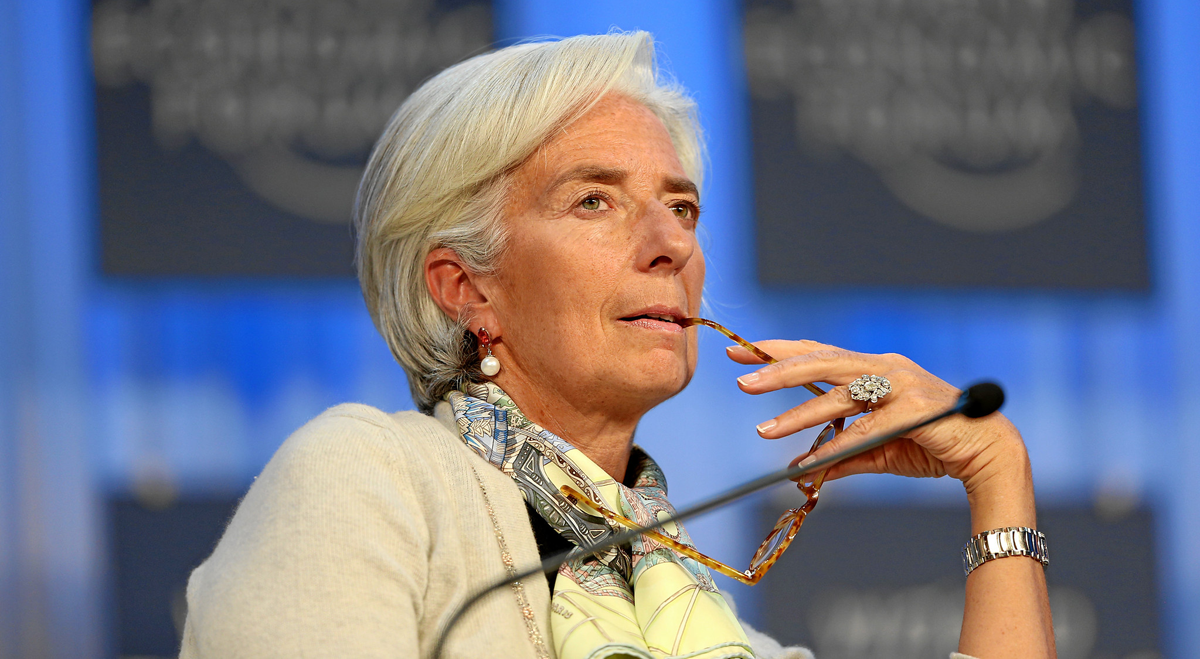
  • ECB Announces Christine Lagarde’s Departure on February 7, 2027, Ahead of Scheduled Term End

    ECB Announces Christine Lagarde’s Departure on February 7, 2027, Ahead of Scheduled Term End

    European Central Bank (ECB) President Christine Lagarde has announced her resignation, with her departure scheduled for February 7, 2027, according to an ECB statement issued on Thursday, October 29, 2026.

    The announcement brings forward the end of Lagarde’s presidency by approximately eight months, as her term had originally been scheduled to conclude at the end of October 2027.

    Lagarde Informs ECB Governing Council of Departure

    The ECB said Lagarde had formally communicated her decision to the bank’s Governing Council and European Council President Antonio Costa.

    The central bank stated:

    “European Central Bank President Christine Lagarde today informed the Governing Council and European Council President Antonio Costa that she will leave her post on 7 February 2027,”

    The announcement establishes February 7, 2027, as the date on which Lagarde is expected to leave her position.

    The statement provided in the source material did not identify a successor or specify arrangements for the transition.

    Departure Scheduled Before October 2027 Term Expiry

    Lagarde’s term as ECB president was originally due to expire at the end of October 2027.

    Her announced departure on February 7 would therefore take place approximately eight months before the scheduled conclusion of her mandate.

    Reports concerning a possible early departure had circulated for several months before the announcement.

    Those reports had identified the World Economic Forum as a possible next destination for Lagarde, although the ECB statement quoted in the source material did not confirm any subsequent appointment.

    ECB Interest Rate Decision Scheduled for Thursday

    The resignation announcement comes on the same day as the ECB’s scheduled monetary policy decision.

    The central bank is due to announce its interest rate decision at 2:15 p.m. Italian time on Thursday, October 29.

    Lagarde’s regular press conference is scheduled to follow at 2:45 p.m. Italian time.

    The interest rate announcement and subsequent press conference are separate from the statement concerning her departure.

    ECB Leadership Transition Ahead

    Lagarde’s departure will create a leadership vacancy at the European Central Bank before the original expiry of her term.

    The supplied announcement does not provide details concerning the selection of a successor or the timetable for appointing a new president.

    For the immediate term, the ECB’s scheduled monetary policy announcement and Lagarde’s accompanying press conference remain the next events on the institution’s calendar.

  • Campari Shares Fall 5% Despite Q3 Sales Exceeding Forecasts as US Outlook Weakens

    Campari Shares Fall 5% Despite Q3 Sales Exceeding Forecasts as US Outlook Weakens

    Campari Group (BIT:CPR) reported third-quarter sales of €777 million, exceeding analyst expectations of €761.8 million, as organic revenue growth continued across its principal markets. However, shares in the Italian spirits producer declined 5.12% on Thursday morning after the company forecast a marginal decrease in US net sales for the full financial year.

    Campari maintained its group-wide outlook for organic net sales growth of approximately 3% in 2026, while indicating that market conditions and comparisons with the previous year would affect its US business.

    Third-Quarter Sales Reach €777 Million

    Campari recorded third-quarter sales of €777 million, above the analyst consensus estimate of €761.8 million.

    Organic net sales increased 3.4% during the quarter, marking the company’s sixth consecutive quarter of organic growth.

    For the nine months ended September 30, 2026, total net sales reached €2.289 billion, representing a reported increase of 0.4% compared with the corresponding period last year.

    Organic sales growth for the nine-month period was 2.9%.

    The figures reflected continued organic growth despite a smaller increase in reported revenue over the first nine months of the financial year.

    Campari Maintains Full-Year Organic Sales Growth Guidance

    Campari reaffirmed its expectation for organic net sales growth of approximately 3% for the full 2026 financial year.

    The company maintained this forecast despite the market conditions affecting parts of its business, particularly in North America.

    Chief Executive Officer Simon Hunt commented on the company’s trading performance:

    “We have delivered our sixth consecutive quarter of organic net sales growth, while continuing to outperform the industry and gain share in our key markets, thanks to our priority brands,”

    The company attributed its organic sales performance to its principal brands and activity across its geographic markets.

    US Sales Expected to Decline Marginally in 2026

    Campari revised its expectations for the US market and now anticipates a marginal decline in net sales for the full year.

    The company cited reduced performance in certain product categories and a demanding comparison with the fourth quarter of the previous year.

    North America represents approximately 36% of group sales.

    Revenue in the region increased 1.0% organically during the reporting period, supported by sales of tequila and aperitif products in the United States.

    However, the company reported differences in performance across its broader portfolio, with some categories facing lower demand.

    The revised US outlook was announced alongside the third-quarter results and the confirmation of group-wide annual guidance.

    Europe Records 3.4% Organic Growth

    Europe, which accounts for approximately 46% of Campari’s group sales, reported organic revenue growth of 3.4%.

    The company identified Italy and the United Kingdom as contributors to the region’s performance.

    Sales growth in these markets supported the overall European result during the reporting period.

    Europe remained the company’s largest geographic market by share of group sales.

    Emerging Markets Grow 9.3%

    Campari reported organic sales growth of 9.3% across its emerging markets.

    The company identified Brazil and Argentina as the principal contributors to this increase.

    The growth rate exceeded those reported in Europe and North America.

    The geographic results showed differences in organic sales performance, with emerging markets recording the highest percentage growth among the regions highlighted.

    Campari Expects Adjusted EBIT Margin Expansion

    Campari maintained its expectation for an improvement in its organic adjusted EBIT margin for the full year.

    The company’s outlook includes an estimated €20 million impact from US tariffs.

    Campari also reported receiving €15 million in refunds relating to US tariffs imposed in 2025.

    According to the company, part of the refunded amount was reinvested in the business, while the remainder was used to offset cost pressures.

    The company retained its margin improvement outlook while incorporating the effects of tariffs and its updated expectations for US sales.

    More About Campari Group

    Campari Group (BIT:CPR) is an Italian producer and distributor of alcoholic beverages, including spirits and aperitifs.

    The company operates across Europe, North America and emerging markets, with a portfolio that includes tequila and aperitif products.

    Its financial performance is measured through reported and organic net sales growth, geographic revenue trends and adjusted EBIT margins.

  • TotalEnergies Reports 51% Rise in Q3 Adjusted Net Income to $9.10 Billion and Expands Share Buybacks

    TotalEnergies Reports 51% Rise in Q3 Adjusted Net Income to $9.10 Billion and Expands Share Buybacks

    TotalEnergies SE (LSE:TTE) reported a 51% quarter-on-quarter increase in adjusted net income to $9.10 billion for the third quarter of 2026, compared with $6.03 billion in the preceding quarter. The French energy company attributed the increase to higher European refining margins and natural gas prices.

    The group also authorised share repurchases of $2.50 billion for each of the fourth quarter of 2026 and the first quarter of 2027, while confirming its third interim dividend for the financial year.

    Third-Quarter Adjusted Earnings Increase 51%

    TotalEnergies reported adjusted net income of $9.10 billion for the three months ended September 30, 2026, up from $6.03 billion in the second quarter.

    Adjusted earnings before interest, taxes, depreciation and amortisation (EBITDA) increased 35% to $17.81 billion, compared with $13.18 billion in the previous quarter.

    Net income attributable to TotalEnergies shareholders rose 52% to $8.26 billion, from $5.44 billion in the second quarter.

    Chief Executive Patrick Pouyanné referred to the market conditions affecting the group’s quarterly performance, stating:

    “In a high-price environment characterized by historic refining margin levels and a bull gas market,”

    The company identified European refining margins and natural gas prices as factors contributing to the increase in quarterly earnings.

    Operating Cash Flow Rises 25% to $12.26 Billion

    TotalEnergies reported cash flow from operations excluding working capital of $12.26 billion in the third quarter, representing a 25% increase from $9.80 billion in the preceding three months.

    The increase accompanied higher adjusted EBITDA and net income during the reporting period.

    The group’s gearing ratio declined to 9.1% at September 30, 2026, compared with 13.1% at June 30, 2026.

    The reduction reflected a lower reported gearing level at the end of the third quarter.

    European Refining Margins Increase to $33.2 per Barrel

    The European Refining Margin Marker reached $33.2 per barrel during the third quarter, compared with $13.5 per barrel in the second quarter.

    The increase coincided with higher refinery processing volumes across TotalEnergies’ operations.

    Total refinery throughput rose to 1.56 million barrels per day, from 1.43 million barrels per day in the preceding quarter, representing an increase of approximately 9.1%.

    The company reported that higher refining margins contributed to its quarterly earnings performance.

    Hydrocarbon Production Reaches 2.47 Million Barrels per Day

    TotalEnergies reported hydrocarbon production of 2.47 million barrels of oil equivalent per day during the third quarter of 2026.

    This represented a 3% increase from the 2.40 million barrels of oil equivalent per day recorded in the second quarter.

    The production increase occurred alongside higher refining throughput and the rise in natural gas prices reported by the company.

    TotalEnergies Authorises $2.50 Billion in Quarterly Share Buybacks

    The board of directors authorised share repurchases of $2.50 billion for the fourth quarter of 2026 and a further $2.50 billion for the first quarter of 2027.

    The authorisations cover two consecutive quarters and represent a combined $5.00 billion in planned share repurchases.

    TotalEnergies also confirmed a third interim dividend of €0.90 per share for the 2026 financial year.

    The dividend represents an increase of 5.9% compared with the corresponding payment for 2025.

    The shareholder distribution announcements accompanied the company’s third-quarter results, which included higher adjusted earnings, operating cash flow and hydrocarbon production compared with the preceding quarter.

    More About TotalEnergies

    TotalEnergies SE (LSE:TTE) (EU:TTE) is a French integrated energy company with activities spanning oil and natural gas production, refining and other energy operations.

    Its financial and operational performance is measured through indicators including adjusted net income, adjusted EBITDA, operating cash flow, hydrocarbon production, refining margins and refinery throughput.

  • Renault (EU:RNO) Reports 1.5% Rise in Q3 Revenue to €11.60 Billion, Maintains 2026 Financial Outlook

    Renault (EU:RNO) Reports 1.5% Rise in Q3 Revenue to €11.60 Billion, Maintains 2026 Financial Outlook

    Renault SA (EU:RNO) reported a 1.5% year-on-year increase in third-quarter revenue to €11.60 billion, exceeding market expectations as growth in electric vehicle sales and its financing division accompanied a decline in overall vehicle deliveries. The French automotive manufacturer maintained its financial guidance for 2026.

    At constant exchange rates, group revenue increased 1.4% during the July-to-September quarter, compared with a Visible Alpha consensus forecast for a 0.3% decline.

    Third-Quarter Revenue Exceeds Market Expectations

    Renault’s automotive division generated revenue of €9.84 billion during the third quarter, broadly unchanged from the corresponding period last year.

    Mobilize Financial Services, the group’s financing business, reported an 11% increase in revenue to €1.76 billion.

    The company attributed the division’s growth to higher interest rates and an increase in average performing assets.

    The performance of the financing division contributed to overall revenue growth despite lower vehicle sales volumes across the group.

    Vehicle Sales Decline 6% to 497,799 Units

    Renault reported worldwide vehicle sales of 497,799 units during the third quarter, representing a 6% decrease compared with the previous year.

    Sales performance varied across the group’s automotive brands.

    Dacia recorded a 12.8% decline in sales, partly reflecting a higher comparison base in the corresponding quarter of 2025.

    Sales under the Renault brand decreased 2.9%, while Alpine reported a 58.4% increase in volumes.

    The figures reflected differences in sales trends across the group’s individual brands during the quarter.

    Electric Vehicle Sales Increase 84.7% in Europe

    Renault reported an 84.7% year-on-year increase in electric vehicle sales in Europe during the third quarter.

    Battery-electric vehicles accounted for 25.8% of the group’s passenger car sales, an increase of 12.2 percentage points compared with the previous year.

    Including full hybrid and plug-in hybrid models, electrified vehicles represented 54.9% of Renault’s passenger car sales.

    The figures indicate a higher proportion of electrified models within the group’s European passenger car sales mix, despite the decline in overall vehicle volumes.

    Renault Maintains 2026 Operating Margin and Cash Flow Guidance

    Renault reaffirmed its financial targets for the full 2026 financial year.

    The company continues to expect a group operating margin of approximately 5.5% of revenue and automotive free cash flow of around €1 billion.

    Management anticipates a slight improvement in the operating margin during the second half of the year compared with the first six months.

    However, Renault expects the usual seasonal increase in profitability to be less pronounced, citing higher raw-material costs and inflation.

    The company maintained these forecasts following the third-quarter trading update.

    Nine-Month Revenue Rises 7.1% to €41.85 Billion

    For the first nine months of 2026, Renault reported group revenue of €41.85 billion, representing a 7.1% increase compared with the corresponding period last year.

    Total vehicle sales declined 2.2% to approximately 1.66 million units over the same period.

    The nine-month results reflected revenue growth alongside a reduction in overall vehicle volumes, with the group’s financing operations and electric vehicle sales contributing to its trading performance.

    More About Renault

    Renault SA (EU:RNO) is a French automotive manufacturer operating through the Renault, Dacia and Alpine brands.

    The group also provides vehicle financing and related financial services through Mobilize Financial Services.

    Its financial and operational performance is measured through vehicle sales volumes, revenue, operating margins, automotive free cash flow and the development of its electric and hybrid vehicle portfolio.