Author: Fiona Craig

  • Restore (RST) Reports Revenue Growth, Datashred Expansion and £20m Share Buyback

    Restore (RST) Reports Revenue Growth, Datashred Expansion and £20m Share Buyback

    Restore (LSE:RST) delivered strong trading performance for the four months ended 30 April 2026, supported by contributions from recent acquisitions and continued organic growth across several key operations, including digitisation, outbound communications and IT recycling services.

    The company said its core document storage business maintained steady earnings performance, while operating margins across the group remained resilient. Management highlighted the strength of Restore’s recurring-revenue model as a key factor underpinning stability across its divisions.

    During the period, Restore completed three bolt-on acquisitions within its Datashred business for a total consideration of £3.5 million. The deals expand the company’s presence in the confidential shredding market, with management continuing to assess additional acquisition opportunities to strengthen the division further.

    The group also announced the launch of a £20 million share buyback programme, alongside reaffirming guidance that full-year adjusted profit before tax is expected to align with current market forecasts. Interim results are scheduled for release on 28 July 2026.

    Despite solid cash generation, the company’s outlook remains constrained by inconsistent profitability trends and moderate-to-elevated leverage levels. Technical indicators currently point to mixed momentum conditions, while valuation remains a concern due to a relatively high price-to-earnings multiple, partially balanced by dividend income potential.

    More about Restore

    Restore is a UK-based provider of secure business services specialising in the management of data, information, communications and physical assets. The company operates across areas including document storage, records digitisation, outbound communications and IT recycling, serving both corporate and public sector customers with information lifecycle and asset management solutions.

  • Avingtrans (AVG) Subsidiary Adaptix Receives CE Certification for Ortho350 3D Imaging Platform

    Avingtrans (AVG) Subsidiary Adaptix Receives CE Certification for Ortho350 3D Imaging Platform

    Avingtrans (LSE:AVG) announced that its medical imaging business, Adaptix, has obtained CE marking for the Ortho350 orthopaedic 3D imaging system. The compact Digital Tomosynthesis device is designed to deliver high-resolution, low-dose scans of extremities directly at the point of care, supporting imaging for areas including the hands, elbows, shoulders, knees and feet.

    The Ortho350 is intended to provide enhanced image clarity compared with traditional 2D X-ray systems while exposing patients to lower radiation levels than conventional CT scans. Adaptix believes the platform can also streamline clinical workflows and improve diagnostic accuracy for healthcare professionals.

    With CE certification now secured, Adaptix can begin commercial rollout of the Ortho350 across major healthcare markets in the UK and Europe. The approval represents a significant milestone for the company as it broadens its focus beyond veterinary imaging and industrial non-destructive testing into human healthcare applications.

    Management views the certification as an important growth driver that could accelerate adoption of its “3D-first” imaging strategy. The company also expects the development to strengthen Avingtrans’ position within the medical imaging sector while opening additional commercial opportunities with healthcare providers and industry partners.

    Avingtrans’ broader investment outlook continues to benefit from improving financial performance, including revenue growth, stronger profitability, limited leverage and healthier free cash flow generation. However, technical indicators suggest the shares may currently be in overbought territory despite maintaining a positive upward trend. Valuation metrics remain relatively balanced, although income appeal is less compelling from a yield perspective.

    More about Avingtrans

    Avingtrans is a UK-based engineering and manufacturing group supplying equipment, systems and aftermarket services to the energy, medical and industrial sectors worldwide. Its portfolio includes businesses such as Hayward Tyler, Energy Steel, Stainless Metalcraft, Booth Industries and Magnetica, with operations focused on critical-performance products including pumps, motors, pressure vessels, specialist doors, HVAC systems and advanced imaging technologies for mission-critical environments.

  • Copper Extends Rally as Supply Fears Offset Geopolitical Concerns

    Copper Extends Rally as Supply Fears Offset Geopolitical Concerns

    Copper prices moved higher on Monday, hitting their strongest level in over three months as tightening supply conditions continued to support the market despite lingering uncertainty surrounding the Iran conflict.

    Three-month copper futures on the London Metal Exchange climbed 1.3% to $13,573 per metric ton by 1030 GMT, their highest level since late January.

    Market Heads Toward Longest Winning Run Since December

    The latest advance put copper on course for a sixth consecutive day of gains, which would mark the metal’s longest rally since December.

    Copper has now gained roughly 10% since the beginning of the year.

    Prices Still Below Earlier Peaks

    Even with the recent upward momentum, copper prices remain below the highs recorded in January.

  • Wall Street Futures Edge Lower Ahead of New Trading Week: Dow Jones, S&P, Nasdaq

    Wall Street Futures Edge Lower Ahead of New Trading Week: Dow Jones, S&P, Nasdaq

    U.S. stock futures traded modestly lower on Monday morning, suggesting a softer opening for Wall Street after major indexes posted strong gains at the end of last week.

    The cautious tone followed Friday’s rally, which pushed both the Nasdaq and the S&P 500 to fresh record closing highs, prompting some investors to lock in recent profits.

    Oil Rally Adds Pressure to Market Mood

    Investor sentiment was also affected by another sharp rise in crude oil prices, with U.S. oil futures climbing more than 2%.

    Energy markets moved higher after President Donald Trump rejected Iran’s response to a U.S.-led peace initiative aimed at ending the prolonged Middle East conflict, calling the proposal “totally unacceptable” on Truth Social.

    Iranian state media reported that Tehran’s counteroffer included requests for compensation linked to war damages and demands for international recognition of Iran’s control over the Strait of Hormuz.

    Even with geopolitical tensions escalating, U.S. equities have continued to show resilience in recent weeks, helped by strong corporate earnings and optimism surrounding economic conditions.

    Inflation Data and Earnings to Drive Attention

    Markets are expected to focus heavily on upcoming U.S. inflation figures this week, including reports on consumer and producer prices, as traders evaluate the impact of higher energy prices on inflation trends.

    Investors will also be watching retail sales and industrial production data, alongside earnings releases from companies such as Under Armour (NYSE:UAA) and Cisco Systems (NASDAQ:CSCO).

    Nasdaq and S&P 500 Closed Last Week at New Highs

    Stocks rebounded sharply on Friday after weakness during Thursday’s session, with technology shares once again leading the advance.

    The Nasdaq Composite jumped 440.88 points, or 1.7%, ending at a record closing high of 26,247.08. The S&P 500 rose 61.82 points, or 0.8%, to finish at 7,398.93, while the Dow Jones Industrial Average added 12.19 points to close at 49,609.19.

    For the week overall, the Nasdaq surged 4.4%, the S&P 500 gained 2.3%, and the Dow edged higher by 0.2%.

    Strong April Jobs Data Supported Market Optimism

    Friday’s rally was fuelled in part by stronger-than-expected U.S. employment figures released by the Labor Department.

    Non-farm payrolls increased by 115,000 jobs in April following an upwardly revised gain of 185,000 in March.

    Economists had forecast an increase of just 63,000 jobs compared with the originally reported 178,000 gain in the previous month.

    The report showed particularly strong hiring in healthcare, transportation and warehousing, and retail, while federal government employment continued to decline slightly.

    Meanwhile, the unemployment rate held steady at 4.3% in April, matching both the previous month’s figure and analyst expectations.

    Middle East Conflict Continues to Shape Markets

    The labor market data helped reduce some concerns about the economic impact of the conflict in the Middle East, despite renewed military activity between the United States and Iran near the Strait of Hormuz overnight.

    Reports indicated that three U.S. destroyers were targeted by Iranian missiles and drones while moving through the strait. U.S. Central Command stated that incoming threats were intercepted and that retaliatory strikes hit Iranian military facilities connected to the attacks.

    In a later interview with ABC News journalist Rachel Scott, President Trump described the strikes against Iranian targets as “just a love tap” and maintained that the ceasefire agreement was still active.

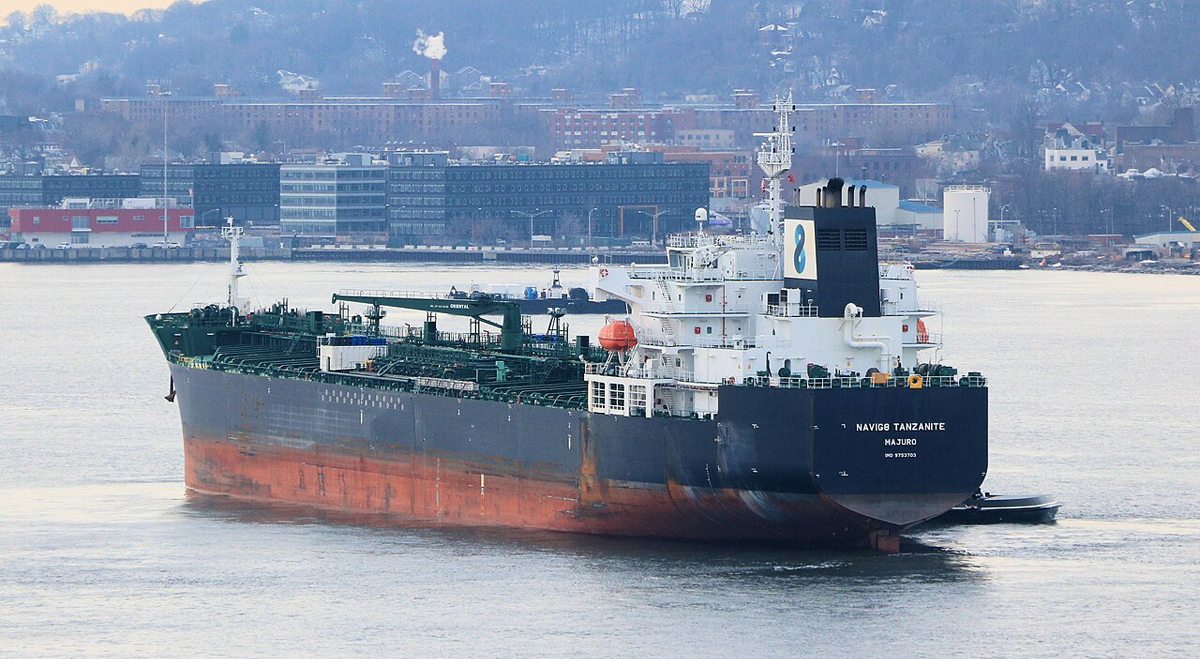
    U.S. Central Command also said American forces disabled two Iranian-flagged oil tankers attempting to dock at an Iranian port in the Gulf of Oman.

    Tech and Gold Shares Lead Sector Performance

    Technology-related sectors delivered some of the strongest gains on Friday, helping power the Nasdaq to another record finish.

    The NYSE Arca Computer Hardware Index climbed 6.6%, while the Philadelphia Semiconductor Index advanced 5.5%.

    Gold-related shares also moved sharply higher as bullion prices edged upward, lifting the NYSE Arca Gold Bugs Index by 3.2%.

    Networking, steel and telecommunications stocks also performed strongly, while pharmaceutical companies lagged behind the broader market.

  • European Markets Weaken as U.S.-Iran Peace Efforts Stall: DAX, CAC, FTSE100

    European Markets Weaken as U.S.-Iran Peace Efforts Stall: DAX, CAC, FTSE100

    European equities traded mostly lower on Monday as investors reacted to another setback in diplomatic efforts aimed at ending the prolonged conflict between the United States and Iran.

    Tensions escalated after U.S. President Donald Trump rejected Iran’s latest proposal to resolve the conflict, which has now lasted for more than two months. In response, Tehran signalled it would continue to rely on both diplomacy and military measures when necessary to defend its national interests.

    Iranian Foreign Ministry spokesperson Esmaeil Baqaei said the United States had breached trust in every diplomatic initiative it had participated in during the past two decades.

    Major European Indexes Move Lower

    By midday trading, the U.K.’s FTSE 100 Index remained broadly flat, while Germany’s DAX Index declined 0.5% and France’s CAC 40 Index fell 1.1%.

    Investors continued to monitor geopolitical developments alongside a series of corporate earnings updates and company-specific announcements across Europe.

    Safestay Shares Sink Following Management Change

    Shares in hostel operator Safestay (LSE:SSTY) dropped sharply after the company announced that Peter Zielke would step down from his executive responsibilities as Chief Operating Officer effective June 10.

    The company confirmed that Davide Caschili will assume the COO role from the same date.

    Adesso and Hannover Re Decline After Earnings Updates

    German IT services company Adesso (TG:ADN1) also moved lower despite reporting first-quarter profits that exceeded analyst expectations.

    Meanwhile, reinsurer Hannover Re (TG:HNR1) declined after posting first-quarter earnings that came in below market forecasts.

    Stabilus, Compass Group and Aurubis Advance

    On the positive side, German automotive supplier Stabilus (TG:STM) gained ground after reaffirming its full-year financial guidance.

    Compass Group (LSE:CPG) shares also advanced after the catering giant upgraded its 2026 profit outlook following a 12% increase in underlying operating profit for the six months ended March 2026.

    Copper producer Aurubis (TG:NGA) surged after reporting stronger second-quarter performance and raising its outlook for the 2025-26 financial year.

  • Rolls-Royce (RR.) Prepares First Euro Bond Offering Since 2020

    Rolls-Royce (RR.) Prepares First Euro Bond Offering Since 2020

    Rolls-Royce Holdings (LSE:RR.) is planning its first euro-denominated bond issuance in six years as the aerospace and defence group looks to strengthen financial flexibility amid disruption linked to the conflict in the Middle East, according to a Bloomberg report published Monday.

    The company has reportedly mandated banks to organise a dual-tranche debt offering consisting of five-year and 10-year maturities, according to a source familiar with the matter cited by Bloomberg. Investor meetings are expected to take place on Monday, with proceeds from the sale intended for general corporate purposes.

    Company Seeks to Offset Impact of Middle East Disruptions

    In a trading update released last month, Rolls-Royce said it expected to fully mitigate the current financial impact caused by operational disruption related to the regional conflict.

    Management stated that the company was implementing measures designed to protect operations while maintaining its full-year 2026 guidance. Rolls-Royce continues to forecast underlying operating profit between £4 billion ($5.4 billion) and £4.2 billion, alongside free cash flow of between £3.6 billion and £3.8 billion.

    The planned debt sale comes as companies across the aerospace and industrial sectors continue to monitor supply chain pressures, transport disruption and broader geopolitical uncertainty stemming from tensions in the Middle East.

    Major Banks Lined Up for Bond Transaction

    According to the Bloomberg report, BNP Paribas, Credit Agricole CIB, Goldman Sachs International, Lloyds Banking Group, Banco Santander and Societe Generale have been appointed to manage the transaction.

    The issuance would mark Rolls-Royce’s first euro bond offering since 2020 and reflects ongoing efforts by large industrial groups to secure funding flexibility amid volatile global market conditions.

  • Market Open: M&S Asos Warehouse Deal, E.On Ovo Acquisition

    Market Open: M&S Asos Warehouse Deal, E.On Ovo Acquisition

    FTSE 100 edges lower as M&S expands logistics operations and E.On pursues Ovo takeover amid softer Brent crude prices.

    UK markets opened mixed, with the FTSE 100 edging down 0.02 per cent to 10,254.11 while the FTSE 250 gained 0.20 per cent to 22,798.7. In the US, the Dow Jones slipped 0.13 per cent and the S&P 500 eased 0.05 per cent, while the Nasdaq added 0.14 per cent as investors weighed continued enthusiasm around artificial intelligence following comments from Nvidia chief Jensen Huang. Market sentiment also remained sensitive to energy markets after renewed geopolitical tensions around the Strait of Hormuz and ongoing debate over elevated energy sector profits.

    Commodity markets were mixed, with Brent crude falling despite recent volatility linked to Middle East supply concerns. Gold also weakened while copper advanced, reflecting continued interest in industrial demand themes. Sterling softened against both the US dollar and euro, while Bitcoin declined against the pound. Investors continued to monitor inflation pressures, energy pricing and broader global growth expectations.


    Market Numbers

    FTSE 100: Down (-0.02%), 10,254.11
    FTSE 250: Up (0.20%), 22,798.7
    DOW: Down (-0.13%), 49,645.3
    NASDAQ: Up (0.14%), 29,184.7
    S&P 500: Down (-0.05%), 7,396.5


    In the Headlines

    Warehouse Expansion – Marks & Spencer (LSE:MKS)

    Marks & Spencer has agreed to buy an Asos warehouse as part of plans to double its online sales capacity. The move highlights continued investment in logistics infrastructure as retailers seek to strengthen e-commerce operations and improve delivery efficiency.

    Energy Sector Consolidation – E.On (TG:EOAN)

    E.On is set to acquire rival Ovo in a deal that would create one of the UK’s largest energy suppliers. The transaction comes amid renewed scrutiny of energy company profitability and could reshape competition within the domestic energy market.


    Currencies (vs GBP)

    USD: Down (-0.21%), $1.3628
    EUR: Down (-0.07%), €1.1561
    JPY: Up (0.04%), ¥213.608
    AUD: Down (-0.10%), $1.880930
    Bitcoin (BTC/GBP): Down (-1.47%), £60,427.0


    Commodities

    Brent Crude: Down (-1.06%), 102.195
    Gold: Down (-0.72%), 4,683.66
    Copper: Up (0.81%), 6.349
    Natural Gas: Down (-0.37%), 2.9595

  • PeroCycle and Jindal Steel (Oman) Advance Low-Carbon Steelmaking Initiative

    PeroCycle and Jindal Steel (Oman) Advance Low-Carbon Steelmaking Initiative

    PeroCycle, a specialist in closed-loop carbon recycling technology, has secured a major feasibility assessment contract with Jindal Steel (Oman) aimed at exploring the deployment of low-emission steelmaking technology at the Port of Duqm.

    The study will assess how PeroCycle’s proprietary carbon recycling system can be integrated into Jindal Steel’s large-scale steel operations, with the goal of converting industrial off-gases into reusable feedstock. The project could help establish a new benchmark for low-carbon steel production in the Middle East.

    Developed at the University of Birmingham in the U.K., PeroCycle’s technology targets the decarbonisation of heavy industries including steel, cement and chemicals. By recycling process off-gases back into production systems, the company says its technology has the potential to cut carbon emissions in sectors such as steelmaking by as much as 90%, while also reducing dependence on fossil-fuel-based reducing agents including coal, coke and natural gas.

    The system is designed to be incorporated into both new industrial facilities and existing plants through retrofitting, potentially helping manufacturers avoid stranded assets and the significant capital costs associated with building entirely new green production sites.

    Feasibility Study to Focus on Integration and Commercial Viability

    The assessment programme is intended to create a detailed framework for potential large-scale deployment. The work will centre on technical integration, system design, economic and environmental analysis, and implementation planning.

    One key area of the study will examine how PeroCycle’s system can operate alongside Vacuum Pressure Swing Adsorption (VPSA) and Pressure Swing Adsorption (PSA) technologies, which are used to separate and recover high-purity gases from industrial off-gas streams.

    The engineering phase will also include the preparation of detailed Process Flow Diagrams and mass and energy balance models to support system design and optimisation. In parallel, on-site evaluations will analyse the commercial value and profitability of the project, while deployment planning will seek to ensure any future installation can be integrated smoothly into existing production schedules.

    Grant Budge, CEO of PeroCycle, said: “We are honoured to be working alongside Jindal Steel (Oman), a company that is clearly at the forefront of the global decarbonisation transition. The feasibility assessment is more than just a study; it could be a blueprint for the future of the industry. By combining PeroCycle’s ability to recycle CO2 with Jindal’s operational excellence, we look to prove that decarbonisation and industrial growth can go hand-in-hand.”

    Harssha Shetty, CEO at Jindal Steel (Oman), commented: “Sustainability is a core pillar of our long-term strategy at Jindal Steel. Exploring innovative technologies like PeroCycle’s reflects our commitment to reducing our carbon footprint while maintaining our competitive edge in the global steel market. We look forward to seeing the technical and economic results of this study as we continue to lead the way in sustainable steelmaking.”

    Strategic Benefits for Both Companies

    For Jindal Steel, the initiative is expected to provide a data-driven pathway for reducing both direct operational emissions and indirect emissions linked to purchased electricity and energy use. The project could also lower long-term operating costs by decreasing reliance on externally sourced carbon inputs.

    For PeroCycle, the collaboration offers an opportunity to validate its technology within a large-scale industrial setting while strengthening its presence in the Middle East, a region increasingly focused on industrial decarbonisation initiatives. The study is also expected to support future engineering, manufacturing and construction work linked to a demonstrator-scale unit.

    Industry Engagement and Upcoming Conferences

    PeroCycle is scheduled to present its technology and decarbonisation strategy at several industry events later this year, including the Green Steel World Conference in Düsseldorf on 23 September, the World CCUS Conference in Edinburgh from 22–24 September, and the APAC CCUS and Hydrogen Decarbonisation Summit in Kuala Lumpur on 24 November.

    About PeroCycle

    PeroCycle is a U.K.-based industrial technology company spun out from the University of Birmingham. The business focuses on advanced carbon recycling technologies for foundation industries such as steel production. Its proprietary perovskite-based catalyst systems are designed to create a closed-loop process that converts carbon emissions into reusable industrial resources, supporting lower-cost decarbonisation pathways.

    About Jindal Steel (Oman)

    Jindal Steel (Oman), part of the global Jindal Group, operates one of the Middle East’s largest integrated steel manufacturing facilities at the Port of Duqm. The company produces a range of high-grade steel products and is focused on combining advanced industrial technologies with sustainable operating practices to support infrastructure and industrial demand worldwide.

  • Oil Prices Climb as Trump Rejects Iran’s Peace Response and Supply Concerns Intensify

    Oil Prices Climb as Trump Rejects Iran’s Peace Response and Supply Concerns Intensify

    Oil prices surged on Monday after President Donald Trump rejected Iran’s response to a U.S.-backed peace proposal as “unacceptable,” heightening concerns over global crude supplies while the Strait of Hormuz remained largely shut.

    Brent crude futures rose $4.04, or 3.99%, to $105.33 per barrel by 06:14 GMT. U.S. West Texas Intermediate crude gained $4.43, or 4.64%, reaching $99.85 a barrel.

    The gains followed steep declines last week, when both oil benchmarks lost around 6% amid hopes that the 10-week conflict could soon ease, potentially allowing energy shipments to resume through the Strait of Hormuz.

    “The oil market continues to trade like a geopolitical headline machine, with prices swinging sharply based on every comment, rejection, or warning coming from Washington and Tehran,” said Priyanka Sachdeva, senior market analyst at Phillip Nova.

    Focus Turns to Trump’s China Trip

    U.S. officials said Trump is expected to arrive in Beijing on Wednesday, where he is likely to discuss Iran alongside broader geopolitical and economic issues during meetings with Chinese President Xi Jinping.

    “Market attention now shifts squarely to President Trump’s visit to China this week,” IG market analyst Tony Sycamore said in a note.

    “There is hope he can persuade Beijing to leverage its influence over Iran to push for a comprehensive ceasefire and a resolution to the ongoing disruption in the Strait of Hormuz.”

    Traders are increasingly looking to China as a potential diplomatic influence that could help reduce tensions and restore stability to global oil markets.

    Supply Risks Continue to Support Crude Markets

    Saudi Aramco chief executive Amin Nasser said on Sunday that roughly one billion barrels of oil supply had been lost globally over the past two months, warning that energy markets may require significant time to recover even if exports begin flowing normally again.

    Shipping data from Kpler showed that three additional oil tankers carrying crude passed through the Strait of Hormuz last week with their tracking systems disabled, apparently to reduce the risk of Iranian attacks. The figures highlighted growing efforts by exporters to maintain Middle Eastern crude shipments despite escalating security concerns.

    “Even if the acute oil shock fades by late 2026, the ongoing risk of renewed disruption in the Strait of Hormuz, depleted inventories and weaker policy coordination is expected to keep a geopolitical risk premium embedded in prices,” ANZ analysts said in a note on Monday.

    ANZ analysts forecast that Brent crude will remain above $90 per barrel throughout 2026, before easing toward a range of $80 to $85 per barrel in 2027 as inventories gradually recover and global demand growth strengthens again.

    Chinese Oil Imports Fall to Near Four-Year Low

    Highlighting the impact of ongoing supply disruptions, official data released over the weekend showed that China’s crude oil imports fell in April to their lowest level in almost four years.

    The decline underscored the mounting pressure on global energy supply chains as instability in the Middle East continues to affect the world’s largest crude-importing economy.

  • Gold Falls as Trump Criticizes Iran Response and Oil Rally Fuels Inflation Worries

    Gold Falls as Trump Criticizes Iran Response and Oil Rally Fuels Inflation Worries

    Gold prices declined during Asian trading on Monday after strong gains in the previous week, as higher oil prices and a firmer U.S. dollar weighed on investor appetite for bullion following President Donald Trump’s criticism of Iran’s response to a U.S.-supported peace proposal.

    Spot gold dropped 1% to $4,669.82 per ounce by 02:35 ET (06:35 GMT), while U.S. gold futures slipped 1.1% to $4,678.31.

    The precious metal had risen more than 2% last week amid optimism that the United States and Iran could move closer toward a peace agreement.

    Trump Calls Iran Reply “Totally Unacceptable” as Oil Prices Surge

    President Trump described Tehran’s latest reaction to Washington’s peace initiative as “totally unacceptable,” cooling expectations for a near-term breakthrough in U.S.-Iran negotiations.

    According to The Wall Street Journal, Iran rejected U.S. demands to dismantle its nuclear facilities and refused to suspend uranium enrichment for two decades.

    In its counterproposal, which reportedly spanned multiple pages, Tehran suggested ending the conflict alongside a gradual reopening of the Strait of Hormuz to commercial shipping traffic. Iran also called on the United States to remove its blockade on Iranian vessels.

    The report added that Iran agreed part of its stockpile of highly enriched uranium could be diluted, while the remaining material would be transferred to a third-party country.

    Oil prices jumped nearly 5% in early trading as the closure of the Strait of Hormuz continued to disrupt markets.

    The increase in crude prices strengthened concerns that inflationary pressures could remain elevated globally, potentially forcing central banks — including the U.S. Federal Reserve — to keep interest rates higher for longer. That environment reduced the attractiveness of non-interest-bearing assets such as gold.

    Investors Watch Trump-Xi Talks This Week

    The U.S. dollar also gained ground during Asian trading after stronger-than-expected U.S. employment data released last week reinforced expectations that the Federal Reserve may postpone interest rate cuts. A stronger dollar generally makes gold more expensive for buyers using foreign currencies.

    The U.S. Dollar Index was up 0.2% during Asian market hours.

    Investor attention is now shifting toward upcoming U.S. inflation data as well as Trump’s scheduled visit to China later this week, where discussions with Chinese President Xi Jinping are expected to include Iran, trade tensions, and global energy security.

    Among other precious metals, silver rose 0.2% to $80.51 per ounce, while platinum fell 1.4% to $2,030.04 per ounce.

    Benchmark copper futures on the London Metal Exchange increased 0.3% to $13,608.33 per ton, while U.S. copper futures advanced 0.4% to $6.32 per pound.