Category: Market News

  • Wall Street Futures Gain as Fed Signals Possible Further Rate Hikes and BoE Decision Approaches: Dow Jones, S&P, Nasdaq

    Wall Street Futures Gain as Fed Signals Possible Further Rate Hikes and BoE Decision Approaches: Dow Jones, S&P, Nasdaq

    US equity futures moved higher on Thursday as markets considered the Federal Reserve’s latest policy decision, expectations for additional interest-rate increases and developments in the Middle East energy market.

    At 06:59 GMT, Dow Jones futures were 366 points higher, representing a gain of 0.7%. S&P 500 futures advanced 52 points, or 0.7%, while Nasdaq 100 futures increased 215 points, also gaining 0.7%.

    The advance followed losses across the main US stock indices on Wednesday after the Federal Reserve delivered an anticipated 25-basis-point rate increase.

    Updated projections from policymakers indicated that another increase could take place before the end of 2026.

    Vital Knowledge analysts characterised Fed Chair Kevin Warsh’s subsequent press conference as “net hawkish”, suggesting that his remarks reinforced expectations of further monetary tightening.

    The two-year US Treasury yield subsequently climbed to its highest level since July 2024, reflecting changes in interest-rate expectations.

    Fed Statement Highlights Inflation Objective

    Changes to the Federal Reserve’s September policy statement attracted particular attention.

    The central bank removed earlier references suggesting that persistent inflation was partly attributable to supply disruptions and price increases in specific sectors, including energy.

    Instead, the latest statement described inflation simply as “elevated”.

    Bill Adams, chief US economist at Fifth Third Commercial Bank, said the revision demonstrated the committee’s commitment to meeting its inflation target without attributing a potential shortfall to external factors.

    Warsh also emphasised the importance of ensuring that price increases affecting individual industries do not spread across the wider economy.

    According to Adams, the comments indicated that higher energy and electronics prices, associated with the Middle East conflict and artificial intelligence investment, would not prevent the central bank from pursuing its inflation objective.

    He nevertheless warned that controlling inflation could be challenging while diesel prices continued to reach record levels.

    Arthur Azizov, chief executive of B2BROKER Group, suggested that the decision could strengthen investor confidence in the Fed’s determination to address inflation, even though higher borrowing costs can place pressure on equity markets.

    The rate increase also contrasts with President Donald Trump’s preference for lower interest rates.

    Oil Prices Decline Despite Continuing Middle East Disruptions

    Brent crude futures retreated on Thursday but remained above $100 a barrel following their move beyond that threshold earlier in September.

    Energy markets continued to monitor disruptions to major oil transport routes resulting from the Middle East conflict.

    The Strait of Hormuz remained effectively closed following the commencement of joint US and Israeli military operations against Iran in late February.

    In Yemen, advances by Houthi forces in the country’s western region raised additional concerns about access to the Bab el-Mandeb Strait, an important shipping passage connecting the Red Sea and the Gulf of Aden.

    Attacks by the Houthis have also disrupted a major Saudi Arabian pipeline running across the country from east to west, adding to uncertainty over regional oil exports.

    Some supply developments offered potential relief.

    Bloomberg reported that Saudi Arabia expected the affected pipeline to resume operations within days, while Libyan oil production had returned to normal following temporary closures at several fields.

    Adams identified the energy-price shock as a significant uncertainty for the Federal Reserve’s forthcoming policy meetings.

    Bank of England Expected to Leave Rates Unchanged

    Attention was also turning to the Bank of England’s interest-rate announcement.

    A Reuters survey indicated that economists expected the central bank to keep its benchmark rate at 3.75% throughout the remainder of 2026 and until at least mid-2027.

    Survey participants generally considered UK inflation insufficient to warrant an immediate rate increase.

    However, sustained energy-price pressures associated with the Middle East conflict meant that respondents did not anticipate discussions about a potential rate reduction until late 2027.

    Deutsche Bank analysts expected the Bank of England’s Monetary Policy Committee to adopt a comparatively cautious approach to interest-rate decisions.

    The European Central Bank, meanwhile, had increased rates for the second time this year during the previous week and raised its inflation forecasts in response to higher energy costs linked to the Iran conflict.

    Holtec Nuclear Postpones Planned IPO

    Separately, Holtec Nuclear suspended its planned US initial public offering on Thursday, attributing the decision to market conditions.

    The nuclear technology company, based in Camden, New Jersey, had planned to offer 50 million shares at between $15 and $18 each, targeting proceeds of up to $900 million.

    Pricing for the offering had been scheduled for Thursday.

    Holtec said it would continue to assess the timing of a future flotation. Bloomberg initially reported the suspension.

  • European Natural Gas Prices Fall to One-Week Lows as French Energy Strike Ends

    European Natural Gas Prices Fall to One-Week Lows as French Energy Strike Ends

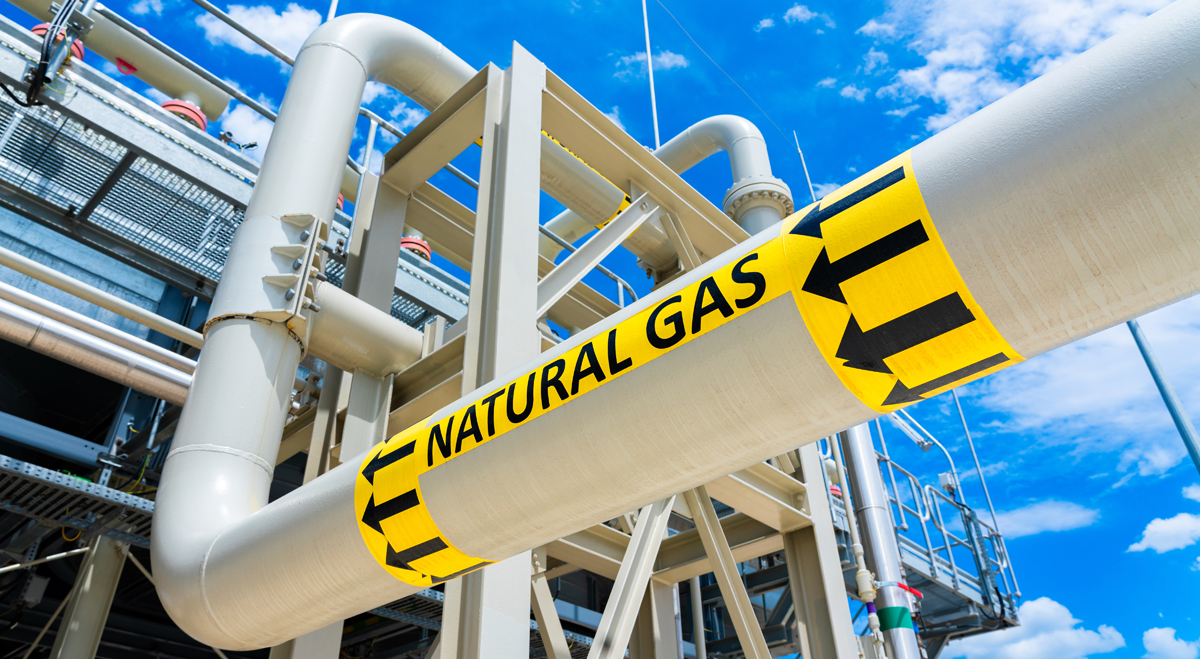
    European wholesale natural gas prices declined for a third consecutive session on Thursday, reaching their lowest levels in more than a week following the end of a strike in France’s energy sector.

    The benchmark Dutch front-month TTF contract fell 1.23% to approximately €76.98 per megawatt-hour (MWh), while Britain’s equivalent NBP wholesale gas contract declined 1.23% to around 191.00 pence per therm.

    The price declines followed the conclusion of a 24-hour industrial action that had disrupted gas deliveries from France into the wider European network.

    French energy unions began strike action on Tuesday, prompting Belgian terminal operator Fluxys to reduce gas sendout capacity at the Dunkirk liquefied natural gas (LNG) terminal, France’s largest import facility.

    During the disruption, minimum sendout capacity was reduced from 9.4 gigawatt-hours (GWh) per day to 4 GWh per day.

    Following the end of the strike, operations at French gas and nuclear facilities began returning to normal, while regasification activity at Dunkirk started recovering towards its previous capacity.

    The restoration of gas flows through cross-border interconnectors contributed to lower prices in European wholesale markets, although supply risks associated with the Persian Gulf remained a concern.

    EU Gas Storage Reaches 68.5% of Capacity

    Despite the recent decline in wholesale prices, European gas inventories remain below their historical seasonal levels.

    According to Gas Infrastructure Europe, underground natural gas storage facilities across the European Union were 68.5% full.

    Storage levels were approximately 16 percentage points below the five-year seasonal average as the injection season approached its conclusion.

    The storage shortfall remains a consideration for European energy markets ahead of the winter heating season, particularly given continuing uncertainty surrounding international gas supplies.

    Monetary Policy and Energy Costs Remain in Focus

    The decline in European natural gas prices coincided with a series of monetary policy decisions, including interest-rate increases by the European Central Bank and the US Federal Reserve.

    Energy costs remain an important factor in inflation expectations, with wholesale gas market participants continuing to assess supply risks for the coming winter.

    Although the end of the French strike has improved near-term supply conditions, below-average storage levels and geopolitical uncertainty remain relevant to the outlook for European gas prices.

  • Market Open: Next Interim Dividend, Galliford Try Profit Growth

    Market Open: Next Interim Dividend, Galliford Try Profit Growth

    FTSE 100 opens little changed as Next declares a dividend and Galliford Try reports profit growth. European stocks advance while Brent crude falls.

    Market Overview

    The FTSE 100 opened up at 10,784.86 on Thursday, as investors assessed the Federal Reserve’s interest-rate decision ahead of the Bank of England’s policy announcement. European markets advanced, with the Euronext 100 gaining 0.34 per cent and Germany’s DAX rising 0.78 per cent. In the US, the Nasdaq closed marginally lower at 25,978.42, while the S&P 500 declined to 7,551.81.

    Commodity markets were mixed, with copper and gold advancing while Brent crude and natural gas declined. Oil prices remained under pressure as concerns over Middle East supply disruptions eased. Against sterling, the US dollar, euro, Japanese yen and Australian dollar strengthened marginally, while the Swiss franc weakened slightly. Bitcoin moved marginally higher as investors continued to assess the outlook for monetary policy and geopolitical developments.


    Market Numbers

    FTSE 100: Up (+0.01%), 10,784.86

    Euronext 100: Up (+0.34%), 1,898.13

    DAX: Up (+0.78%), 25,737.31

    NASDAQ: Down, 25,978.42

    S&P 500: Down, 7,551.81


    In the Headlines

    Half-Year Results and Dividend – Next (LSE:NXT)

    Clothing and homeware retailer Next has published its half-year results for the 2026/27 financial year and declared an interim dividend of 98 pence per share, payable on 4 January 2027. The announcement provides investors with updated financial information and details of the company’s shareholder distributions.

    Adjusted Profit Rises 24.2% – Galliford Try (LSE:GFRD)

    Construction group Galliford Try reported a 24.2 per cent increase in adjusted pre-tax profit to £55.9 million for the 2026 financial year. The improvement highlights stronger underlying profitability and provides investors with an updated assessment of the group’s annual performance.


    Currencies (vs GBP)

    USD: Up (+0.08%), $1.3392

    CHF: Down (-0.02%), Fr.1.1042

    EUR: Up (+0.02%), €1.1666

    JPY: Up (+0.12%), ¥208.463

    AUD: Up (+0.03%), $1.8817

    Bitcoin (BTC/GBP): Up, £57,080.54


    Commodities

    Copper: Up

    Gold: Up

    Brent Crude: Down

    Natural Gas: Down

  • European Stocks Rise 0.4% as Investors Assess Fed Rate Increase and Middle East Developments: DAX, CAC, FTSE100

    European Stocks Rise 0.4% as Investors Assess Fed Rate Increase and Middle East Developments: DAX, CAC, FTSE100

    European equities advanced on Thursday as investors assessed the Federal Reserve’s latest interest-rate increase, developments surrounding the Middle East conflict and forthcoming monetary policy decisions.

    The pan-European STOXX 600 index gained 0.4%, extending the previous session’s advance. Germany’s DAX, France’s CAC 40 and London’s FTSE 100 also recorded gains of approximately 0.4%.

    The Federal Reserve’s first interest-rate increase since mid-2023 had been largely anticipated by financial markets, although investors remained focused on the central bank’s future policy direction.

    Daniela Hathron, senior market analyst at Capital.com, said: “Markets absorbed the hike relatively calmly because it was almost fully priced, but the reaction turned more defensive. Investors were responding primarily to the future policy path rather than yesterday’s hike itself.”

    Federal Reserve Chair Kevin Warsh’s decision to raise borrowing costs came amid concerns about inflationary pressures associated with higher energy prices.

    Middle East Diplomatic Developments

    Investors also monitored indications of potential diplomatic progress in the Middle East following seven months of conflict involving Iran.

    US President Donald Trump expressed optimism that the conflict could be approaching an end and indicated that Tehran was interested in reaching a peace agreement.

    Axios reported that Trump was expected to hold bilateral meetings with Gulf leaders on the sidelines of the forthcoming United Nations General Assembly.

    The possibility of diplomatic progress remained a consideration for investors assessing geopolitical risks and their potential implications for energy markets.

    Bank of England and Eurozone Inflation in Focus

    Attention also turned to the Bank of England’s interest-rate announcement and the final reading of Eurozone consumer price inflation, both scheduled for later on Thursday.

    The FTSE 100 was described as broadly unchanged in a subsequent market snapshot as investors awaited the Bank of England’s decision, following an earlier reported gain of approximately 0.4%.

    UK consumer price inflation reached 3.1% in August, increasing attention on Governor Andrew Bailey’s assessment of price pressures and the possibility of further monetary tightening during the autumn.

    Hathron added: “Bailey’s assessment of second-round energy effects may matter considerably more than today’s headline decision.”

    Investors were also awaiting final Eurozone inflation figures for further information on the effects of natural gas and electricity prices on underlying inflation.

    The European Central Bank raised interest rates to 2.5% the previous week, while the Bank of Japan was widely expected to increase its benchmark rate by 25 basis points to 1.25% on Friday.

    The prospect of further monetary tightening across major economies remained an important consideration for equity markets, particularly as higher government bond yields affect borrowing costs and equity valuations.

    European stocks nevertheless recorded modest gains during Thursday’s session as investors evaluated central bank policy and the potential for diplomatic developments in the Middle East.

  • FTSE 100 Rises 0.71% Following Fed Rate Increase Ahead of Bank of England Decision

    FTSE 100 Rises 0.71% Following Fed Rate Increase Ahead of Bank of England Decision

    The FTSE 100 advanced on Thursday as investors assessed the Federal Reserve’s latest interest-rate increase, developments in the US-Iran conflict and the forthcoming Bank of England monetary policy decision.

    The UK benchmark gained 0.71% as of 07:12 GMT, while Germany’s DAX rose 0.68% and France’s CAC 40 increased 0.58%. Sterling strengthened 0.10% against the US dollar to $1.3398.

    The Federal Reserve raised its benchmark interest rate by 25 basis points on Wednesday to a range of 3.75% to 4%, marking its first increase in more than three years. The central bank also signalled the possibility of one further increase before an extended period of unchanged rates.

    Investors were awaiting the Bank of England’s policy announcement later on Thursday. Analysts broadly expected the central bank to maintain its benchmark rate at 3.75%, with a projected six-to-three vote.

    The decision follows an increase in UK inflation to 3.1%, partly driven by higher fuel costs. ING economist James Smith said there was limited evidence that the energy-price shock was spreading into underlying inflation.

    UBS noted that Prime Minister Andy Burnham and Chancellor John Healey had reiterated their commitment to fiscal discipline ahead of the October Budget, despite rising gilt yields adding pressure to the government’s fiscal position.

    Geopolitical developments also remained in focus after US President Donald Trump indicated that the conflict with Iran could be approaching its conclusion and said he had communicated directly with Tehran.

    Shipping activity through the Strait of Hormuz remained substantially below recent levels. Reuters ship-tracking data showed that three commodity vessels passed through the waterway on Wednesday, compared with 12 the previous day and a 10-day average of 17.

    Meanwhile, fighting intensified between Saudi-backed Yemeni government forces and the Houthis. The Houthis claimed to have shot down a Saudi F-15 aircraft, while reports indicated that Saudi Arabia had sought air-defence assistance from France, the UK, Pakistan and Egypt.

    Oil prices declined following reports that Saudi Arabia had offered additional crude supplies through Oman.

    Brent crude fell 2.07% to $103.64 per barrel, while West Texas Intermediate declined 1.68% to $100.72.

    Gold futures slipped 0.64% to $4,359.20 per ounce, although spot gold increased 1.32% to $4,318.99.

    UK Corporate News

    Capricorn Energy (LSE:CNE) agreed to revised terms for a $396 million takeover by Norway’s DNO after rival bidder Genel Energy withdrew from the process.

    Under the revised agreement, DNO will pay $5.214 per share entirely in cash, replacing its previous proposal of $4.224 in cash and a $0.99 dividend per share.

    Next (LSE:NXT) raised its profit guidance for the 2026/27 financial year by £12 million to £1.255 billion, marking its fourth upgrade this year.

    The retailer reported a 10.5% increase in first-half profit, supported by sales during the hot summer weather.

    Drax (LSE:DRX) said it expects 2026 adjusted EBITDA to be around the upper end of analyst consensus, following strong operational performance during the summer and the contribution from its recently acquired Bluefield Solar Income Fund.

  • Billington Holdings Shares Rise After Securing £42 Million in Data Centre Contracts

    Billington Holdings Shares Rise After Securing £42 Million in Data Centre Contracts

    Billington Holdings (LSE:BILN) shares rose approximately 8% on Thursday after the construction and engineering group announced that it had secured two data centre contracts with a combined value of £42 million ($56.22 million).

    The contract awards increase the company’s order book and provide additional visibility over its future workload.

    Chief executive Mark Smith said the agreements make a significant contribution to Billington’s record order book, extending visibility through 2027 and into 2028.

    The new contracts add to the group’s pipeline of secured work in the data centre sector.

  • Capricorn Energy Shares Rise 1.6% Following Revised $396 Million DNO Takeover Terms

    Capricorn Energy Shares Rise 1.6% Following Revised $396 Million DNO Takeover Terms

    Capricorn Energy (LSE:CNE) shares rose 1.6% on Thursday after the company agreed to revised terms for a $396 million takeover offer from DNO.

    Under the revised agreement, DNO will pay $5.214 in cash for each Capricorn Energy share.

    The new terms replace the previous proposal, which comprised a cash payment of $4.224 per share and a dividend of $0.99 per share.

    The total consideration remains $5.214 per share, with the revised structure replacing the proposed cash-and-dividend combination with an entirely cash-based payment.

    The agreed changes relate to the structure of the takeover consideration rather than its total per-share value.

  • Wizz Air Reduces Second-Half Capacity Plan by 5% and Sets FY2030 Financial Targets

    Wizz Air Reduces Second-Half Capacity Plan by 5% and Sets FY2030 Financial Targets

    Wizz Air (LSE:WIZZ) has reduced its planned capacity for the second half of its financial year by 5%, citing geopolitical tensions and volatility in fuel prices, while outlining medium-term financial and operational targets at its Capital Markets Day in London.

    The low-cost airline also revised its second-quarter revenue per available seat kilometre (RASK) guidance following higher-than-expected summer revenue.

    Wizz Air now expects second-quarter RASK to remain broadly unchanged year on year, compared with its previous forecast of a low-single-digit percentage decline.

    The company maintained its existing guidance for available seat kilometres and first-half costs excluding fuel.

    Wizz Air said current trading supports a liquidity position exceeding €2.2 billion. The airline did not provide guidance for the current financial year.

    Looking ahead, the company established financial targets for FY2030, including annual revenue of €10 billion, an ex-fuel cost per available seat kilometre of 3.00 euro cents and an operating profit (EBIT) margin of 10%.

    The airline is also targeting an investment-grade balance sheet by FY2030.

    Chief executive Jozsef Varadi outlined plans to operate a fleet of 335 aircraft, consisting entirely of Airbus neo models, and carry 127 million passengers annually by that date.

    The company’s medium-term strategy focuses on expanding operations in its core Central and Eastern European markets and selected new markets, while improving fleet productivity and developing its existing route network.

    Wizz Air said these measures form part of its plans to restore sustainable profitability and improve operational efficiency.

    The FY2030 financial and operational figures represent management targets rather than confirmed future outcomes.

  • Drax Expects 2026 Adjusted EBITDA Near Top End of Analyst Consensus Following Bluefield Acquisition

    Drax Expects 2026 Adjusted EBITDA Near Top End of Analyst Consensus Following Bluefield Acquisition

    Drax (LSE:DRX) expects adjusted EBITDA for 2026 to be around the upper end of analyst consensus, following its operational performance in July and August and the contribution from its recently acquired Bluefield Solar Income Fund (BSIF).

    The UK power generation group said its full-year outlook remains dependent on continued operational performance.

    As of 4 September, analyst consensus for 2026 adjusted EBITDA stood at £698 million, with estimates ranging from £680 million to £711 million.

    Drax reported that its generation assets contributed to meeting electricity demand during the UK’s summer heatwave, while system-support activities also contributed to performance during the period.

    The updated earnings outlook includes the contribution from BSIF, which Drax acquired for £561 million in a transaction completed on 31 July 2026.

    The acquisition added approximately 0.9 gigawatts (GW) of operational solar and onshore wind capacity, alongside a 2.9GW development pipeline comprising around 2.0GW of battery storage and 0.9GW of solar projects.

    Following the transaction, Drax’s total capacity under management increased to approximately 6.1GW.

    The company said integration of the acquired business was progressing and expects to generate additional benefits by applying its existing trading, asset optimisation and route-to-market capabilities to the BSIF portfolio.

    Drax also anticipates cost savings from using its existing operating platform and reducing market-access and balancing costs.

    The group maintained its 2026 capital expenditure guidance of £210 million to £250 million, including investment associated with BSIF. It noted that the development of additional solar capacity could require further capital expenditure.

    Following the acquisition, Drax expects its net debt-to-adjusted EBITDA ratio to remain above its long-term target of approximately 2 times during 2026.

    Management anticipates that leverage will return towards the target level by the end of 2027.

    The company also reported more than £1 billion of contracted forward power sales covering 2026 to 2028, together with more than £800 million of associated renewable obligation certificates.

    Drax’s revised earnings outlook reflects its recent operational performance and the inclusion of BSIF, while its capital expenditure guidance remains unchanged.

  • Next Publishes Half-Year Results and Declares 98p Interim Dividend

    Next Publishes Half-Year Results and Declares 98p Interim Dividend

    Next plc (LSE:NXT) has published its half-year results for the 2026/27 financial year, covering the six months ended 1 August 2026, and announced an interim ordinary dividend of 98 pence per share.

    The UK clothing and homeware retailer confirmed that its half-year financial report is available through the Financial Conduct Authority’s National Storage Mechanism and on the company’s corporate website.

    The report provides financial and operational information covering the first half of the financial year.

    Alongside the publication, Next’s board declared an interim dividend of 98 pence per ordinary share, payable on 4 January 2027.

    The company’s shares will trade ex-dividend from 3 December 2026, with the record date set for 4 December 2026. Shareholders registered on the record date will be eligible to receive the payment.

    Next operates a retail business focused on clothing, footwear and home products, selling through physical stores and online channels.

    The group serves customers in the UK and international markets through its multichannel retail operations.