Category: Top Story

  • Lloyds Banking Group Raises Capital Returns and Upgrades Outlook After Strong 2025

    Lloyds Banking Group Raises Capital Returns and Upgrades Outlook After Strong 2025

    Lloyds Banking Group plc (LSE:LLOY) reported a robust set of unaudited results for 2025, reflecting continued progress through the second phase of its five-year strategic plan and prompting higher shareholder distributions alongside upgraded guidance.

    Statutory profit before tax increased to £6.7bn from £6.0bn, supported by a 7% rise in net income to £18.3bn. Growth was driven by higher net interest income and other income streams, as well as disciplined cost management, although this was partly offset by higher operating expenses, increased impairments and remediation charges, including an £800m provision related to motor finance commission issues. Lending expanded by 5% to £481.1bn, while deposits grew 3% to £496.5bn, with credit quality remaining resilient and the asset quality ratio at 17 basis points.

    Capital generation remained strong during the year. On a pro forma basis, the CET1 ratio stood at 13.2% after accounting for a higher ordinary dividend and a planned £1.75bn share buyback, taking total capital returns for 2025 to around £3.9bn. Tangible net asset value per share increased to 57.0p, underlining balance sheet strength. Management also highlighted £1.4bn of annualised additional revenue delivered from strategic initiatives in 2025 and raised its target to around £2bn by the end of 2026. Since 2021, the group has achieved £1.9bn of cost savings through transformation programmes and scale benefits.

    Looking ahead, Lloyds upgraded its 2026 guidance, now expecting underlying net interest income of around £14.9bn, a cost-to-income ratio below 50%, a return on tangible equity above 16% and capital generation in excess of 200 basis points. Management said these targets reflect confidence in the delivery of its current strategy and reinforce Lloyds’ position as a well-capitalised UK banking leader with the capacity to sustain attractive shareholder returns.

    Overall, the outlook is supported by strong trading momentum, positive management commentary and favourable technical indicators. These strengths are partially offset by ongoing considerations around cash flow dynamics and leverage, while valuation appears fair, with a reasonable earnings multiple and an attractive dividend yield.

    More about Lloyds Banking Group

    Lloyds Banking Group is one of the UK’s largest financial services providers, with leading positions in retail and commercial banking as well as insurance, pensions and investment products. The group is focused on serving UK households and businesses, with a strategy centred on deepening customer relationships, growing higher-value activities and using digital and AI capabilities to improve efficiency and competitiveness.

  • easyJet Maintains 2026 Guidance as Strong Demand and Holidays Growth Cushion Q1 Loss

    easyJet Maintains 2026 Guidance as Strong Demand and Holidays Growth Cushion Q1 Loss

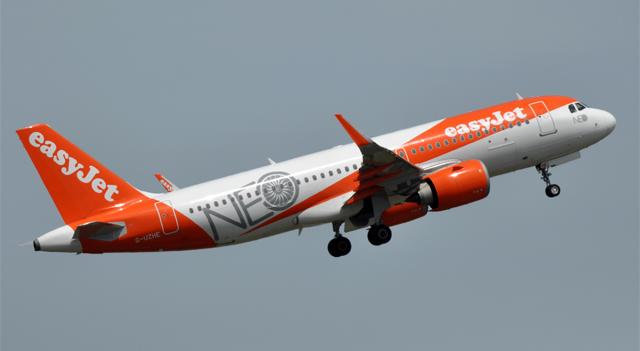
    easyJet plc (LSE:EZJ) reported a wider headline loss before tax of £93m for the first quarter of its 2026 financial year, reflecting the seasonally weaker winter period, but reiterated its full-year outlook as robust demand and a strong contribution from easyJet holidays helped offset the broader loss.

    Passenger numbers increased 7% year on year, supported by capacity expansion, while load factors improved to 90%. Demand trends remained healthy, and easyJet holidays delivered a standout performance, generating £50m of profit and recording 20% growth in customer numbers. The airline also reported operational improvements, including better on-time performance and higher customer satisfaction scores.

    Booking momentum was encouraging, with January delivering record booking volumes and forward sales for summer 2026 described as strong. As a result, management maintained full-year guidance, including around 7% growth in available seat kilometres, modest unit cost inflation and continued revenue benefits from recent capacity investments in Italy and newly opened bases.

    The group said it remains focused on delivering sustainable profit growth over the medium term, while continuing to invest in operational reliability, customer experience and sustainability initiatives, which it views as key differentiators in the competitive European aviation market.

    Overall, easyJet’s outlook is supported by constructive technical indicators and an attractive valuation. Financial performance is showing improvement, with profitability trending positively and the balance sheet remaining stable, although cash flow pressures remain an area to monitor. The absence of recent earnings call updates or major corporate events does not materially alter the current assessment.

    More about easyJet

    easyJet is a UK-based low-cost airline group operating short-haul flights across Europe and nearby markets. Alongside its core airline business, the group runs easyJet holidays, a fast-growing package travel operation. The company focuses on high-frequency routes from major European airports, combining a value-led model with an increasing emphasis on operational reliability, customer experience and sustainability.

  • Fever-Tree Outperforms 2025 Forecasts and Expands Buyback as US Rollout Progresses

    Fever-Tree Outperforms 2025 Forecasts and Expands Buyback as US Rollout Progresses

    Fever-Tree Drinks plc (LSE:FEVR) said it expects both adjusted revenue and adjusted EBITDA for 2025 to edge ahead of market expectations, underpinned by steady brand growth and improved momentum in the second half. Fever-Tree brand revenue increased 4% at constant currency over the full year, reflecting resilient demand across most regions.

    Geographically, performance was mixed. In the US, revenue rose 6% at constant currency as the transition into Molson Coors’ national distribution network continued to progress well. Europe delivered modest growth, while the rest of the world recorded strong gains, more than offsetting a small decline in the UK. UK trading improved meaningfully in the second half, helping to stabilise performance in what remains a highly competitive market.

    During 2025, the group completed a £100m share buyback programme and announced plans to launch a further £30m tranche in February 2026, signalling confidence in its balance sheet strength and outlook. Management also reiterated its strategic focus on expanding beyond tonic into premium soft drinks, positioning the business to benefit from long-term consumer trends toward moderation, premiumisation and quality-led brand choice. On this basis, the board said it remains comfortable with current market expectations for 2026.

    Overall, Fever-Tree’s outlook is supported by solid financial delivery and shareholder-friendly capital returns. These positives are partly tempered by a relatively high valuation and mixed technical signals, while the absence of recent earnings call detail limits visibility on near-term sentiment despite the encouraging operational backdrop.

    More about Fever-Tree Drinks plc

    Fever-Tree Drinks plc is a UK-based producer and global leader in premium carbonated mixers by retail sales value, distributing its products to more than 95 countries. Founded in 2005, the company was created to meet rising demand for high-quality mixers to accompany premium spirits and has since expanded its range to include a broad portfolio of mixers and premium soft drinks sold through both hospitality and retail channels worldwide.

  • Ocado Repositions Canadian E-Grocery Partnership as Calgary Site Closes

    Ocado Repositions Canadian E-Grocery Partnership as Calgary Site Closes

    Ocado Group (LSE:OCDO) has reworked its Canadian strategy with Sobeys following a review of regional online grocery demand, resulting in the planned closure of Sobeys’ Calgary customer fulfilment centre. The decision reflects slower-than-anticipated e-commerce adoption in Alberta, while investment continues in Ontario and Quebec through Ocado-powered facilities serving Greater Toronto and Montreal under the Voilà brand.

    Under the updated arrangement, Ocado will roll out enhanced technology capabilities, including its Swift Router to enable faster and same-day delivery, alongside deeper integration with third-party platforms. The partners will also continue to deploy Ocado’s AI-driven in-store fulfilment solution across 87 stores nationwide. Plans for a Vancouver fulfilment centre remain on hold as the partnership prioritises regions with stronger demand visibility.

    From a financial perspective, Ocado expects to receive around £18m in compensation during the current year related to the Alberta closure, while fee revenue in FY26 is forecast to be around £7m lower as a result. The group reiterated its ambition to reach cash-flow breakeven in FY26, framing the changes as part of a broader reset of its North American operations aimed at improving capital efficiency and long-term returns.

    Overall, Ocado’s outlook continues to be weighed down by ongoing losses and revenue pressure, with technical indicators pointing to a cautious near-term backdrop. While liquidity remains solid and management highlighted progress in technology deployment and partner relationships, these positives only partially offset the financial and operational challenges facing the group.

    More about Ocado Group

    Ocado Group is a UK-based technology and logistics company that develops automated grocery fulfilment and e-commerce solutions for food retailers. Its offering spans robotics, software, customer fulfilment centres and AI-enabled in-store picking, supporting partners such as Sobeys in Canada and Kroger in North America as they expand online grocery capabilities.

  • Wizz Air Expands Capacity and CEE Presence as Losses Widen on Engine and Cost Pressures

    Wizz Air Expands Capacity and CEE Presence as Losses Widen on Engine and Cost Pressures

    Wizz Air Holdings (LSE:WIZZ) continued to expand its network and fleet during the quarter to 31 December 2025, reporting an 11.1% increase in available seat kilometre capacity and a 12.5% rise in passenger numbers to 17.5 million. Revenue grew 10.2% year on year to €1.30bn, reflecting the higher scale of operations, although the group recorded a larger operating loss of €123.9m as cost pressures intensified.

    The wider loss was driven mainly by higher depreciation, airport and navigation charges and increased fuel costs. Unit revenue edged slightly lower overall, while cost per seat rose, highlighting ongoing margin pressure. Despite this, Wizz Air further strengthened its position in Central and Eastern Europe, where market share increased to 26%, and continued to add routes and bases across the region as well as at its key Western European hubs. The airline also made further progress in shifting its fleet toward higher-density, more fuel-efficient neo aircraft, even as Pratt & Whitney GTF engine issues continued to ground part of the fleet.

    Liquidity improved during the quarter, with cash reserves rising to nearly €2bn, although net debt also increased. Looking ahead, management said it expects full-year capacity growth of around 10%, with load factors and unit revenues broadly flat year on year. Total unit costs are anticipated to rise modestly, and net income is expected to be close to break-even, reflecting a balance between continued operational resilience and persistent earnings headwinds from engine disruptions and inflationary costs.

    Overall, the outlook is shaped by Wizz Air’s ongoing recovery in demand and its strategic growth ambitions. Valuation appears supportive and recent corporate developments are constructive, but high leverage and operational challenges linked to engines and cost inflation remain key risks.

    More about Wizz Air Holdings

    Wizz Air Holdings is a European ultra-low-cost airline focused on short-haul passenger services, with Central and Eastern Europe as its core market and strategic bases in London, Rome and Milan. The group operates one of the youngest fleets in Europe, heavily weighted toward Airbus A321neo aircraft, and positions itself as one of the most emissions-efficient airlines in Europe measured by CO₂ per revenue passenger kilometre.

  • European Stocks Ease After Two-Day Rally: DAX, CAC, FTSE100

    European Stocks Ease After Two-Day Rally: DAX, CAC, FTSE100

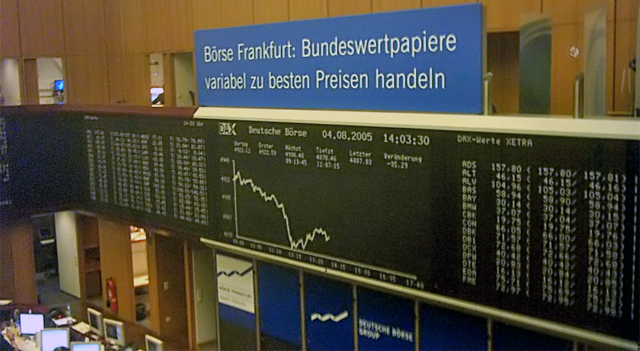
    European equities moved mostly lower on Wednesday, giving back some recent gains after two positive sessions, as investors adopted a cautious stance ahead of the U.S. Federal Reserve’s policy decision and earnings updates from major technology groups.

    Market sentiment was also dented by comments from U.S. President Donald Trump on the dollar, which were taken as a signal of weaker confidence in the U.S. economic outlook. The greenback hovered near four-year lows and was on course for its sharpest weekly drop since last April after Trump suggested he was comfortable with the currency’s recent decline.

    By mid-session, France’s CAC 40 was down about 1.5%, Germany’s DAX had slipped 0.6%, and the UK’s FTSE 100 was lower by roughly 0.5%.

    Despite the broader weakness, some stocks bucked the trend. Semiconductor equipment group ASML Holding (EU:ASML) surged after reporting fourth-quarter orders that came in well above analyst expectations.

    Germany’s chemicals producer Wacker Chemie (TG:WCH) also climbed sharply after announcing a €300 million cost-cutting programme.

    In the UK, pet care retailer Pets at Home (LSE:PETS) posted strong gains after reaffirming its full-year profit outlook.

    Meanwhile, Dutch telecoms group KPN (EU:KPN) moved notably lower after forecasting year-on-year service revenue growth of just 2% to 2.5% for 2026, a cautious outlook that weighed on the shares.

  • European Shares Ease Ahead of Fed Call as ASML Kicks Off Heavy Earnings Day: DAX, CAC, FTSE100

    European Shares Ease Ahead of Fed Call as ASML Kicks Off Heavy Earnings Day: DAX, CAC, FTSE100

    European equities drifted modestly lower on Wednesday as investors worked through a busy slate of corporate results while staying cautious ahead of the U.S. Federal Reserve’s interest rate decision later in the day.

    By 08:02 GMT, Germany’s DAX was down 0.1% and France’s CAC 40 had slipped 0.5%, while the UK’s FTSE 100 was broadly flat.

    Fed decision keeps investors on edge

    Markets across Europe were subdued as attention turned to the Federal Reserve, even after a strong overnight session on Wall Street saw the S&P 500 reach fresh record highs, supported by gains in technology and AI-linked stocks ahead of major U.S. earnings.

    The Fed is widely expected to leave interest rates unchanged on Wednesday, shifting the spotlight to comments from Chair Jerome Powell for signals on when rate cuts could begin later this year. Powell’s term expires in May, and U.S. President Donald Trump said on Tuesday that he will soon announce his choice for the next Fed chair.

    Trump has repeatedly urged Powell to cut rates more aggressively, criticising the pace of monetary easing. This has raised concerns among investors that a leadership change could weaken the central bank’s independence.

    German consumer confidence improves

    On the macro front, sentiment among German consumers showed signs of recovery. The GfK forward-looking consumer confidence index rose to -24.1 in February from -26.9 the previous month, comfortably ahead of forecasts for a smaller improvement to -26.0.

    The European Central Bank meets next week and is expected to keep interest rates unchanged at 2% for a fifth straight meeting, with euro zone inflation remaining subdued and economic activity proving more resilient than previously feared. However, Austrian central bank governor Martin Kocher told the Financial Times that further appreciation of the euro could eventually force the ECB to consider another rate cut.

    The single currency climbed to a more than four-year high on Tuesday, as the dollar weakened amid worries over U.S. policy direction and ongoing geopolitical tensions.

    ASML in focus as earnings season accelerates

    Corporate earnings were firmly in the spotlight, with reporting season moving into high gear. ASML (EU:ASML) drew particular attention after the Dutch semiconductor equipment maker topped fourth-quarter expectations and delivered optimistic guidance for 2026, citing a sharp increase in orders and continued strong demand for advanced AI-related chips.

    Volvo (BIT:1VOLVB) posted a smaller-than-expected drop in fourth-quarter operating profit, though the Swedish truckmaker cut its total annual dividend by more than the market had anticipated.

    Swiss contract drug manufacturer Lonza (TG:LO3) forecast 2026 sales growth of 11%–12% at constant exchange rates, with core EBITDA margins expected to expand beyond 32%, signalling solid momentum despite currency headwinds.

    Germany’s Wacker Chemie (TG:WCH) reported fourth-quarter earnings below expectations and offered limited detail on its €300 million cost-reduction programme.

    Late on Tuesday, LVMH (EU:MC) exceeded fourth-quarter sales forecasts, lifting hopes of a broader recovery in the luxury sector, even as margin pressures from trade tensions, a weaker dollar and elevated gold prices persisted.

    In the U.S., attention later turns to results from major technology names, with Meta Platforms (NASDAQ:META), Tesla (NASDAQ:TSLA) and Microsoft (NASDAQ:MSFT) all set to report after the Wall Street close.

    Oil steadies as U.S. storm disrupts supply

    Oil prices were little changed on Wednesday after recent gains, as markets assessed the impact of a severe winter storm in the United States.

    Brent crude slipped 0.1% to $66.50 a barrel, while U.S. West Texas Intermediate edged up 0.1% to $62.45. Both benchmarks jumped around 3% on Tuesday, ending last week at their highest levels since January 14.

    Estimates suggest the storm knocked out as much as 2 million barrels per day of U.S. production — roughly 15% of national output — after disrupting energy infrastructure and power networks.

  • Card Factory Reaffirms Profit Outlook as Acquisitions Compensate for Flat UK Store Trading

    Card Factory Reaffirms Profit Outlook as Acquisitions Compensate for Flat UK Store Trading

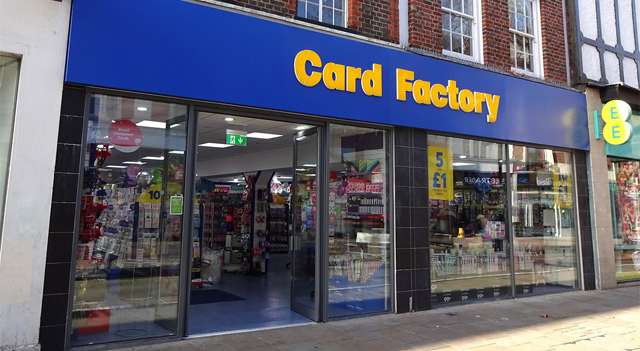
    Card Factory (LSE:CARD) said trading for the eleven months to 31 December 2025 was in line with its revised expectations, with group revenue rising 7.3% year on year to £541.6 million. Growth was driven largely by contributions from acquired businesses and the ongoing integration of Funky Pigeon, which helped offset flat like-for-like sales across the UK store estate amid subdued high-street footfall.

    Performance over the key Christmas period met management expectations despite a challenging consumer environment. Total revenue across November and December increased 4.3%, although store like-for-like sales declined 1.2%. Cost inflation was partially mitigated through the company’s ‘Simplify and Scale’ efficiency programme, supporting confidence in delivering adjusted profit before tax of between £55 million and £60 million for FY26. The group also reiterated its commitment to a progressive dividend policy and confirmed the completion of a £5 million share buyback to support employee share schemes.

    From an investment perspective, Card Factory benefits from solid underlying financial performance and an attractive valuation profile, with a low earnings multiple and a high dividend yield. These positives are counterbalanced by very weak technical indicators, with the share price trading well below major moving averages and momentum signals remaining firmly bearish, suggesting near-term caution.

    More about Card Factory

    Card Factory plc is the UK’s leading specialist retailer of greeting cards, gifts and celebration products, operating an extensive high-street store network alongside growing digital and international operations. The group has expanded through partnerships and acquisitions, including the online brand Funky Pigeon and businesses in North America and the Republic of Ireland, while maintaining a value-focused proposition aimed at budget-conscious consumers.

  • Fresnillo Exceeds 2025 Gold Guidance but Signals Lower Output in the Near Term

    Fresnillo Exceeds 2025 Gold Guidance but Signals Lower Output in the Near Term

    Fresnillo (LSE:FRES) delivered a solid operational performance in 2025, with attributable gold production of 600.3 thousand ounces, exceeding full-year guidance despite a 5% decline compared with the prior year. Attributable silver production, including volumes from the now-concluded Silverstream, fell 13.5% year on year to 48.7 million ounces, broadly in line with guidance.

    Fourth-quarter results were mixed. Silver, lead and zinc output increased compared with the previous quarter, but gold and silver volumes declined sharply year on year. The performance reflected lower grades and reduced ore throughput at several key operations, including Herradura, Saucito, Ciénega and San Julián. Additional factors included the cessation of mining at San Julián DOB and the discontinuation of zinc concentrate production at Ciénega.

    Looking ahead, the company’s 2026 guidance points to lower expected silver and gold output than previously indicated. Management attributed this to mine plan adjustments at Fresnillo, lower grades and throughput at Ciénega, and delays to infrastructure development at Saucito. Despite the near-term reduction, Fresnillo indicated that production is expected to recover from 2027 onwards as new high-grade zones and development projects come on stream, supporting a more positive medium-term outlook.

    From an investment perspective, Fresnillo’s outlook is underpinned by strong financial performance, including improved margins, low leverage and significantly stronger cash flow, alongside a supportive tone from the latest earnings update. These strengths are balanced by a technically overbought share price and a demanding valuation, with a relatively high P/E ratio reducing near-term margin of safety.

    More about Fresnillo

    Fresnillo plc is a London-listed precious metals mining company primarily focused on silver and gold production from operations in Mexico. The group also produces lead and zinc as by-products and is one of the world’s largest primary silver producers. Its strategy emphasises disciplined mine planning, operational efficiency and safety, supported by exposure to a favourable precious metals price environment.

  • Marston’s Reports Robust Festive Trading and Reiterates Confidence in FY2026 Targets

    Marston’s Reports Robust Festive Trading and Reiterates Confidence in FY2026 Targets

    Marston’s (LSE:MARS) delivered a strong trading performance over the key festive period, reporting like-for-like sales growth of 4.0% for the 17 weeks to 24 January 2026. Trading was particularly robust over Christmas and New Year, with sales up 5.6% across the five core festive dates, highlighting the continued appeal and resilience of the group’s community pub estate.

    Across the full reporting period, like-for-like sales were broadly in line with the previous year but continued to outperform the wider pub and hospitality market. Momentum has also been supported by the accelerated rollout of Marston’s new pub formats, with 23 sites opened in the first quarter alone and more than 50 planned for the full year. These formats are contributing to improved margins through a more efficient operating model and tighter cost control.

    The group continues to focus on driving demand through a programme of targeted events and promotions, including sports-led initiatives, entertainment partnerships and themed campaigns, with the upcoming FIFA World Cup expected to provide an additional boost. Against this backdrop, the board reiterated its confidence in delivering full-year results in line with market expectations for FY2026, while remaining on track to meet its previously outlined strategic objectives and shareholder return ambitions.

    From an outlook perspective, sentiment is supported by the strength of recent trading updates and a relatively attractive valuation, which together point to potential upside. Technical indicators also suggest a positive trend in the shares. These strengths are tempered by ongoing concerns around leverage and cash flow, while the absence of a dividend and limited recent corporate actions slightly dilute the otherwise constructive outlook.

    More about Marston’s

    Marston’s PLC is a UK-listed hospitality group operating a nationwide estate of more than 1,300 pubs across managed, franchised, and tenanted and leased models. Employing around 9,000 people, the company focuses on community-based pubs offering food, drink, accommodation and gaming, making it one of the leading operators in the British pub sector.