Category: Top Story

  • Market Open: Ocado Succession Plans, EasyJet Bid Rejection

    Market Open: Ocado Succession Plans, EasyJet Bid Rejection

    FTSE 100 slips as investors assess UK political uncertainty. Ocado confirms succession plans while easyJet rejects a takeover bid. Brent crude rises.

    Market Overview

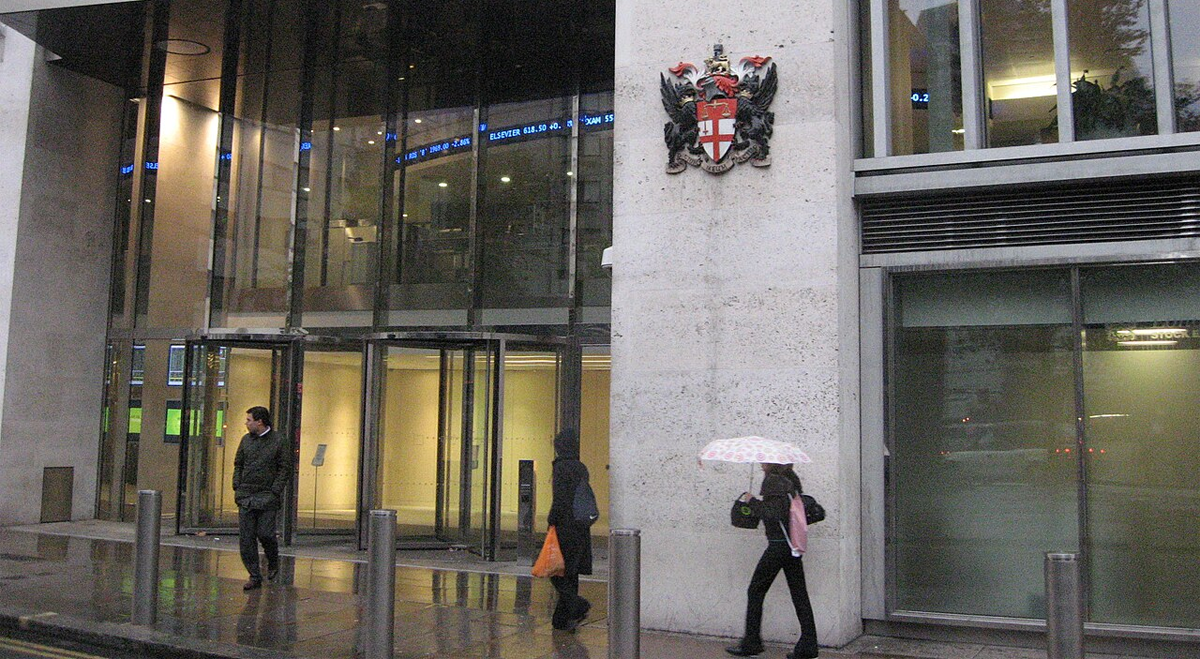
    UK markets were marginally weaker at the open, with the FTSE 100 slipping 0.03 per cent to 10,363.58. Across Europe, the Euronext 100 edged 0.03 per cent higher and Germany’s DAX gained 0.04 per cent. Investors remained cautious as political uncertainty surrounding the UK government resurfaced, while European markets assessed developments following the first round of US-Iran talks.

    US markets were closed on Friday.

    Commodity markets reflected a mixed tone. Brent crude advanced as renewed geopolitical tensions and fresh US rhetoric towards Iran supported oil prices. Gold eased slightly while copper moved higher. Natural gas was little changed. Sterling strengthened against the US dollar and Australian dollar but weakened against the euro, Swiss franc and Japanese yen. Bitcoin was unchanged against sterling.


    Market Numbers

    FTSE 100: Down (-0.03%), 10,363.58

    Euronext 100: Up (+0.03%), 1,927.40

    DAX: Up (+0.04%), 25,035.93

    NASDAQ: Closed

    S&P 500: Closed


    In the Headlines

    Leadership Planning – Ocado Group (LSE:OCDO)

    Ocado confirmed that its board and chief executive are engaged in ongoing succession planning following market speculation about future leadership arrangements. The update is intended to reassure investors that long-term governance and continuity plans remain in place.

    Bid Rejected – easyJet (LSE:EZJ)

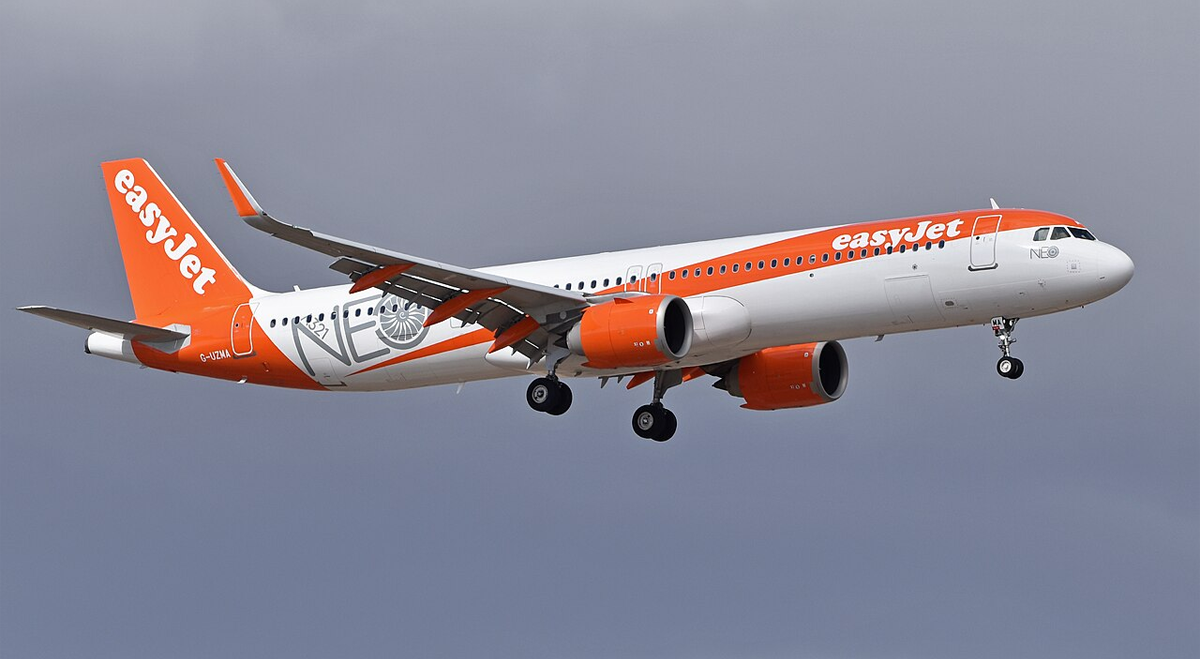
    easyJet shares rose after the airline rejected a third takeover proposal from Castlelake valued at 625p per share. The board said the offer significantly undervalued the business, highlighting confidence in the company’s strategy and future prospects.


    Currencies (vs GBP)

    USD: Down (-0.02%), $1.3208

    CHF: Up (+0.01%), Fr.1.0673

    EUR: Up (+0.03%), €1.1523

    JPY: Up (+0.01%), ¥213.22

    AUD: Down (-0.03%), $1.8861

    Bitcoin (BTC/GBP): Up, £47,898.58


    Commodities

    Copper: Up

    Gold: Down

    Brent Crude: Up

    Natural Gas: Up

  • Markets Watch AI Developments and Iran Negotiations as Futures Stabilise: Dow Jones, S&P, Nasdaq, Wall Street Futures

    Markets Watch AI Developments and Iran Negotiations as Futures Stabilise: Dow Jones, S&P, Nasdaq, Wall Street Futures

    U.S. equity futures steadied on Monday after diplomatic signals from Iran helped calm concerns over a renewed Middle East conflict, while investors continued to assess the implications of recent developments in the artificial intelligence sector.

    Market participants were particularly focused on comments from President Donald Trump regarding Anthropic (NASDAQ:ANTP), as well as the ongoing transformation of the semiconductor industry driven by AI-related demand. Elsewhere, Charles Schwab (NYSE:SCHW) drew attention after reports emerged that it plans to introduce binary options products.

    Futures Recover From Early Weakness

    Futures linked to major U.S. indices trimmed losses after initially declining on concerns that tensions between Washington and Tehran could intensify.

    Earlier market caution followed remarks from Trump suggesting that military action against Iran remained a possibility despite ongoing diplomatic efforts. However, sentiment improved as officials involved in talks in Switzerland indicated that discussions were progressing constructively.

    Investors continue to view the outcome of the negotiations as critical for energy markets, with any sustainable agreement likely to support risk assets and ease inflation concerns tied to oil prices.

    Diplomatic Momentum Builds

    Iranian Foreign Minister Abbas Aragchi said “major progress” had been achieved during the latest round of negotiations with the United States.

    According to Aragchi, discussions covered a range of issues including Iranian oil exports, maritime restrictions and future reconstruction initiatives. Mediators from Pakistan and Qatar also described the talks as productive and confirmed that additional meetings are expected.

    Although many details remain unresolved, the tone of the discussions suggests both sides remain committed to finding a diplomatic solution.

    Anthropic Remains Under Regulatory Spotlight

    Artificial intelligence stocks remained in focus after Trump appeared to soften his position on Anthropic.

    In comments to Axios, the president said the company had responded “very quickly” and “responsibly” to concerns raised by U.S. officials. The remarks followed recent restrictions imposed on Anthropic’s advanced AI models and wider debate over national security controls on emerging technologies.

    While investors welcomed the less confrontational tone, uncertainty surrounding future regulation continues to be viewed as a significant risk for the AI industry.

    SK Hynix Takes Top Spot in South Korea

    SK Hynix overtook Samsung Electronics as South Korea’s largest listed company by market value, highlighting the growing importance of AI infrastructure.

    The memory chip manufacturer has benefited from strong demand for high-bandwidth memory products used in advanced artificial intelligence systems and remains a key supplier to Nvidia.

    The milestone illustrates how companies providing essential hardware are becoming major beneficiaries of the AI investment cycle.

    Charles Schwab Eyes New Trading Product

    According to reports, Charles Schwab is working alongside Cboe Global Markets to launch binary options tied to the S&P 500.

    The contracts would allow investors to make simple directional predictions on the index, receiving a fixed payout if correct and no return if incorrect.

    Supporters view the products as an accessible way to express market views, while critics argue they could encourage speculative behaviour. The initiative reflects broader efforts by brokerage firms to expand their offerings and attract retail investors.

  • European Equities Edge Higher as Investors Monitor U.S.-Iran Talks and UK Political Developments: DAX, CAC, FTSE100

    European Equities Edge Higher as Investors Monitor U.S.-Iran Talks and UK Political Developments: DAX, CAC, FTSE100

    European stock markets posted modest gains on Monday as investors assessed the outcome of the first round of diplomatic discussions between the United States and Iran, while also keeping an eye on political uncertainty in the United Kingdom following reports that Prime Minister Keir Starmer could step down.

    The pan-European STOXX 600 index rose 0.1% at the open. Germany’s DAX traded broadly flat, while France’s CAC 40 added 0.1%. Italy’s FTSE MIB moved slightly lower, slipping 0.1%.

    UK Political Uncertainty Caps Market Moves

    In London, the FTSE 100 traded little changed as investors awaited further clarity from Downing Street.

    Market sentiment remained cautious after reports suggested that Starmer could resign following a parliamentary election victory secured by his internal rival, Andy Burnham. Despite the headlines, investors largely refrained from making significant moves until official confirmation emerged.

    ECB Comments in Focus

    Attention also turned to the European Central Bank, with speeches from President Christine Lagarde and Chief Economist Philip Lane scheduled later in the session.

    Investors are looking for fresh insight into the ECB’s policy outlook, particularly after the recent interest-rate increase linked to inflationary pressures stemming from geopolitical tensions.

    With signs that conflict in the Middle East may be easing, traders are eager to understand how policymakers intend to balance inflation risks against the need to support economic growth.

    Markets Navigate Mixed Signals from Middle East

    The geopolitical backdrop remains a key driver of market sentiment.

    European equities reached record highs last week after Washington and Tehran agreed to a landmark peace deal that reopened the Strait of Hormuz, one of the world’s most important energy shipping routes.

    However, uncertainty quickly returned after conflicting reports emerged regarding the status of the waterway. Iranian officials claimed the Strait had been closed again, while shipping data suggested commercial traffic continued to move through the region.

    The situation became more complex as U.S. and Iranian negotiators resumed discussions in Switzerland. At the same time, U.S. President Donald Trump warned of possible new military action against Iran, citing ongoing tensions involving Hezbollah in Lebanon.

    Iranian negotiators, meanwhile, indicated that meaningful progress was being achieved during the talks, although the absence of concrete details left investors cautious.

    Focus Shifts Back to Fundamentals

    Market observers noted that the strong rally seen across Europe in recent sessions may begin to lose momentum as investor attention gradually shifts away from geopolitical developments and back towards corporate earnings, economic fundamentals and market valuations.

    Later in the day, investors were also due to receive the latest eurozone consumer confidence figures for June, providing another gauge of economic sentiment across the region.

    Notable Movers

    Among individual stocks, easyJet (LSE:EZJ) advanced 3% after rejecting a third takeover proposal from investment firm Castlelake.

    Babcock International (LSE:BAB) fell nearly 4% after reporting pre-tax profit below analyst expectations.

    Elsewhere, BioArctic (TG:B9A) surged 8% following the announcement of a collaboration agreement with Eli Lilly, boosting investor optimism about the company’s future growth prospects.

  • easyJet Shares Rise After Board Rejects Enhanced Castlelake Takeover Approach (EZJ)

    easyJet Shares Rise After Board Rejects Enhanced Castlelake Takeover Approach (EZJ)

    easyJet plc (LSE:EZJ) shares gained more than 2% on Monday after the airline disclosed that its board had rejected a revised takeover proposal from U.S.-based investment firm Castlelake, L.P., arguing that the offer significantly undervalued the business and its future growth prospects.

    The board described the latest proposal as “highly opportunistic” and stated that it “still fundamentally undervalues easyJet and its prospects.”

    Three Proposals Rejected

    According to Castlelake, three separate non-binding indicative proposals were submitted to easyJet during June.

    The first proposal, valued at 560 pence per share, was submitted on 16 June and rejected the same day. A second proposal of 600 pence per share followed, which Castlelake said was intended to encourage engagement with the board. A third proposal, valuing the airline at 625 pence per share, was submitted on 20 June and subsequently rejected on 21 June.

    easyJet confirmed that the earlier approaches, priced at £5.60 and £6.00 per share respectively, were both “unanimously rejected as not being in the best interests of shareholders.”

    Castlelake Highlights Premium and Financing Plans

    Castlelake said its latest proposal represented a premium of approximately 59% to easyJet’s closing share price of 394 pence on 28 May.

    The firm added that the proposed transaction would be fully financed through a combination of equity and debt funding, with Goldman Sachs having indicated its ability to arrange the necessary debt facilities.

    The proposal also included an alternative structure under which shareholders could elect to receive unlisted, non-transferable and non-voting shares in a holding vehicle. Castlelake said this entity would be owned 49% by Castlelake and 51% by EU nationals and potentially other investors.

    Board Raises Concerns Over Valuation and Structure

    easyJet’s board argued that Castlelake’s valuation analysis relied heavily on share price levels affected by recent Middle East tensions, short-term earnings expectations and analyst forecasts.

    The company said these measures failed to reflect its medium-term growth potential, financial strength and capital structure.

    Management highlighted what it described as an “investment grade balance sheet with a net cash position” and noted that pre-tax profit increased by 46% across the two financial years ending September 2025. The airline also reiterated its ambition to deliver more than £1 billion in profit before tax.

    In addition to valuation concerns, the board cited “considerable reservations about the elevated leverage and overall conditionality” of the proposal and described the suggested ownership arrangement as “opaque.”

    Takeover Deadline Approaches

    Under the UK Takeover Code, Castlelake must either announce a firm intention to make an offer or confirm that it does not intend to proceed by 5 p.m. on 26 June.

    Until then, investors will be closely watching for any further developments as speculation continues around the future ownership of the airline.

    More about easyJet

    easyJet plc is one of Europe’s largest low-cost airlines, operating an extensive network of short-haul routes across the continent. The company serves millions of passengers annually through a fleet focused on point-to-point travel and maintains a strong presence in key European leisure and business markets.

    In addition to its airline operations, easyJet continues to expand ancillary revenue streams and holiday offerings through its easyJet Holidays division, which has become an increasingly important contributor to group profitability. Management remains focused on long-term earnings growth, operational efficiency and maintaining a strong balance sheet while navigating a competitive European aviation market.

  • FTSE 100 Holds Steady as Starmer Resigns and Iran Talks Support Sentiment

    FTSE 100 Holds Steady as Starmer Resigns and Iran Talks Support Sentiment

    UK equities traded largely unchanged on Monday after Prime Minister Keir Starmer announced his resignation, setting in motion a contest to choose a new Labour leader, while investors remained focused on developments in U.S.-Iran negotiations and their implications for global markets.

    The FTSE 100 slipped 0.03% by 08:47 GMT, while Germany’s DAX declined 0.27% and France’s CAC 40 eased 0.42%. Sterling weakened 0.25% against the U.S. dollar to 1.3201.

    Starmer Announces Resignation

    Keir Starmer confirmed he would step down as both Prime Minister and Labour Party leader, stating that he had informed the King of his decision and requested that Labour’s National Executive Committee begin the process of selecting a successor. Nominations for the leadership contest are expected to open on 9 July.

    Speaking outside Downing Street, Starmer defended his time in office, highlighting what he described as the fastest reduction in NHS waiting lists in 17 years and the largest improvement in workers’ and renters’ rights “in a generation.”

    Attention has quickly turned to Greater Manchester Mayor Andy Burnham, who is widely regarded as the leading candidate to succeed Starmer following his strong performance in the recent Makerfield by-election.

    Investors Focus on Iran Talks Rather Than UK Politics

    Despite the political developments, market reaction remained limited as investors continued to place greater emphasis on international developments, particularly negotiations between the United States and Iran.

    According to Andreas Lipkow, chief market analyst at CMC Markets, investors were “continuing to place greater weight on developments in US-Iran negotiations than on domestic political noise. That suggests markets remain primarily focused on the outlook for energy prices and global risk sentiment rather than near-term uncertainty in Westminster.”

    Diplomatic efforts involving mediators from Qatar and Pakistan reportedly made progress, including the establishment of a new High-Level Committee and a dedicated communication channel aimed at ensuring safe navigation through the Strait of Hormuz.

    Although comments from U.S. President Donald Trump briefly disrupted discussions over the weekend, negotiations subsequently resumed. Analysts at Jefferies said they remain “optimistic that a deal will be reached,” even if the current 60-day truce period needs to be extended.

    Oil Falls as Hormuz Concerns Ease

    Oil prices moved lower as hopes for uninterrupted shipping through the Strait of Hormuz reduced geopolitical risk premiums.

    WTI crude declined 0.70% to $75.32 per barrel, while Brent crude fell 1.64% to $78.72 per barrel.

    Jefferies noted that as long as oil remains around the $75 level, “risk sentiment should remain well-supported,” adding that it has increased exposure to risk assets on expectations that the truce will continue.

    Gold moved in the opposite direction, with investors continuing to seek exposure to safe-haven assets. Spot gold rose 0.80% to $4,193.38 an ounce, while gold futures advanced 0.92% to $4,217.82.

    UK Corporate Round-Up

    easyJet Rejects Third Takeover Proposal

    easyJet (LSE:EZJ) rejected a third takeover approach from U.S. investment firm Castlelake, which valued the airline at 625 pence per share. The board concluded that the proposal did not adequately reflect the company’s value and future prospects.

    Ocado Addresses Succession Speculation

    Ocado Group (LSE:OCDO) confirmed that chief executive Tim Steiner and the board continue to undertake long-term succession planning and engage with potential candidates. The statement followed a media report suggesting that Vonage chief executive Niklas Heuveldop had been approached regarding the role.

    Babcock Reports Profit Impact From Type 31 Charge

    Babcock International (LSE:BAB) reported that annual underlying operating profit fell 19% to £293.3 million after the company recorded a £140 million charge related to its Type 31 frigate programme for the Royal Navy. Despite the impact, management maintained confidence in the group’s longer-term outlook, supported by strong demand across defence and nuclear markets.


  • Ocado Reaffirms Leadership Succession Plans Following Market Speculation (OCDO)

    Ocado Reaffirms Leadership Succession Plans Following Market Speculation (OCDO)

    Ocado Group plc (LSE:OCDO) has responded to recent media reports by confirming that its board and chief executive officer are actively engaged in an ongoing, long-term succession planning process.

    The company stated that discussions with potential candidates form part of its normal governance procedures and are designed to ensure continuity of leadership over time. Management emphasised that succession planning remains a routine component of board oversight and corporate governance.

    Focus on Leadership Continuity

    By publicly addressing the speculation, Ocado sought to reassure investors that a structured framework is already in place to manage future executive transitions.

    The company noted that regularly assessing internal and external leadership options helps ensure the business remains well positioned regardless of future management changes. This approach is intended to support organisational stability and maintain strategic consistency across the group.

    Management believes robust succession planning is particularly important given Ocado’s long-term growth ambitions and its position as a technology partner to retailers around the world.

    Commitment to Governance and Strategic Stability

    The announcement highlights Ocado’s emphasis on strong governance practices and transparent communication with shareholders.

    By confirming that succession planning is an established and ongoing process, the company aims to reduce uncertainty around executive leadership and reinforce confidence in its long-term strategic direction.

    The board indicated that maintaining continuity of management and preserving operational momentum remain key priorities as the business continues to develop its technology and automation platforms.

    Outlook

    Ocado’s outlook reflects a combination of improving operational trends and ongoing financial challenges. Stronger cash-flow performance and positive commentary around cost-reduction initiatives have provided some encouragement, while management continues to focus on improving efficiency and supporting long-term profitability.

    However, the business still faces pressure from relatively weak core operating earnings and financing-related risks associated with leverage and investment requirements.

    Technical indicators offer modest support, although they do not yet point to a firmly established long-term uptrend. Valuation metrics appear relatively low compared with historical levels, but earnings volatility and fluctuating cash generation continue to influence investor sentiment.

    More about Ocado Group

    Ocado Group plc is a UK-based technology and online grocery company specialising in automated fulfilment and e-commerce solutions for the retail sector.

    The company operates highly automated grocery fulfilment centres and develops proprietary software, robotics and logistics technologies that help retailers modernise and digitise their supply chains. Through its Ocado Smart Platform, the group partners with supermarkets around the world to improve online grocery operations, fulfilment efficiency and customer delivery capabilities.

    As a technology-led business, Ocado combines retail expertise with advanced automation and artificial intelligence to support the growing global demand for online grocery shopping and digital supply chain solutions.

  • NextEnergy Solar Fund Launches Strategic Overhaul as NAV Declines and Market Discounts Remain Elevated (NESF)

    NextEnergy Solar Fund Launches Strategic Overhaul as NAV Declines and Market Discounts Remain Elevated (NESF)

    NextEnergy Solar Fund Limited (LSE:NESF) has unveiled a strategic reset after reporting a significant reduction in net asset value, with NAV per share falling to 76.1p and gross asset value decreasing to £922 million.

    Despite the lower valuation, the company highlighted strong operational performance across its solar and energy storage portfolio. Electricity generation exceeded budgeted expectations, while the flagship 50MW Camilla battery storage project continued to rank among the highest-performing assets on the Great Britain grid, demonstrating the resilience and cash-generating capability of the portfolio.

    Portfolio Performance Remains Strong

    Management emphasised that underlying asset performance remained robust throughout the period, supported by reliable renewable energy generation and growing contributions from energy storage operations.

    The company believes the strong operational delivery highlights the quality of its asset base, even as wider market conditions continue to weigh on sector valuations and investor sentiment.

    Strategic Reset Targets Shareholder Value

    In response to persistent discounts across the listed renewable infrastructure sector, the board has introduced a new strategic framework focused on strengthening the balance sheet, improving capital allocation and addressing the gap between the share price and underlying asset value.

    A key element of the plan is the adoption of a revised dividend policy. Rather than maintaining a progressive dividend approach, the fund will distribute 75% of operating free cash flow, resulting in a lower but more sustainable and better-covered dividend.

    The company also intends to reduce gearing through targeted asset disposals while recycling capital into projects offering higher returns. Expanding exposure to battery storage remains another strategic priority, reflecting management’s view that storage assets can provide attractive long-term growth opportunities alongside solar generation.

    Focus on Balance Sheet and Long-Term Returns

    The board believes the combination of deleveraging, capital recycling and disciplined dividend management will help stabilise net asset value and unlock value embedded within the portfolio.

    Management is encouraging shareholders to support the company’s continuation proposal at the upcoming annual general meeting, arguing that the revised strategy provides a clearer pathway to improving long-term total returns despite ongoing market challenges.

    Outlook

    NextEnergy Solar Fund’s outlook continues to be affected by weaker financial performance, including declining revenue and two consecutive years of net losses. Technical indicators also remain negative, with the shares trading below key moving averages and momentum measures such as MACD remaining under pressure.

    However, these challenges are partly offset by strong and improving operating cash flow generation, a debt-free balance sheet position reported in 2025 and an attractive dividend yield.

    Management believes that successful execution of the strategic reset, combined with the operational strength of the portfolio and increasing exposure to energy storage, should position the company to create greater value for shareholders over time.

    More about NextEnergy Solar Fund

    NextEnergy Solar Fund Limited is a specialist renewable energy investment company focused on solar power generation and energy storage infrastructure.

    The fund owns and manages a diversified portfolio of long-life assets designed to generate stable and predictable cash flows. Its investment strategy centres on utility-scale solar projects and standalone battery storage facilities, primarily located in the UK.

    Through a combination of renewable energy generation, active portfolio management and selective investment in storage technologies, the company seeks to deliver sustainable income and long-term capital growth for shareholders operating within the renewables infrastructure sector.

  • Wishbone Gold Expands Red Setter Drilling Following Promising Near-Surface Gold Results (WSBN)

    Wishbone Gold Expands Red Setter Drilling Following Promising Near-Surface Gold Results (WSBN)

    Wishbone Gold plc (LSE:WSBN) has reported encouraging early assay results from its reverse circulation drilling programme at the Red Setter gold-copper project in Western Australia, identifying the shallowest gold mineralisation recorded at the project to date.

    Among the latest results was an 11-metre intercept grading 0.7 g/t gold, beginning at a depth of just 45 metres and remaining open at depth. Management described the findings as a significant development for both Red Setter and the company, highlighting grades that compare favourably with recent head grades at the nearby Telfer mine.

    The results also indicate that mineralisation may extend towards the south-east, opening up the possibility of several kilometres of additional strike length for future exploration.

    Drilling Programme Accelerates

    In response to the latest discoveries, Wishbone has expanded and adapted its 2026 exploration programme at Red Setter.

    The company has already completed 14 reverse circulation pre-collar holes and is currently undertaking a combined 25-hole reverse circulation and diamond drilling campaign covering approximately 9,000 metres. Additional reverse circulation drilling is planned once rigs return to site in mid-July.

    Management believes the expanded programme will help define the extent of the newly identified shallow mineralisation while also testing deeper targets across the project area.

    Enhanced Exploration Strategy

    Alongside drilling activities, Wishbone is pursuing a high-definition electromagnetic survey covering Red Setter and surrounding tenements.

    The survey is expected to improve the company’s understanding of the geological structures controlling mineralisation, assist in refining future drill targets and provide further insight into the broader four-kilometre diorite trend.

    Management believes this approach could increase exploration efficiency, lower targeting costs and accelerate the identification of additional mineralised zones. It may also enable the company to provide more frequent operational updates as results become available.

    Outlook

    Wishbone’s outlook continues to reflect the characteristics of an early-stage exploration company. The business remains pre-revenue and continues to report losses and negative free cash flow, although management has made progress in improving its financial position.

    Technical indicators currently present a mixed picture, with momentum remaining broadly neutral and no strong directional trend evident in the share price. Valuation metrics remain limited due to the company’s negative earnings profile and the absence of a dividend yield.

    However, the latest exploration success has strengthened confidence in the potential scale of the Red Setter project, and management believes continued drilling and geophysical work could unlock further value as the programme advances.

    More about Wishbone Gold

    Wishbone Gold plc is a mineral exploration company focused on the discovery and development of gold and copper assets. Its flagship Red Setter project is located in Western Australia’s Patersons Range, close to the Telfer gold mine and the Nifty copper operation.

    Listed on both the AIM and Aquis markets under the ticker WSBN, the company is targeting both shallow and deeper mineralisation as it seeks to establish a portfolio of resources within one of Australia’s most active and prospective mining regions.

  • Babcock Increases Shareholder Returns as Defence and Nuclear Momentum Drives Growth Despite Type 31 Charge (BAB)

    Babcock Increases Shareholder Returns as Defence and Nuclear Momentum Drives Growth Despite Type 31 Charge (BAB)

    Babcock International Group plc (LSE:BAB) delivered strong full-year results, reporting revenue of £5.18 billion, representing organic growth of 8%, supported by robust performances across its Nuclear and Aviation divisions. Strong cash generation enabled the company to reduce net debt to £329 million while funding a 15% increase in the dividend and an extension of its share buyback programme.

    While reported profitability was affected by a £140 million charge relating to the Type 31 frigate programme, underlying operating profit excluding this impact rose 19% to £433 million. The improvement pushed operating margins above the company’s target range and reinforced management’s confidence in delivering its medium-term objectives.

    Defence and Nuclear Programmes Continue to Progress

    During the year, Babcock advanced a number of strategically important defence and energy projects across its core markets.

    Key milestones included ongoing submarine maintenance work at Devonport, progress on the Type 31 frigate construction programme, support for the Hinkley Point C nuclear development, and delivery of major contracts involving UK Army vehicle support and military aviation training.

    Management highlighted the breadth of activity across its portfolio as evidence of the group’s growing role in supporting national defence capabilities and critical infrastructure projects.

    International Expansion Strengthens Growth Pipeline

    Babcock also expanded its international footprint through a series of partnerships, framework agreements and strategic collaborations across several key markets.

    The company strengthened relationships in the United States, Indonesia, Canada and South Africa while also increasing its involvement in the UK’s emerging small modular reactor sector. These initiatives are expected to support future growth as governments continue to increase spending on defence capabilities and energy security infrastructure.

    Management believes the combination of long-term contracts, specialist engineering expertise and exposure to structurally growing markets provides a strong foundation for sustained expansion.

    Outlook

    Babcock’s outlook is underpinned by improving financial performance, strong cash conversion and positive momentum across its core defence and nuclear operations. Management reiterated its margin targets and highlighted confidence in the group’s medium-term growth trajectory.

    Technical indicators continue to reflect a well-established upward trend in the shares. However, the stock appears heavily overbought by several measures, which may increase the likelihood of short-term volatility or profit-taking.

    Valuation remains one of the key considerations for investors, with the shares trading on a relatively elevated earnings multiple. Dividend yield is modest, although the recent dividend increase and ongoing share buyback programme demonstrate management’s commitment to shareholder returns.

    More about Babcock International

    Babcock International Group is a UK-based engineering and support services company specialising in defence, nuclear and critical infrastructure markets.

    The group provides a wide range of services, including naval shipbuilding, submarine maintenance, military vehicle support, aviation operations and nuclear engineering. Approximately 80% of its revenue is generated from defence and nuclear-related activities, giving the company significant exposure to long-term government spending programmes in the UK and international markets.

    Through its specialist engineering capabilities and strategic partnerships, Babcock plays a central role in supporting national security, defence readiness and energy infrastructure development.

  • Goldman Revises Oil Forecasts Lower as Hormuz Agreement Improves Supply Outlook

    Goldman Revises Oil Forecasts Lower as Hormuz Agreement Improves Supply Outlook

    Goldman Sachs has trimmed its medium-term oil price forecasts after revising its expectations for the recovery of Persian Gulf exports following the announcement of an interim agreement to reopen the Strait of Hormuz.

    The bank now expects regional exports to return to pre-war levels by the end of July, one month earlier than previously forecast, prompting a reassessment of its crude market outlook.

    Under its updated projections, Brent crude is expected to average $80 per barrel in the fourth quarter of 2026, down from the previous forecast of $90, while the 2027 average has been lowered to $75 from $80. Goldman also reduced its WTI estimates, forecasting averages of $75 in late 2026 and $70 in 2027.

    Analysts said the earlier recovery in supply materially reduces the fair value of oil prices over the forecast period. However, they stressed that significant uncertainty remains around the pace and durability of the recovery.

    Goldman described the risks to its assumptions as “two-sided,” noting that stronger Gulf export flows, potential increases in Saudi, UAE and Iranian output, and low global inventories could tighten markets. At the same time, renewed geopolitical tensions, tanker security concerns and the possibility of future disruptions in the Strait of Hormuz could undermine the recovery.

    The bank continues to expect oil prices to remain broadly supported despite forecasting a sizeable market surplus in 2027. Limited storage capacity, recent inventory drawdowns and ongoing strategic stockpiling are expected to help keep prices near long-term equilibrium levels.

    “Some security premium compensating for disruption risk is likely to keep a floor under prices,” the strategists wrote.

    While Goldman’s base case assumes a gradual normalization in exports, it said a prolonged disruption to Hormuz traffic could push Brent above $130 per barrel in late 2026. Conversely, a faster-than-expected recovery in exports combined with weaker demand and stronger production growth could see Brent fall below $60 per barrel during 2027.