Category: Top Story

  • Futures Rise as Markets Welcome Iran Agreement and Lower Oil Prices: Dow Jones, S&P, Nasdaq, Wall Street

    Futures Rise as Markets Welcome Iran Agreement and Lower Oil Prices: Dow Jones, S&P, Nasdaq, Wall Street

    U.S. equity futures traded higher on Thursday, pointing to a recovery on Wall Street after stocks retreated sharply in the previous session following the Federal Reserve’s latest policy announcement.

    Investor sentiment improved after the United States and Iran signed a preliminary agreement aimed at ending months of conflict, easing concerns over energy supplies and the potential impact on global economic growth.

    Peace Framework Signals Progress in Middle East

    President Donald Trump and Iranian President Masoud Pezeshkian formally approved a memorandum of understanding that lays the groundwork for negotiations on a permanent peace settlement.

    The agreement takes effect immediately and includes provisions for the reopening of the Strait of Hormuz and the lifting of U.S. naval restrictions on Iranian ports.

    Under the 14-point framework, officials from both countries are expected to begin detailed negotiations over the next 60 days.

    Crude Prices Continue to Retreat

    Oil markets reacted positively to the prospect of improved supply flows, with crude prices extending recent losses.

    Futures moved closer to levels seen before the outbreak of hostilities in late February, helping ease fears of energy-driven inflation.

    “That has huge significance for inflation and interest rates, as well as business, consumer and investor sentiment,” said Russ Mould, investment director at AJ Bell. “It takes the pressure off industries and households and is hugely positive for global economic growth.”

    Intel Jumps After Trump Comments

    Among notable movers, Intel (NASDAQ:INTC) surged 8.5% in premarket trading.

    The gain followed comments from Trump indicating that Apple (NASDAQ:AAPL) had agreed to work with Intel on chip design and manufacturing projects in the United States.

    The development fueled optimism across the semiconductor sector and helped support broader market sentiment.

    Federal Reserve Sparks Market Volatility

    Markets struggled on Wednesday after the Federal Reserve kept interest rates unchanged but adopted a more cautious stance on inflation.

    The Dow Jones Industrial Average fell 507.12 points, or 1%, to 51,492.55. The S&P 500 declined 91.25 points, or 1.2%, to 7,420.10, while the Nasdaq dropped 354.69 points, or 1.3%, to 26,021.66.

    Policymakers Leave Door Open to Further Tightening

    The Fed maintained its benchmark rate at 3.5% to 3.75%, a move widely anticipated by markets.

    However, updated forecasts suggested policymakers now see a greater possibility that rates could move higher before the end of the year.

    The median projection points to rates reaching 3.8% by the end of 2026, a notable shift from earlier expectations for lower borrowing costs.

    Strong Retail Data Highlights Consumer Resilience

    Economic data released before the Fed decision painted a relatively positive picture of consumer spending.

    The Commerce Department reported that retail sales rose 0.9% in May, following an upwardly revised 0.4% increase in April.

    The reading comfortably exceeded forecasts for a 0.5% gain.

    Software and Transport Sectors Lead Declines

    Technology shares were among the weakest performers during Wednesday’s session.

    The Dow Jones U.S. Software Index fell 3.2%, while transportation stocks also came under heavy selling pressure, pushing the Dow Jones Transportation Average down 3%.

    Retailers, oil service companies, gold producers and commercial real estate stocks also lost ground, although semiconductor and brokerage shares showed relative strength.


  • European Markets Mixed as Investors Digest Central Bank Decisions: DAX, CAC, FTSE100

    European Markets Mixed as Investors Digest Central Bank Decisions: DAX, CAC, FTSE100

    European equities traded with little overall direction on Thursday as investors assessed the latest policy signals from major central banks, including the U.S. Federal Reserve, which left interest rates unchanged but indicated that further tightening remains possible later this year.

    The Fed’s updated economic projections suggested policymakers still see scope for at least one additional rate increase, prompting investors to reassess the outlook for global monetary policy.

    Central Banks Hold Rates Steady

    In Europe, the Swiss National Bank kept its benchmark rate at 0%, despite recent inflationary pressures, while the Bank of England also left borrowing costs unchanged at 3.75%.

    Economic data from the UK provided some support for sentiment after figures showed the unemployment rate eased to 4.9% in the three months to April, down from 5.0% in the previous period. Payroll employment also returned to growth following three consecutive monthly declines.

    Major Indexes Trade Mixed

    Market performance across the region was uneven.

    The UK’s FTSE 100 declined 0.9%, pressured by weakness in energy and consumer stocks. France’s CAC 40 traded around flat levels, while Germany’s DAX outperformed with a gain of 0.2%.

    L’Oréal Falls After Indian Acquisition Deal

    Among individual stocks, L’Oreal (EU:OR) moved lower after announcing an agreement to acquire a controlling stake in Indian personal care company Innovist.

    Investors appeared cautious about the transaction as the cosmetics group continues to expand its presence in fast-growing international markets.

    Tesco Slides on Slower Sales Growth

    Tesco (LSE:TSCO) was among the weakest performers in London after the retailer reported a slowdown in first-quarter sales growth.

    The update raised concerns about consumer spending trends despite the company’s continued focus on value and customer retention initiatives.

    Lower Oil Prices Weigh on Energy Stocks

    Energy shares came under pressure as easing geopolitical tensions pushed oil prices lower.

    Brent crude moved toward the $78-a-barrel level, dragging down major producers including BP Plc (LSE:BP.) and Shell (LSE:SHEL).

    The decline in crude prices reflected improving sentiment around global energy supplies and reduced concerns over potential disruptions.

    FirstGroup Jumps on Results and Buyback

    FirstGroup (LSE:FGP) advanced strongly after the transport operator reported resilient annual results and unveiled a new £100 million share repurchase programme.

    Investors welcomed the combination of solid operational performance and additional capital returns to shareholders.

    Informa Gains After Revenue Update

    Informa (LSE:INF) also posted notable gains after reporting underlying revenue growth of 6.4% in a trading update covering the first five months of the year.

    The exhibitions and academic publishing group reaffirmed its full-year outlook, helping to reinforce confidence in its growth trajectory despite broader market uncertainty.

  • European Markets Drift Lower as Hawkish Fed Tempers Optimism: DAX, CAC, FTSE100

    European Markets Drift Lower as Hawkish Fed Tempers Optimism: DAX, CAC, FTSE100

    European equities opened cautiously on Thursday as investors weighed the impact of the Federal Reserve’s latest policy signals against easing geopolitical tensions following the recent U.S.-Iran agreement.

    The pan-European STOXX 600 slipped 0.2% in early trading. France’s CAC 40, Italy’s FTSE MIB and Spain’s IBEX 35 traded little changed, while Germany’s DAX outperformed with a gain of 0.3%.

    Fed Message Overshadows Geopolitical Relief

    Markets had initially been positioned for a broader relief rally after the United States and Iran reached a landmark agreement that helped ease concerns over global energy supplies and trade routes.

    The prospect of improved stability in the Middle East pushed oil prices lower and initially supported investor sentiment.

    However, enthusiasm faded after the Federal Reserve delivered a firmer-than-expected policy message despite leaving interest rates unchanged.

    Investors interpreted the central bank’s comments as a signal that monetary policy could remain restrictive for longer than previously anticipated.

    Rate Expectations Shift Higher

    Financial markets moved quickly to adjust expectations following the Fed’s latest guidance.

    According to CME’s FedWatch tool, the probability of an interest rate increase by December rose sharply to 85%, compared with roughly 42% before the central bank’s meeting.

    The reassessment of future U.S. monetary policy helped dampen risk appetite globally and contributed to a more cautious tone across European equity markets.

    Energy Stocks Weigh on Major Indexes

    The decline in oil prices added further pressure to European markets, particularly within the energy sector.

    Shares of BP Plc (LSE:BP.) and TotalEnergies SE (EU:TTE) came under pressure as Brent crude retreated toward key technical support levels.

    The weakness in large energy companies weighed on both the FTSE 100 and CAC 40, limiting broader market performance despite strength in other sectors.

    Focus Turns to Central Banks

    In the UK, the FTSE 100 fell 0.5% as investors awaited the Bank of England’s latest monetary policy decision.

    While policymakers are widely expected to leave interest rates unchanged, market participants are expected to focus closely on comments from Governor Andrew Bailey for indications on the future direction of UK monetary policy.

    Attention will also remain on the European Central Bank later in the day, with several policymakers, including Chief Economist Philip Lane, scheduled to speak.

    Investors will be watching for any clues regarding the future path of interest rates across the eurozone.

    Mixed Performance Among Individual Stocks

    Among notable movers, Tesco (LSE:TSCO) declined 2.5% after the retailer reported slower sales growth in its latest trading update.

    In contrast, Informa (LSE:INF) gained 2% after reaffirming its outlook and signalling stronger growth prospects for the coming years.

    The mixed corporate performances reflected a market that remains highly sensitive to both macroeconomic developments and company-specific news.

  • FTSE 100 Falls Ahead of Bank of England Decision as Oil Prices Retreat

    FTSE 100 Falls Ahead of Bank of England Decision as Oil Prices Retreat

    UK equities moved lower on Thursday as investors awaited the latest interest rate decision from the Bank of England, while a sharp decline in crude oil prices weighed heavily on energy stocks.

    The FTSE 100 was down 0.54% in early trading, lagging broader European markets. By contrast, Germany’s DAX gained 0.46% and France’s CAC 40 rose 0.25% as investors reacted positively to signs of improving stability in the Middle East.

    Labour Market Remains Resilient

    Fresh economic data painted a mixed picture of the UK labour market ahead of the central bank’s policy announcement.

    Average weekly earnings excluding bonuses remained at an annual growth rate of 3.4% in the three months to April, exceeding economists’ expectations of 3.2%. Meanwhile, the unemployment rate unexpectedly fell to 4.9% from 5.0%.

    Total earnings including bonuses increased 4.4% year-on-year, suggesting wage pressures remain relatively firm despite broader signs of economic moderation.

    However, other indicators pointed to some cooling in employment conditions. Job vacancies fell by 19,000 to 707,000 during the three months to May, marking the lowest level since early 2021, while the claimant count increased during May.

    The figures are likely to leave policymakers balancing concerns about persistent wage growth against evidence of softening labour demand.

    Middle East Agreement Pressures Oil Prices

    Market sentiment was also influenced by developments in the Middle East after the United States and Iran agreed a 14-point framework aimed at restoring Iranian oil exports and reopening the Strait of Hormuz.

    The agreement outlines a pathway toward a broader deal within 60 days, with implementation discussions expected to begin in Switzerland on Friday.

    Investors broadly welcomed the development, viewing it as a potential step toward improving energy security and reducing risks to global trade and shipping routes.

    The prospect of additional oil supplies returning to international markets pushed energy prices lower.

    Brent crude fell 1.5% to $78.35 a barrel, while U.S. benchmark WTI crude declined 2.0% to $75.28 a barrel. Gold moved in the opposite direction, with spot prices rising 1.1% to $4,305.84 per ounce.

    Informa Reaffirms Growth Outlook

    Among individual stocks, Informa (LSE:INF) traded higher after reiterating its full-year guidance and expressing confidence in stronger growth prospects for 2027.

    The events and academic publishing group reported underlying revenue growth of 6.4% during the first five months of 2026, supported by continued strength in its live events business and a recovery from disruption linked to the Iran conflict.

    Management maintained its expectation for double-digit growth in adjusted earnings per share this year.

    Tesco Maintains Guidance Despite Softer Sales Growth

    Tesco (LSE:TSCO) remained in focus after reporting first-quarter UK like-for-like sales growth of 1.8%.

    The figure came in below analyst expectations, with the retailer citing ongoing consumer caution and uncertainty linked to geopolitical developments.

    Despite the softer sales performance, Tesco maintained its full-year profit outlook and highlighted continued progress across its value-focused strategy, online operations and customer loyalty initiatives.

    Investors Await Bank of England Verdict

    Attention now turns to the Bank of England’s policy decision, where investors will be looking for clues on the future path of interest rates and the central bank’s assessment of inflation and economic conditions.

    With wage growth remaining relatively firm but labour demand showing signs of moderation, markets are likely to scrutinise any changes in tone regarding the outlook for monetary policy over the remainder of the year.

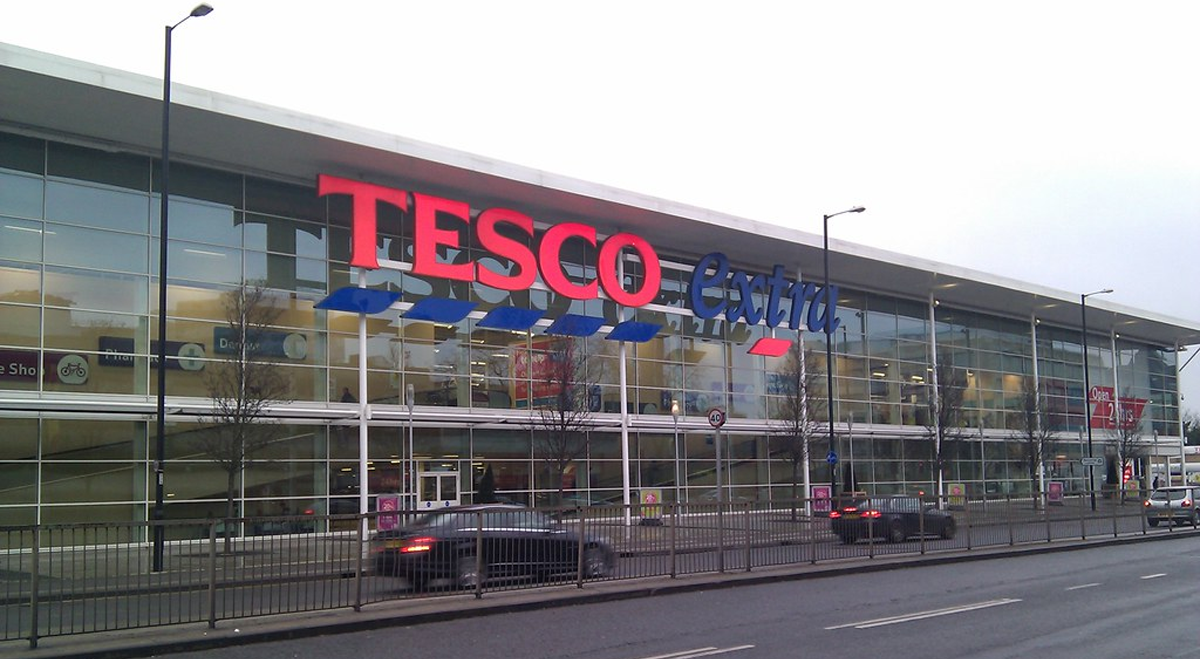
  • Tesco Reports Higher First-Quarter Sales and Strengthens Value Offering (TSCO)

    Tesco Reports Higher First-Quarter Sales and Strengthens Value Offering (TSCO)

    Tesco (LSE:TSCO) delivered first-quarter sales growth as investments in value, product innovation and customer experience helped attract shoppers across its core markets despite ongoing economic uncertainty.

    The retailer reported a 1.0% increase in group like-for-like sales for the first quarter of the 2026/27 financial year, with growth driven by strong performances in its food, online and Irish businesses. This was partly offset by a weaker contribution from Booker following the exit of a lower-margin contract.

    Customer Satisfaction Continues to Improve

    Tesco said customer satisfaction strengthened significantly during the quarter, with its UK net promoter score rising by six points.

    Management attributed the improvement to continued investment in value and quality, including the expansion of its Aldi Price Match programme, the launch of new products under its Finest range and the introduction of additional high-protein offerings.

    The company has also enhanced personalisation across its digital platforms, providing customers with more tailored shopping experiences and targeted promotions.

    Online and Convenience Channels Gain Momentum

    Online sales remained a key growth driver, supported by further investment in digital capabilities and delivery services.

    Tesco continued expanding its Whoosh rapid-delivery platform, which offers customers access to a growing range of products through fast fulfilment options.

    The retailer also increased the use of personalised Clubcard offers, helping strengthen customer engagement and encourage repeat spending across its store and online channels.

    Media and Loyalty Businesses Deliver Additional Growth

    Beyond its core grocery operations, Tesco highlighted continued progress within Tesco Media, its retail media business.

    The division benefited from increased advertising activity linked to major events, including the FIFA World Cup, as brands sought to engage with Tesco’s large customer base through targeted marketing campaigns.

    Management sees retail media as an increasingly important complementary revenue stream that leverages the scale of its loyalty programme and customer data capabilities.

    Guidance Reaffirmed and Buyback Progresses

    Tesco maintained its full-year guidance, continuing to expect adjusted operating profit of between £3.0 billion and £3.3 billion and free cash flow in the range of £1.5 billion to £2.0 billion.

    The company also reported strong progress on its ongoing £750 million share buyback programme, with almost half of the authorised amount already completed.

    Management said the continued pace of shareholder returns reflects confidence in the group’s cash generation capabilities and resilience despite broader macroeconomic and geopolitical uncertainties.

    Focused on Value and Market Leadership

    Tesco said its strategy remains centred on offering customers a combination of value, quality and convenience while continuing to invest in growth areas such as online grocery, loyalty programmes and rapid delivery.

    The retailer believes its scale, strong brand position and broad customer offering leave it well placed to navigate competitive pressures and maintain its leadership position in the UK grocery market.

    More about Tesco

    Tesco plc is one of Europe’s largest food retailers, operating supermarkets, convenience stores and online grocery platforms across the UK, Ireland and Central Europe. The group also owns wholesale business Booker and offers a range of complementary services, including mobile, insurance and retail media. Tesco focuses on delivering value through a mix of own-brand and branded products while expanding its digital, loyalty and convenience offerings to meet changing consumer needs.

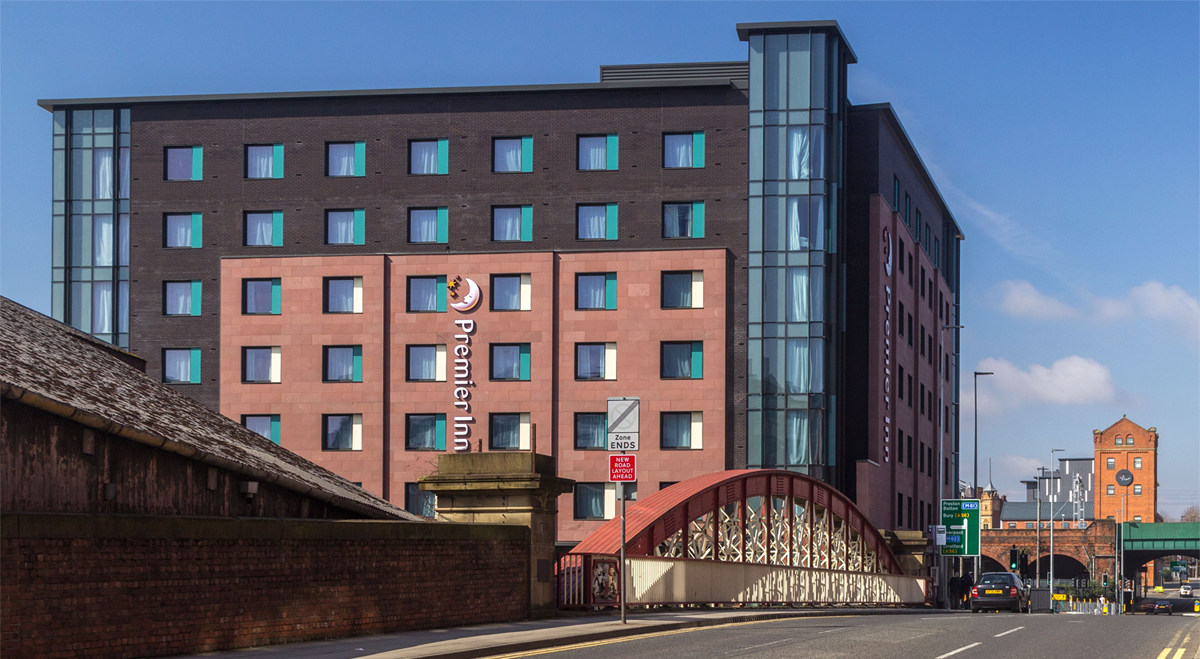
  • Whitbread Delivers Q1 Sales Growth as Premier Inn Gains Market Share in UK and Germany (WTB)

    Whitbread Delivers Q1 Sales Growth as Premier Inn Gains Market Share in UK and Germany (WTB)

    Whitbread (LSE:WTB) reported a positive start to the 2026-27 financial year, with growth across its Premier Inn hotel operations in both the UK and Germany helping lift group sales despite an anticipated decline in food and beverage revenues.

    Total group sales increased 2% to £727 million during the first quarter, supported by strong accommodation demand and continued expansion of the company’s hotel portfolio.

    UK Hotels Continue to Outperform Market

    Premier Inn’s UK business delivered a 3% increase in accommodation sales, benefiting from robust leisure travel demand and continued market share gains.

    The hotel chain maintained its revenue per available room (RevPAR) premium over the wider midscale and economy hotel sector, reinforcing its position as one of the strongest-performing brands in its market segment.

    Whitbread also reported encouraging booking trends, with forward reservations running ahead of the prior year. London hotels continued to outperform regional locations, supported by sustained demand across both leisure and business travel segments.

    German Expansion Drives Double-Digit Growth

    In Germany, Premier Inn generated 16% accommodation sales growth on a sterling basis as the business continued to scale its presence in the market.

    During the quarter, Whitbread opened six new leasehold hotels, expanding its footprint and supporting further revenue growth.

    The company said its German operations continued to outperform the local midscale and economy hotel market on a RevPAR basis, reflecting increasing brand recognition, operational maturity and effective commercial initiatives.

    Management believes Germany remains a significant long-term growth opportunity as the business builds scale in one of Europe’s largest hotel markets.

    Confidence Maintained in Full-Year Outlook

    Whitbread reiterated confidence in its outlook for the current financial year, citing favourable supply conditions across both its UK and German markets.

    Management said demand trends remain supportive and believes the company is well positioned to benefit from continued growth in domestic and international travel.

    The group continues to focus on operational execution while advancing strategic initiatives designed to improve profitability and enhance shareholder returns.

    Five-Year Strategy Targets Cash Generation and Efficiency

    Whitbread is progressing its recently announced five-year plan, which aims to transform the business into a more focused hotel operator.

    Key objectives include completing the exit from branded restaurant operations, improving margins, reducing capital intensity and enhancing returns on invested capital.

    The company has outlined ambitions to lower capital requirements by approximately £1 billion and generate around £2 billion of free cash flow by the 2031 financial year.

    Management believes these initiatives will strengthen the group’s financial profile while supporting long-term value creation for shareholders.

    More about Whitbread

    Whitbread is a UK hospitality company best known for operating the Premier Inn hotel brand. The group is one of the largest providers of midscale and economy accommodation in the UK and is expanding rapidly in Germany. Whitbread is pursuing a strategy focused on hotel operations, including the gradual exit from branded restaurant businesses, with the aim of improving profitability, increasing cash generation and delivering stronger shareholder returns over the long term.

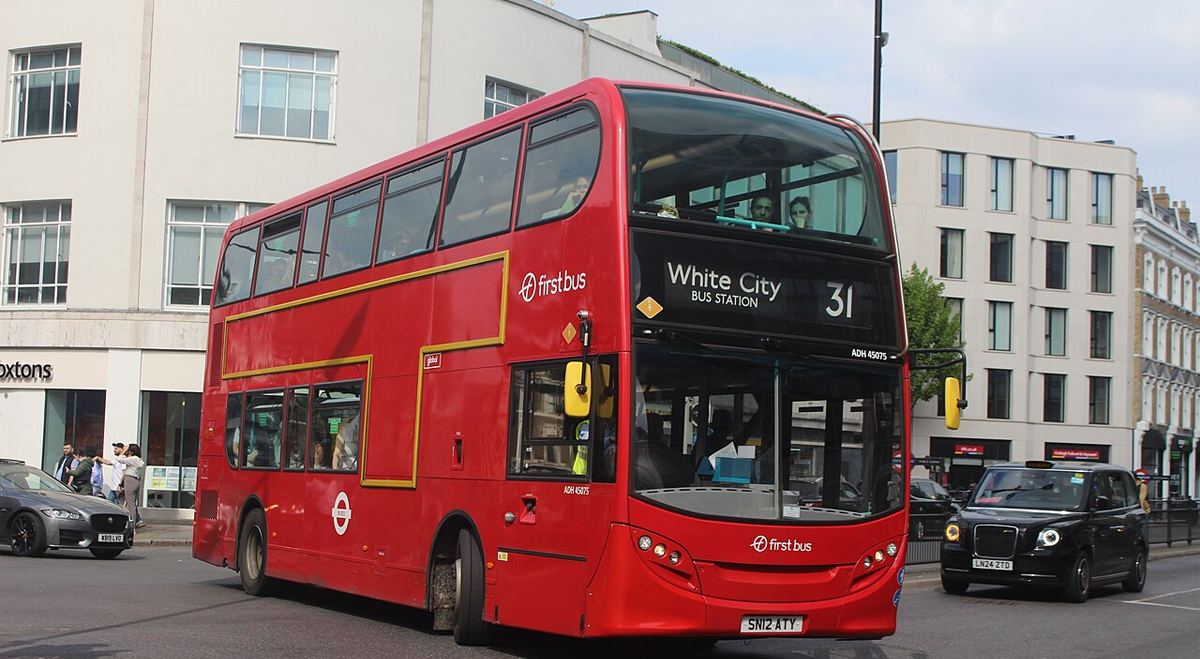
  • FirstGroup Increases Revenue, Expands Electric Fleet and Unveils New £100 Million Share Buyback (FGP)

    FirstGroup Increases Revenue, Expands Electric Fleet and Unveils New £100 Million Share Buyback (FGP)

    FirstGroup (LSE:FGP) delivered higher annual revenue and strong cash generation as growth in its bus operations helped offset challenges in its rail division, while the company continued to invest heavily in fleet electrification and shareholder returns.

    For the year ended 28 March 2026, adjusted revenue rose 25% to £1.72 billion. Adjusted operating profit remained broadly stable at £219.4 million as stronger performance from First Bus balanced lower earnings from rail operations and the impact of contract transitions.

    The transport operator also announced a new £100 million share buyback programme and reiterated expectations for approximately £400 million of free cash generation over the next three years.

    Strong Shareholder Returns Backed by Cash Generation

    FirstGroup continued to generate robust cash flows during the year, maintaining what management described as a strong balance sheet position.

    The company returned £89 million to shareholders through a combination of dividends and share repurchases and said the newly announced buyback reflects confidence in its financial position and future prospects.

    Management believes its disciplined capital allocation strategy provides flexibility to invest in growth opportunities while continuing to reward shareholders.

    Bus Division Delivers Growth

    First Bus was the group’s standout performer during the year, reporting a 33% increase in revenue alongside higher operating profit.

    The improvement came despite lower government fare support and softer passenger volumes in some markets.

    Growth was driven by expansion within London bus franchises, increasing contributions from business and coach operations, and continued investment in zero-emission transport infrastructure.

    The company has accelerated the rollout of electric buses and charging facilities, reinforcing its commitment to decarbonisation and the transition to cleaner public transport networks.

    Rail Business Navigates Market Challenges

    Within First Rail, revenue from open access services increased modestly, although profitability was affected by mobilisation costs, competitive pressures and weaker demand in certain areas.

    Despite these challenges, the division secured the London Overground contract during the year and continues to pursue expansion opportunities within the UK’s rail market.

    Management said plans are in place to more than double open access rail capacity, which is expected to support future growth and strengthen the group’s rail portfolio.

    Focused on Long-Term UK Transport Growth

    FirstGroup continues to position itself as a leading UK transport operator, with growth strategies centred on bus franchising opportunities, rail expansion and decarbonisation initiatives.

    The company believes ongoing investment in electric vehicles, infrastructure and operational improvements will support long-term growth while helping meet evolving environmental and regulatory requirements.

    With a strong balance sheet, growing bus operations and an expanding pipeline of rail opportunities, management remains focused on delivering sustainable value creation across its transport network.

    More about FirstGroup

    FirstGroup is a UK transport operator providing bus and rail services through its First Bus and First Rail divisions. The company operates regional bus networks, London bus franchises, open access rail services and rail contracts on behalf of the Department for Transport. FirstGroup is focused on electrification, decarbonisation and UK transport growth, while continuing to expand its presence in coach services, rail consultancy and passenger transport infrastructure.

  • European Markets Trade Cautiously Ahead of Fed Decision: DAX, CAC, FTSE100

    European Markets Trade Cautiously Ahead of Fed Decision: DAX, CAC, FTSE100

    European equities were largely subdued on Wednesday as investors adopted a cautious stance before the U.S. Federal Reserve’s interest rate announcement later in the day and ahead of the planned signing of a peace agreement between Washington and Tehran in Switzerland on Friday.

    Market participants remained focused on monetary policy signals from the Fed, while also monitoring developments surrounding the Middle East accord.

    UK Inflation Holds Steady

    Economic data released in the UK showed that consumer price inflation remained unchanged at 2.8% year-on-year in May, matching the April reading and coming in below expectations for a 3.0% increase.

    Producer price data indicated a slight easing in factory-gate inflation, which slowed to 4.0% from 4.1% in April.

    Meanwhile, input costs rose 8.7%, accelerating from 7.9% a month earlier and reaching their highest level since February 2023.

    Eurozone Wage Pressures Continue to Ease

    Separate data from the European Central Bank pointed to moderating wage growth across the euro area.

    Negotiated wage increases are projected to slow to 2.6% by 2026, a trend that may help ease concerns among policymakers about inflationary pressure stemming from rising labour costs.

    Major Indices Drift Lower

    Trading across the region remained mixed.

    France’s CAC 40 hovered slightly above flat territory, while the UK’s FTSE 100 slipped 0.1% and Germany’s DAX declined 0.2%.

    The muted performance reflected investor reluctance to take significant positions ahead of key policy and geopolitical events.

    Auto Sector Under Pressure After BMW Warning

    Automotive stocks led the declines after BMW (TG:BMW) lowered its outlook for 2026.

    Shares in the German manufacturer dropped 6.5%, weighing on the broader sector.

    Volkswagen (TG:VOW3) fell 2.2%, Mercedes-Benz (TG:MBG) lost 3.3%, and Renault (EU:RNO) retreated 1%.

    Thales Gains on Strategic Partnership

    Defense technology group Thales (EU:HO) rose around 1% after announcing a strategic collaboration with Renault Group.

    The partnership is focused on developing and industrialising large-scale production of the TOUTATIS loitering munition, expanding cooperation between the defense and automotive industries.

    Nokia Advances on U.S. Expansion Plans

    Nokia (NYSE:NOK) gained 1.3% after revealing plans to significantly expand its advanced testing and packaging operations in Allentown, Pennsylvania.

    The investment forms part of the company’s broader strategy to strengthen its manufacturing and technology capabilities in the United States.

  • Markets Look to Fed as Iran Deal Progress Eases Energy Fears and SpaceX Extends Rally: Dow Jones, S&P, Nasdaq, Wall Street Futures

    Markets Look to Fed as Iran Deal Progress Eases Energy Fears and SpaceX Extends Rally: Dow Jones, S&P, Nasdaq, Wall Street Futures

    Investors entered Wednesday focused on a pivotal Federal Reserve decision, while developments surrounding the proposed U.S.-Iran peace agreement continued to reshape expectations for energy markets, inflation and global monetary policy.

    At the same time, oil prices remained under pressure and SpaceX (NASDAQ:SPCX) continued to attract investor attention following its record-setting public market debut.

    Fed Meeting Takes Centre Stage

    The Federal Reserve is expected to keep its benchmark interest rate unchanged between 3.5% and 3.75%, marking the first policy announcement under Chair Kevin Warsh.

    Although no immediate change in rates is anticipated, investors will closely examine the Fed’s statement and economic forecasts for indications of how policymakers view inflation, growth and the future direction of interest rates.

    Warsh faces the challenge of balancing political pressure for lower rates against concerns that earlier energy-market disruptions could still influence inflation trends.

    New Details Emerge on U.S.-Iran Framework

    Reports suggest that negotiators are moving closer to a formal agreement between Washington and Tehran.

    The framework reportedly includes a permanent ceasefire, the reopening of the Strait of Hormuz, relief from certain sanctions and the launch of fresh discussions regarding Iran’s nuclear programme.

    Several reports also indicate that Iranian oil exports could resume quickly if the agreement is formally signed, potentially increasing global energy supplies and helping stabilise markets.

    However, observers note that negotiations remain ongoing and key elements of the agreement have yet to be finalised.

    Oil Market Reacts to Supply Expectations

    Crude prices continued their recent retreat as traders priced in the possibility of additional Iranian supply returning to global markets.

    Brent crude futures fell to US$78.35 per barrel, extending losses seen over recent sessions. The decline reflects expectations that shipping routes through the Strait of Hormuz will reopen and that sanctions relief could boost export volumes.

    Even so, energy prices remain above levels seen before hostilities began earlier this year.

    Investors Monitor Inflation Outlook

    The fall in oil prices has eased concerns about a prolonged inflation shock and has encouraged markets to reassess expectations for central bank policy.

    Analysts believe lower energy costs could support disinflation trends and reduce pressure on policymakers, although uncertainty remains over the pace of future interest-rate changes.

    Updated economic projections from the Federal Reserve are therefore expected to play a crucial role in shaping market expectations.

    SpaceX Continues to Rewrite Records

    SpaceX (NASDAQ:SPCX) maintained its extraordinary post-IPO momentum, adding another 4.83% on Tuesday to close at US$201.80 per share.

    The gain lifted the company’s market value to approximately US$2.65 trillion, placing it among the most valuable publicly traded companies in the world.

    Since its US$135-per-share flotation on June 12, the stock has surged roughly 50%, highlighting intense investor demand and reinforcing its status as one of the most closely watched listings in market history.

    Additional gains in after-hours trading suggested enthusiasm for the shares remains strong.

  • European Stocks Pause Near Record Highs as Markets Await Inflation Data and Fed Decision: DAX, CAC, FTSE100

    European Stocks Pause Near Record Highs as Markets Await Inflation Data and Fed Decision: DAX, CAC, FTSE100

    European equities traded cautiously on Wednesday after a strong four-session advance, with investors taking a breather as they assessed the implications of the U.S.-Iran peace agreement and prepared for key monetary policy signals from both Europe and the United States.

    The pan-European STOXX 600 remained broadly unchanged, hovering just below record levels after gaining nearly 3% over the previous four trading sessions.

    Major European Indices Consolidate Gains

    Germany’s DAX slipped 0.4%, while France’s CAC 40, Italy’s FTSE MIB and Spain’s IBEX 35 traded largely flat.

    Swedish stocks slightly underperformed the broader region, easing 0.1% as investors positioned for an expected decision by the Riksbank to leave interest rates unchanged.

    Across Europe, trading activity reflected a more cautious tone after the recent rally, with investors reluctant to take significant positions ahead of several major macroeconomic events.

    Markets Focus on Inflation and Central Banks

    Attention has shifted toward the release of eurozone inflation data and the latest policy announcement from the U.S. Federal Reserve.

    Economists expect annual eurozone inflation to rise to 3.2% in May, making the data a key indicator for expectations surrounding future European Central Bank policy decisions.

    At the same time, investors are closely monitoring the Federal Reserve’s meeting, the first chaired by Kevin Warsh since taking office.

    While no change in U.S. interest rates is widely expected, markets are expected to scrutinise the central bank’s economic outlook and forward guidance for clues on the future direction of global monetary policy.

    Real Estate Stocks Hold Steady

    Interest-rate-sensitive property companies showed little movement as investors waited for further clarity on the interest-rate outlook.

    Shares in Segro (LSE:SGRO) and Aroundtown (BIT:1AT1) traded broadly unchanged, reflecting the market’s cautious approach ahead of the inflation data and central bank decisions.

    Many investors chose to lock in recent gains rather than increase exposure before the key announcements.

    Falling Energy Prices Support Disinflation Narrative

    Energy markets continued to influence investor sentiment after reports that the United States intends to formally waive sanctions on Iranian crude exports.

    The prospect of increased oil supply has accelerated the recent decline in energy prices and reduced concerns over a prolonged inflationary shock. As a result, investors have increasingly removed the geopolitical risk premium that had been embedded in commodity markets during recent tensions.

    The impact was also visible in bond markets, where short-dated eurozone government bond yields continued to fall as expectations for aggressive monetary tightening eased.

    FTSE 100 Lags Regional Peers

    The UK’s FTSE 100 underperformed broader European markets as weakness in energy stocks offset the positive impact of lower inflation expectations.

    Heavyweight constituents BP (LSE:BP.) and Shell (LSE:SHEL) remained under pressure from falling oil prices, limiting gains for the London benchmark, which traded broadly flat.

    Investors also digested the latest UK inflation figures, which showed annual consumer price growth holding steady at 2.8%. The data will feed into the Bank of England’s interest-rate decision scheduled for Thursday.

    Individual Movers

    Among notable stock movements, Medincell (EU:MEDCL) declined 10% after publishing its full-year results.

    Meanwhile, Hays (LSE:HAS) gained 7% after announcing the sale of six business units as part of its ongoing portfolio reshaping strategy.