Category: Top Story

  • FTSE 100 Advances as U.S.-Iran Agreement Eases Energy Supply Concerns

    FTSE 100 Advances as U.S.-Iran Agreement Eases Energy Supply Concerns

    UK and European equities moved higher on Monday after the United States and Iran announced a peace agreement that included the reopening of the Strait of Hormuz, easing fears over global energy supplies and sending oil prices sharply lower.

    The FTSE 100 gained 0.70% in early trading, while Germany’s DAX rose 1.88% and France’s CAC 40 advanced 1.69%. Sterling strengthened 0.22% against the U.S. dollar to $1.3436.

    Peace Agreement Signals End to Hostilities

    Pakistani Prime Minister Shehbaz Sharif announced the agreement on social media, stating that both sides had agreed to “the immediate and permanent termination of military operations on all fronts, including in Lebanon,” with a formal signing ceremony scheduled for 19 June in Geneva.

    U.S. President Donald Trump later confirmed the agreement, writing on Truth Social, “The Deal with the Islamic Republic of Iran is now complete. Congratulations to all! I hereby fully authorize the toll free opening of the Strait of Hormuz, and, simultaneously herewith, authorize the immediate removal of the United States Naval blockade. Ships of the World, start your engines. Let the oil flow!”

    The announcement helped calm markets that had been concerned about disruption to one of the world’s most important oil shipping routes.

    Oil Prices Tumble as Strait of Hormuz Reopens

    Energy markets reacted strongly to the prospect of restored shipping through the Strait of Hormuz.

    Brent crude fell 4.91% to $83 per barrel, while U.S. benchmark WTI crude dropped 5.67% to $80.05 per barrel. The sharp decline reflected expectations of improved supply flows and reduced geopolitical risk in the region.

    Meanwhile, gold moved higher as investors continued to assess the broader implications of the agreement, with spot gold rising 2.26% to $4,314.53 per troy ounce.

    Differences Emerge Over Terms of Agreement

    Despite the positive market reaction, differing interpretations of the agreement quickly surfaced.

    Iran’s Supreme National Security Council confirmed that military operations would cease “immediately and permanently” and said formal signing would take place on 19 June. The council also indicated that negotiations on a final settlement would begin only after commitments made by the other side had been fulfilled.

    Iranian officials subsequently stated that a 60-day negotiation process would commence only after the United States released frozen Iranian assets, lifted the naval blockade and formally ended the conflict.

    However, a senior U.S. official disputed that characterisation, telling Axios, “This is completely not true. This is a pay-for-performance deal and no frozen funds will be released without the Iranians implementing their commitments.”

    Reports from Iran’s state-affiliated Mehr News suggested a draft memorandum included the staged release of $24 billion in frozen Iranian assets, although neither Washington nor Tehran officially confirmed those details.

    Regional Tensions Remain

    Questions also remain over the wider regional implications of the agreement.

    Shortly before the deal was announced, Israel carried out a strike against a Hezbollah command centre in Beirut’s southern suburbs, prompting criticism from President Trump, who wrote: “This morning’s attack on Beirut should not have happened.”

    According to Israeli media reports, Prime Minister Benjamin Netanyahu told Trump that Israel would not withdraw from Lebanon and did not consider itself bound by provisions relating to Lebanon contained within the agreement.

    UK Corporate Round-Up

    In company news, Sigma Healthcare withdrew from the process to acquire Boots Group, stating that a potential transaction no longer aligned with its strategic objectives or capital allocation priorities.

    Meanwhile, the Financial Times reported that the BBC is preparing to cut hundreds of positions within its core news division as part of a broader restructuring programme that could result in around 2,000 job losses and generate substantial cost savings across the organisation.


  • FDA Grants Priority Review to AstraZeneca’s Ultomiris for Rare Kidney Disease Treatment (AZN)

    FDA Grants Priority Review to AstraZeneca’s Ultomiris for Rare Kidney Disease Treatment (AZN)

    AstraZeneca’s (LSE:AZN) rare disease division, Alexion, has received a regulatory boost after the U.S. Food and Drug Administration accepted and granted priority review to a supplemental biologics licence application for Ultomiris (ravulizumab) as a treatment for adults with immunoglobulin A nephropathy (IgAN).

    Priority review status is reserved for therapies that have the potential to provide meaningful improvements over existing treatment options, whether through enhanced efficacy, improved safety or other significant clinical benefits. The FDA is expected to make its decision during the fourth quarter of 2026.

    Targeting a Serious Rare Kidney Disorder

    Immunoglobulin A nephropathy is a chronic inflammatory kidney disease that can progressively impair kidney function and may ultimately lead to end-stage kidney disease. More than 217,000 people in the United States are diagnosed with the condition.

    The disease occurs when immunoglobulin A deposits accumulate in the kidneys, triggering inflammation and potentially causing long-term damage to the organs’ filtering capability.

    Phase III Trial Demonstrated Significant Reduction in Proteinuria

    The regulatory submission is supported by interim data from the Phase III I CAN study evaluating Ultomiris in patients with IgAN.

    Results showed that patients receiving Ultomiris achieved a 46.6% reduction in 24-hour urine protein-creatinine ratio from baseline at week 34, compared with a 5.6% reduction among patients receiving placebo. This translated into a placebo-adjusted treatment effect of 43.4%.

    According to the study findings, reductions in proteinuria were evident as early as week 10 and were maintained throughout the 34-week assessment period.

    Kidney Function Endpoint Still Ongoing

    While the interim analysis focused on proteinuria reduction, the trial’s primary endpoint remains the change in estimated glomerular filtration rate (eGFR), a key measure of kidney function.

    This endpoint will be assessed at week 106, providing additional evidence on the long-term impact of Ultomiris on disease progression and kidney health.

    Safety Profile Remains Consistent

    AstraZeneca reported that the safety findings from the I CAN trial were consistent with the established safety profile of Ultomiris.

    The treatment was generally well tolerated, and the company said no new safety concerns were identified during the study.

    More About AstraZeneca

    AstraZeneca is a global biopharmaceutical company focused on the discovery, development and commercialisation of medicines across oncology, rare diseases, cardiovascular, renal and metabolic disorders, respiratory diseases and immunology.

    Through its Alexion division, the company specialises in treatments for rare and serious diseases, with Ultomiris forming part of a portfolio of therapies designed to address conditions driven by complement system dysregulation.

  • Union Jack Oil Enters Offer Period Following Possible All-Share Approach from Reabold Resources (UJO)

    Union Jack Oil Enters Offer Period Following Possible All-Share Approach from Reabold Resources (UJO)

    Union Jack Oil (LSE:UJO) has confirmed that it has received a non-binding and indicative all-share proposal from Reabold Resources regarding a potential acquisition of the entire issued share capital of the company.

    The board said it has reviewed the approach with its advisers and has granted Reabold access to due diligence information as discussions continue. However, Union Jack emphasised that there is no certainty a formal offer will be made, nor that any proposal will proceed on terms acceptable to shareholders.

    Formal Takeover Timetable Now Underway

    Under the provisions of the UK Takeover Code, Reabold must, by 13 July 2026, either announce a firm intention to make an offer or confirm that it does not intend to proceed.

    The announcement places Union Jack into an official offer period, triggering regulatory disclosure requirements for shareholders with significant interests in the company and increasing market attention on future developments.

    Management stressed that shareholders should take no action at this stage while discussions remain ongoing and uncertain.

    Potential Industry Consolidation in UK Onshore Energy Sector

    The possible transaction highlights continued consolidation activity within the UK onshore oil and gas industry as companies seek opportunities to strengthen their asset portfolios and scale operations.

    Should a formal offer emerge, the proposed combination could represent a notable corporate development within the sector. However, until a definitive proposal is announced, the outcome of the process remains uncertain.

    The market is likely to closely monitor developments over the coming weeks as the due diligence process progresses and the regulatory deadline approaches.

    Financial Challenges Continue to Influence Outlook

    Union Jack’s outlook remains affected by weaker financial performance following a significant loss reported in 2025. The company also experienced negative operating cash flow and continued deterioration in free cash flow metrics during the period.

    Technical indicators remain subdued, with the shares trading below key shorter-term moving averages and momentum measures reflecting a cautious market backdrop.

    One positive factor remains the company’s debt-free balance sheet, which provides financial flexibility. However, valuation support is limited by negative earnings and the absence of a dividend profile.

    More About Union Jack Oil

    Union Jack Oil is an AIM-listed oil and gas company focused on the exploration, appraisal, development and production of hydrocarbon assets within the United Kingdom.

    The company operates across the onshore UK energy sector and seeks to generate shareholder value through a combination of operational progress, drilling activity, project development and potential corporate transactions.

  • Forgent Reports High-Grade Copper and Gold Results from Green Rocks Exploration Programme (FORG)

    Forgent Reports High-Grade Copper and Gold Results from Green Rocks Exploration Programme (FORG)

    Forgent plc (LSE:FORG) has announced highly encouraging results from its first surface sampling campaign at the Green Rocks copper-gold project in Western Australia, with assays returning copper grades of up to 29.4% and gold values reaching 4.8 g/t.

    The 110-sample programme not only validated historical exploration results but also expanded the known extent of surface mineralisation across the project area. The company identified mineralised zones associated with interpreted fault structures, dyke contacts and key structural intersections, suggesting the potential for a larger mineralised system than previously recognised.

    Surface Sampling Expands Exploration Potential

    According to management, the programme significantly increased confidence in the prospectivity of Green Rocks by extending the footprint of outcropping mineralisation and highlighting several new target areas.

    The results have helped refine the geological understanding of the project and identified multiple zones that warrant follow-up drilling. Forgent believes these targets could offer substantial exploration upside, particularly where high-grade mineralisation remains untested at depth.

    Maiden Drilling Campaign Planned

    Following the success of the sampling programme, the company is preparing for its first drilling campaign at Green Rocks.

    The planned programme will focus on testing the continuity, thickness and extent of the newly defined high-grade mineralised zones. Before drilling can commence, Forgent intends to submit a Programme of Work and complete the necessary heritage and regulatory approval processes.

    Management expects the drilling campaign to provide a critical next step in evaluating the project’s resource potential and advancing Green Rocks through the exploration pipeline.

    Strategic Asset Within Energy Transition Portfolio

    The company views Green Rocks as an increasingly important asset within its broader energy transition metals strategy.

    Copper remains a key commodity for global electrification and renewable energy infrastructure, while the presence of gold provides an additional value component that could enhance the economics of any future development.

    As exploration progresses, Green Rocks is expected to remain a major focus for technical updates and future investment activity across the portfolio.

    Financial Considerations Remain a Factor

    Despite the positive exploration results, Forgent’s outlook continues to be influenced by financial challenges associated with its development-stage profile. The company remains loss-making, with ongoing cash outflows and leverage continuing to weigh on the investment case.

    Technical indicators also remain weak, reflecting a broader downward trend in the share price. Valuation support is limited due to negative earnings and the absence of a dividend programme.

    More About Forgent plc

    Forgent plc is an AIM-listed company focused on the exploration and development of commodities linked to the global energy transition, with particular emphasis on copper and gold opportunities.

    Its flagship Green Rocks project is located within the Ashburton Mineral Field in the southern Pilbara region of Western Australia, an established mining jurisdiction with access to regional infrastructure. The company is targeting high-grade copper-gold mineralisation as it seeks to build value through exploration success and resource growth.

  • Big Yellow Divests Harrow Estate to Accelerate Self Storage Expansion Plans (BYG)

    Big Yellow Divests Harrow Estate to Accelerate Self Storage Expansion Plans (BYG)

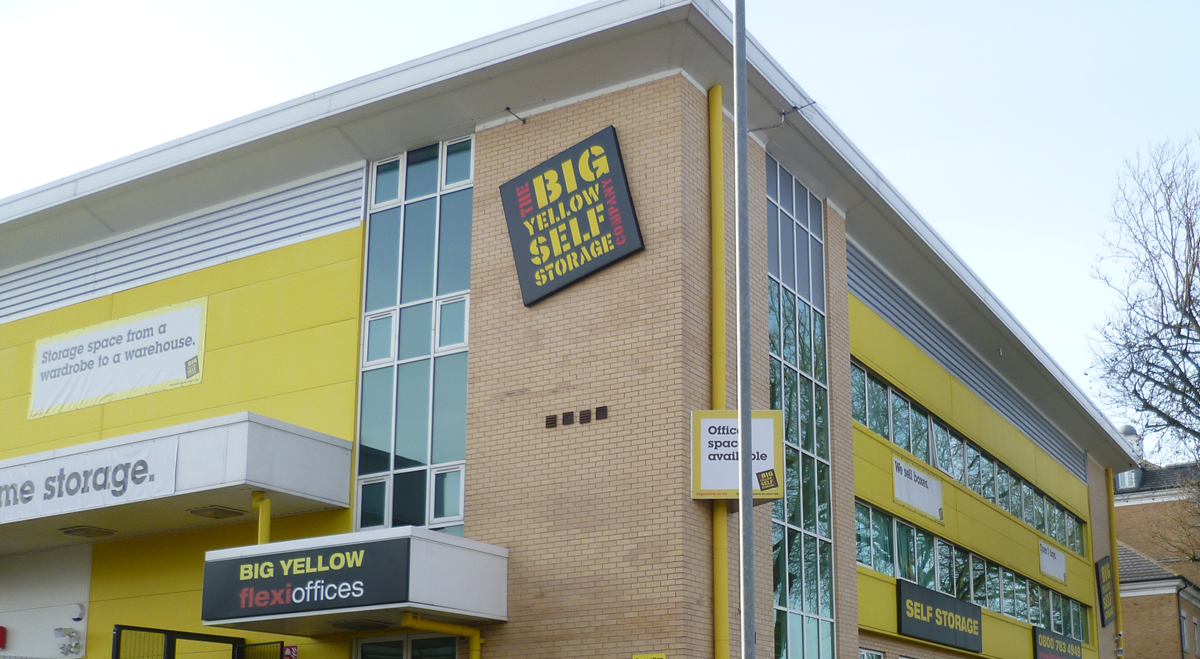
    Big Yellow Group (LSE:BYG) has completed the sale of its Harrow industrial estate in London for £38.4 million, with £2 million of the consideration deferred subject to certain conditions. The transaction reflects the company’s strategy of recycling capital from non-core assets into higher-return opportunities across its self storage portfolio.

    Management intends to use the proceeds to support an ambitious development programme comprising 11 new stores and one replacement facility on land already owned by the Group. Once fully operational, the 12-site pipeline is expected to deliver approximately £35 million in net operating income, representing an anticipated income return of 16.5% on total development costs of £212 million.

    Expansion Programme Backed by Disciplined Capital Management

    The Group expects to deliver the development pipeline using its existing funding facilities while maintaining a prudent approach to leverage. Net debt to EBITDA is forecast to remain within a range of 3.5x to 4x, with management targeting a return towards a maximum of 3.5x over time.

    This approach highlights Big Yellow’s commitment to balancing growth with financial discipline, particularly as it continues to invest in high-demand locations across Central London and other key markets.

    Strong Fundamentals Support Long-Term Growth Strategy

    Big Yellow’s investment case continues to be supported by solid operational performance, growth prospects and relatively conservative leverage levels. The company’s income profile also remains attractive, aided by a strong dividend yield and a moderate earnings multiple.

    However, these strengths are partly offset by weaker technical indicators, including a broader downward share price trend and negative market momentum. In addition, cash conversion has been uneven, with free cash flow declining notably in recent periods.

    More About Big Yellow Group

    Big Yellow Group is the UK’s largest self storage operator, with a network of 113 stores providing up to 6.7 million square feet of maximum lettable space. The company focuses on prominent, easily accessible locations, particularly across London and surrounding commuter regions.

    The Group is progressing a pipeline of 12 new facilities that is expected to expand total capacity to approximately 7.6 million square feet. Its operations are supported by advanced digital systems and security infrastructure, while sustainability, customer service and employee engagement remain central to the business. With a predominantly freehold and long-leasehold property portfolio, Big Yellow benefits from a substantial asset base that supports its long-term growth ambitions.

  • Hamak Strategy Reports Strong Gold Intercepts at Akoko Project as Exploration Programme Progresses (HAMA)

    Hamak Strategy Reports Strong Gold Intercepts at Akoko Project as Exploration Programme Progresses (HAMA)

    Hamak Strategy Limited (LSE:HAMA) has announced additional high-grade reverse circulation drilling results from its Akoko oxide gold project in southwest Ghana, highlighting continued progress across its exploration programme. Among the latest results, the Akoko North prospect delivered an intercept of 3.42 grams per tonne gold over 23 metres from a depth of 15 metres, reinforcing the prospectivity of the emerging gold system.

    The company has now completed its drilling campaign at Akoko North, where 39 holes covering 2,280 metres confirmed the eastern extension of mineralisation. Following the completion of that work, the drilling rig has been moved to the Akoko South prospect, where a further 36-hole programme totalling 1,940 metres is planned as Hamak continues to expand and define its West African gold assets.

    The latest results support management’s view that the Akoko project continues to demonstrate exploration upside, with ongoing drilling aimed at extending known mineralised zones and identifying additional resource potential across the licence area.

    Gold Exploration Combined with Bitcoin Treasury Exposure

    Alongside its mineral exploration activities, Hamak maintains a treasury policy that includes holdings of Bitcoin. The company noted that Bitcoin is not regulated by the UK Financial Conduct Authority and is subject to significant volatility, liquidity and operational risks.

    As a result, investors in Hamak gain exposure to two distinct asset classes: early-stage gold exploration in Ghana and cryptoassets. This dual strategy may appeal to investors seeking diversified exposure to both commodities and digital assets, although it also introduces additional risk factors that could influence overall shareholder returns.

    Financial and Market Considerations

    The company’s investment profile remains shaped by its status as a pre-revenue explorer. Hamak continues to report losses and ongoing cash requirements associated with advancing its exploration activities, while higher leverage levels recorded in 2025 have increased funding considerations.

    From a market perspective, technical indicators remain subdued, with the shares trading below key moving averages and a negative MACD signal. Valuation metrics also remain limited due to the company’s loss-making position and the absence of a dividend programme.

    More About Hamak Strategy Limited

    Hamak Strategy Limited is a UK-listed exploration company focused on developing gold assets in Africa. In addition to its mineral exploration activities, the company operates a digital asset treasury strategy that includes Bitcoin holdings, providing shareholders with exposure to both precious metals exploration and the potential opportunities and risks associated with cryptoassets.

  • Tesla’s Autonomous Driving Progress Earns Strong Backing From Piper Sandler (TSLA)

    Tesla’s Autonomous Driving Progress Earns Strong Backing From Piper Sandler (TSLA)

    Analyst Argues Tesla Is Closer Than Many Investors Believe

    Tesla (NASDAQ:TSLA) has effectively reached a major milestone in autonomous driving, according to Piper Sandler analyst Alexander Potter, who believes the company has solved many of the challenges that have long stood in the way of fully self-driving vehicles.

    In a research note, Potter laid out several reasons supporting his view that Tesla’s Full Self-Driving technology has achieved Level 4 autonomy across most driving scenarios, despite continued skepticism from some investors.

    The analyst noted that comparisons with Waymo often dominate discussions with clients, particularly because of Waymo’s larger robotaxi deployment. He also acknowledged that the absence of a common industry standard for safety data makes it difficult to judge competing systems objectively.

    Nonetheless, Piper Sandler maintained its Overweight recommendation and reiterated that Tesla has “solved the self driving puzzle.”

    Corporate Actions Suggest Growing Confidence

    Among the indicators cited by Potter was Tesla’s decision to provide insurance incentives tied to FSD usage.

    The analyst views this as a meaningful signal that Tesla is comfortable with the technology’s safety profile and expected performance.

    Another factor was the launch of Cybercab production. Manufacturing of the autonomous vehicle, which has neither steering wheel nor pedals, began in April and is already producing hundreds of units each week.

    Piper Sandler estimates that the related production facilities could cost “several hundred million USD (if not $1B+),” suggesting a substantial commitment to the programme.

    FSD Adoption Appears to Be Broadening

    Potter also pointed to Tesla’s decision to disclose subscription figures for FSD during the first quarter of 2026.

    According to the analyst, this suggests that “FSD is ready for dissemination beyond early adopters.”

    Tesla’s robotaxi programme is also expanding rapidly. The service now operates throughout the Austin metropolitan area, including interstate routes, and management is targeting launches in seven additional cities by the first half of 2026.

    First-Hand Experience Supports the Investment Case

    Beyond operational metrics, Potter referenced his own use of Tesla’s autonomous driving software.

    He said a Tesla vehicle transported him from Missoula to Minneapolis during April with very little need for driver intervention.

    Summarising the experience, Potter wrote: “There’s no substitute for personal experience.”

    More about Tesla

    Tesla develops electric vehicles, autonomous driving software, energy storage systems and renewable energy technologies. The company views artificial intelligence and self-driving transportation as central pillars of its future growth strategy and continues to invest heavily in expanding both its autonomous vehicle capabilities and robotaxi network.

  • Wall Street Set for Further Gains as Markets Focus on Prospects of U.S.-Iran Accord: Dow Jones, S&P, Nasdaq, Futures

    Wall Street Set for Further Gains as Markets Focus on Prospects of U.S.-Iran Accord: Dow Jones, S&P, Nasdaq, Futures

    U.S. stock futures moved higher on Friday, indicating that markets could build on Thursday’s powerful rally as investors reacted positively to fresh signs that a diplomatic breakthrough between Washington and Tehran may be approaching.

    Sentiment remained supported after President Donald Trump once again suggested that negotiations with Iran were nearing a conclusion.

    Reports Indicate Agreement Could Be Near

    According to Axios, a proposed memorandum of understanding between the United States and Iran would include the immediate reopening of the Strait of Hormuz without transit fees, alongside sanctions relief for Iran tied to compliance with the agreement.

    The report cited both a U.S. official and a diplomat involved in the mediation process. The diplomat said the two sides “have agreed on the text of a deal,” although final approval is still pending.

    The framework would reportedly extend the current ceasefire by 60 days, including in Lebanon, while nuclear discussions continue.

    Bloomberg separately reported that the agreement could be formally signed during next week’s G7 summit.

    Investors Continue to Embrace Positive Headlines

    Despite previous setbacks in negotiations, investors appeared willing to respond positively to the latest developments.

    “The maxim ‘once bitten, twice shy,’ isn’t being applied by the market when it comes to Donald Trump’s pronouncements, as his latest of several suggestions a deal is close has helped to drive stocks higher once more,” said Dan Coatsworth, head of markets at AJ Bell.

    He added, “Whether momentum can be sustained depends on positive noises about a resolution translating into something more solid in the coming days.”

    Major Indexes Rebounded Strongly on Thursday

    U.S. equities spent much of Thursday trading without a clear direction before staging a sharp afternoon rally.

    The major averages recovered from the previous session’s weakness and ended the day with substantial gains.

    The Nasdaq climbed 640.16 points, or 2.5%, to finish at 25,809.66. The Dow Jones Industrial Average rose 929.97 points, or 1.9%, to 50,848.75, while the S&P 500 advanced 127.31 points, or 1.8%, to 7,394.30.

    Oil Slides After Trump Cancels Planned Military Action

    The market rally gathered pace after oil prices tumbled in response to Trump’s decision to call off planned strikes against Iran.

    In a Truth Social post, Trump said the move was “based on the fact that discussions with the Islamic Republic of Iran have been brought to the highest level of Iranian leadership and approved.”

    The statement represented a dramatic reversal from earlier comments in which he warned that the United States would hit Iran “very hard tonight” and indicated he intended to take control of the country’s oil and gas markets “at some point in the not too distant future.”

    Bargain Hunters Return to the Market

    The rally was also supported by investors taking advantage of lower valuations following the previous day’s decline.

    That weakness had pushed both the Nasdaq and the S&P 500 to their lowest closing levels in a month, encouraging fresh buying interest.

    Inflation Report Fails to Dampen Sentiment

    Markets largely brushed aside stronger-than-expected producer inflation data released by the Labor Department.

    The Producer Price Index for final demand increased 1.1% in May, matching the revised gain seen in April.

    Economists had forecast a rise of 0.7%.

    On an annual basis, producer price inflation accelerated to 6.5% from 5.7%, marking its highest level since November 2022.

    Nevertheless, geopolitical developments and falling energy prices remained the dominant market drivers.

    Chipmakers Lead the Charge

    Semiconductor companies were among the strongest performers of the session.

    The Philadelphia Semiconductor Index surged 7.9%.

    Intel (NASDAQ:INTC) jumped 9.2% after Bank of America upgraded the stock from Underperform to Buy.

    Airline Stocks Soar as Fuel Costs Ease

    Airline shares also benefited from the sharp decline in oil prices, which improved expectations for operating margins.

    The NYSE Arca Airline Index climbed 7.5%, making it one of the top-performing industry groups on the day.

    Mixed Results Across Sectors

    Networking companies, gold miners and computer hardware manufacturers all participated in the rally.

    However, energy stocks moved lower alongside crude oil prices, while software companies underperformed despite the broader market strength.

  • European Shares Advance as Optimism Builds Around Potential Middle East Agreement: DAX, CAC, FTSE100

    European Shares Advance as Optimism Builds Around Potential Middle East Agreement: DAX, CAC, FTSE100

    European equity markets moved decisively higher on Friday after U.S. President Donald Trump stated that a “great settlement” had been reached to end the conflict involving Iran, adding that a formal signing ceremony could take place in Europe as soon as this weekend.

    Iranian officials, however, maintained a more cautious stance, saying that no final agreement had yet been approved and that key issues, including frozen assets and security arrangements in the Strait of Hormuz, remained under discussion.

    German Inflation Eases in Line With Expectations

    On the economic front, final figures from Germany’s statistics office Destatis showed inflation slowed in May, primarily due to a moderation in energy price increases.

    Consumer price inflation was confirmed at 2.6% year-on-year, down from 2.9% in April, which had marked the highest reading since December 2023.

    The harmonised measure used across the European Union also eased to 2.7%, matching preliminary estimates and falling from 2.9% in the previous month.

    French Inflation Reaches Highest Level Since Early 2024

    In France, data from statistics agency INSEE showed consumer prices increased by 2.8% year-on-year in May.

    The reading represented the fastest pace of inflation since February 2024 and highlighted continuing price pressures within the French economy.

    UK Economy Contracts in April

    In the United Kingdom, official figures showed economic activity weakened in April as the services sector lost momentum.

    According to the Office for National Statistics, real GDP declined by 0.1% during the month, reversing the 0.3% growth recorded in March.

    The decline was the first monthly contraction since August 2025 and matched economists’ expectations.

    Separate trade data showed the UK’s visible trade deficit narrowed to £26.05 billion in April from £27.22 billion in March, as exports increased while imports declined.

    Major European Indices Post Strong Gains

    Investor sentiment improved across regional markets, lifting the main European benchmarks.

    France’s CAC 40 advanced 1.6%, Germany’s DAX climbed 1.3%, and the UK’s FTSE 100 gained 1%.

    Banking Stocks Lead the Rally

    Financial stocks were among the strongest performers during the session.

    Shares of Commerzbank (TG:CBK), Deutsche Bank (TG:DBK), BNP Paribas (EU:BNP) and Barclays (LSE:BARC) all moved between 4% and 5% higher as investors rotated into the sector.

    Travel Stocks Benefit From Falling Oil Prices

    Travel and leisure companies also attracted buying interest as lower crude prices improved the outlook for operating costs.

    easyJet (LSE:EZJ), Lufthansa (TG:LHA) and Air France (EU:AF) posted gains ranging from 3% to 8%.

    Kier Rallies on Contract Extension

    Among individual movers, infrastructure, construction and property group Kier (LSE:KIE) advanced sharply after securing a contract extension valued at approximately £140 million from South West Water.

    The agreement provided a boost to investor confidence in the company’s future revenue visibility.

    McBride Falls After Profit Warning

    In contrast, shares of McBride (LSE:MCB) came under significant pressure in London.

    The manufacturer of private-label cleaning products issued a profit warning, citing rising raw material and energy costs as key factors weighing on earnings expectations.

  • SpaceX IPO, Iran Peace Negotiations and Adobe Leadership Changes Drive Market Focus: Dow Jones, S&P, Nasdaq, Wall Street Futures

    SpaceX IPO, Iran Peace Negotiations and Adobe Leadership Changes Drive Market Focus: Dow Jones, S&P, Nasdaq, Wall Street Futures

    Investors Remain Cautious Ahead of Major Developments

    U.S. equity futures traded lower on Friday as investors monitored a series of market-moving events, including the record-breaking stock market debut of SpaceX (NASDAQ:SPCX) and renewed hopes for a diplomatic resolution to the conflict between the United States and Iran.

    At 03:13 ET (07:13 GMT), Dow futures were little changed, while S&P 500 futures slipped 0.2% and Nasdaq 100 futures declined 0.6%.

    The major Wall Street indices ended higher in the previous session despite a volatile trading day dominated by developments in the Middle East. Expectations of a possible peace agreement helped ease concerns over energy-driven inflation, offsetting stronger-than-forecast U.S. producer price data.

    Analysts at Deutsche Bank highlighted that weekly jobless claims climbed to their highest level in four months, complicating the outlook for Federal Reserve policy. Investors continue to weigh the possibility that the central bank may need to tighten monetary policy further before the end of the year.

    Technology stocks also remained under scrutiny after Oracle (NYSE:ORCL) surged following a spending outlook that significantly exceeded market expectations, prompting renewed questions about how the sector will fund the enormous expansion of artificial intelligence infrastructure.

    SpaceX Prepares for Largest IPO on Record

    SpaceX (NASDAQ:SPCX) is set to begin trading publicly on Friday in what is expected to be the largest initial public offering ever completed.

    The aerospace company confirmed a listing price of $135 per share and the sale of more than 555 million shares, valuing the business at approximately $1.77 trillion.

    The offering is projected to raise around $75 billion, comfortably surpassing the previous IPO records established by Saudi Aramco in 2019 and Alibaba in 2014.

    According to estimates cited by The New York Times, the amount being raised by SpaceX exceeds the combined proceeds generated by all U.S. IPOs over the past two years.

    The flotation could also mark the beginning of a new wave of mega-listings. Artificial intelligence firms Anthropic and OpenAI have both reportedly submitted confidential filings for public offerings that could value each company at close to $1 trillion.

    Elon Musk, who founded SpaceX in 2002 and retains roughly half of the company’s equity, stands to see his wealth increase substantially if investor demand remains strong following the listing.

    Trump Signals Progress Toward Iran Agreement

    Market sentiment received an additional boost from comments by President Donald Trump, who indicated that negotiations with Iran were nearing completion and that a formal agreement could be signed within days.

    Speaking to reporters, Trump said the proposed arrangement would reopen the Strait of Hormuz and bring an end to restrictions affecting Iranian ports.

    “We just made a great settlement of the war with Iran, and we’re going to be subject to finalization of documents, which should get done over the next few days. We’ll probably have a signing, maybe in Europe,” Trump said.

    Later, during a virtual campaign event, he stated that “we ended the war with Iran today,” adding that Tehran had agreed “never to have a nuclear weapon.”

    Iran’s foreign ministry acknowledged that significant sections of a potential agreement were close to being finalised, according to remarks carried by Press TV. However, officials rejected suggestions that a final accord had already been signed and criticised what they described as “contradictory positions” from Washington that were creating “turbulence and disruption” in negotiations.

    Oil Prices Ease as Markets Anticipate Supply Recovery

    The possibility of a diplomatic breakthrough weighed on crude prices, although oil remains elevated compared with levels seen before the conflict erupted.

    By 03:27 ET, Brent crude futures had fallen 2.0% to $88.62 per barrel, while U.S. West Texas Intermediate crude futures were down 2.2% at $85.82 per barrel.

    The prospect of shipping traffic resuming through the Strait of Hormuz has reduced immediate concerns about global supply disruptions. Nevertheless, analysts warn that the market may continue to feel the effects of months of constrained energy flows.

    Analysts at ING noted: “[T]he legacy issue of this crisis has been the substantial loss of energy supplies and its inflationary shock sent around the world.”

    They added: “Unless oil starts shipping freely in the Strait of Hormuz very soon, our house call is that energy markets could move close to a tipping point in July. In turn, we would be wary about expecting much lower oil prices from current levels.”

    Adobe Shares Decline Following Executive Departure

    Adobe (NASDAQ:ADBE) delivered quarterly results that exceeded analyst expectations and raised its full-year revenue and earnings forecasts, supported by strong momentum in its artificial intelligence business.

    The company said annualised recurring revenue from AI-related products had tripled year-on-year.

    Despite the upbeat financial performance, Adobe shares fell more than 5% in after-hours trading after the company disclosed the departure of chief financial officer Dan Durn.

    Durn is scheduled to leave the company on June 15 to pursue another career opportunity. Steve Day, currently senior vice president of corporate finance, will assume the role of interim CFO.

    The move marks the second consecutive quarter in which Adobe has announced a major leadership transition. In March, the software group revealed that long-serving chief executive Shantanu Narayen would step down.

    Adobe, whose portfolio includes Photoshop and Premiere Pro, has been expanding aggressively into generative artificial intelligence through Adobe Firefly, its suite of AI-powered tools for creating images, video, audio and vector-based content.