Category: Top Story

  • Markets Focus on U.S.-Iran Tensions, Oracle’s AI Spending Plans and ECB Rate Decision: Dow Jones, S&P, Nasdaq, Wall Street Futures

    Markets Focus on U.S.-Iran Tensions, Oracle’s AI Spending Plans and ECB Rate Decision: Dow Jones, S&P, Nasdaq, Wall Street Futures

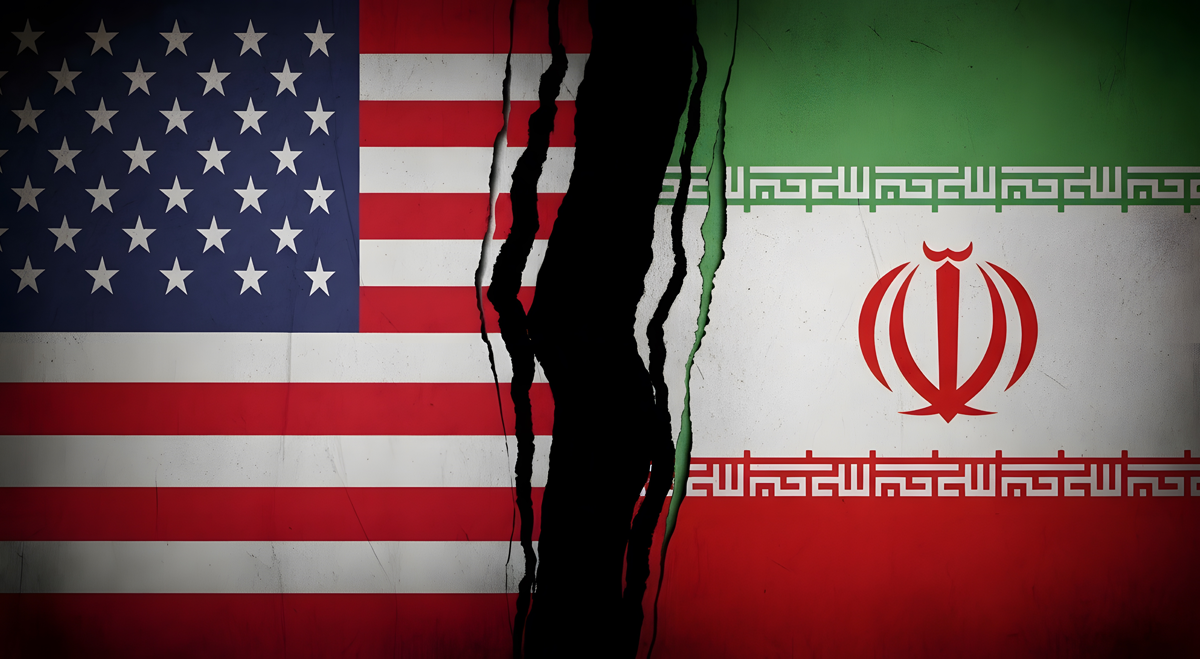
    Investors are navigating a combination of geopolitical uncertainty, corporate developments and central bank policy expectations, with U.S. equity futures showing modest gains after a sharp sell-off on Wall Street. Fresh military exchanges between the United States and Iran remain a major market concern, while Oracle (NYSE:ORCL) faces investor scrutiny after outlining substantial funding requirements for its artificial intelligence expansion. Meanwhile, attention in Europe is firmly on the European Central Bank and its expected interest-rate announcement.

    U.S. Futures Attempt to Recover After Wall Street Sell-Off

    U.S. stock index futures traded higher on Thursday, indicating that markets may attempt to recover some of the losses recorded during the previous session as investors assessed inflation risks and geopolitical developments.

    At 03:13 ET (07:13 GMT), futures linked to the Dow Jones Industrial Average were up 215 points, or 0.4%. S&P 500 futures climbed 38 points, or 0.5%, while Nasdaq 100 futures advanced 230 points, equivalent to 0.8%.

    The prior session was marked by heavy selling pressure. The Dow suffered its steepest decline since October, falling 1.9%, while the Nasdaq Composite dropped 2%. The benchmark S&P 500 lost 1.6%, ending the day at its lowest level in five weeks.

    Market sentiment deteriorated after President Donald Trump warned that Iran would “pay the price!!!” for delaying peace negotiations with Washington. Investors also reacted to renewed military action between the two countries and continuing clashes involving Iran-backed Hezbollah forces in Lebanon.

    At the same time, inflation concerns intensified after U.S. consumer price data accelerated to the strongest pace seen in years, highlighting the inflationary impact of higher energy costs linked to the conflict. Investors are now awaiting producer price figures scheduled for release later on Thursday.

    “With signs of a near-term resolution fading, investors grew more concerned about the stagflationary scenarios again, with bonds and equities selling off on both sides of the Atlantic,” analysts at Deutsche Bank said.

    Questions surrounding the economics of artificial intelligence investments also remained in focus. Shares of Super Micro Computer fell sharply after the company joined a growing list of AI-related businesses seeking significant amounts of new capital, fuelling concerns that some firms may face increasing challenges in financing the infrastructure needed to support future AI growth.

    Military Escalation Continues Between Washington and Tehran

    The conflict between the United States and Iran intensified further as both countries carried out additional strikes for a second consecutive day.

    President Donald Trump warned that more military action could follow if Tehran failed to immediately agree to a peace settlement. According to U.S. Central Command (CENTCOM), American forces targeted several Iranian military installations overnight, describing the operations as “self-defense” after a U.S. helicopter was shot down in the Strait of Hormuz.

    CENTCOM later confirmed that the latest phase of its military campaign against Iran had concluded.

    Media reports indicated that Iran responded with attacks against several U.S. military positions and allied facilities across the Gulf region. Explosions were reportedly heard in Kuwait, Bahrain and Jordan, although independent verification of the reports was not immediately available.

    Oil Prices Reverse Earlier Gains

    Crude oil prices moved lower after initially rallying on the latest military developments, as traders assessed reports suggesting that diplomatic engagement between Washington and Tehran had not completely broken down.

    CNN, citing a diplomatic source, reported that discussions between the two sides continued overnight despite the ongoing conflict.

    By 03:30 ET, Brent crude futures for August delivery were down 0.6% at $92.59 per barrel, while West Texas Intermediate crude futures fell 0.5% to $89.58 per barrel.

    Both benchmarks had risen by more than 2% during Asian trading before surrendering those gains. Investors also monitored claims from Tehran that vessel traffic through the Strait of Hormuz had been halted, an assertion later rejected by U.S. military officials.

    Oil prices had closed nearly 2% higher in the previous session.

    Oracle Shares Decline Despite Earnings Beat

    Oracle (NYSE:ORCL) reported quarterly revenue and earnings that exceeded analyst expectations and also increased its forecast for annual adjusted earnings per share.

    However, the stock moved lower in after-hours trading after management disclosed plans to secure approximately $40 billion in financing during fiscal 2027.

    “[T]his is an OK release with continued robust growth in backlog, and the cash performance wasn’t as bad as feared (thanks to lower capex). But the company is still facing a period of heavy cash outflows as it builds the infrastructure needed to fulfill its backlog, and this will require more debt and equity,” analysts at Vital Knowledge said in a note.

    The company has increasingly focused on cloud infrastructure and data centres designed to support artificial intelligence workloads, while continuing to generate substantial income from its core software businesses. Nevertheless, investors remain concerned about the scale of borrowing required to fund Oracle’s ambitious AI-related expansion plans.

    ECB Expected to Tighten Policy

    In Europe, market participants are awaiting the outcome of the European Central Bank’s latest policy meeting, with a 25-basis-point interest-rate increase widely anticipated.

    If approved, the move would lift the ECB’s deposit rate to 2.25% from 2.0%, marking the central bank’s first rate hike in almost three years.

    Inflation across the eurozone has climbed above 3%, exceeding the ECB’s 2% target and strengthening the case for tighter monetary policy even as economic growth slows.

    Policymakers, however, face the challenge of balancing inflation risks against signs of weakening economic activity across the region.

    “On the activity side, we have already seen a weak batch of German factory orders data for April today, and the risk is that eurozone manufacturing activity data now starts to deteriorate after hoarding/inventory building earlier this year around the uncertainty of the Gulf conflict,” analysts at ING said in a note.

  • Market Open: Wizz Air Earnings Drop, Concurrent Defence Order

    Market Open: Wizz Air Earnings Drop, Concurrent Defence Order

    FTSE 100 rises as investors assess Middle East tensions. Wizz Air earnings fall, Concurrent wins major defence contract, gold climbs.

    Market Overview

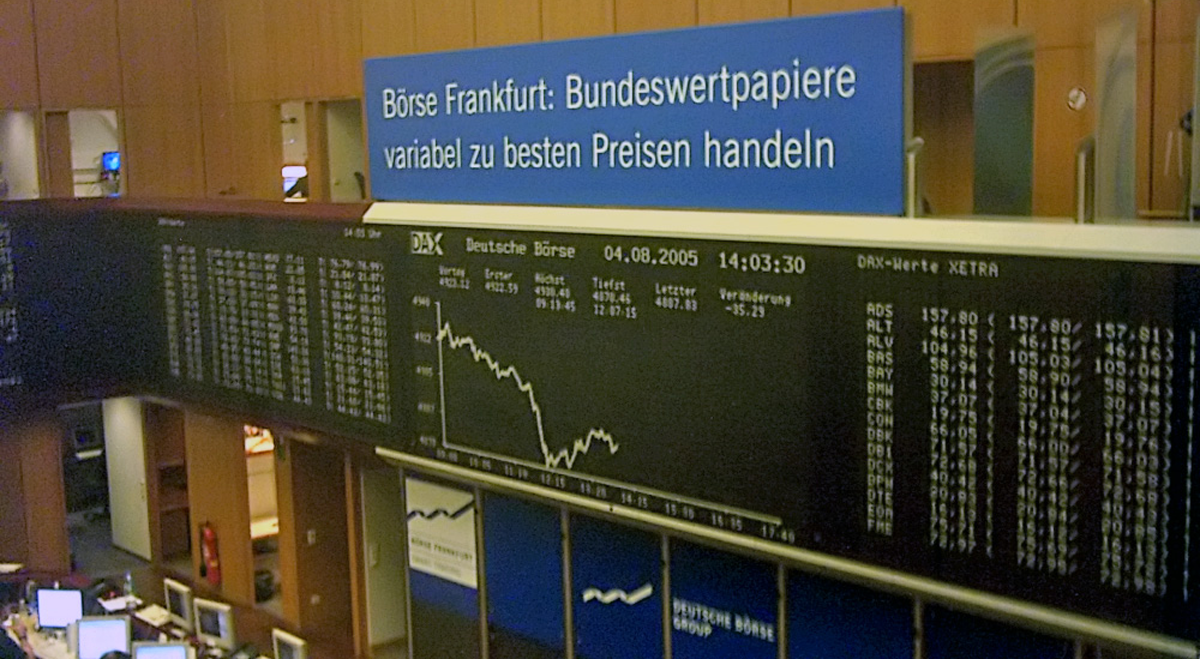
    European markets were mixed as investors weighed the impact of escalating tensions in the Middle East alongside expectations around European Central Bank policy. The FTSE 100 advanced 1.19 per cent to 10,316.29, while the CAC 40 fell 0.51 per cent and the DAX declined 0.97 per cent. In the US, sentiment remained positive, with the Nasdaq rising 1.81 per cent and the S&P 500 gaining 0.84 per cent. Market attention remained focused on developments surrounding Iran, energy security concerns and upcoming central bank decisions.

    Commodity markets reflected the geopolitical backdrop, with gold and copper moving higher while oil markets remained sensitive to developments around the Strait of Hormuz. Natural gas weakened, while Bitcoin strengthened against sterling. Sterling was broadly firmer against the euro and Swiss franc but weaker against the US dollar, Japanese yen, Canadian dollar and Australian dollar as investors balanced risk sentiment against shifting interest-rate expectations.


    Market Numbers

    FTSE 100: Up (1.19%), 10,316.29

    CAC40: Down (-0.51%), 8,161.830

    DAX: Down (-0.97%), 24,195.31

    NASDAQ: Up (1.81%), 28,816.9

    S&P 500: Up (0.84%), 7,319.4


    In the Headlines

    Earnings Pressure – Wizz Air (LSE:WIZZ)

    Wizz Air reported a decline in earnings after taking a £43 million hit linked to disruption caused by the Iran conflict. The results highlight the continuing impact geopolitical events can have on airline operations, costs and profitability.

    Record Defence Contract – Concurrent Technologies (LSE:CNC)

    Concurrent Technologies secured a record £17 million defence order, significantly improving long-term revenue visibility. The contract strengthens the company’s position within defence electronics markets and provides a sizeable contribution to future earnings.


    Currencies (vs GBP)

    USD: Down (-0.18%), $1.3390

    CHF: Up (0.05%), Fr.1.06899

    EUR: Up (0.03%), €1.1586

    JPY: Down (-0.14%), ¥214.928

    AUD: Down (-0.03%), $1.910680

    Bitcoin (BTC/GBP): Up (1.89%), £46,871.9


    Commodities

    Copper: Up (0.64%), 6.28227

    Gold: Up (0.93%), 4,109.25

    Brent Crude: Down (-2.18%), 91.697

    Natural Gas: Down (-1.34%), 3.157

  • European Markets Trade Cautiously Ahead of Expected ECB Rate Increase: DAX, CAC, FTSE100

    European Markets Trade Cautiously Ahead of Expected ECB Rate Increase: DAX, CAC, FTSE100

    European equity markets showed little momentum on Thursday as investors remained on the sidelines ahead of a widely expected interest-rate decision from the European Central Bank, while escalating tensions between the United States and Iran continued to weigh on sentiment.

    The pan-European STOXX 600 was broadly unchanged at the open after falling to its lowest level in more than three weeks during the previous session. London’s FTSE 100 gained 0.2% after touching its weakest level since late March on Wednesday. Germany’s DAX slipped 0.1%, remaining near three-week lows, while Italy’s FTSE MIB advanced 0.4%.

    Markets Prepare for ECB Tightening

    The ECB is expected to increase its benchmark deposit rate by 25 basis points to 2.25% when it announces its policy decision at 1215 GMT. If implemented, the move would represent the central bank’s first interest-rate hike since 2023 and signal a continued commitment to controlling inflation despite softer economic growth across the region.

    Investors face a challenging backdrop as tighter monetary policy coincides with elevated energy prices. Higher borrowing costs could reduce corporate investment and consumer spending, while rising fuel and utility costs threaten profitability across a range of industries, particularly energy-intensive sectors.

    Expectations of a rate increase have also led markets to reduce forecasts for ECB rate cuts later this year, removing a key source of support that had helped European equities in recent months.

    Government bond yields across the eurozone remained elevated ahead of the announcement, further limiting appetite for risk assets.

    “How far ECB President Christine Lagarde goes during the press conference towards underpinning existing expectations for a fully priced follow-up move in September is the key issue,” Sam Hill, head of market insights at Lloyds Bank said.

    “She won’t want to fully commit to it so far in advance, but equally don’t look for her to try too hard to try and dissuade markets from where they are already at.”

    Geopolitical Tensions Continue to Influence Markets

    Concerns surrounding the Middle East remained a major focus after a second consecutive day of military exchanges between the United States and Iran. President Donald Trump warned that additional military action could be taken if Tehran failed to agree to an immediate peace arrangement.

    The renewed conflict has weakened hopes for a diplomatic resolution and reversed some of the optimism that had recently supported global markets. Investors remain concerned that a prolonged confrontation could disrupt energy supplies from the region and reignite inflationary pressures at a time when central banks are still attempting to bring price growth under control.

    Corporate Movers

    Among individual stocks, Hugo Boss AG NA O.N. (TG:BOSS) surged around 8% after Frasers Group PLC (LSE:FRAS) launched a €2 billion takeover proposal for the German fashion company.

    Wizz Air Holdings PLC (LSE:WIZZ) gained approximately 3% after reporting annual profit that exceeded analyst expectations.

    Meanwhile, software giant SAP SE (TG:SAP) declined nearly 3%, making it one of the weaker performers in the European market.

  • FTSE 100 Edges Higher as Markets Look Past Middle East Escalation Ahead of ECB Decision

    FTSE 100 Edges Higher as Markets Look Past Middle East Escalation Ahead of ECB Decision

    UK equities traded modestly higher on Thursday, with investors showing resilience despite a second night of U.S. military strikes against Iran and retaliatory attacks across the Gulf. Market attention also remained firmly focused on the European Central Bank, which is due to announce its latest interest-rate decision later in the day.

    The FTSE 100 advanced 0.49% by 03:25 ET (07:25 GMT). Elsewhere in Europe, Germany’s DAX slipped 0.11%, while France’s CAC 40 gained 0.41%. Sterling strengthened 0.14% against the U.S. dollar to trade at $1.3388.

    Energy markets were relatively stable despite the geopolitical tensions. Brent crude traded broadly unchanged at around $93 per barrel, while WTI crude held near $90.01 per barrel. Gold prices continued to attract safe-haven flows, with spot gold rising 0.90% to $4,107.87 per troy ounce.

    Middle East Conflict Remains Key Market Risk

    Geopolitical developments continued to dominate investor sentiment after U.S. President Donald Trump warned Iran that it would “pay the price” for delays in negotiations over a nuclear agreement.

    The warning followed confirmation from U.S. Central Command (CENTCOM) that American forces had carried out a second consecutive night of strikes targeting Iranian military surveillance infrastructure, communications systems and air defence positions.

    “U.S. Marine Corps, Air Force, and Navy assets fired precision munitions on Iranian targets that posed a threat to U.S. forces and international commercial ships transiting regional waters,” CENTCOM said in a statement.

    Speaking to Fox News, Trump said the U.S. military had launched 49 Tomahawk missiles against a series of targets, including locations approximately 40 miles from Tehran. He also suggested that additional military action could follow should Iran reject a proposed agreement.

    Iran responded with missile attacks across the region. The Islamic Revolutionary Guard Corps said it had launched 12 ballistic missiles at Jordan’s Al-Azraq Air Base and claimed to have targeted U.S. military facilities in Kuwait and Bahrain.

    Authorities in Bahrain activated air raid sirens and confirmed that air defence systems had intercepted incoming aerial threats. Local officials reported that an 11-year-old girl sustained minor injuries from falling debris. Kuwait temporarily suspended air traffic before subsequently reopening its airspace.

    During a visit to CENTCOM headquarters in Tampa, Florida, U.S. Defence Secretary Pete Hegseth said intelligence gathering and targeting efforts during the ceasefire period had advanced “in a way that are far, far beyond even the beginning of Operation Epic Fury.”

    Iran’s Khatam al-Anbiya Central Headquarters claimed that the Strait of Hormuz had been closed to oil tankers and commercial vessels. CENTCOM disputed the assertion, stating that commercial ships were “continuing to transit in and out of the Strait of Hormuz.”

    Andreas Lipkow, Chief Market Analyst at CMC Markets, said developments in the region “continue to represent the dominant external risk factor for financial markets,” adding that “the situation in the Middle East remains complex and uncertain.”

    Meanwhile, U.S. Vice President JD Vance suggested that Washington and Israel were not always fully aligned on strategy. Speaking to CBS News, he said Israeli Prime Minister Benjamin Netanyahu had “certainly gotten some things wrong” in his handling of the Iran crisis.

    UK Corporate Highlights

    Primark strengthened preparations for its planned separation from Associated British Foods (LSE:ABF) by appointing Lucy Slinger as chief financial officer, enhancing the retailer’s leadership team ahead of its expected standalone future.

    Intertek Group (LSE:ITRK) announced that EQT has been granted until 18 June to decide whether to proceed with a formal £9.4 billion takeover offer, potentially paving the way for one of the largest UK private equity transactions in recent years.

    Wizz Air (LSE:WIZZ) reported annual operating profit of €139.7 million, exceeding market expectations despite disruptions linked to tensions in the Middle East. However, the airline declined to provide guidance for the 2027 financial year, citing continued uncertainty surrounding the operating environment.

  • GSK Makes $10.6 Billion Oncology Bet With Nuvalent Acquisition to Accelerate Cancer Expansion (GSK)

    GSK Makes $10.6 Billion Oncology Bet With Nuvalent Acquisition to Accelerate Cancer Expansion (GSK)

    GSK (LSE:GSK) has agreed its largest-ever acquisition, a $10.6 billion purchase of U.S.-based biotechnology company Nuvalent, as the pharmaceutical group seeks to accelerate the rebuilding of its oncology business and strengthen its position against industry leaders such as AstraZeneca and Roche.

    The transaction, internally known as Project Nashville, will add two late-stage lung cancer therapies to GSK’s pipeline, both of which could receive regulatory approval in the United States later this year. The company expects the acquisition to be completed during the third quarter.

    The move aligns closely with the strategy of Chief Executive Officer Luke Miels, who took over at the start of 2026 and has identified oncology as a key area for long-term growth. GSK exited the sector a decade ago as part of a more than $16 billion asset swap with Novartis, and the company has spent recent years rebuilding its presence in cancer treatment through targeted acquisitions and licensing agreements.

    Beyond expanding its oncology footprint, the acquisition is expected to help offset future revenue pressures associated with the loss of exclusivity on HIV treatments, particularly dolutegravir, later this decade. Analysts estimate GSK’s pharmaceutical sales will reach approximately £34 billion ($45.53 billion) this year.

    The Nuvalent transaction follows a series of smaller oncology investments, including the $5.1 billion acquisition of Tesaro in 2018, the nearly $2 billion purchase of Sierra Oncology and several multi-billion-dollar licensing agreements.

    “Our strategy has been a brick-by-brick building approach,” Miels told a group of journalists on Tuesday after the Nuvalent deal was announced.

    A Significant Step in GSK’s Oncology Rebuild

    Industry observers view the acquisition as a major milestone in GSK’s return to oncology.

    James Eugene, an analyst at GSK shareholder Verso Investment Management, described Nuvalent as “a very large brick” in the company’s broader oncology strategy.

    Other investors echoed that assessment.

    “The scale is obviously much larger than what GSK has done historically,” said Elena Meng, portfolio manager at Gabelli Funds, which holds U.S.-listed GSK depositary receipts, adding the oncology strategy itself was established.

    “What’s new is the size of the commitment.”

    According to a person familiar with the transaction, several pharmaceutical companies had shown interest in Nuvalent, helping to explain the roughly 40% premium paid over the biotech firm’s closing share price prior to the announcement.

    The source said Nuvalent had attracted attention from large drugmakers for at least 18 months because it was one of a limited number of biotechnology companies with late-stage oncology assets approaching potential regulatory approval.

    Rebuilding After an Earlier Exit

    For some investors, GSK’s renewed focus on oncology represents a reversal of a strategic decision made in 2015 under former CEO Andrew Witty, when the company chose to leave the sector and concentrate on vaccines, respiratory medicines and consumer healthcare.

    The process of returning to oncology began under Emma Walmsley, who became chief executive in 2017 and initiated a series of acquisitions aimed at rebuilding the franchise.

    “It was definitely a mistake in 2015 to sell the oncology franchise,” Markus Manns, portfolio manager at GSK shareholder Union Investment, said.

    Manns believes the Nuvalent assets offer a lower-risk opportunity capable of generating peak annual sales of between $3 billion and $4 billion, helping to compensate for future declines in HIV-related revenues. He also sees the deal as supporting GSK’s ambition to achieve £40 billion in annual sales by 2031.

    Competing in a Crowded Oncology Market

    While GSK has no ambition to match the breadth of oncology portfolios maintained by Merck, AstraZeneca or Roche, management sees significant growth opportunities in selected cancer markets. The addition of Nuvalent strengthens that strategy through two advanced lung cancer treatments targeting ROS1-positive and ALK-positive mutations.

    “A specialty business without an oncology component is not a complete proposition,” the drugmaker’s chief scientific officer Tony Wood told Reuters before the deal.

    The company will now need to demonstrate that the therapies can compete effectively against established treatments marketed by Pfizer and Roche, while also proving favourable tolerability profiles for patients.

    Analysts at Barclays said the acquisition appeared strategically sound but noted that neither therapy currently appears to have “mega blockbuster” status.

    GSK believes the opportunity could be larger than headline patient numbers suggest if the treatments enable younger and more active patients to remain on therapy for extended periods with fewer side effects than existing options.

    Nevertheless, some investors believe further acquisitions may be required for GSK to become a major force in oncology.

    “GSK is playing catchup,” said Ketan Patel, fund manager at London-based family investment office Whitefriars, referring to the leadership positions held by Roche and Merck.

    “I think they are way behind and unlikely to catch up to those names, and will in all probability have to pay up to play in the same arena.”

  • Wizz Air Expands Network and Passenger Numbers as Higher Costs Erode Profitability

    Wizz Air Expands Network and Passenger Numbers as Higher Costs Erode Profitability

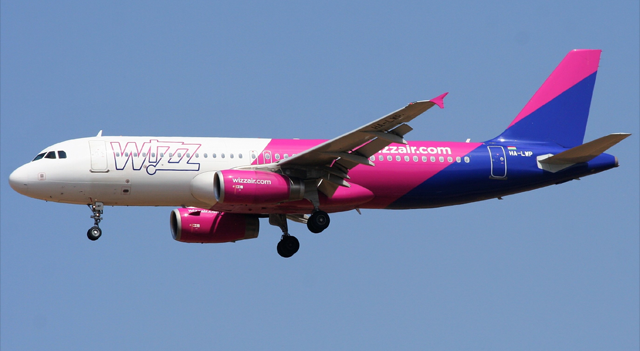
    Wizz Air (LSE:WIZZ) reported continued growth across its operations during the 2026 financial year, increasing its fleet to 262 aircraft and carrying a record 69.7 million passengers. Despite the strong expansion in capacity and traffic, profitability was significantly impacted by rising costs, with net profit falling to €1.3 million from €213.9 million in the previous year.

    Group revenue increased 8% to €5.69 billion, supported by higher seat capacity and stable load factors across the network. However, rising expenses related to aircraft depreciation, maintenance, crew costs and regulatory requirements placed substantial pressure on margins. While fuel unit costs declined and operational performance improved, management said broader cost inflation and geopolitical challenges continued to weigh on earnings.

    The airline strengthened its financial position during the year, increasing total cash reserves by 22.5% to €2.1 billion while slightly reducing net debt. Wizz Air also repaid a €500 million bond using internal resources, reflecting the strength of its liquidity position. Operationally, the company improved punctuality and reduced disruption-related costs as the number of aircraft grounded for Pratt & Whitney GTF engine inspections declined.

    Strategically, Wizz Air continued to reshape its network by closing its Abu Dhabi base and scaling back operations in Vienna to concentrate resources on its core Central and Eastern European markets. This approach helped lift its regional market share to 25.3% and maintain its position as the leading airline by seat capacity across the region. The company also reported further reductions in carbon emissions per passenger kilometre, despite facing revenue and ancillary income pressures caused by route suspensions linked to ongoing conflicts in the Middle East.

    Wizz Air’s outlook is supported by improving profitability trends, recovering free cash flow and an attractive valuation based on earnings multiples. However, these positives are balanced against weak technical indicators, with the share price trading below key moving averages and showing negative momentum. Management also highlighted several execution risks, including breakeven profit guidance, pressure on unit revenues and ongoing transitional cost headwinds as the business continues to adapt to changing market conditions.

    More about Wizz Air Holdings

    Wizz Air Holdings is a European ultra-low-cost airline focused primarily on Central and Eastern Europe, while also serving key destinations across the wider continent. The company operates one of Europe’s youngest fleets and targets value-conscious travellers through a low-cost operating model built on high aircraft utilisation, dense seating configurations and a broad range of ancillary services designed to complement ticket revenues.

  • M&C Saatchi Remains on Course as Specialist Growth Counters Challenging Market Conditions

    M&C Saatchi Remains on Course as Specialist Growth Counters Challenging Market Conditions

    M&C Saatchi (LSE:SAA) said trading during the first four months of the year has progressed in line with market expectations, with like-for-like net revenue performance supporting confidence in its full-year outlook. The company reported that strong momentum in its higher-margin Issues and Media divisions is helping to offset a more difficult trading environment across the broader market.

    Recent client wins have contributed to the positive performance, with new business secured from organisations including UNICEF, Ras Al Khaimah Tourism Development Authority, RAC Motoring Service and Brand USA. Management believes these additions reflect the strength of the group’s specialist capabilities and support future revenue growth opportunities.

    Executive Chair Dame Heather Rabbatts said the company remains focused on increasing both net revenue and operating margins throughout the year. Alongside growth initiatives, M&C Saatchi continues to streamline its operations and refine its go-to-market strategy in an effort to improve efficiency and enhance long-term value creation.

    The company also highlighted its objective of unlocking intrinsic shareholder value and delivering sustainable returns, supported by its ongoing share buyback programme. Management acknowledged that macroeconomic uncertainty and geopolitical challenges remain present but said the group remains well positioned to navigate the current environment.

    M&C Saatchi’s outlook reflects a mixed financial picture. A stronger balance sheet and improved recent free cash flow provide support, although these positives are balanced against declining revenue, fluctuating profitability, a reported net loss in 2025 and pressure on gross margins. Technical indicators offer modest encouragement due to recent share price strength relative to shorter-term averages, though the longer-term trend remains less convincing. Valuation metrics are also constrained by the company’s loss-making status, with dividend income providing only partial mitigation.

    More about M&C Saatchi plc

    M&C Saatchi is a London-based creative solutions company focused on helping brands expand their reach and unlock growth opportunities. Operating through a regional-first business model, the group offers expertise across five core specialisms: Advertising, Issues, Passions, Consulting and Media. The company serves clients globally through major operations in the UK, Europe, the Middle East, Asia-Pacific and the Americas.

  • Predator Oil & Gas Progresses Trinidad Production Plans While Advancing Morocco and Ireland Assets

    Predator Oil & Gas Progresses Trinidad Production Plans While Advancing Morocco and Ireland Assets

    Predator Oil & Gas (LSE:PRD) has provided an operational update highlighting progress across its portfolio, with activity centred on preparations for the Snowcap-3 well in Trinidad. The company said long-lead equipment procurement, site logistics and service contracts are advancing, while 1,200 barrels of storage capacity are being transported to the location ahead of drilling operations.

    Snowcap-3 will initially target the Herrera #8 Sand and is forecast to deliver test production of up to 500 barrels of oil per day. Management estimates the well could generate an operating net-back of approximately $52 per barrel, significantly higher than the returns currently achieved from the company’s entitlement production in Trinidad.

    The additional storage capacity is also expected to support intervention work at the Snowcap-2ST1 and Jacobin-1 wells, potentially providing incremental production gains. During April, Predator recorded entitlement sales of 2,289 barrels at an average realised price of $83.34 per barrel, generating a net-back of $31.9 per barrel under existing contractual arrangements. The company’s near-term objective is to increase production and cash flow from the Cory Moruga licence, with a successful Snowcap-3 outcome potentially adding around 6,000 barrels per month and supporting future reserves-based lending options for its Morocco operations.

    In Morocco, an independent technical resources assessment of the planned MOU-6 well has improved management’s view of the project’s risk-reward profile. The report supports a revised well design and testing programme intended to address operational challenges encountered previously. As a result, the company believes substantial pre-drill farm-out transactions may be less attractive than before and is evaluating a lower-capital pilot compressed natural gas (CNG) or micro-LNG development strategy to demonstrate gas commercialisation potential. Successful drilling and testing could enhance the value of both prospective and contingent resources across the project.

    Predator expects key long-lead equipment for MOU-6 to be available by early August, while environmental approval is anticipated in July. The well is expected to be drilled to a depth of approximately 950 metres, reinforcing the company’s commitment to advancing the Moroccan project.

    In Ireland, the group is working to satisfy financial requirements ahead of the 30 September 2026 deadline for securing a successor authorisation over the Corrib South area. Management views the asset as a strategically important opportunity that could contribute to future gas storage solutions and help extend the operational life and energy security benefits associated with existing Corrib infrastructure.

    Predator’s outlook remains constrained by weak financial performance, including substantial losses, negative margins and ongoing cash outflows, despite stronger revenues and a relatively low-debt balance sheet. Technical indicators remain broadly neutral, with modest support from underlying trends, while valuation metrics continue to be affected by the company’s loss-making status and the absence of dividend payments.

    More about Predator Oil & Gas Holdings Plc

    Predator Oil & Gas Holdings Plc is a Jersey-based oil and gas company with producing assets and development projects in Trinidad and Morocco, alongside a strategic gas asset in Ireland. The company focuses on onshore oil production in Trinidad, gas appraisal and monetisation opportunities in Morocco, and the development of potential gas storage and energy security solutions linked to Ireland’s Corrib gas infrastructure.

  • European Markets Retreat as Rising US-Iran Tensions Weigh on Sentiment: DAX, CAC, FTSE100

    European Markets Retreat as Rising US-Iran Tensions Weigh on Sentiment: DAX, CAC, FTSE100

    Geopolitical Escalation Pressures European Equities

    European equity markets traded lower on Wednesday as investors reacted to a fresh escalation in tensions between the United States and Iran.

    The latest deterioration in relations followed Iranian strikes on U.S. military facilities in Jordan and Bahrain. The attacks came after Washington launched military operations against Iran in response to the downing of an American helicopter by Tehran.

    The renewed conflict has added to uncertainty across global markets, prompting investors to adopt a more cautious stance.

    ECB Meeting Looms Over Markets

    Attention is also turning to Thursday’s European Central Bank policy meeting.

    Economists widely expect the ECB to raise interest rates as policymakers grapple with the inflationary impact of sharply higher energy prices resulting from the Middle East conflict.

    Investors will be watching closely for any signals regarding the future path of monetary policy and the central bank’s assessment of economic risks.

    Major European Indices Move Lower

    The geopolitical backdrop weighed on major European benchmarks.

    Germany’s DAX Index declined 0.7%, while France’s CAC 40 Index fell 0.3%.

    In London, the FTSE 100 Index slipped 0.2% as investors balanced concerns over geopolitical developments and interest rate expectations.

    Systemair Surges After Strong Results

    Among individual stocks, Systemair (TG:52SA) was one of the standout performers.

    Shares in the Swedish ventilation specialist climbed sharply after the company reported fourth-quarter revenue and profit figures that exceeded market forecasts.

    The results boosted investor confidence in the company’s operational performance and growth outlook.

    WHSmith Slides Following Profit Warning

    At the other end of the market, WHSmith (LSE:SMWH) came under significant pressure.

    The British travel retailer saw its shares tumble after lowering its annual profit forecast for the second time this year, raising concerns about trading conditions and earnings momentum.

    The latest downgrade added to investor worries surrounding the company’s near-term outlook.

    More about European Markets

    European equities continue to be heavily influenced by geopolitical developments, central bank policy decisions and energy market volatility. With the ECB meeting approaching and Middle East tensions intensifying, investors remain focused on inflation risks, interest rates and the potential impact on economic growth across the region.

  • Markets Await Inflation Data and Oracle Results as U.S.-Iran Tensions Escalate: Dow Jones, S&P, Nasdaq, Wall Street Futures

    Markets Await Inflation Data and Oracle Results as U.S.-Iran Tensions Escalate: Dow Jones, S&P, Nasdaq, Wall Street Futures

    U.S. stock futures edged lower on Wednesday as investors reacted to renewed military activity involving the United States and Iran, while also preparing for a key inflation report and earnings from software giant Oracle (NYSE:ORCL).

    The latest developments come as markets continue to assess the broader implications of geopolitical tensions in the Middle East, rising energy prices and growing scrutiny of the artificial intelligence sector.

    Futures Drift Lower

    Ahead of the opening bell, futures tied to major U.S. indices were trading in negative territory. Dow Jones futures slipped 0.2%, while S&P 500 and Nasdaq 100 futures declined 0.3% and 0.5%, respectively.

    The move followed a mixed session on Wall Street, where technology stocks once again came under pressure. Semiconductor names including Nvidia, Micron, Intel and Qualcomm all posted losses as investors reassessed expectations surrounding AI-related growth.

    Middle East Conflict Remains a Key Market Driver

    Investor attention remained firmly focused on the Middle East after the United States carried out additional strikes against Iranian targets in response to an attack on a U.S. military helicopter near the Strait of Hormuz.

    President Donald Trump said the U.S. “must, of necessity, respond,” while Iran denied responsibility for the incident and warned that any military action would be met with retaliation.

    According to U.S. Central Command, the strikes targeted Iranian radar installations and air defence systems. Meanwhile, Israel continued operations against Hezbollah-linked targets in southern Lebanon.

    Despite the latest exchange, investors continue to hope that diplomatic efforts could eventually lead to a broader de-escalation and the reopening of the Strait of Hormuz, a crucial route for global oil shipments.

    Inflation Figures Could Influence Interest Rate Expectations

    The upcoming U.S. consumer price index report is expected to be one of the day’s most important market events.

    Higher energy prices have fuelled concerns that inflationary pressures could intensify, potentially forcing central banks to maintain restrictive monetary policies for longer.

    A stronger-than-expected inflation reading would likely reinforce expectations that the Federal Reserve could tighten policy further before the end of the year, especially after last week’s robust labour market data.

    Anthropic Expands Access to Advanced AI Technology

    Artificial intelligence company Anthropic announced the release of Claude Fable 5, an updated version of its “Mythos-class” AI model.

    The original Mythos system was unveiled earlier this year but was not made publicly available because of concerns over potential misuse. The new version includes additional safeguards designed to prevent harmful applications while maintaining advanced capabilities.

    Anthropic said the model performs strongly across a wide range of tasks, including software engineering, scientific analysis, visual reasoning and knowledge-based work.

    Oracle Earnings in the Spotlight

    Investors will also closely monitor Oracle’s quarterly results after markets close.

    The report is expected to provide further insight into demand for AI-related infrastructure and cloud services. Recent developments in the technology sector have raised questions about whether companies can continue funding the massive investment required for next-generation AI systems and data centres.

    Analysts at Evercore ISI remain optimistic.

    “[w]hile we believe a higher capex guide could limit upside coming away from the [fiscal fourth-quarter] print, we continue to believe that the risk/reward skews positively,” analysts at Evercore ISI said in a note.

    “In our view, delivering ‘clean’ [fiscal fourth-quarter] results, a reiteration of revenue acceleration into FY27/FY28, and providing visibility into the previously disclosed equity raise could ultimately serve as a clearing event for the shares heading into the summer.”

    More about Oracle

    Oracle is a leading global provider of enterprise software, cloud infrastructure and database solutions. The company has become a key participant in the AI ecosystem through investments in cloud computing, large-scale data centres and technologies that support advanced artificial intelligence applications.