Category: Top Story

  • FTSE 100 Slips as UK Housing Weakness and Middle East Tensions Weigh on Sentiment

    FTSE 100 Slips as UK Housing Weakness and Middle East Tensions Weigh on Sentiment

    UK equities traded lower on Friday as investors digested fresh signs of softness in the housing market while keeping a close watch on escalating geopolitical risks in the Middle East.

    The latest Halifax House Price Index showed that average UK property prices declined for a second consecutive month in May, falling 0.1% to £298,806. Annual growth remained subdued at just 0.5%, highlighting ongoing pressure on the residential property sector.

    European Markets Open on the Back Foot

    By 03:20 ET (07:20 GMT), the FTSE 100 was down 0.23%, while sterling traded little changed against the US dollar at 1.3439, up 0.08%.

    Across Europe, Germany’s DAX fell 0.34%, while France’s CAC 40 lost 0.07%, reflecting broader investor caution.

    Housing Market Continues to Face Affordability Pressures

    The Halifax report pointed to persistent challenges for homebuyers, with elevated borrowing costs continuing to limit affordability.

    Amanda Bryden, Head of Mortgages at Halifax, said “property price trends continue to reflect the uncertainty linked to developments in the Middle East,” adding that “higher inflation expectations have kept borrowing costs above the level seen at the start of the year, continuing to stretch affordability for many buyers.”

    Regional disparities remained evident across the UK housing market. Northern Ireland recorded the strongest annual price growth at 7.8%, while London saw prices decline 1.5% to £534,375. South East England also experienced a notable fall, with values dropping 2.1% to £382,704.

    Oil Market Jitters Add to Investor Concerns

    Housing data arrived amid renewed volatility in energy markets, with Brent crude trading near $95 per barrel and heading for a weekly gain exceeding 3%.

    The rise followed an explosion near Oman’s Mina al Fahal oil terminal, which temporarily disrupted loading operations at the country’s main crude export facility. If maintained through the end of the trading week, Brent’s advance would end a two-week losing streak.

    Oman’s state news agency later reported that operations had resumed normally, citing Petroleum Development Oman, although authorities did not provide details regarding the cause of the incident.

    Reuters had previously reported that the explosion near the terminal’s offshore loading facilities was believed to have resulted from a drone attack.

    Strait of Hormuz Remains in Focus

    Energy traders continue to monitor developments around the Strait of Hormuz, a critical route for global oil exports.

    According to data from Lloyd’s List, Iranian crude exports fell 84% in May compared with the previous month and were 87% below their average level over the past year, reflecting increased US pressure on Tehran’s shipping activities.

    Iranian parliament deputy speaker Hamidreza Haji-Babaei said lawmakers had reviewed plans governing vessel traffic through the strategic waterway and indicated that a “powerful resolution” would be approved, although no further details were provided.

    Diplomatic Progress Remains Limited

    On the diplomatic front, Iranian Foreign Minister Abbas Araghchi said that “no tangible progress” had been achieved in talks with Washington, though communication channels between the two sides had not been completely severed.

    Araghchi also dismissed comments by US President Donald Trump regarding a possible meeting with Iran’s supreme leader Mojtaba Khamenei, saying the matter should be viewed “in the real world.”

    Speaking from the Oval Office on Thursday, Trump revealed that he had considered deploying special operations forces to secure Iran’s stockpile of highly enriched uranium but ultimately rejected the proposal due to the risks associated with a prolonged military operation inside an active conflict zone.

    Lebanon Ceasefire Efforts Face New Obstacles

    Meanwhile, prospects for stability in Lebanon appeared to deteriorate further.

    The fragile ceasefire framework brokered with US involvement suffered a setback after Hezbollah leader Sheikh Naim Qassam firmly rejected the proposal, describing the agreement as “a roadmap for the destruction of part of the Lebanese people.”

    His comments added to concerns that efforts to reduce tensions across the region may face significant obstacles in the weeks ahead, leaving markets sensitive to further geopolitical developments.

  • Raspberry Pi Upgrades Full-Year Expectations Following Strong First-Half Performance (RPI)

    Raspberry Pi Upgrades Full-Year Expectations Following Strong First-Half Performance (RPI)

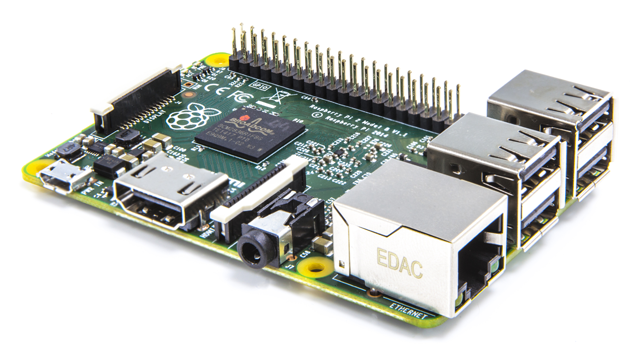
    Raspberry Pi Holdings plc (LSE:RPI) has raised its outlook for the 2026 financial year after delivering a strong first-half trading performance driven by robust demand across its computing platform portfolio. The company said it expects to ship more than 4 million units during the first six months of the year, reflecting continued momentum across its core markets.

    The Cambridge-based technology group also expects adjusted EBITDA for the first half to reach at least US$38 million, representing a substantial improvement on the corresponding period in FY 2025.

    Product mix and inventory benefits support profitability

    Management attributed the stronger-than-expected performance to a favourable product mix and the benefit of lower-cost DRAM inventory acquired before memory market conditions tightened.

    As a result, Raspberry Pi now expects full-year 2026 EBITDA to come in significantly ahead of current market forecasts. While the company anticipates some moderation in margins as memory prices increase, it believes overall profitability will remain stronger than previously expected.

    The updated guidance reflects confidence in both demand trends and the company’s ability to manage supply chain dynamics effectively.

    Strategic inventory purchases planned

    To support future growth and mitigate the impact of rising memory costs, Raspberry Pi intends to utilise its available debt facilities to secure strategic memory purchases. Management believes this approach will help protect product availability, support competitive pricing and create opportunities to expand market share.

    The company sees proactive inventory management as an important advantage in a market where memory pricing can have a significant impact on manufacturing costs and margins.

    Broad customer base continues to drive growth

    Raspberry Pi serves a diverse customer base that includes industrial and embedded system developers, educators, hobbyists and semiconductor partners. Its combination of affordability, reliability and performance has enabled the company to establish a strong presence across multiple computing segments.

    To date, the business has shipped more than 73 million units globally, demonstrating the broad appeal of its platforms across both professional and enthusiast markets.

    Strong fundamentals offset by premium valuation

    The company’s outlook continues to be supported by strong revenue growth, a healthy balance sheet and relatively low leverage. Technical indicators also remain favourable, reflecting sustained positive momentum in the share price.

    However, investors may remain mindful of cash flow volatility and the company’s demanding valuation. Raspberry Pi trades on a relatively high earnings multiple, which could limit upside if future growth falls short of expectations. Despite these considerations, the company’s operational performance and upgraded guidance continue to underpin a positive fundamental outlook.

    More about Raspberry Pi Holdings plc

    Raspberry Pi Holdings plc is a Cambridge-based technology company that develops low-cost, high-performance computing platforms for engineers, developers, educators and enthusiasts. Operating as a full-stack engineering organisation, the company combines expertise in semiconductor intellectual property, hardware design, software development and regulatory compliance. Its products serve industrial and embedded applications, education markets and semiconductor customers worldwide, with cumulative unit shipments exceeding 73 million.

  • STV Raises Near-Term Advertising Expectations on World Cup Demand While Warning on Market Conditions (STVG)

    STV Raises Near-Term Advertising Expectations on World Cup Demand While Warning on Market Conditions (STVG)

    STV Group (LSE:STVG) has upgraded its short-term advertising outlook after first-quarter performance exceeded expectations and demand linked to the FIFA Men’s World Cup strengthened booking activity for the second quarter.

    The broadcaster reported a 4% decline in total advertising revenue during the first quarter, an improvement on previous guidance, with growth in digital advertising helping offset broader market weakness. Looking ahead, STV expects advertising revenue in the second quarter to increase by approximately 10%, supported by heightened audience engagement around the World Cup tournament.

    As a result, the company now anticipates first-half advertising revenue will rise by around 4% overall.

    Studios division faces challenging commissioning environment

    While advertising trends have improved, conditions remain difficult for STV Studios. The production business is expected to report an adjusted operating loss of approximately £3 million in the first half as commissioning activity across the industry remains subdued.

    Management continues to implement cost-saving measures to mitigate the impact of lower production volumes and has secured regulatory approval from Ofcom to maintain its regional news service. The company is also pursuing new revenue opportunities through product innovation and platform expansion.

    New initiatives support long-term growth plans

    STV highlighted encouraging early performance from several strategic initiatives designed to diversify revenue streams and strengthen its advertising offering.

    Among these is STV Adapt, the group’s AI-powered addressable advertising platform, alongside new commercial formats such as pause advertisements. The company also pointed to the launch of STV Radio in January as part of its broader expansion beyond traditional television broadcasting.

    On the content production side, STV Studios has secured new commissions, including an unscripted programme for Hulu, owned by Disney, and a returnable drama series for Irish broadcaster RTE. These projects are expected to contribute to future production revenues and help broaden the division’s commissioning pipeline.

    Cautious outlook maintained for second half

    Despite the expected World Cup-related boost, management remains cautious about trading conditions later in the year. Advertising and television commissioning markets continue to be affected by economic and geopolitical uncertainty, limiting visibility beyond the near term.

    The company noted that several important commissioning decisions are expected during the third quarter. The outcome of these discussions could have a significant impact on STV Studios’ revenue performance and profitability through 2027.

    Financial and technical indicators remain mixed

    STV’s outlook continues to be affected by weaker financial performance, including a loss reported during 2025 and softer cash flow generation. Balance-sheet considerations also remain important, with negative equity and rising debt levels increasing financial risk.

    Technical indicators provide little encouragement, with the shares trading below key moving averages and momentum measures such as MACD remaining negative. The principal valuation support comes from the company’s high dividend yield, although the presence of a negative price-to-earnings ratio limits the usefulness of traditional earnings-based valuation metrics.

    More about STV Group plc

    STV Group plc is a UK media company operating across television broadcasting, digital advertising and content production. Through its STV Studios division, the group develops and produces both scripted and unscripted programming for UK and international audiences. In addition to its public service broadcasting activities, STV is investing in digital advertising technology, radio and other media platforms as part of a strategy to diversify revenue sources and support long-term growth.

  • Defence Holdings Identified in Proposed UK Ministry of Defence Technology Contract (ALRT)

    Defence Holdings Identified in Proposed UK Ministry of Defence Technology Contract (ALRT)

    Defence Holdings PLC (LSE:ALRT) has confirmed that it has been named in a UK Government Transparency Notice relating to a proposed contract with the Ministry of Defence. The potential engagement centres on the testing of an advanced intelligence platform designed to combine open-source and classified information into a unified decision-support environment.

    The platform is intended to help users generate potential courses of action and enable faster, human-controlled responses across a range of operational domains, including cyber operations, information activities and supply-chain resilience.

    Trial contract would support platform evaluation

    According to the published notice, the proposed contract carries a value of approximately £226,000 and would cover a three-month testing programme. Any award remains subject to the completion of standard procurement procedures and formal government approvals.

    Although relatively modest in financial terms, the project would provide an opportunity for Defence Holdings to demonstrate the capabilities of its software platform within a defence environment and potentially build relationships with key stakeholders across the UK security sector.

    Opportunity highlights focus on digital defence technologies

    The proposed work reflects the growing emphasis on software-driven intelligence and decision-support systems within modern defence operations. By integrating multiple intelligence sources into a single platform, the technology aims to improve situational awareness and accelerate decision-making while maintaining human oversight of operational actions.

    For Defence Holdings, involvement in the programme could enhance its profile as a provider of sovereign digital capabilities and strengthen its position within the evolving defence technology market.

    Financial challenges remain despite positive contract news

    The company’s outlook continues to be influenced by significant financial pressures, including negative shareholder equity and ongoing cash flow challenges. These factors remain among the most important considerations for investors assessing the business.

    Technical indicators also point to a cautious near-term picture, with bearish momentum signals weighing on sentiment. However, recent corporate developments, including the potential Ministry of Defence engagement, provide a more positive backdrop and may support future strategic progress. The absence of conventional valuation measures further complicates assessments of the company’s market value.

    More about Defence Holdings

    Defence Holdings PLC is a UK-based defence technology company listed on the London Stock Exchange under the ticker ALRT. The business focuses on developing software-led solutions designed to enhance national security, resilience and defence readiness. Its products are aimed primarily at government, defence and security organisations, providing advanced analytical, intelligence and decision-support capabilities to support complex operational environments.

  • Broadcom Rout Signals Potentially Weak Session for U.S. Stocks: Dow Jones, S&P, Nasdaq, Wall Street Futures

    Broadcom Rout Signals Potentially Weak Session for U.S. Stocks: Dow Jones, S&P, Nasdaq, Wall Street Futures

    Wall Street looked set for a softer start on Thursday, with futures pointing lower as investors reacted to a sharp selloff in Broadcom and continued uncertainty surrounding geopolitical developments in the Middle East.

    Technology shares were expected to bear the brunt of the pressure, with Nasdaq 100 futures down 1.2% ahead of the opening bell.

    Broadcom (NASDAQ:AVGO) emerged as the key drag on sentiment, falling 14.6% in premarket trading despite delivering quarterly earnings that exceeded Wall Street forecasts.

    AI Expectations Prove Difficult to Satisfy

    While Broadcom’s second-quarter results came in ahead of analyst estimates, investors appeared underwhelmed by management’s decision to leave its long-term AI revenue outlook unchanged.

    Chief Executive Hock Tan reaffirmed the company’s forecast of $100 billion in artificial intelligence chip sales, disappointing investors who had hoped for a higher target amid booming demand for AI infrastructure.

    “Broadcom may have emerged as a key player in the booming AI infrastructure market, with a particular expertise in the custom chips increasingly being used by the likes of Alphabet and Meta,” said AJ Bell head of markets Dan Coatsworth.

    He added, “However, just like its rival Nvidia, Broadcom is finding that meeting and even slightly beating forecasts is not enough when the market is holding it to such a high standard.”

    The market reaction underscored how difficult it has become for leading AI-related companies to impress investors, even when delivering strong financial results.

    Oil Retreat Offers Some Relief

    The broader market mood was partially supported by falling energy prices following signs of diplomatic progress in the Middle East.

    U.S. crude futures dropped more than 3% after Israel and Lebanon agreed to renew a ceasefire arrangement tied to the withdrawal of Hezbollah operatives from areas south of the Litani River and a halt to further attacks.

    Lower oil prices helped ease concerns over inflation and reduced pressure on interest-rate expectations.

    Focus Turns to U.S. Employment Data

    Investors were also hesitant to make major bets ahead of Friday’s closely watched nonfarm payrolls report.

    Ahead of that release, fresh Labor Department data showed an unexpected increase in first-time unemployment claims for the week ended May 30, hinting at a modest cooling in the labour market.

    The employment figures are expected to play an important role in shaping expectations for Federal Reserve policy in the months ahead.

    Previous Session Marked by Broad Market Weakness

    Stocks finished lower on Wednesday as geopolitical concerns overshadowed recent optimism surrounding earnings and economic growth.

    The Dow Jones Industrial Average fell 620.72 points, or 1.2%, to 50,687.07. The Nasdaq Composite lost 0.9%, while the S&P 500 declined 0.7%.

    According to U.S. Central Command, American forces intercepted several Iranian drones and ballistic missiles before carrying out “self-defense” strikes on Qeshm Island following attempted attacks by Iran.

    Despite the renewed military activity, investors have largely remained focused on the resilience of corporate earnings and economic indicators.

    “For now, risk appetite remains supported, but with stretched valuations and shifting monetary policy expectations, markets appear increasingly sensitive to any signs that the earnings and growth story may begin to soften,” said Daniela Hathorn, Senior Market Analyst at Capital.com.

    Services Activity Remains Strong

    Economic data released on Wednesday provided some encouragement.

    The Institute for Supply Management reported that its services PMI rose to 54.5 in May from 53.6 in April, exceeding expectations and indicating continued expansion in the sector.

    Nevertheless, software companies came under heavy selling pressure, pushing the Dow Jones U.S. Software Index down 4%.

    Gold miners also weakened as bullion prices retreated, while gains among semiconductor, biotechnology and energy stocks helped cushion the broader market decline.

  • European Equities Advance After Israel-Lebanon Truce Renewal: DAX, CAC, FTSE100

    European Equities Advance After Israel-Lebanon Truce Renewal: DAX, CAC, FTSE100

    European stock markets traded higher on Thursday after Israel and Lebanon agreed to reinstate their fragile ceasefire, offering investors some relief following several days of military escalation that included drone attacks and cross-border strikes.

    Despite the positive sentiment, gains remained measured as markets continued to grapple with concerns surrounding private credit markets, tariff uncertainty, inflationary pressures and the outlook for interest rates.

    France’s CAC 40 led regional advances with a gain of 1.1%, while Germany’s DAX rose 0.6%. In contrast, the UK’s FTSE 100 underperformed its European peers, slipping 0.2%.

    Corporate Movers

    Among individual stocks, media group Vivendi (EU:VIV) declined 4.6% after suffering a setback in its challenge against European Union antitrust authorities, a decision that weighed on investor sentiment.

    Shares in drinks producer Remy Cointreau (EU:RCO) surged 11% after Chief Executive Franck Marilly outlined a far-reaching three-year transformation strategy aimed at improving growth and profitability.

    In Amsterdam, Universal Music Group (EU:UMG) fell 5.6% after Pershing Square, the investment vehicle led by Bill Ackman, sold its remaining holding in the world’s largest music company.

    Biopharmaceutical company Pharming Group (EU:PHARM) gained approximately 2% after announcing that the U.S. Food and Drug Administration had accepted its resubmitted supplemental New Drug Application for Joenja, targeting the treatment of children aged four to eleven with APDS.

    Meanwhile, online trading and investment platform CMC Markets (LSE:CMCX) jumped 13% in London after upgrading its outlook for net operating income in fiscal 2027.

    Dutch healthcare technology company Royal Philips (EU:PHIA) added around 1% after revealing a new seven-year strategic partnership with WellSpan Health.

    Investors Remain Cautious

    While the ceasefire agreement provided a positive backdrop for European equities, broader market sentiment remained cautious.

    Investors continue to monitor geopolitical developments, inflation trends and central bank policy expectations, alongside concerns surrounding global trade and conditions within credit markets.

    As a result, risk appetite improved modestly but remained restrained despite the generally positive performance across most major European indices.

  • Market Open: S4 Capital Workforce Cuts, CMC Markets Outlook Raised

    Market Open: S4 Capital Workforce Cuts, CMC Markets Outlook Raised

    FTSE 100 gains as investors assess Middle East developments. S4 Capital cuts jobs, CMC Markets lifts outlook, while gold rises.

    Market Overview

    Markets were mixed overnight, with the FTSE 100 advancing 0.41 per cent to 10,347.37 and the CBOE UK 250 gaining 0.18 per cent. In Europe, the CAC 40 fell 0.71 per cent while the DAX declined 1.31 per cent. US markets remained positive, with the Nasdaq rising 0.22 per cent and the S&P 500 adding 0.12 per cent. Sentiment was supported by reports that hopes for a broader easing of Middle East tensions continue to offset concerns over recent regional strikes, while investors also assessed forecasts pointing to modest UK economic growth this year.

    Commodity markets were mixed. Gold strengthened as investors maintained some defensive positioning, while copper and energy prices softened. Brent crude sentiment remained cautious amid developments in the Middle East, while natural gas edged lower. Sterling was broadly firmer against the US dollar and Australian dollar but weaker against the euro, Swiss franc and Japanese yen. Bitcoin slipped against sterling, reflecting a softer tone across digital assets.


    Market Numbers

    FTSE 100: Up (0.41%), 10,347.37

    CAC40: Down (-0.71%), 8,150.420

    DAX: Down (-1.31%), 24,795.94

    NASDAQ: Up (0.22%), 30,466.4

    S&P 500: Up (0.12%), 7,545.6


    In the Headlines

    Workforce Reduction – S4 Capital (LSE:SFOR)

    S4 Capital announced further workforce reductions as challenging trading conditions continue to weigh on demand for advertising and marketing services. The move highlights ongoing pressure across the digital advertising sector as companies focus on cost control and efficiency.

    Outlook Raised – CMC Markets (LSE:CMCX)

    CMC Markets lifted its FY27 outlook after reporting a 20 per cent increase in annual profit for FY26. The upgraded guidance signals confidence in trading activity and market conditions, providing a positive read-through for the UK financial services sector.


    Currencies (vs GBP)

    USD: Up (0.04%), $1.3421

    CHF: Down (-0.05%), Fr.1.06232

    EUR: Down (-0.04%), €1.1559

    JPY: Down (-0.10%), ¥214.582

    AUD: Up (0.01%), $1.881370

    Bitcoin (BTC/GBP): Down (-0.49%), £47,468.5


    Commodities

    Copper: Down (-0.31%), 6.49652

    Gold: Up (0.73%), 4,466.93

    Brent Crude: Down (-1.17%), 96.146

    Natural Gas: Down (-0.56%), 3.214

  • European Shares Rise Modestly as Renewed Israel-Lebanon Truce Supports Sentiment: DAX, CAC, FTSE100

    European Shares Rise Modestly as Renewed Israel-Lebanon Truce Supports Sentiment: DAX, CAC, FTSE100

    European equities traded slightly higher on Thursday as investors evaluated the potential impact of a renewed ceasefire agreement between Israel and Lebanon on wider efforts to resolve the conflict involving Iran.

    By 07:13 GMT, the pan-European Stoxx 600 index was up 0.1%. Germany’s DAX gained 0.2%, France’s CAC 40 advanced 0.3%, while London’s FTSE 100 was little changed.

    Market sentiment received support after Israel and Lebanon agreed to reinstate a fragile ceasefire, raising hopes that diplomatic progress could eventually lead to a broader agreement between Washington and Tehran. Any potential U.S.-Iran deal has been closely linked to stability in Lebanon, where Israeli forces backed by the United States have been engaged in hostilities with Hezbollah, the Iran-supported militant group.

    Following a fourth round of negotiations mediated by the United States, both Israel and Lebanon stated that the renewed truce would be “contingent on a complete cessation of Hezbollah fire and the evacuation of all Hezbollah operatives” from areas south of the Litani River.

    “These steps will enable progress towards a comprehensive peace and security agreement,” a joint statement said.

    Hezbollah was not directly involved in the latest round of talks.

    Energy markets reacted positively to the developments. Brent crude, the international oil benchmark, fell 1.0% to $96.84 per barrel following the announcement. Government bond yields across the euro area also moved lower, reflecting expectations that a future agreement between the U.S. and Iran could lead to the reopening of the Strait of Hormuz, easing concerns over energy supplies and inflationary pressures.

    Investors continue to monitor the implications for monetary policy, with markets still anticipating that the European Central Bank may need to raise interest rates later this year to contain inflation across the eurozone.

    On Wednesday, U.S. President Donald Trump indicated that negotiations with Iran could deliver results as early as this weekend. Meanwhile, Iran’s foreign minister confirmed that communication channels with Washington remain open, despite earlier reports suggesting Tehran had suspended indirect contacts through intermediaries.

    Political pressure is also building in the United States. The House of Representatives approved a resolution seeking to prevent Trump from continuing military operations without further authorisation. While the measure still faces significant hurdles, including Senate approval and the possibility of a presidential veto, it highlights growing domestic debate over the conflict.

    AI Growth Story Remains in Focus

    Outside geopolitics, artificial intelligence continued to dominate market discussions.

    Taiwan Semiconductor Manufacturing Company’s (NYSE:TSM) chief executive said demand for advanced computing infrastructure and next-generation semiconductors is expected to remain exceptionally strong, providing a significant driver of growth over the coming years.

    Despite those optimistic comments, European semiconductor stocks struggled in early trading. STMicroelectronics (BIT:STMMI) and ASML (EU:ASML) both edged lower after U.S. chipmaker Broadcom (NASDAQ:AVGO) released quarterly results.

    Although Broadcom reported strong revenue growth supported by surging demand for AI-related chips, its shares fell in after-hours trading as some investors were disappointed by the company’s outlook.

    Remy Cointreau Jumps on New Turnaround Strategy

    Among individual movers, shares in Remy Cointreau (EU:RCO) rose sharply in Paris after management unveiled plans to increase operating profit by around €100 million by the 2028/29 financial year.

    The spirits group is also targeting a doubling of sales generated through travel retail channels and emerging markets as part of a broad three-year transformation programme aimed at improving growth and profitability.

  • FTSE 100 Advances as Diplomatic Hopes Temper Middle East Concerns

    FTSE 100 Advances as Diplomatic Hopes Temper Middle East Concerns

    London equities moved higher on Thursday, recovering from the previous session’s decline as investors weighed signs of progress in U.S.-Iran negotiations against ongoing military tensions across the Gulf region.

    In early trading, the FTSE 100 gained 0.18%, while sterling remained broadly unchanged at 1.3423 against the U.S. dollar. Across Europe, sentiment was similarly constructive, with Germany’s DAX rising 0.33% and France’s CAC 40 adding 0.51% by 07:24 GMT.

    Market confidence was supported by comments from U.S. President Donald Trump, who expressed optimism over the prospects of a near-term agreement with Iran. Trump said the United States would recover Iran’s enriched uranium “in the not-too-distant future” and described negotiations as going “very well,” adding that a deal could potentially be reached “over the weekend.”

    Further support came from U.S. House Speaker Mike Johnson, who said the administration was working on the “final piece” required to reopen the Strait of Hormuz. His remarks followed discussions at the White House involving Trump, Vice President Vance and Secretary of State Marco Rubio.

    Despite the positive rhetoric, negotiations remain delicate. Iranian Foreign Minister Abbas Araghchi stated that “no tangible progress” had been achieved in talks with Washington, while Iran’s Tasnim News Agency reported that communications between the two sides had been suspended for several days.

    Rubio also struck a cautious tone during testimony before Congress, saying Iran had yet to provide “final sign off” on several key issues, including the transfer of its highly enriched uranium stockpile and the reopening of the Strait of Hormuz. He emphasised that sanctions relief would not be considered without substantial concessions from Tehran.

    Elsewhere in the region, Israel and Lebanon agreed to renew a ceasefire arrangement and establish pilot security zones excluding Hezbollah forces. However, reports from Lebanese state media indicated that Israeli drone strikes were carried out in southern Lebanon shortly after the agreement was announced, underscoring the fragile nature of the situation.

    In Washington, the U.S. House of Representatives passed a war powers resolution by a vote of 215 to 208 that would require congressional approval for continued military action against Iran. The measure is largely symbolic, however, and is not expected to gain sufficient support in the Senate.

    Away from geopolitics, investors received encouraging domestic economic news. The UK new car market recorded its strongest May performance since 2019, according to data from the Society of Motor Manufacturers and Traders (SMMT), with registrations increasing around 7% year-on-year.

    Electric vehicle adoption also continued to strengthen. Battery electric vehicles accounted for 27% of all new registrations during May, lifting their share of the market to 24% so far this year. While still below the government’s mandated 33% target, the trend points to continued momentum in EV adoption.

    UK Corporate Highlights

    Mitie Delivers Strong Annual Growth

    Mitie Group (LSE:MTO) reported another year of robust growth, with revenue rising 10.5% to £5.62 billion for the year ended March 2026. The facilities management specialist also recorded higher profits and cash generation, while its bidding pipeline reached a record £31.7 billion.

    CMC Markets Upgrades Income Outlook

    CMC Markets (LSE:CMCX) increased its net operating income guidance to between £460 million and £480 million after reporting record annual earnings. Chief Executive Lord Cruddas attributed the performance to heightened market activity driven by volatility across tariffs, geopolitical conflicts and commodity markets.

  • Jubilee Metals Returns Roan Concentrator to Full Production Following Upgrade Programme (JLP)

    Jubilee Metals Returns Roan Concentrator to Full Production Following Upgrade Programme (JLP)

    Jubilee Metals Group (LSE:JLP) has successfully completed its scheduled annual maintenance shutdown at the Roan concentrator in Zambia, with the operation now back online and running at full capacity. The company is targeting run-of-mine processing rates of 30,000 tonnes per month as it seeks to strengthen copper production across its integrated Zambian operations.

    The Roan facility processes third-party ore into copper concentrates for refining at Jubilee’s Sable refinery and also produces high-grade sulphide concentrate for direct sale. During the maintenance period, the company completed several operational upgrades aimed at improving efficiency and enhancing copper recovery rates.

    Among the key improvements was the commissioning of a new fine copper concentrate dewatering facility. The system is designed to improve the drying, handling and transportation of fine concentrate material, which accounts for approximately one-quarter of the copper contained in Roan’s feedstock. Management reported that the facility has already demonstrated processing capacity above current production requirements, although optimisation work remains ongoing.

    Jubilee also upgraded the plant’s copper oxide flotation circuit, with the objective of increasing recovery rates and improving overall operating performance. The company expects the enhancements to contribute to a targeted 5% improvement in copper oxide recovery efficiency.

    The maintenance shutdown additionally provided an opportunity to introduce measures intended to offset rising operating costs, particularly those associated with fuel and sulphuric acid consumption. These cost pressures have affected mining and processing operations across the region, making efficiency improvements a key priority for management.

    As the upgraded systems move toward steady-state operation, Jubilee plans to assess performance across both the Roan concentrator and Sable refinery before providing updated copper production guidance. The company is also evaluating the potential introduction of additional throughput capacity through a front-end dense media separation (DMS) circuit, which could further increase processing volumes in the future.

    While the operational progress at Roan represents a positive development, the company continues to face challenges related to its recent financial performance. Revenue and profitability have weakened significantly, while free cash flow remains under pressure. Management has highlighted ongoing efforts to streamline operations and improve performance in Zambia, although uncertainty remains around future production levels and financing requirements.

    Market indicators currently present a mixed picture, with technical signals remaining relatively subdued and valuation metrics constrained by the company’s loss-making position. Investors are therefore likely to focus on the successful optimisation of the upgraded facilities and the delivery of improved copper production performance over the coming months.

    More About Jubilee Metals Group

    Jubilee Metals Group is an AIM- and AltX-listed metals producer focused on building an integrated copper business in Zambia. The company combines processing facilities, mining assets and large-scale resource recovery projects to target annual copper production of 25,000 tonnes.

    Its operations include the Roan concentrator, the Sable refinery and the Large Waste Rock Project, all of which form part of a broader strategy centred on recovering value from previously underutilised materials. Through its emphasis on innovative processing technologies and circular resource utilisation, Jubilee aims to establish a scalable and sustainable copper production platform in Southern Africa.