Category: Top Story

  • AstraZeneca Wins U.S. Approval for First Fixed-Duration, All-Oral CLL Regimen

    AstraZeneca Wins U.S. Approval for First Fixed-Duration, All-Oral CLL Regimen

    AstraZeneca (LSE:AZN) has received approval from the U.S. Food and Drug Administration for Calquence (acalabrutinib) in combination with venetoclax as the first fully oral, fixed-duration treatment for adults with previously untreated chronic lymphocytic leukaemia (CLL) or small lymphocytic lymphoma (SLL). The 14-month regimen offers a defined course of therapy, providing an alternative to indefinite treatment and enabling clinicians to tailor care to individual patient preferences and clinical needs.

    The decision is supported by data from the Phase III AMPLIFY trial, in which the Calquence–venetoclax combination demonstrated a statistically significant improvement in progression-free survival compared with standard chemoimmunotherapy. At the three-year mark, 77% of patients receiving the combination remained progression-free, versus 67% in the chemotherapy arm. The safety profile was consistent with prior experience of Calquence. The regimen has already been authorised in Europe, Canada, the U.K. and other markets, reinforcing AstraZeneca’s position in the first-line CLL setting.

    Beyond CLL, the company continues to evaluate Calquence both as monotherapy and in combination regimens across a range of B-cell malignancies, including mantle cell lymphoma and diffuse large B-cell lymphoma. The expanded U.S. label, alongside ongoing global regulatory activity, supports AstraZeneca’s ambition to strengthen its haematology franchise and broaden adoption of its BTK inhibitor-based therapies in a sizable and growing patient population.

    From an investment perspective, the company’s outlook remains underpinned by solid operational performance, earnings growth guidance and continued pipeline advancement. However, valuation metrics — including a price-to-earnings ratio around 30 — and variability in recent free cash flow temper the picture. Technical indicators suggest the shares remain in an overall uptrend, though momentum appears somewhat stretched.

    More about AstraZeneca

    AstraZeneca is a global, science-driven biopharmaceutical group headquartered in Cambridge, U.K. The company focuses on developing and commercialising prescription medicines across oncology, rare diseases and biopharmaceuticals, spanning cardiovascular, renal and metabolism, as well as respiratory and immunology. Its oncology and haematology portfolio has been strengthened through acquisitions including Alexion and Gracell Biotechnologies, with medicines marketed in more than 125 countries worldwide.

  • European shares retreat amid uneven earnings and rising U.S.-Iran tensions: DAX, CAC, FTSE100

    European shares retreat amid uneven earnings and rising U.S.-Iran tensions: DAX, CAC, FTSE100

    European equity markets traded broadly lower on Thursday as investors digested a varied set of corporate earnings and reacted to reports that the United States military could be ready to launch strikes against Iran as soon as this weekend.

    In geopolitical developments, Russia said it had intercepted and destroyed 113 Ukrainian drones overnight, while U.S.-mediated negotiations in Geneva concluded without meaningful progress.

    Germany’s DAX fell 1.1%, France’s CAC 40 declined 0.9%, and the U.K.’s FTSE 100 slipped 0.7%.

    Airbus (EU:AIR) led losses after the aircraft manufacturer warned that delays in engine deliveries for its A320 program were slowing its planned production ramp-up.

    Accor (EU:AC) shares also came under pressure after the hotel operator reaffirmed its medium-term guidance, which failed to excite investors.

    In London, CRH (LSE:CRH) moved lower after reporting fourth-quarter results that fell short of market expectations.

    On the positive side, French telecom operator Orange (EU:ORA) advanced strongly after posting quarterly core earnings that exceeded forecasts.

    Air France-KLM (EU:AF) rallied as the airline group reported a record operating profit exceeding €2 billion for 2025.

    Nestle (BIT:1NESN) gained ground following its announcement that it intends to divest its ice cream division.

    Shares of Repsol (TG:REP) also climbed after the Spanish energy company increased its 2026 dividend outlook and confirmed it would continue its share buyback program at the current pace.

  • European equities slip as earnings season intensifies: DAX, CAC, FTSE100

    European equities slip as earnings season intensifies: DAX, CAC, FTSE100

    European markets traded modestly lower on Thursday as investors assessed a fresh wave of corporate earnings against a backdrop of heightened geopolitical uncertainty.

    At 08:02 GMT, Germany’s DAX was down 0.3%, France’s CAC 40 eased 0.2%, and the UK’s FTSE 100 declined 0.2%.

    Earnings updates dominate

    The reporting calendar remains busy, with the season broadly constructive so far — roughly 60% of European companies have exceeded profit expectations to date.

    Pernod Ricard (EU:RI) posted a 5% drop in second-quarter like-for-like sales, reflecting continued weak consumer demand and inventory reductions in the United States and China. However, the decline was less severe than the 7.6% contraction recorded in the prior quarter, supported by stronger trends in India and global travel retail.

    Rio Tinto (LSE:RIO) delivered flat underlying earnings for 2025, as higher copper and aluminium volumes and tighter cost discipline offset softer iron ore prices.

    Renault (EU:RNO) reported a net loss of €10.93 billion for 2025 after booking a €9.3 billion non-cash accounting charge tied to a revised treatment of its Nissan stake. Underlying operations remained resilient, with revenue rising 3%.

    Nestlé (BIT:1NESN) announced a 17% decline in annual net profit and a sharp margin contraction in 2025, as restructuring costs, asset impairments and a December infant formula recall weighed on results.

    Zurich Insurance (TG:ZFIN) achieved a record operating profit of $8.9 billion for 2025, up 14% year on year, driven by improved underwriting in property and casualty and growth across its business segments.

    Airbus Group (EU:AIR) reported a slightly better fourth-quarter profit but issued a softer-than-expected aircraft delivery forecast for 2026 due to engine supply constraints.

    Air France-KLM (EU:AF) posted its first-ever operating result above €2 billion, with revenue gains and lower fuel costs offsetting higher airport fees and labour expenses.

    Krones (TG:KRN) exceeded profitability expectations in the fourth quarter, though revenue slightly missed forecasts, as the German packaging equipment maker continued to expand margins despite macroeconomic headwinds.

    Geopolitical tensions remain elevated

    Beyond earnings, geopolitical risks continue to influence sentiment. Ukrainian and Russian negotiators held their third U.S.-brokered meeting of 2026 this week, but talks failed to produce progress on core disputes, including territorial issues.

    Russia is reportedly demanding that Ukraine withdraw from the remaining 20% of the eastern Donetsk region not under Moscow’s control — a condition Kyiv rejects.

    Meanwhile, nuclear negotiations between the United States and Iran in Geneva yielded limited progress. U.S. Vice President JD Vance said Washington was considering whether to continue diplomatic engagement with Tehran or pursue “another option”.

    Satellite imagery suggests Iran has constructed a reinforced concrete structure at a sensitive military site, later covered with soil, potentially advancing work at a location reportedly targeted by Israel in 2024.

    Oil prices extend gains

    Oil prices continued to climb, supported by rising geopolitical risks in the Middle East that have heightened concerns about potential supply disruptions.

    Brent crude rose 1% to $71.04 per barrel, while U.S. West Texas Intermediate gained 1.1% to $65.75 per barrel.

    Both benchmarks had surged more than 4% on Wednesday, marking their highest closing levels since January 30.

    Reports of increased military and naval activity in the Persian Gulf have reinforced fears of supply vulnerability. At the same time, hopes for relaxed sanctions on Russian energy exports faded after the latest Russia-Ukraine talks failed to produce a breakthrough.

    Additional support came from industry data showing tighter U.S. supply conditions. The American Petroleum Institute reported a decline of around 609,000 barrels in U.S. crude inventories for the week ending February 13. Official figures from the Energy Information Administration are due later Thursday.

  • FTSE 100 today: UK equities retreat as rally pauses, sterling steady; Rio Tinto in focus

    FTSE 100 today: UK equities retreat as rally pauses, sterling steady; Rio Tinto in focus

    UK equities edged lower on Thursday, ending their recent upward streak as the FTSE 100 opened in negative territory, tracking weaker sentiment across European markets. The pound held broadly firm.

    By 08:25 GMT, the FTSE 100 was down 0.4%, while sterling ticked up 0.07% against the dollar to 1.3513. On the continent, Germany’s DAX slipped 0.3% and France’s CAC 40 declined 0.4%.

    UK market round-up

    Rio Tinto (LSE:RIO) reported underlying earnings of $10.87 billion for 2025, flat year on year but ahead of analyst forecasts, despite softer iron ore prices. The mining giant offset pricing pressure through higher copper and aluminium volumes as well as tighter cost control. The figure topped Bloomberg expectations of $10.81 billion. However, net profit attributable to shareholders fell 14% to $9.97 billion, reflecting higher debt levels and one-off acquisition-related items.

    Centrica PLC (LSE:CNA), owner of British Gas, posted a statutory loss of £72 million for 2025, compared with a £1.33 billion profit the previous year. The company suspended its share buyback programme as adjusted earnings more than halved due to lower energy prices impacting gas and nuclear returns. Results were weighed down by £508 million in impairments across nuclear and gas assets and a £345 million net loss on derivative energy contracts.

    Mondi PLC (LSE:MNDI) recorded a 3% increase in annual revenue to €7.7 billion, supported by stronger volumes and the Schumacher acquisition. However, underlying EBITDA declined 5% to €1,001 million amid margin compression, with the EBITDA margin narrowing to 13.1% from 14.1% a year earlier.

    Ab Dynamics (LSE:ABDP) appointed Andrew Lewis as interim Chief Financial Officer with immediate effect, as the company continues its search for a permanent CFO following Sarah Matthews-DeMers’ promotion to CEO. The recruitment process is progressing, though notice periods have necessitated a temporary appointment.

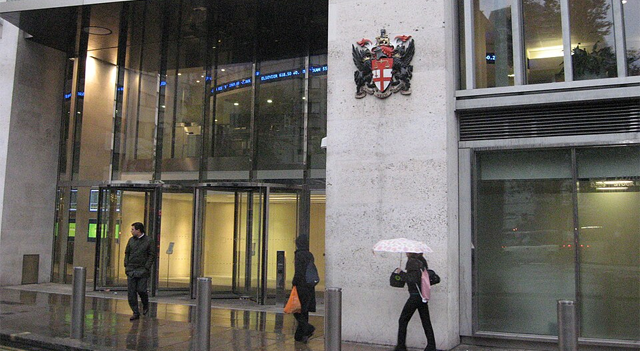
    According to a Bloomberg report, Elliott Investment Management is urging London Stock Exchange Group PLC (LSE:LSEG) to review its portfolio and initiate a £5 billion ($6.8 billion) share buyback over the next year. The activist fund is reportedly calling for a reassessment of LSEG’s structure, which spans data services, exchange operations and a 51% stake in Tradeweb Markets Inc.

    Safestore Holdings Plc (LSE:SAFE) delivered 6.3% year-on-year revenue growth at constant exchange rates in the first quarter, driven by both like-for-like gains and contributions from new stores. Like-for-like revenue rose 4.2% to £31.66 per square foot, while closing occupancy reached 77.8%, up one percentage point from last year and approaching the 80% threshold often associated with stronger growth momentum.

    Debenhams Group (LSE:DEBS) raised £40 million through an oversubscribed equity placing. The online retailer completed the issue at 18 pence per share, a 5% discount to the 19 pence closing price on 17 February. The company placed 200 million new shares and secured subscriptions for a further 22.2 million, resulting in net proceeds of around £38.7 million.

    Capita plc (LSE:CPI) announced a £137 million contract renewal within its Pension Solutions division, extending an existing UK client relationship for up to 10 years from Q1 2026. The agreement will see Capita deploy new technology to enhance transaction efficiency, increase capacity and improve customer experience.

  • Centrica Raises 2025 Dividend Alongside Preliminary Results

    Centrica Raises 2025 Dividend Alongside Preliminary Results

    Centrica (LSE:CNA) has released its preliminary results for the year ended 31 December 2025, with the full report available through its website and the UK Financial Conduct Authority’s National Storage Mechanism. Management is scheduled to present the results to analysts and institutional investors via a live webcast on 19 February 2026.

    The board has proposed a final dividend of 3.67 pence per share, bringing the total distribution for 2025 to 5.5 pence per share — an increase from 4.5 pence in 2024. Subject to shareholder approval at the AGM on 7 May 2026, the final dividend is due to be paid on 14 May 2026 to investors on the register at 10 April 2026. The higher payout signals confidence in the group’s balance sheet strength and its continued focus on returning capital to shareholders.

    Centrica’s broader outlook is supported by recent corporate initiatives, including share buybacks and strategic acquisitions aimed at enhancing long-term shareholder value. However, valuation metrics remain somewhat challenged, particularly given a negative price-to-earnings ratio, while technical indicators present a mixed picture.

    More about Centrica

    Centrica plc is a UK-listed energy company traded on the London Stock Exchange under the ticker CNA. The group operates through a portfolio of energy supply, services and infrastructure businesses and maintains sufficient distributable reserves and retained earnings to underpin ongoing dividend payments to shareholders.

  • Rio Tinto Strengthens Earnings Profile with Volume Growth, Cost Discipline and New Projects

    Rio Tinto Strengthens Earnings Profile with Volume Growth, Cost Discipline and New Projects

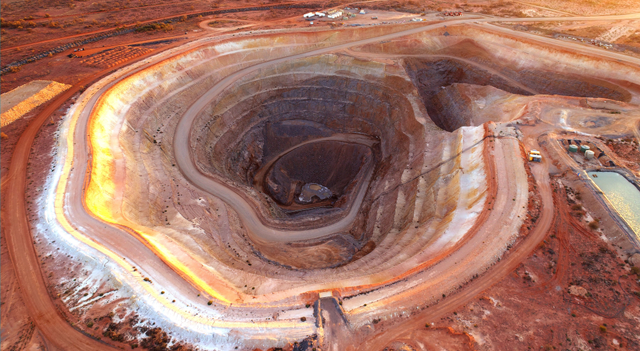
    Rio Tinto (LSE:RIO) delivered an 8% rise in copper-equivalent production in 2025, supported by the underground ramp-up at Oyu Tolgoi and resilient iron ore output from the Pilbara operations. The higher volumes helped lift underlying EBITDA 9% to $25.4 billion, while operating cash flow increased to $16.8 billion. Although underlying earnings held steady at $10.9 billion and net profit declined 14% to $10.0 billion, the miner upheld its 60% payout policy, declaring a $6.5 billion ordinary dividend and maintaining its decade-long track record at the top end of its distribution range.

    Operationally, Rio Tinto marked several significant milestones. These included completion of the Oyu Tolgoi underground development, initial shipments of high-grade iron ore from the Simandou project, and the opening of the Western Range replacement mine. The acquisition of Arcadium Lithium further strengthens its exposure to battery materials, with plans to scale lithium carbonate capacity to as much as 200,000 tonnes annually by 2028. Cost and productivity initiatives delivered a 5% reduction in unit costs and generated $650 million in annualised savings. At the same time, the group progressed decarbonisation efforts and updated agreements with several Aboriginal groups, reinforcing its social licence to operate as it targets sustained production growth and structural margin gains through 2030 and beyond.

    Rio Tinto’s investment profile is underpinned by strong cash generation, a solid balance sheet and strategic portfolio expansion in future-facing commodities. Technical indicators remain supportive, although RSI levels suggest shares may be nearing overbought territory. Valuation metrics appear attractive, offering a combination of income stability and long-term growth exposure.

    More about Rio Tinto

    Rio Tinto is a diversified global mining company with core operations in iron ore, copper and aluminium, alongside growing exposure to lithium and other battery materials. With major assets in Australia, Mongolia and other resource-rich regions, the group is positioned to benefit from long-term industrial demand and the global energy transition.

  • Debenhams Group Expands £40m Equity Raise and Adjusts Board as Turnaround Continues

    Debenhams Group Expands £40m Equity Raise and Adjusts Board as Turnaround Continues

    Debenhams Group (LSE:DEBS) has successfully completed an oversubscribed equity placing, increasing the size of the fundraising from just over £35 million to approximately £40 million. The new shares were issued at 18 pence each, representing a 5% discount to the previous closing price. In total, more than 222 million shares were placed and subscribed for, generating net proceeds of around £38.7 million. The capital injection is intended to reinforce the company’s balance sheet and provide additional flexibility to advance its restructuring and growth plans.

    The offering attracted backing from both existing and new investors, including directors and major shareholder Frasers Group. The independent directors concluded that related-party participation was fair and reasonable. Following his involvement in the placing, long-serving non-executive director Iain McDonald stepped down to enable associated investment funds to participate, with the board stating that governance standards and independence remain intact. The leadership adjustments are positioned as supportive of the group’s ongoing turnaround strategy.

    Admission of the newly issued ordinary shares to trading on AIM is expected on 23 February 2026, with the shares ranking pari passu with the existing equity. Management said the strong demand for the raise reflects investor conviction that the company’s current valuation does not fully capture its recovery potential, as efforts continue to stabilise operations, improve profitability and rebuild shareholder value.

    Despite the successful fundraising, the company’s overall investment case remains challenged by weak underlying financial performance and valuation concerns. While recent share price momentum has been constructive, overbought technical signals suggest caution. Corporate actions provide a measure of optimism, but financial risk factors remain prominent.

    More about Debenhams Group

    Debenhams Group, part of boohoo group plc, operates as an online retail platform focused primarily on fashion and related consumer categories. Quoted on AIM under the ticker DEBS, the business has been engaged in a multi-year turnaround aimed at streamlining its cost base, sharpening its core offering and strengthening cash generation as it seeks to reposition for sustainable profitability.

  • Capita Lands £137m, Decade-Long UK Pension Contract Extension

    Capita Lands £137m, Decade-Long UK Pension Contract Extension

    Capita’s (LSE:CPI) Pension Solutions arm has secured a renewal with an existing UK pensions client, locking in a contract worth £137 million for a term of up to 10 years. Recognised at £137 million under IFRS 15 accounting standards, the agreement strengthens Capita’s foothold in the pensions administration space and highlights the recurring nature of its long-standing outsourcing partnerships.

    The extended mandate will see Capita introduce upgraded technology aimed at simplifying transactions, increasing processing capacity and improving overall customer service. Management described the renewal as a clear sign of client trust in the group’s service delivery and digital capabilities. The long-duration structure of the contract is expected to enhance revenue predictability and aligns with the company’s strategy of expanding technology-enabled service offerings.

    Capita plc continues to navigate a challenging financial landscape, marked by elevated leverage and ongoing cash flow pressures. While recent operational progress and supportive corporate developments offer some encouragement, valuation questions and regulatory headwinds remain factors influencing investor sentiment.

    More about Capita plc

    Capita plc is a UK-based outsourcing specialist that supports both public and private sector organisations in managing complex operations more effectively. With a workforce of around 34,000 employees across eight countries, the company delivers technology-enabled, people-driven services primarily in the UK and Europe, playing an integral role in essential day-to-day public and commercial services.

  • European Equities Advance as Geopolitical Concerns Ease: DAX, CAC, FTSE100

    European Equities Advance as Geopolitical Concerns Ease: DAX, CAC, FTSE100

    European markets traded broadly higher on Wednesday, supported by signs of easing geopolitical strain and fresh reports suggesting a potential leadership change at the European Central Bank.

    According to the Financial Times, ECB President Christine Lagarde is considering stepping down before the end of her eight-year term, which is due to run through October 2027.

    In currency markets, the British pound slipped below $1.36 after new figures showed U.K. inflation cooled to a ten-month low in January, bolstering expectations that the Bank of England could begin cutting rates as early as March.

    Data from the Office for National Statistics showed consumer prices rose 3.0% year over year, in line with forecasts. That marked the slowest pace since March 2025, when inflation stood at 2.6%, and followed a 3.4% annual increase in December.

    In France, annual consumer price growth also moderated, easing to 0.4% in January and matching the preliminary estimate released earlier this month.

    By midday, the U.K.’s FTSE 100 was higher by 1.0%, Germany’s DAX had gained 0.8%, and France’s CAC 40 was up 0.3%.

    Among individual stocks, defense contractor BAE Systems (LSE:BA.) rallied strongly after posting a 12% increase in full-year operating profit that exceeded expectations and announcing higher shareholder returns.

    Commodity giant Glencore (LSE:GLEN) also climbed despite reporting a decline in annual earnings.

    Swiss dental implant specialist Straumann Holding (TG:QS51) jumped after surpassing fourth-quarter sales forecasts and guiding for high single-digit percentage revenue growth in 2026.

    On the downside, Carrefour (EU:CA) fell after Europe’s largest food retailer reported lower operating profit for 2025, citing costs related to recent acquisitions.

  • European Shares Advance on Earnings Strength; U.K. Inflation Drops Sharply

    European Shares Advance on Earnings Strength; U.K. Inflation Drops Sharply

    European equities moved modestly higher on Wednesday as investors assessed another batch of corporate results alongside data showing a marked slowdown in U.K. inflation.

    At 08:15 GMT, Germany’s DAX climbed 0.7%, France’s CAC 40 added 0.5%, and London’s FTSE 100 rose 0.5%.

    Earnings season supports sentiment

    Markets in Europe took cues from slight overnight gains on Wall Street, despite ongoing debate about stretched valuations tied to artificial intelligence and its broader economic implications.

    The quarterly reporting season remains central to investor sentiment. So far, results have been broadly encouraging: roughly 60% of European companies have exceeded earnings forecasts, compared with a historical average of 54% beating expectations in a typical quarter, according to LSEG data.

    Among individual movers, miner Glencore (LSE:GLEN) posted a decline in full-year earnings, as elevated copper prices were insufficient to counter weaker profits from its coal division.

    Defense contractor BAE Systems (LSE:BA.) increased shareholder returns after booking record defense orders, supported by rising military expenditure across Europe and the United States.

    Straumann Group (TG:QS51) topped fourth-quarter revenue forecasts and reported margins consistent with guidance. However, the dental implants maker flagged ongoing weakness in China and warned that currency headwinds could weigh on reported earnings in 2026.

    Castellum (AMEX:CTM) swung to a net loss in the fourth quarter due to negative property revaluations, although the Nordic real estate group continued to grow income from property management operations.

    U.K. inflation eases

    Fresh data showed Britain’s annual inflation rate slowed in January to its lowest level since March of last year, strengthening expectations of a rate cut from the Bank of England in the coming month.

    Consumer prices increased 3.0% year over year, down from 3.4% in December, according to the Office for National Statistics.

    While inflation remains above the BoE’s 2% target, policymakers anticipate a sharper decline toward that level in April, as last year’s increases in utility bills and other regulated tariffs drop out of the annual comparison.

    Market participants largely expect the central bank to lower its benchmark rate to 3.5% in March, following a narrowly split decision in February to leave rates unchanged.

    In France, inflation also moderated, with consumer prices rising 0.4% annually in January compared with 0.7% the previous month.

    Oil prices rebound

    Crude prices ticked higher on Wednesday after steep losses in the prior session, as reports of progress in U.S.-Iran nuclear negotiations reduced concerns about potential supply disruptions.

    Brent futures rose 0.5% to $67.74 per barrel, while U.S. West Texas Intermediate crude gained 0.5% to $62.54 per barrel. On Tuesday, Brent had fallen nearly 2% and WTI dropped 1%.

    According to reports, Washington and Tehran reached agreement on key “guiding principles” during talks on Tuesday, fueling hopes of a deal that could ultimately allow more Iranian oil onto global markets.

    The discussions are closely monitored by energy traders, given Iran’s status as a significant oil producer and its position along the Strait of Hormuz, a critical chokepoint through which about one-fifth of global oil consumption flows daily.