Helix Exploration PLC (LSE:HEX) said it is close to starting helium production at its flagship Rudyard Project in Montana, as installation of critical processing equipment moves into its final phase.
The company said on Monday that the pressure swing adsorption compressor — described as “the final long lead item required for helium production” — has been delivered to the Rudyard processing facility and is now being installed. The unit was fully manufactured and factory-prepared prior to shipment.
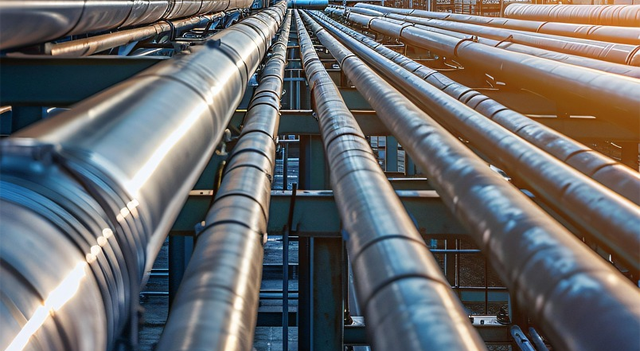
Once mechanical installation is complete, the system will be connected via permanent process piping and instrumentation, followed by electrical completion. Commissioning and start-up activities are expected to begin once these steps are finalised.
In parallel, Helix confirmed that re-entry operations have started at the Inez No. 1 well. The well is being deepened to allow coring of the ultramafic Precambrian interval, which displays geological features commonly associated with natural hydrogen generation.
After coring is completed, the company plans to perforate the full Souris River zone, with these operations expected to conclude by January 19. The recovered core material will be sent for detailed laboratory analysis, and the interval will also undergo a basic formation test.
Helix said it remains in discussions with several potential helium offtake partners and expects to finalise commercial agreements following the start of production. The company added that it will provide a market update once any agreements are signed.
Separately, Helix continues talks with a number of so-called Tier 1 counterparties regarding the hydrogen potential of the Rudyard Field. Management believes the project demonstrates key indicators for natural hydrogen prospectivity, including the presence of ultramafic lithologies and an elevated helium-3 to helium-4 isotope ratio.