Blog

  • Eurozone Government Bonds Gain as AI Debt Concerns Weigh on Equities and Corporate Credit

    Eurozone Government Bonds Gain as AI Debt Concerns Weigh on Equities and Corporate Credit

    Eurozone government bonds strengthened on Thursday as investors shifted towards sovereign debt amid growing concerns about borrowing-funded investment in artificial intelligence infrastructure and weakness across equity and corporate credit markets.

    The move marked a change in market behaviour after a period in which persistent inflation and elevated borrowing costs had reduced the appeal of government bonds as a defensive investment.

    Germany’s 10-year government bond yield, a key benchmark for eurozone borrowing costs, declined to 3.397%, approaching its lowest level since July.

    The yield on Germany’s two-year government bond, which is particularly sensitive to monetary policy expectations, fell to 3.054%.

    Bond yields move inversely to prices, meaning the declines reflected increased demand for German government debt.

    The rally occurred despite inflation concerns that have continued to influence expectations for European Central Bank interest rate policy.

    AI Infrastructure Borrowing Raises Concerns in Credit Markets

    Investor sentiment weakened as attention turned to the scale of corporate borrowing associated with artificial intelligence infrastructure development.

    Technology and infrastructure companies have committed substantial capital to expanding data centres, computing capacity and related facilities, raising questions about how quickly these investments will generate sufficient revenue.

    With borrowing costs remaining elevated, investors have become increasingly concerned about the financial sustainability of large-scale AI spending programmes.

    Credit default swap spreads, which reflect the cost of protection against corporate debt defaults, reportedly widened to record levels for several major companies exposed to AI infrastructure investment.

    The increase indicated growing concerns about credit risk among investors holding corporate debt.

    The volume of debt issuance needed to finance AI-related capital expenditure has also attracted attention, particularly as companies continue to raise funds in an environment of relatively high financing costs.

    These developments contributed to selling pressure in corporate credit markets and increased demand for government securities, particularly German Bunds.

    German Bond Yields Decline Despite Inflation Pressures

    The decline in German government bond yields contrasted with the inflationary pressures facing the eurozone economy.

    For much of the year, persistent inflation had pushed government borrowing costs higher, limiting the ability of sovereign bonds to provide protection during equity market declines.

    Thursday’s trading indicated a shift in investor priorities, with concerns about corporate credit conditions and equity valuations outweighing the immediate implications of higher inflation.

    The German 10-year yield fell to 3.397%, while the two-year yield declined to 3.054%, reflecting demand across different maturities.

    Longer-dated bonds benefited from investors seeking exposure to government debt during the broader market sell-off.

    Shorter-dated securities also strengthened despite uncertainty surrounding the European Central Bank’s future interest rate decisions.

    Lagarde Highlights Energy Costs as a Driver of Eurozone Inflation

    European Central Bank President Christine Lagarde warned that rising commodity prices were contributing significantly to inflation across the eurozone.

    Lagarde indicated that the recent increase in inflation had been driven predominantly, although not exclusively, by higher energy input costs.

    European natural gas futures have risen approximately 20% since the beginning of the month, supported by maintenance work affecting Norwegian energy infrastructure and continued shipping disruptions around the Strait of Hormuz.

    Crude oil prices have increased by approximately 7% over the same period.

    Higher energy costs have added to concerns about consumer price inflation and complicated expectations for further monetary policy easing by the ECB.

    The central bank faces the challenge of assessing inflationary pressures while monitoring economic activity and financial market conditions.

    Despite these concerns, demand for government bonds remained strong during Thursday’s session.

    Safe-Haven Demand Outweighs Interest Rate Uncertainty

    The strengthening of eurozone sovereign debt reflected a broader reassessment of risk across financial markets.

    Investors reduced exposure to equities and corporate bonds as concerns about AI-related borrowing and the financial returns on technology investment increased.

    German government bonds attracted demand as investors sought securities generally regarded as carrying lower credit risk than corporate debt.

    The movement suggests that sovereign bonds were again providing diversification during a period of weakness in riskier assets, despite the continuing inflationary environment.

    Further developments in corporate credit markets, AI infrastructure financing and European energy prices are likely to remain important influences on government bond yields and investor sentiment.


  • Eutelsat Shares Rise 23.4% Following Reports of Starlink Service Restrictions in Ukraine

    Eutelsat Shares Rise 23.4% Following Reports of Starlink Service Restrictions in Ukraine

    Eutelsat Communications (EU:ETL) shares surged 23.37% on Wednesday, 14 October, closing at €1.69 following reports that Starlink had restricted certain satellite communications services used by the Ukrainian military.

    The increase represented the French satellite operator’s largest single-day share price gain in 16 months, as investors assessed the possibility of increased demand for European satellite communications alternatives.

    Ukrainian statements indicated that Starlink, operated by SpaceX (NASDAQ:SPCX), had restricted access to its military-grade services and the operation of certain terminals used by Ukraine’s armed forces.

    The developments prompted speculation that some Ukrainian satellite communications requirements could shift towards alternative providers, including Eutelsat’s OneWeb network.

    However, no new contract involving Eutelsat and Ukraine has been announced in connection with the reported restrictions.

    OneWeb Viewed as Potential Alternative to Starlink

    Eutelsat operates the OneWeb satellite constellation in low Earth orbit, providing communications services through a network of satellites positioned closer to Earth than traditional geostationary systems.

    The network represents one of Europe’s principal satellite communications alternatives to Starlink, particularly for customers seeking connectivity through low Earth orbit infrastructure.

    Eutelsat is also involved in IRIS², the European satellite communications initiative intended to develop secure connectivity capabilities.

    The reported Starlink restrictions have renewed attention on the potential role of European satellite operators in providing communications services for government and defence applications.

    Nevertheless, analysts have cautioned that OneWeb cannot fully replace Starlink’s services in the short term, reflecting differences in network capabilities, infrastructure and operational requirements.

    Any increase in demand for Eutelsat’s services would depend on future commercial agreements and the ability to meet specific customer requirements.

    Previous Starlink Developments Triggered Similar Share Price Gains

    The latest increase follows an earlier period of volatility in Eutelsat shares associated with developments involving Ukraine and the United States.

    In March 2025, tensions between Washington and Kyiv prompted speculation about the future availability of Starlink services in Ukraine.

    During that period, Eutelsat’s share price nearly tripled over two trading sessions as investors considered the potential for European satellite operators to provide alternative connectivity.

    The latest market reaction reflects similar expectations, although the company has not confirmed any additional business arising from the reported service restrictions.

    Despite Wednesday’s advance, Eutelsat shares remained approximately 8% lower over the preceding month and 23% below their level three months earlier.

    The stock had experienced a prolonged decline over the previous four months, suggesting that Wednesday’s movement may also have reflected a recovery following earlier selling pressure.

    Profitability and Investment Requirements Remain in Focus

    Eutelsat continues to face financial and operational challenges as it develops its satellite communications activities.

    The group’s EBITDA margin declined to 51.2% during its 2025–2026 financial year, reflecting pressure on profitability.

    Although OneWeb represents an important component of Eutelsat’s growth strategy, the business has not yet become a comparable contributor to group profitability.

    The company is also planning capital expenditure of approximately €1.2 billion during the 2026–2027 financial year.

    The investment programme reflects the funding requirements associated with developing and maintaining satellite infrastructure and supporting the group’s longer-term operations.

    Eutelsat’s financial performance will therefore depend on its ability to expand commercial activity while managing operating costs and capital investment.

    The 23.37% share price increase highlights renewed market interest in Eutelsat’s satellite communications capabilities, although the potential commercial implications of the reported Starlink restrictions remain uncertain.

    About Eutelsat Communications

    Eutelsat Communications (EU:ETL) is a French satellite communications operator providing connectivity services to commercial, institutional and government customers.

    The company operates satellite infrastructure in geostationary and low Earth orbit, including the OneWeb constellation.

    Its activities include broadband connectivity, communications services and satellite capacity provision across international markets.

    Eutelsat is also participating in the European IRIS² satellite communications programme, which is intended to strengthen Europe’s secure connectivity infrastructure.

  • TotalEnergies Expects Sharp Rise in Q3 Cash Flow as European Refining Margins Nearly Quadruple

    TotalEnergies Expects Sharp Rise in Q3 Cash Flow as European Refining Margins Nearly Quadruple

    TotalEnergies (LSE:TTE) expects a substantial increase in third-quarter 2026 downstream earnings and cash flow after European refining margins rose to almost four times their level a year earlier, supported by higher energy prices and increased refining activity.

    The French energy group said its European refining margin indicator averaged $33.20 per barrel during the quarter, compared with $8.40 in the corresponding period of 2025.

    Cash flow from refining and chemicals operations is expected to increase by approximately $2 billion compared with the second quarter, reflecting higher refining margins and a 10% increase in refinery throughput.

    TotalEnergies said the increase in processing volumes allowed the group to benefit from « historically high refining margins in Europe and worldwide ».

    Oil trading performance remained strong, with results expected to be broadly consistent with those achieved during the previous two quarters. The company also anticipates continued strong performance from its Marketing & Services division.

    LNG Earnings Expected to Increase as Gas Prices Rise

    TotalEnergies expects earnings from its Integrated LNG division to increase significantly during the third quarter, supported by higher liquefied natural gas prices and favourable trading conditions.

    The company reported that average LNG prices increased by approximately 20% compared with the second quarter.

    TotalEnergies attributed the stronger market conditions partly to the prolonged conflict affecting the Strait of Hormuz and expectations of increased natural gas demand during the winter.

    Gas and LNG trading activities also benefited from higher market prices during the period.

    The group’s average realised LNG price reached $12.28 per million British thermal units, compared with $8.91 in the third quarter of 2025.

    Average gas prices increased to $7.00 from $5.50 over the same period.

    The company expects these developments to contribute to higher earnings across its integrated gas operations.

    Hydrocarbon Production Forecast at Up to 2.5 Million Barrels Per Day

    TotalEnergies expects third-quarter hydrocarbon production of between 2.45 million and 2.50 million barrels of oil equivalent per day.

    This compares with production of approximately 2.4 million barrels of oil equivalent per day during the second quarter.

    The company said disruption associated with the Middle East conflict now affects approximately 5% of its total production.

    Excluding the impact of the conflict, hydrocarbon output is expected to increase by more than 4% compared with the corresponding period last year.

    That rate exceeds TotalEnergies’ annual production growth guidance of 3%.

    The expected quarterly increase reflects higher production from the group’s operations outside the areas affected by the conflict.

    Oil and Gas Prices Remain Above Year-Earlier Levels

    TotalEnergies reported substantially higher average realised hydrocarbon prices compared with the third quarter of 2025.

    Brent crude averaged $97.00 per barrel during the period, approximately 40% higher than the $69.10 recorded a year earlier.

    However, the quarterly average was below the $103.80 per barrel recorded during the second quarter of 2026.

    The group’s average realised liquids price increased to $87.10 per barrel, compared with $66.50 in the corresponding period last year.

    Meanwhile, the average LNG price rose to $12.28 per million British thermal units from $8.91, while the average gas price increased to $7.00 from $5.50.

    The higher year-on-year prices are expected to support earnings and cash generation across TotalEnergies’ upstream and integrated gas businesses.

    Integrated Power Cash Flow Forecast at $750 Million to $800 Million

    TotalEnergies expects its Integrated Power division to generate cash flow of between $750 million and $800 million during the third quarter.

    The forecast includes a full quarter of contributions from TTEP, the company’s joint venture with EPH.

    The group also expects a positive working capital contribution of approximately $3 billion during the period.

    The anticipated working capital inflow, together with stronger refining and LNG operations, is expected to contribute to the group’s overall quarterly cash generation.

    TotalEnergies is scheduled to publish its full third-quarter financial results on 29 October 2026, when it will provide further details of divisional earnings, cash flow and financial performance.

    About TotalEnergies

    TotalEnergies (LSE:TTE) is a French international energy company operating across oil and gas exploration and production, refining, petrochemicals, liquefied natural gas, energy trading and electricity generation.

    The group’s activities include upstream hydrocarbon production, refining and chemicals, Marketing & Services, Integrated LNG and Integrated Power.

    Its financial performance is influenced by global oil and gas prices, refining margins, production volumes, energy trading conditions and electricity market developments.

  • Pernod Ricard Shares Rise 3% as First-Quarter Organic Sales Decline Less Than Expected

    Pernod Ricard Shares Rise 3% as First-Quarter Organic Sales Decline Less Than Expected

    Pernod Ricard (EU:RI) shares rose 3% on Thursday after the French spirits group reported a smaller-than-expected decline in first-quarter organic sales, supported by growth in India and higher sales volumes, despite continued weakness in the United States and China.

    Organic net sales declined 0.9% during the quarter, compared with a company-compiled consensus forecast for a 1.7% fall. Analysts’ estimates ranged from a decline of 3.8% to a decline of 0.2%.

    Reported net sales fell 6.3% to €2.23 billion, reflecting a €127 million negative impact from changes in the group’s business portfolio, primarily following the disposals of Imperial Blue and its wine operations. Currency movements reduced sales by a further €3 million, mainly due to the Indian rupee and Turkish lira.

    Sales volumes increased 6% during the quarter, while volumes across Pernod Ricard’s Strategic International Brands rose 2%. Excluding the United States and China, the group recorded 4% sales growth across its remaining markets.

    India Sales Increase 19% as Demand Recovers

    India was a principal contributor to the group’s first-quarter performance, with sales increasing 19% year-on-year.

    Pernod Ricard attributed the growth to consumer demand, continued premiumisation and double-digit increases in sales of imported spirits, including Jameson, Absolut and Ballantine’s.

    The performance also benefited from the comparison with the previous year’s changes to excise policies in Maharashtra.

    The company said preparatory measures relating to a potential initial public offering of its Indian business had resulted in additional inventory being supplied to distribution channels, providing a further benefit to quarterly sales.

    Pernod Ricard emphasised that any decision to proceed with the proposed listing remains subject to board approval.

    Across the wider Asia and Rest of the World region, sales increased 9%, supported by the Indian business.

    US and China Sales Decline Amid Inventory Adjustments

    Sales in the United States fell 10% during the quarter, reflecting inventory adjustments and continued weakness in the domestic spirits market.

    Pernod Ricard estimated that the overall US spirits market declined approximately 2% in value, while the bottled spirits segment contracted by around 4%.

    The company said the reduction in US sales was consistent with its expectations and reflected ongoing adjustments to distributor inventories.

    In China, sales declined 25% as trade inventory reductions continued against a challenging economic backdrop.

    However, underlying depletions, which measure sales from distributors into the market, returned to growth during the period.

    Pernod Ricard said this development reflected cautious optimism among distributors ahead of the Mid-Autumn Festival.

    Martell recorded growth in off-trade depletions, while sales through bars, restaurants and other on-trade channels remained affected by regulatory restrictions.

    The company expects inventory adjustments to continue influencing reported sales in both markets during the financial year, although it anticipates an improvement in underlying trends in China.

    European and Americas Revenue Remains Under Pressure

    European sales declined 6% during the first quarter, reflecting the timing of shipments in certain markets and continued pressure on on-trade demand.

    Sales across the Americas region fell 9%, primarily reflecting the performance of the United States.

    Global Travel Retail revenue decreased 4%, with trading affected by disruption associated with the conflict in the Middle East.

    Despite the regional declines, the group reported positive volume growth overall, supported by its performance in India and other international markets.

    Full-Year Sales Guidance Maintained

    Pernod Ricard maintained its outlook for the current financial year, forecasting organic net sales to remain “broadly stable” amid uncertain trading conditions.

    The company expects sales declines in the United States and China, partly reflecting inventory adjustments, while anticipating continued growth across other markets.

    India is expected to remain a principal source of growth, supported by demand for premium spirits and the group’s established brand portfolio.

    For the financial years 2027 to 2029, Pernod Ricard is targeting average annual organic net sales growth close to the lower end of its previously indicated range of 3% to 6%.

    The company cited continued weakness in the US spirits market as a factor influencing its medium-term expectations.

    Pernod Ricard also expects to expand its organic operating margin through a programme targeting €1 billion in operational efficiencies between fiscal 2026 and fiscal 2028.

    The group is aiming to reduce its net debt-to-EBITDA ratio to below three times by fiscal 2029.

    The first-quarter results reflect continued regional differences in demand, with growth in India and higher group volumes partly offsetting weaker trading in the United States, China and Europe.

    About Pernod Ricard

    Pernod Ricard (EU:RI) is a French international spirits group producing and distributing alcoholic beverages across global markets.

    Its brand portfolio includes Jameson, Absolut, Ballantine’s and Martell, with products sold through retail, hospitality and travel retail channels.

    The company operates across Europe, the Americas, Asia and other international markets, with its financial performance influenced by consumer demand, distribution inventories, currency movements and regulatory conditions.

  • FTSE 100 Edges Higher as UK GDP Growth Exceeds Forecasts Despite US Inflation Concerns

    FTSE 100 Edges Higher as UK GDP Growth Exceeds Forecasts Despite US Inflation Concerns

    The FTSE 100 edged higher on Thursday as stronger-than-expected UK economic growth figures provided support for London equities, despite weakness in global technology stocks, higher US inflation and continued tensions in the Middle East.

    London’s benchmark index gained 0.06% by 08:25 BST, while European markets recorded mixed performances. France’s CAC 40 advanced 0.05%, while Germany’s DAX declined 0.40%.

    Sterling strengthened against the US dollar, rising 0.44% to $1.3250 following the release of UK economic data that exceeded market expectations.

    UK Economy Grows 0.1% in August

    Figures published by the Office for National Statistics showed that the UK economy expanded by 0.1% in August, compared with economists’ expectations for a 0.1% contraction.

    Growth over the three months to August reached 0.7%, exceeding forecasts of 0.5%, while annual economic growth stood at 2.1%.

    The figures provided an indication of economic activity ahead of the government’s forthcoming Budget, as policymakers assess the outlook for growth, public finances and inflation.

    ONS economic statistics director Liz McKeown identified computer programming as the largest contributor to growth over the three-month period.

    The stronger-than-expected figures coincided with an increase in sterling, although the FTSE 100’s advance remained limited amid broader international market uncertainty.

    US Inflation Adds to Interest Rate Concerns

    Global equity markets remained under pressure following the release of US consumer inflation figures that exceeded expectations.

    US core consumer price inflation increased by 0.3% in September, compared with forecasts for a 0.2% rise.

    The data contributed to concerns that persistent inflation could influence the Federal Reserve’s future interest rate decisions, including the possibility of further monetary tightening.

    Technology shares were particularly affected by the wider market sell-off, with weakness in Asian semiconductor stocks adding to pressure on international equities.

    The inflation figures also provided a contrasting backdrop to the stronger UK economic data, leaving European stock markets mixed during early trading.

    Strait of Hormuz Disruption Continues Amid Middle East Conflict

    Developments in the Middle East remained a focus for commodity and financial markets as attacks on commercial shipping continued near the Strait of Hormuz.

    Two vessels reportedly sank near the strategic shipping route, while maritime security incidents disrupted commercial traffic.

    The United Kingdom Maritime Trade Operations organisation recorded 15 attacks between 6 October and 14 October, the highest reported frequency since the conflict began in February.

    Shipping data from Kpler indicated that approximately 2.9 million barrels of oil passed through the Strait of Hormuz on 11 October, compared with nearly 20.8 million barrels on 8 October.

    Iranian Parliament Speaker Mohammad Bagher Ghalibaf said Tehran did not seek an indefinite conflict or prolonged negotiations with the United States but would continue military operations until its demands were met.

    US President Donald Trump, speaking at a rally in Bullhead City, Arizona, claimed that Washington had established control over the strait and suggested that the conflict could end soon.

    US Central Command has also stated that American forces control the waterway, while Iran has accused Washington of imposing a blockade on its ports.

    Separately, attacks attributed to Houthi forces have affected airports in Saudi Arabia.

    The International Monetary Fund warned that Gulf economies were unlikely to return quickly to their economic trajectories before the conflict.

    The competing claims and continuing disruptions have contributed to uncertainty over regional security and energy transportation.

    Oil Prices Decline While Gold Advances

    Oil prices moved lower during Thursday’s trading despite the continuing disruption to shipping in the Middle East.

    Brent crude futures declined 1.83% to $104.07 per barrel, while West Texas Intermediate crude fell 1.24% to $93.91 per barrel.

    Precious metals moved in the opposite direction, with gold futures rising 1.38% to $4,164.80 an ounce.

    Spot gold increased 0.93% to $4,143.26 an ounce as investors assessed inflation developments, geopolitical risks and the outlook for monetary policy.

    The contrasting movements in oil and gold reflected differing trading conditions across commodity markets during the session.

    UK Corporate News

    TotalEnergies (LSE:TTE) said it expects its third-quarter refining margin to increase to $33.20 per barrel, compared with $8.40 in the corresponding period last year. The energy group attributed the improvement to changes in global energy supply conditions associated with the conflict involving Iran.

    Jupiter Fund Management (LSE:JUP) reported third-quarter net inflows of £700 million, compared with £300 million a year earlier. Assets under management increased 51% to a record £75.9 billion.

    Travis Perkins (LSE:TPK) reported a 1.3% decline in third-quarter like-for-like sales, reflecting subdued construction activity and weaker consumer demand. The building materials distributor continues to operate against a challenging backdrop in the UK construction market.

    British Land (LSE:BLND) said it expects first-half underlying profit and rental income to increase, supported by demand for London office space and retail parks, alongside cost savings. The property group indicated that these factors were helping offset higher interest costs and reduced lease surrender premiums.

    Dunelm (LSE:DNLM) reported a 1.1% increase in first-quarter sales to £433 million and maintained its full-year profit outlook. However, the home furnishings retailer warned that first-half profit was expected to decline compared with the corresponding period last year.

    The FTSE 100’s modest advance followed a combination of stronger domestic economic data and company-specific trading updates, while US inflation, weakness in technology stocks and developments in the Middle East continued to influence market sentiment.

  • EasyJet Shares Rise as £5.7 Billion Apollo Takeover Advances Towards Shareholder Vote

    EasyJet Shares Rise as £5.7 Billion Apollo Takeover Advances Towards Shareholder Vote

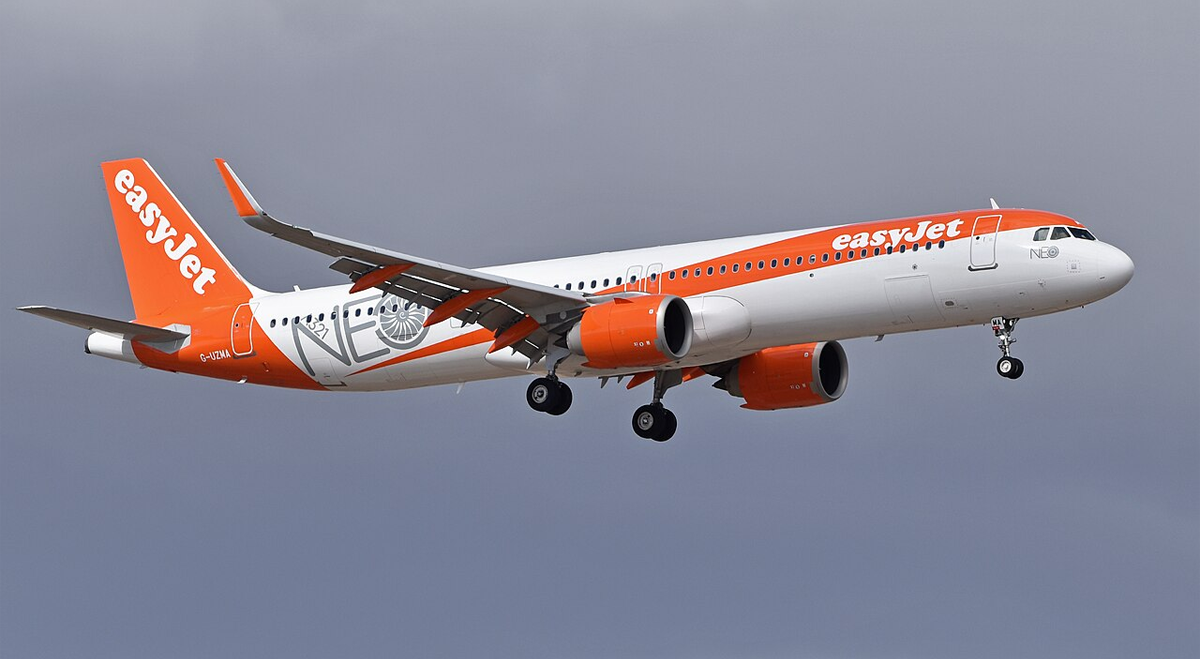
    EasyJet (LSE:EZJ) shares rose on Thursday after the airline confirmed that its proposed £5.7 billion acquisition by Apollo Global Management (LSE:JUP) remains on schedule for completion before the end of the first quarter of 2027.

    The budget airline’s shares traded at 684.6p during the session, approaching their 52-week high, following the publication of a scheme document setting out the terms and timetable of the recommended cash offer.

    The document outlines the next stages of the proposed acquisition, including shareholder approval, court proceedings and regulatory requirements that must be satisfied before the transaction can complete.

    EasyJet has scheduled court and shareholder meetings for the week beginning 9 November 2026, with voting expected to take place on 11 November.

    The meetings will allow shareholders to consider the proposed transaction and form part of the court-sanctioned scheme of arrangement through which the acquisition is intended to proceed.

    If completed, the deal would result in EasyJet leaving the London Stock Exchange after more than 25 years as a publicly traded company.

    European Airline Ownership Rules Remain a Key Consideration

    One of the principal outstanding issues concerns compliance with European aviation ownership and control requirements.

    EasyJet and Apollo are working to demonstrate to aviation regulators that the proposed ownership arrangements would preserve the airline’s majority European ownership and effective control.

    European aviation regulations impose ownership and control conditions on airlines operating under relevant European licences, making the proposed structure an important element of the approval process.

    The companies must satisfy regulators that EasyJet would continue to meet the applicable requirements following completion of the acquisition.

    The proposed transaction therefore remains subject to regulatory considerations in addition to the shareholder and court approvals required under the scheme.

    European Employee Representatives Raise Concerns

    The scheme document also identifies objections to the proposed acquisition from employee representatives across Europe.

    According to the document, several unions have expressed concerns about the transaction, while EasyJet’s European Works Council has opposed the proposed takeover.

    The Works Council cited concerns over the employment commitments offered in connection with the acquisition, which it said covered a period of 12 months and were not legally binding.

    The objections introduce an additional issue for the companies as they progress the transaction, although the supplied update does not indicate that they have altered the expected completion timetable.

    Completion Targeted for First Quarter of 2027

    EasyJet continues to expect the acquisition to complete before the end of the first quarter of 2027, subject to the necessary approvals and satisfaction of the transaction conditions.

    The immediate next stage is the shareholder vote scheduled for 11 November, followed by the remaining court and regulatory processes.

    The publication of the scheme document provides shareholders with further information ahead of the meetings and establishes the timetable for consideration of Apollo’s recommended offer.

    Completion would transfer EasyJet into private ownership and end its listing on the London Stock Exchange.

    However, the transaction has not yet been completed, and its final timetable remains dependent on the required approvals, including the resolution of European aviation ownership and control requirements.

    About EasyJet

    EasyJet (LSE:EZJ) is a UK-based low-cost airline operating passenger services across Europe and other destinations within its route network.

    The airline provides scheduled air travel services through a network of airports, serving leisure and business passengers.

    Its operations are subject to aviation safety, licensing and regulatory requirements, including applicable airline ownership and control rules.

  • Antofagasta Reports 7% Rise in Q3 Copper Production and Sets 2027 Output Guidance

    Antofagasta Reports 7% Rise in Q3 Copper Production and Sets 2027 Output Guidance

    Antofagasta (LSE:ANTO) reported a 7% increase in copper production to 151,900 tonnes in the third quarter of 2026, supported by improved output at Los Pelambres, while maintaining its full-year production guidance.

    The Chile-focused mining group said copper production for the first nine months of the year totalled 436,900 tonnes, representing an 8% decline compared with the corresponding period in 2025.

    The year-on-year reduction reflected lower copper grades at Centinela Concentrates and weaker recoveries at Centinela Cathodes.

    Antofagasta attributed the quarterly production increase primarily to Los Pelambres, where operations recovered following a severe weather event in July and completed the drawdown of inventories accumulated during the preceding quarter.

    The company maintained its 2026 copper production guidance at between 625,000 and 655,000 tonnes.

    Antofagasta Forecasts 630,000 to 690,000 Tonnes of Copper in 2027

    Antofagasta also announced its initial copper production guidance for 2027, forecasting output of between 630,000 and 690,000 tonnes.

    The outlook reflects expectations of higher copper grades at Los Pelambres, partially offset by lower grades at Centinela Concentrates.

    The company expects to provide further details of its 2027 financial and operational outlook alongside its fourth-quarter production report in January.

    This will include guidance for cash costs and capital expenditure, which were not included in the latest update.

    Antofagasta continues to develop its major growth projects at Centinela and Los Pelambres, with construction activities approaching their final stages.

    Chief Executive Iván Arriagada said the projects were progressing towards construction completion and commissioning during 2027.

    Higher Diesel Prices Prompt Increase in Cash Cost Guidance

    While maintaining its production outlook, Antofagasta increased its 2026 guidance for cash costs before by-product credits to between $2.60 and $2.70 per pound, compared with its previous forecast of $2.40 to $2.60 per pound.

    The company attributed the revision to elevated global diesel prices, which have increased operating costs across its mining activities.

    Cash costs before by-product credits were $2.73 per pound in the third quarter, representing a 7% reduction compared with the preceding quarter.

    For the first nine months of 2026, these costs averaged $2.81 per pound, an increase of 20% year-on-year.

    Net cash costs, which account for revenue generated from by-products, were $1.38 per pound during the third quarter.

    Antofagasta maintained its full-year net cash cost guidance at between $1.15 and $1.35 per pound.

    The company also reaffirmed its 2026 capital expenditure guidance of $3.4 billion, reflecting its existing investment programme across operating assets and development projects.

    Gold and Molybdenum Production Declines

    Production of Antofagasta’s principal by-products declined during the third quarter.

    Gold output fell 4% compared with the preceding quarter to 44,300 ounces, while molybdenum production decreased 6% to 2,900 tonnes.

    Both commodities contribute to the group’s revenue and are reflected in its net cash cost calculations through by-product credits.

    The latest figures follow a period of varying production performance across Antofagasta’s mining operations, with higher copper output at Los Pelambres contrasting with the effects of lower grades and recoveries elsewhere in the portfolio.

    Growth Projects Target Commissioning in 2027

    Antofagasta said construction work at its major projects at Centinela and Los Pelambres had entered its final phases, with completion and commissioning expected during 2027.

    The projects form part of the group’s investment programme to support future copper production and develop its existing mining operations in Chile.

    Management also reiterated its assessment of the longer-term copper market, citing investment in energy infrastructure and digitalisation, alongside constraints on global copper supply, as factors supporting demand.

    The company’s immediate priorities include meeting its remaining 2026 production targets, managing higher operating costs and progressing construction work ahead of the planned commissioning activities next year.

    About Antofagasta

    Antofagasta (LSE:ANTO) is a Chile-focused mining group principally engaged in copper production, with gold and molybdenum produced as by-products.

    Its principal mining operations include Los Pelambres and Centinela, where the company operates copper production facilities and is undertaking development projects.

    The group invests in mine development, processing infrastructure and operational improvements to support production across its Chilean assets.

    Antofagasta’s financial performance is influenced by copper production volumes, commodity prices, operating costs and capital investment requirements.

  • Mondi Shares Fall Nearly 10% as Rising Energy and Wood Costs Weigh on Q3 Profitability

    Mondi Shares Fall Nearly 10% as Rising Energy and Wood Costs Weigh on Q3 Profitability

    Mondi (LSE:MNDI) shares fell approximately 9.8% to 737p on Thursday after the packaging and paper group reported a decline in third-quarter underlying EBITDA and warned that higher energy and wood costs continued to affect profitability.

    The company reported underlying EBITDA of €196 million for the third quarter of 2026, down 12% compared with the corresponding period last year, as input cost inflation offset the benefits of improved pricing.

    Although the figure represented an increase from the €167 million recorded in the second quarter, the comparison was affected by a €43 million forestry fair value loss recognised during the earlier period.

    Excluding that loss, underlying EBITDA declined on a sequential basis, indicating that operating profitability remained under pressure during the third quarter.

    Mondi said input costs had increased more than anticipated, particularly for energy and wood supplies in Central and Eastern Europe.

    Energy-related expenditure continued to rise during the period, while higher wood prices added to production costs across parts of the group’s operations.

    Mondi Announces Further Paper Price Increases

    In response to higher operating costs, Mondi has announced additional price increases across several paper grades.

    The company expects the measures to contribute to financial performance towards the end of 2026 and into 2027, although the timing and extent of the benefits will depend on market conditions.

    Mondi said order books remained supportive and that pricing momentum had improved, despite the continued pressure from input costs.

    The group is also pursuing operational efficiency measures, including cost optimisation and improvements to its manufacturing network.

    Chief Executive Andrew King said the company had maintained its focus on operational performance despite the more challenging cost environment.

    “We delivered a resilient performance in the third quarter against a backdrop of rising input costs, with good order books supporting positive price momentum. We continued to make progress on operational excellence, cost optimisation and improving the efficiency of our plant network to enhance competitiveness. As we enter the fourth quarter, higher packaging paper prices are expected to support performance, notwithstanding ongoing input cost pressures.”

    Energy Prices Create Uncertainty for Fourth Quarter

    Mondi warned that energy markets remained volatile, creating uncertainty around production costs during the final quarter of the year.

    The company highlighted South African diesel prices as a particular concern and said that, if current energy price levels persist, it does not expect to record a forestry fair value gain in the fourth quarter.

    The outlook contrasts with periods in which forestry valuation movements have contributed positively to reported underlying EBITDA.

    Mondi’s assessment reflects current market conditions and remains dependent on developments in energy prices during the remainder of 2026.

    The company expects higher packaging paper prices to provide some support to fourth-quarter performance, although input cost pressures are likely to remain a factor.

    Shares Decline Amid Wider Market Weakness

    Mondi’s share price declined to approximately 737p following the trading update, representing a fall of nearly 9.8% during Thursday’s session.

    At that level, the shares were below their reported 52-week high of 981.4p but remained above the 52-week low of 667.4p.

    The decline coincided with broader weakness in equity markets following higher-than-expected US inflation figures and selling pressure in Asian semiconductor stocks.

    US annual consumer price inflation increased to 3.7% in September from 3.4% in August, exceeding economists’ expectations of 3.6%, according to the figures cited in the market report.

    The wider market conditions provided an additional backdrop to trading in London-listed equities, although Mondi’s third-quarter profitability and cost outlook were central developments in its company update.

    The group’s financial performance over the coming quarters will depend partly on the extent to which announced paper price increases offset higher energy and raw material costs.

    Mondi continues to implement operational efficiency initiatives while managing input price volatility across its manufacturing operations.

    About Mondi

    Mondi (LSE:MNDI) is an international packaging and paper group producing packaging materials and paper products for industrial and consumer markets.

    Its operations include the manufacture of packaging paper and other fibre-based products, supported by production facilities and forestry-related activities.

    The group’s financial performance is influenced by packaging demand, selling prices, raw material costs, energy expenditure and operational efficiency across its manufacturing network.

  • Harena Rare Earths Advances Ampasindava Project with Mining Permit and US Development Funding

    Harena Rare Earths Advances Ampasindava Project with Mining Permit and US Development Funding

    Harena Rare Earths Plc (LSE:HREE) (USOTC:CRMNF) is making important progress in advancing its Ampasindava rare earths project in Madagascar, with the formalisation of its exploitation permit and US development funding helping to move the project towards its next stage of development.

    The milestone marks a significant step forward for the company, bringing together two of the key requirements for developing a strategically important rare earths asset: regulatory approval and access to funding. With the focus now turning towards on-site processing and pilot plant development, Harena Rare Earths is working to demonstrate the project’s technical potential and its ability to contribute to rare earth supply chains outside China.

    Mining Permit Opens the Door to the Next Development Phase

    The formalisation of the exploitation permit by the Madagascan government represents a major milestone for Harena Rare Earths. The permit provides the regulatory foundation for the company to progress its development plans, including the establishment of an on-site laboratory and pilot plant.

    Speaking about the achievement, Executive Chairman Ivan Murphy highlighted the importance of the company’s progress within the ionic clay rare earths sector, where projects that have advanced through the development process are becoming increasingly significant.

    Murphy noted that two Brazilian ionic clay rare earths projects, Serra Verde and Meteoric Resources, were acquired by larger mining groups during 2026, highlighting growing interest in the sector.

    For Harena Rare Earths, securing the permit represents a transition towards the next stage of development: demonstrating that the processing techniques established through laboratory and smaller-scale testing can be successfully applied at the project site.

    Permitting is a fundamental requirement for moving a mining project forward, and this achievement places Ampasindava in a stronger position to advance its technical development programme.

    US Development Funding Supports Pilot Plant Plans

    Alongside its permitting progress, Harena Rare Earths is benefiting from US$4.84 million in development funding from the US International Development Finance Corporation (DFC).

    The funding, which the company has already begun drawing down, is intended to support the next phase of development alongside the company’s own equity funding.

    This financial backing provides an important source of capital for the planned pilot plant and on-site laboratory, helping Harena Rare Earths progress the technical work required to demonstrate its proposed processing route.

    The pilot programme will build on work already undertaken in laboratories and at smaller scale. Its purpose is to establish how the process performs under on-site conditions and to demonstrate the potential to produce a rare earth concentrate for the market.

    By combining government-backed development funding with the formalised exploitation permit, Harena Rare Earths is addressing two major elements of its development strategy as it prepares to undertake this technical validation work.

    The funding also provides a tangible link between the project’s development plans and the wider strategic interest in diversifying rare earth supply chains.

    Building a Potential Source of Rare Earths Outside China

    Rare earths are essential materials for a range of advanced technologies, including electric vehicles, renewable energy systems, electronics and defence applications. However, the concentration of supply and processing capacity in China has created a strategic incentive for Western governments and industry to support alternative sources.

    Against this backdrop, Ampasindava has the potential to become part of the broader effort to diversify global rare earth supply chains.

    Harena Rare Earths’ immediate priority is to demonstrate that its proposed processing route can deliver a rare earth concentrate from the project. Successfully progressing through this stage would provide an important technical foundation for subsequent development decisions.

    The combination of the exploitation permit, DFC funding and planned pilot facilities gives the company a clearer framework for pursuing these objectives.

    While the pilot phase remains a critical step in establishing the project’s technical credentials, the company has outlined a potential timeframe of approximately 20–24 months for delivering rare earth concentrate to the market, subject to successful development and testing.

    A Key Period Ahead for Harena Rare Earths

    For Harena Rare Earths, the focus is now firmly on execution. The company has secured its exploitation permit, begun drawing down US development funding and identified the pilot plant and on-site laboratory as key priorities.

    These developments bring together the regulatory, financial and technical workstreams required to advance Ampasindava towards its next stage.

    The pilot programme will be particularly important in demonstrating how the processing route performs on-site and whether the project can progress towards producing a marketable rare earth concentrate.

    With rare earth supply diversification remaining a strategic priority, Ampasindava offers Harena Rare Earths an opportunity to advance a project in a sector attracting international attention.

    The latest milestones provide a stronger platform from which the company can pursue that opportunity, with the coming phase of technical development set to be an important measure of its progress towards potential production.

  • Sulnox Reports 45% Rise in Q2 Revenue to £984,200 as Marine Orders Increase

    Sulnox Reports 45% Rise in Q2 Revenue to £984,200 as Marine Orders Increase

    Sulnox Group PLC (AQSE:SNOX) reported a 44.9% increase in second-quarter revenue to £984,200, compared with £679,300 a year earlier, supported by repeat orders from marine customers and new business.

    The fuel technology company said unaudited revenue for the three months ended 30 September 2026 was also 19.3% higher than the £824,800 recorded in the preceding quarter. Revenue for the first six months of its financial year rose 48.0% to £1.81 million, from £1.20 million in the corresponding period of 2025.

    Product sales volumes increased 58.3% year-on-year during the quarter, while volumes for the first half rose 64.6%. Sulnox attributed the growth to expanding orders from existing shipping customers and sales to new customers.

    The company reported an unaudited cash balance of £747,300 at 30 September, down from £1.53 million at the end of June. It said the reduction reflected increased investment in inventory to fulfil recently signed long-term supply agreements, alongside ongoing commercial development expenditure.

    Sulnox said sales activity had continued into the third quarter and that it was engaged with more than 100 marine companies, including shipowners, managers and charterers. Their combined fleets comprise approximately 8,000 vessels, compared with around 6,000 vessels in the corresponding quarter last year.

    Spring Marine Signs Four-Year Supply Agreement and Commits Investment

    In September, Sulnox entered into a four-year supply agreement with Greek ship management company Spring Marine Management S.A., an existing customer.

    The agreement covers at least 34 vessels and approximately 600,000 litres of Sulnox Eco, the company’s fuel conditioning product. Sulnox said the arrangement provides for an increase of approximately 70,000 litres annually compared with current supply levels, reflecting Spring Marine’s planned fleet expansion and the addition of larger vessels.

    Spring Marine also agreed to invest up to £1.1 million in Sulnox through subscriptions for up to 2.75 million new ordinary shares at 40 pence each. The subscriptions are structured in quarterly tranches linked to product purchases.

    According to Sulnox, fuel consumption monitoring using vessel telemetry has indicated average fuel savings of approximately 5% across Spring Marine’s operations, alongside reductions in emissions and improvements in engine condition.

    The agreement follows a separate four-year supply arrangement with Eastern Pacific Shipping. Sulnox said inventory investment during the quarter was partly intended to meet demand under both contracts.

    Fuel Testing Identifies Potential Marine Biofuel Applications

    Sulnox also reported results from independent testing of Sulnox Eco with marine fuels and biofuel blends.

    The testing confirmed compatibility with all marine fuels included in the programme and identified changes in several measured fuel properties.

    In hydrotreated vegetable oil (HVO), testing showed an approximately 28% improvement in lubricity. For neat fatty acid methyl ester (FAME), also known as B100, oxidative stability increased threefold.

    The company also reported a reduction in steel-corrosion pitting when Sulnox Eco was used with B100 compared with untreated fuel.

    Sulnox said the findings could support the use of its product in applications involving biofuel blends, although the results relate to the specific fuels and conditions tested.

    The company highlighted increased marine biofuel consumption, citing Port of Rotterdam figures showing that biofuel blend sales rose approximately 45% year-on-year during April to June 2026 and more than doubled compared with the preceding quarter.

    Sulnox is also monitoring international shipping policy discussions, including consideration of the proposed Net-Zero Framework at the International Maritime Organization’s Marine Environment Protection Committee meeting, MEPC 85.

    Expansion Efforts Continue in West Africa and South Asia

    Outside the marine sector, Sulnox is developing distribution channels for land-based applications of its fuel conditioning technology.

    The company identified West Africa and South Asia as priority regions, with commercial activity focused on transport, industrial operations and power generation.

    In West Africa, Sulnox is working through established distribution arrangements to develop repeat customer orders. The company cited rising fuel consumption in Ghana and Nigeria as relevant market conditions.

    Ghana’s petroleum consumption is forecast to increase by 5.1% in 2026, according to the country’s Energy Commission, while Nigerian regulatory data showed petrol consumption increased approximately 19% year-on-year in October 2025.

    In South Asia, Sulnox reported progress through distributor appointments covering India, Sri Lanka and Pakistan.

    The company cited preliminary Indian government data showing diesel consumption increased approximately 4.9% year-on-year to nearly 48 million tonnes during April to September 2026.

    Sulnox said its regional strategy is focused on establishing customer relationships and converting initial product adoption into recurring sales.

    Industry Awards and Commercial Engagement

    During the quarter, Sulnox Eco featured in several industry awards involving the company’s customers and distribution partners.

    Spring Marine received the Bronze Industry Partnership Leader Award at the 2026 ESG Shipping Awards for its collaboration with Sulnox.

    UK distribution partner Barrow International received the 2026 Superyacht UK Sector Sustainability Award for an entry featuring Sulnox Eco.

    In Chile, sub-distribution partner Industry Efficiency Solutions received a Special Mention in the DecarbMine 2026 Challenge. Sulnox Eco was among eight solutions selected from 63 submissions across 11 countries in an evaluation involving Teck Resources, Lundin Mining and Albemarle.

    Sulnox also participated in the Shipbuilding, Machinery and Marine Technology exhibition in Hamburg alongside distribution partner Drew Marine and attended the 2026 Concordia Annual Summit in New York.

    The company said its near-term commercial priorities include fulfilling existing marine supply agreements, developing additional customer relationships and increasing repeat orders across marine and land-based markets.

    About Sulnox Group PLC

    Sulnox Group PLC (AQSE:SNOX) is a fuel technology company developing and commercialising products intended to improve fuel efficiency, reduce emissions and support engine performance.

    Its principal product, Sulnox Eco, is a fuel conditioner marketed for use in marine vessels and land-based applications, including transport, industrial equipment and power generation.

    The company distributes its products through direct customer relationships and international distribution partners, with commercial activities spanning shipping, industrial and other fuel-consuming sectors.