Blog

  • UK Mining and Airline Shares Advance as U.S.-Iran Accord Pushes Oil Lower

    UK Mining and Airline Shares Advance as U.S.-Iran Accord Pushes Oil Lower

    UK-listed mining and aviation stocks moved higher on Monday after the United States and Iran announced a peace agreement designed to end hostilities in the Middle East and pave the way for the reopening of the Strait of Hormuz.

    The development triggered a sharp decline in oil prices, boosting investor sentiment toward sectors that stand to benefit from lower energy costs and improved global economic conditions.

    Crude Prices Slide on Prospects of Restored Supply

    Brent crude fell more than 5%, moving toward $82 per barrel, while U.S. West Texas Intermediate dropped by over 5% to around $80 per barrel.

    The sell-off followed comments from U.S. President Donald Trump indicating that energy exports from the Persian Gulf could soon resume, alongside the removal of a U.S. blockade affecting Iranian ports.

    Markets interpreted the announcement as a significant step toward restoring oil flows through one of the world’s most strategically important shipping routes.

    Iran Confirms Agreement

    Iranian Deputy Foreign Minister Kazem Gharibabadi confirmed that an agreement had been reached and said the full text would be released following a formal signing ceremony in Switzerland.

    Reports suggest the arrangement also includes measures relating to Iran’s nuclear programme, as well as economic incentives linked to Tehran’s compliance with the terms of the deal.

    Hormuz Reopening Eases Supply Concerns

    Global energy markets have experienced significant disruption since the conflict began in late February.

    According to Trading Economics, the near-closure of the Strait of Hormuz affected roughly one-fifth of worldwide oil shipments, raising concerns over supply security and contributing to elevated crude prices throughout the conflict.

    The prospect of a reopening has therefore been welcomed by investors seeking greater stability in global energy markets.

    Mining Stocks Lead Gains

    Mining companies were among the strongest performers on the London market as commodity-linked shares attracted buying interest.

    Fresnillo (LSE:FRES), Endeavour Mining (LSE:EDV) and Anglo American (LSE:AAL) all traded higher, posting gains ranging between 1.8% and 6.9%.

    The sector benefited from improved risk appetite and expectations that easing geopolitical tensions could support broader economic activity.

    Airline Sector Benefits from Lower Fuel Costs

    Airline stocks also advanced as falling oil prices improved the outlook for fuel expenses, one of the industry’s largest operating costs.

    Wizz Air (LSE:WIZZ), Jet2 (LSE:JET2) and EasyJet (LSE:EZJ) gained between 1.4% and 6.2% as of 04:48 ET (08:48 GMT).

    Investors viewed the decline in crude prices as a positive development for airline profitability, particularly if lower energy costs are sustained in the months ahead.
  • Gold Extends Rally as Markets Digest Middle East Peace Accord

    Gold Extends Rally as Markets Digest Middle East Peace Accord

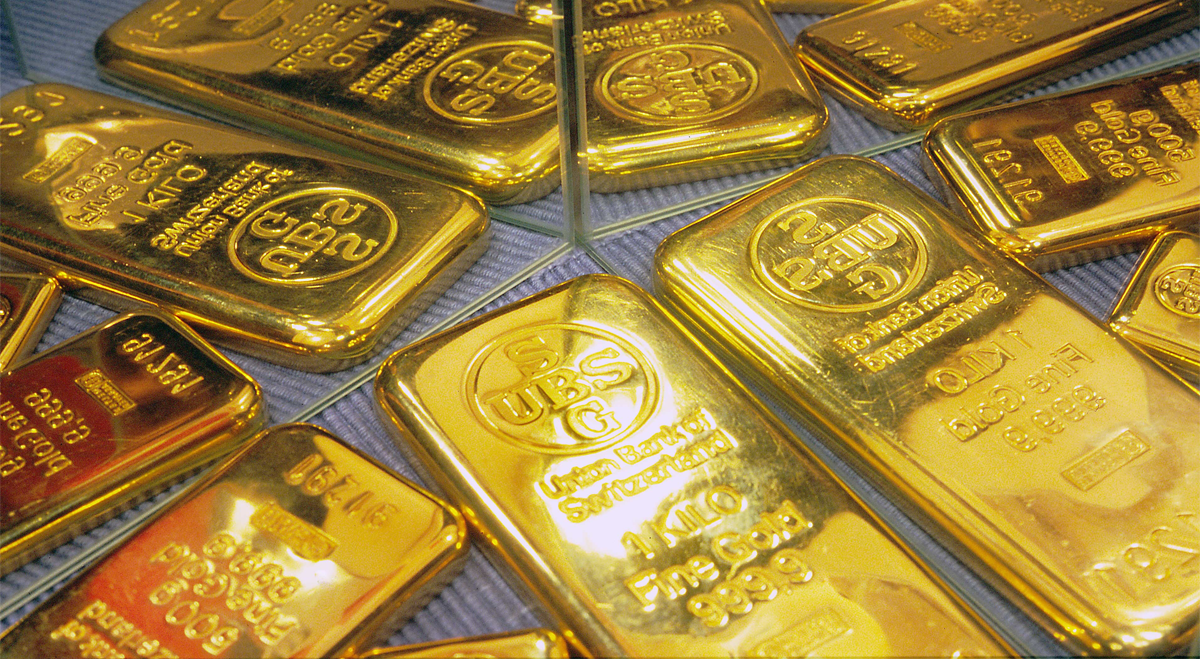
    Gold prices continued their upward momentum on Monday, marking a third straight day of gains and climbing to their highest level since 9 June, even as hopes for peace in the Middle East improved investor sentiment.

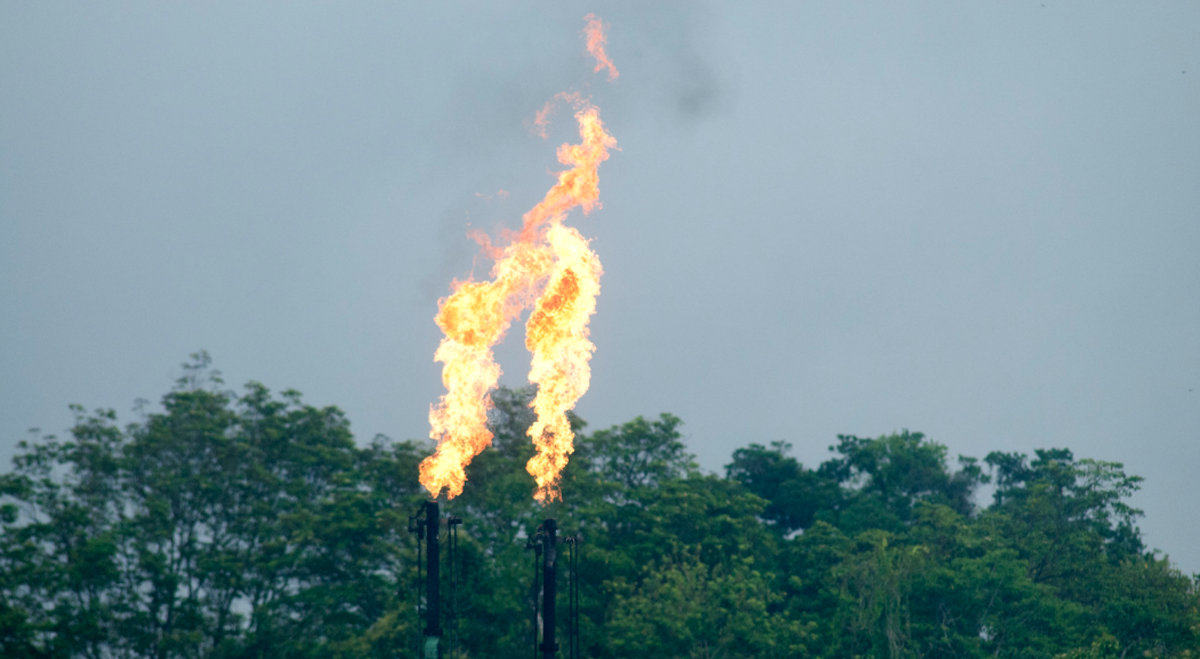
    The precious metal advanced while oil prices retreated sharply, reflecting expectations that an agreement between the United States and Iran could restore energy supplies through the Strait of Hormuz.

    Precious Metal Reaches Recent Highs

    During early trading, spot gold touched $4,335 per ounce, while August gold futures rose to $4,356 per ounce.

    At the same time, Brent crude fell around 5% to a low of $83 per barrel as traders reacted to the prospect of renewed oil flows from the Gulf region.

    Trump Praises Ceasefire Agreement

    U.S. President Donald Trump described the agreement between Washington and Tehran as a “major agreement that will bring peace and security to the entire region.”

    Writing on Truth Social, Trump said: “Many presidents have tried to achieve peace with Iran, but all have failed before me. For the first time, the leaders of the region have found a president capable of helping them achieve real peace.”

    He also noted that, with the reopening of the Strait of Hormuz, “scheduled for Friday, in conjunction with the signing of the agreement and to allow for mine clearance operations, oil will flow freely again, to the benefit of both the region and the rest of the world!”

    Iran Outlines Conditions for Future Negotiations

    The agreement was later confirmed by Iranian Deputy Foreign Minister Kazem Gharibabadi, who stated that discussions on a comprehensive settlement would continue during a 60-day period focused largely on sanctions relief.

    According to Gharibabadi, Iran would only move forward with the next phase of negotiations after the release of frozen assets, the removal of the U.S. blockade and the formal end of the conflict.

    Central Bank Decisions Remain Key Focus

    The diplomatic breakthrough comes ahead of a busy week for central banks, including the first Federal Reserve meeting under new Chair Kevin Warsh.

    Prior to the agreement, markets had increasingly expected U.S. interest rates to move higher by the end of 2026. However, expectations moderated after the announcement.

    Data from the CME FedWatch Tool showed the probability of a December rate increase falling to 48%, compared with 69% a week earlier.

    Lower Rate Expectations Offer Support

    Gold generally struggles in periods of elevated interest rates because it does not provide a yield.

    Since fighting began in late February, gold had largely moved inversely to oil prices, declining around 18% as investors worried that higher energy costs could keep inflation elevated and force central banks to maintain tighter monetary policies.

    Christopher Wong, FX strategist at Oversea-Chinese Banking, said the agreement “makes the macroeconomic scenario less hostile for gold,” but cautioned that “the agreement has yet to be formalized, so we could see mixed trading in the meantime.”

    He added: “For gold to regain stronger bullish momentum, a more sustained improvement in the external environment would be needed, including lower yields, lower oil prices, and clearer evidence that the Fed’s hawkish hike has peaked.”

  • Oil Slides to Multi-Month Lows as U.S.-Iran Accord Raises Hopes of Supply Recovery

    Oil Slides to Multi-Month Lows as U.S.-Iran Accord Raises Hopes of Supply Recovery

    Oil prices came under renewed pressure on Monday after the United States and Iran announced a preliminary agreement aimed at ending their conflict and reopening the Strait of Hormuz, easing concerns over global energy supplies.

    The prospect of restoring traffic through the strategic waterway pushed crude benchmarks to their lowest levels since early March, extending the sharp declines seen at the end of last week.

    Energy Markets React to Diplomatic Progress

    By 06:30 GMT, Brent crude futures had declined $3.65, or 4.2%, to $83.68 per barrel, while U.S. West Texas Intermediate crude fell $4.13, or 4.9%, to $80.75 per barrel.

    Both contracts reached their lowest point since 10 March after dropping more than 3% on Friday as expectations for a diplomatic breakthrough gained momentum.

    Markets have increasingly priced in the possibility that global oil supplies could normalise if restrictions on shipping through the Strait of Hormuz are removed.

    Hormuz Reopening Seen as Key Development

    Pakistan’s prime minister, whose country has acted as a mediator during the conflict, said a memorandum of understanding between Washington and Tehran is expected to be signed in Switzerland on Friday.

    President Donald Trump stated that the Strait of Hormuz would reopen on a “toll free” basis and that the U.S. naval blockade of Iranian ports would also be lifted.

    Meanwhile, Iran’s semi-official Mehr news agency reported that the draft agreement envisages reopening the waterway within 30 days under Iranian supervision.

    Traders Remove Geopolitical Premium

    Analysts said the market reaction reflects a rapid reassessment of geopolitical risks that had driven oil prices higher during the conflict.

    “The geopolitical risk premium that had been built into crude is now being unwound quite aggressively as traders price in the prospect of restored oil flows,” said Tim Waterer, chief market analyst at KCM Trade.

    The prolonged disruption of traffic through the Strait of Hormuz removed a significant volume of oil and gas from international markets. Prior to the conflict, approximately 20% of global oil and LNG shipments passed through the route.

    Supply Recovery Still Faces Challenges

    Despite the optimism surrounding the agreement, investors remain focused on how quickly Middle Eastern producers can restore exports and whether shipping activity will recover smoothly.

    Market participants are also assessing the extent of any infrastructure damage caused during the conflict and the potential impact on production capacity.

    According to Commonwealth Bank of Australia commodities strategist Vivek Dhar, “While these uncertainties suggest upside risks to our forecast for Brent oil futures to reach $80/bbl by the end of the year, it’s worth noting that oil flows through the Strait of Hormuz just needs to reach 60-70% of pre-war levels to return oil markets to pre-war oversupply expectations.”

    Focus Shifts to Compliance and Supply Normalisation

    Iranian Deputy Foreign Minister Kazem Gharibabadi said negotiations on a broader settlement would continue during a 60-day ceasefire period.

    At the same time, the E4 countries — the United Kingdom, France, Germany and Italy — signalled their willingness to remove sanctions on Iran if progress is made on nuclear-related issues.

    Analysts believe the next phase of market attention will focus on implementation rather than announcements.

    “Beyond the immediate price reaction, attention will now shift toward the pace of actual supply normalization and compliance with the agreement,” said Priyanka Sachdeva, senior market analyst at Phillip Nova.

    She added: “While the conflict may have come to an end and oil flows through the Strait of Hormuz may gradually return to normal, the damage already done cannot be reversed overnight. This includes not only any physical damage to oil infrastructure but also the economic strain endured by oil importing economies that have faced elevated energy costs for months.”

  • Peace Deal Between Washington and Tehran Lifts Markets, Pressures Oil and Focuses Attention on the Fed: Dow Jones, S&P, Nasdaq, Wall Street Futures

    Peace Deal Between Washington and Tehran Lifts Markets, Pressures Oil and Focuses Attention on the Fed: Dow Jones, S&P, Nasdaq, Wall Street Futures

    Global markets began the week on a positive note after the United States and Iran announced an interim peace agreement, easing concerns over a conflict that has weighed on economic sentiment and energy markets for more than three months.

    Investors welcomed indications that the Strait of Hormuz could reopen later this week, triggering gains in equity futures while oil prices retreated sharply. Gold extended its advance and the U.S. dollar weakened as traders assessed both the geopolitical implications of the agreement and its potential impact on monetary policy.

    U.S. Futures Point to Stronger Open

    As of 03:03 ET (07:03 GMT), Dow Jones futures were up 492 points, or 1.0%, while S&P 500 futures gained 1.2%. Nasdaq 100 futures outperformed, rising 1.9%.

    Deutsche Bank analysts said, “The fizz in staying in markets this morning as after 107 days and a seemingly endless number of false dawns, we finally have a deal between the U.S. and Iran to end the war and open the Strait of Hormuz.”

    The advance followed a strong finish to last week, when optimism over a possible diplomatic resolution boosted sentiment. Investor enthusiasm was also fuelled by SpaceX (NASDAQ:SPCX), whose shares remained above their $135 IPO price after a landmark public debut.

    The company’s valuation has surpassed $2 trillion, while other space-related stocks, including Rocket Lab (NASDAQ:RKLB) and Planet Labs (NYSE:PL), also attracted buying interest.

    Agreement Raises Hopes of Regional Stability

    Although the full terms have not yet been released, both Washington and Tehran have confirmed that an agreement has been reached and is expected to be formally signed in Switzerland on Friday.

    Reports indicate that the framework could include a 60-day period for negotiations over Iran’s nuclear programme. President Donald Trump told the Wall Street Journal that Iran had agreed not to pursue nuclear weapons, although this commitment was not mentioned in his public social media statements.

    Pakistani Prime Minister Shehbaz Sharif, who helped mediate the talks, said the two countries had “declared the immediate and permanent termination of military operations on all fronts.”

    Oil Extends Decline on Hormuz Reopening Prospects

    Crude prices fell sharply after Trump announced that the Strait of Hormuz would reopen on Friday following mine-clearing operations.

    Brent crude dropped 5.1% to $82.84 per barrel, while WTI crude fell 5.8% to $79.93 per barrel.

    Trump also indicated that the U.S. naval blockade of Iranian ports would be lifted simultaneously, potentially restoring shipping activity through a route that previously handled around 20% of global oil and LNG trade.

    Despite the sell-off, ING analysts cautioned that a lasting return to pre-war price levels is far from certain.

    “Financial markets are once again excited about a potential Middle East peace deal and the possible resumption of energy flows out of the Gulf. Whether that delivers much lower energy prices is highly questionable,” they said.

    Gold Advances While Dollar Retreats

    Gold benefited from the weaker dollar and changing expectations for inflation and interest rates.

    Spot gold climbed 2.3% to $4,315.44 per ounce, marking its highest level since 9 June, while gold futures rose to $4,336.17 per ounce.

    The decline in the dollar reduced the cost of gold for international buyers and added further support to bullion prices.

    Fed Decision Remains in Focus

    Attention is now turning to the Federal Reserve’s policy announcement later this week.

    Markets broadly expect rates to remain unchanged, although investors continue to debate the longer-term outlook for borrowing costs following recent inflation data.

    Vital Knowledge analysts noted that “[I]t’s still very likely that the easing bias will be removed from the FOMC statement.”

    However, they added that Fed Chair Kevin Warsh “could put his thumb on the scale during the [post-decision] press conference and tip things in a dovish direction by reiterating” comments from policymakers suggesting rate cuts could become appropriate if tensions with Iran eased.

  • European Markets Reach New Highs Following U.S.-Iran Peace Breakthrough: DAX, CAC, FTSE100

    European Markets Reach New Highs Following U.S.-Iran Peace Breakthrough: DAX, CAC, FTSE100

    European stock markets surged at the start of trading as investor optimism strengthened after the United States and Iran announced a peace agreement, easing concerns over energy supplies and geopolitical tensions.

    The pan-European STOXX 600 climbed to a new all-time high, building on gains recorded at the end of last week when indications first emerged that a diplomatic solution between Washington and Tehran was nearing completion.

    The positive momentum followed confirmation from U.S. President Donald Trump on Sunday that the two countries had agreed to immediately end hostilities and reopen the Strait of Hormuz, one of the world’s most important shipping routes for oil and gas exports.

    Iranian Deputy Foreign Minister Kazem Gharibabadi later reinforced the announcement, stating on state television that the agreement had been finalized and would be formally signed on Friday.

    Major European Indices Rally

    The improved geopolitical outlook triggered broad-based gains across European equity markets.

    France’s CAC 40 advanced 1.6%, while Germany’s DAX added 1.8%. London’s FTSE 100 gained 0.9%, and Italy’s FTSE MIB outperformed with a rise of 2.5%.

    Investors welcomed the prospect of lower energy costs and a reduction in geopolitical risk, driving buying activity across multiple sectors.

    Airlines Lead Gains as Oil Prices Retreat

    The sharp decline in crude prices provided a significant boost to airline stocks, which are among the biggest beneficiaries of lower fuel costs.

    Air France (EU:AF) rose 5.2%, British Airways parent ICAG (LSE:IAG) gained 4.6%, and Lufthansa (TG:LHA) advanced 5.6%.

    The easing of energy prices is expected to improve operating margins across the aviation industry, while also supporting broader consumer demand for travel.

    Lower Inflation Expectations Support Rate-Sensitive Sectors

    The combination of weaker oil prices and the planned reopening of the Strait of Hormuz is expected to ease inflationary pressures across the Eurozone, which remains heavily dependent on energy imports from the Middle East.

    As a result, investors have reduced expectations for tighter monetary policy. Market participants are reassessing the outlook for interest rates as lower energy costs could lessen the need for restrictive policy measures.

    Real estate stocks, which tend to be sensitive to interest-rate expectations, moved higher. Segro (LSE:SGRO) gained 2.6%, while Unibail-Rodamco-Westfield (EU:URW) rose 1.4%.

    Corporate Movers Add to Market Strength

    Among individual stocks, Saint-Gobain (EU:SGO) climbed 5.4% after announcing the sale of its specialist distribution business to Kesko in a deal valued at $1.7 billion.

    Renault (EU:RNO) also performed strongly, rising nearly 6% after unveiling a new partnership with Thales (EU:HO).

    The combination of easing geopolitical tensions, lower oil prices and positive corporate developments helped propel European equities to fresh record levels.

  • European Airlines and Luxury Stocks Advance as Oil Prices Slide on U.S.-Iran Breakthrough

    European Airlines and Luxury Stocks Advance as Oil Prices Slide on U.S.-Iran Breakthrough

    European airline and luxury goods stocks moved higher on Monday, while energy companies came under pressure after the United States and Iran announced a preliminary agreement aimed at ending hostilities and reopening the Strait of Hormuz.

    The prospect of renewed access to one of the world’s most important energy shipping routes triggered a sharp decline in oil prices, pushing crude benchmarks to their lowest levels in three months.

    By 08:31 GMT, Brent crude had fallen 4.5% to $83.41 per barrel, while U.S. West Texas Intermediate dropped 5.5% to $80.28 per barrel. Both contracts touched their weakest levels since 10 March, extending declines of more than 3% recorded on Friday.

    Energy Sector Retreats as Crude Prices Fall

    The decline in oil prices weighed heavily on European energy shares.

    Among the biggest movers were Equinor (TG:DNQ), TotalEnergies (EU:TTE), Eni (BIT:ENI), BP (LSE:BP.), Shell (LSE:SHEL), Neste (TG:NEF) and Repsol (TG:REP), all of which recorded losses ranging from 3.5% to 6%.

    Investors reassessed the outlook for energy markets amid expectations that a reopening of the Strait of Hormuz could improve global oil supply flows and reduce geopolitical risk premiums.

    Travel and Luxury Companies Benefit

    While oil producers struggled, sectors that typically benefit from lower fuel costs and improving consumer sentiment outperformed.

    Luxury goods companies posted solid gains, with LVMH (EU:MC) rising 2.4%. Shares in Hermès (EU:RMS), Ferrari (BIT:RACE), Dior (EU:CDI), Kering (EU:KER) and Brunello Cucinelli (BIT:BC) advanced between 2% and 4%.

    Travel-related stocks also attracted buyers, with Lufthansa (TG:LHA), TUI (TG:TUI1), IAG (LSE:IAG), Accor (EU:AC) and easyJet (LSE:EZJ) climbing between 1.7% and 6.1%.

    Hormuz Reopening Boosts Market Sentiment

    President Trump said on Sunday that the Strait of Hormuz, a vital route for global oil and gas shipments that Iran has effectively restricted for several months, would reopen without tolls. He also announced that the U.S. naval blockade of Iranian ports would be lifted.

    The development was interpreted by markets as a significant step towards easing tensions in the region and restoring normal trade flows.

    Agreement Expected to Be Signed This Week

    According to Pakistani Prime Minister Shehbaz Sharif, whose government helped facilitate the negotiations, a memorandum of understanding is expected to be signed in Switzerland on Friday.

    Iran’s semi-official Mehr news agency reported that the draft agreement envisages the reopening of the Strait of Hormuz within 30 days under arrangements managed by Iran.

    Iranian Deputy Foreign Minister Kazem Gharibabadi added that negotiations on a broader settlement would take place during a 60-day ceasefire period.

  • FTSE 100 Advances as U.S.-Iran Agreement Eases Energy Supply Concerns

    FTSE 100 Advances as U.S.-Iran Agreement Eases Energy Supply Concerns

    UK and European equities moved higher on Monday after the United States and Iran announced a peace agreement that included the reopening of the Strait of Hormuz, easing fears over global energy supplies and sending oil prices sharply lower.

    The FTSE 100 gained 0.70% in early trading, while Germany’s DAX rose 1.88% and France’s CAC 40 advanced 1.69%. Sterling strengthened 0.22% against the U.S. dollar to $1.3436.

    Peace Agreement Signals End to Hostilities

    Pakistani Prime Minister Shehbaz Sharif announced the agreement on social media, stating that both sides had agreed to “the immediate and permanent termination of military operations on all fronts, including in Lebanon,” with a formal signing ceremony scheduled for 19 June in Geneva.

    U.S. President Donald Trump later confirmed the agreement, writing on Truth Social, “The Deal with the Islamic Republic of Iran is now complete. Congratulations to all! I hereby fully authorize the toll free opening of the Strait of Hormuz, and, simultaneously herewith, authorize the immediate removal of the United States Naval blockade. Ships of the World, start your engines. Let the oil flow!”

    The announcement helped calm markets that had been concerned about disruption to one of the world’s most important oil shipping routes.

    Oil Prices Tumble as Strait of Hormuz Reopens

    Energy markets reacted strongly to the prospect of restored shipping through the Strait of Hormuz.

    Brent crude fell 4.91% to $83 per barrel, while U.S. benchmark WTI crude dropped 5.67% to $80.05 per barrel. The sharp decline reflected expectations of improved supply flows and reduced geopolitical risk in the region.

    Meanwhile, gold moved higher as investors continued to assess the broader implications of the agreement, with spot gold rising 2.26% to $4,314.53 per troy ounce.

    Differences Emerge Over Terms of Agreement

    Despite the positive market reaction, differing interpretations of the agreement quickly surfaced.

    Iran’s Supreme National Security Council confirmed that military operations would cease “immediately and permanently” and said formal signing would take place on 19 June. The council also indicated that negotiations on a final settlement would begin only after commitments made by the other side had been fulfilled.

    Iranian officials subsequently stated that a 60-day negotiation process would commence only after the United States released frozen Iranian assets, lifted the naval blockade and formally ended the conflict.

    However, a senior U.S. official disputed that characterisation, telling Axios, “This is completely not true. This is a pay-for-performance deal and no frozen funds will be released without the Iranians implementing their commitments.”

    Reports from Iran’s state-affiliated Mehr News suggested a draft memorandum included the staged release of $24 billion in frozen Iranian assets, although neither Washington nor Tehran officially confirmed those details.

    Regional Tensions Remain

    Questions also remain over the wider regional implications of the agreement.

    Shortly before the deal was announced, Israel carried out a strike against a Hezbollah command centre in Beirut’s southern suburbs, prompting criticism from President Trump, who wrote: “This morning’s attack on Beirut should not have happened.”

    According to Israeli media reports, Prime Minister Benjamin Netanyahu told Trump that Israel would not withdraw from Lebanon and did not consider itself bound by provisions relating to Lebanon contained within the agreement.

    UK Corporate Round-Up

    In company news, Sigma Healthcare withdrew from the process to acquire Boots Group, stating that a potential transaction no longer aligned with its strategic objectives or capital allocation priorities.

    Meanwhile, the Financial Times reported that the BBC is preparing to cut hundreds of positions within its core news division as part of a broader restructuring programme that could result in around 2,000 job losses and generate substantial cost savings across the organisation.

  • Frasers Group Shares Gain After Launching Takeover Bid for Accent Group (FRAS)

    Frasers Group Shares Gain After Launching Takeover Bid for Accent Group (FRAS)

    Shares in Frasers Group (LSE:FRAS) moved higher on Monday after the company announced a takeover proposal for Australian footwear and sportswear retailer Accent Group.

    The stock rose by as much as 3.4% during trading, reaching its highest level since October 2024 as investors reacted positively to the proposed acquisition.

    Proposed Deal Values Accent Group at A$316 Million

    Under the terms of the offer, Frasers Group has proposed acquiring Accent Group (ASX:AX1) for A$0.65 per share.

    The transaction would value the Australian retailer at approximately A$316 million, equivalent to around $223.54 million.

    Accent Group is a major footwear and sportswear retailer in Australia and New Zealand, operating a portfolio of retail brands and distribution businesses across the region.

    Acquisition Would Expand Frasers’ International Footprint

    The proposed acquisition would further strengthen Frasers Group’s presence in the Asia-Pacific market and expand its exposure to the footwear and sportswear sector.

    The company has been actively pursuing international growth opportunities and strategic investments as part of its broader expansion strategy, building on a portfolio that includes sports retail, premium fashion and lifestyle brands.

    Investors appeared to welcome the latest move, with the share price reaction suggesting confidence in the potential strategic benefits of the transaction.

    More About Frasers Group

    Frasers Group is a UK-based retail and consumer brands business with operations spanning sports retail, premium fashion, luxury brands and lifestyle products.

    The group owns and operates a range of well-known retail brands and has built an international presence through acquisitions, investments and strategic partnerships. Its portfolio includes businesses across the UK, Europe, Asia-Pacific and other global markets, with a focus on long-term growth and value creation.

  • FDA Grants Priority Review to AstraZeneca’s Ultomiris for Rare Kidney Disease Treatment (AZN)

    FDA Grants Priority Review to AstraZeneca’s Ultomiris for Rare Kidney Disease Treatment (AZN)

    AstraZeneca’s (LSE:AZN) rare disease division, Alexion, has received a regulatory boost after the U.S. Food and Drug Administration accepted and granted priority review to a supplemental biologics licence application for Ultomiris (ravulizumab) as a treatment for adults with immunoglobulin A nephropathy (IgAN).

    Priority review status is reserved for therapies that have the potential to provide meaningful improvements over existing treatment options, whether through enhanced efficacy, improved safety or other significant clinical benefits. The FDA is expected to make its decision during the fourth quarter of 2026.

    Targeting a Serious Rare Kidney Disorder

    Immunoglobulin A nephropathy is a chronic inflammatory kidney disease that can progressively impair kidney function and may ultimately lead to end-stage kidney disease. More than 217,000 people in the United States are diagnosed with the condition.

    The disease occurs when immunoglobulin A deposits accumulate in the kidneys, triggering inflammation and potentially causing long-term damage to the organs’ filtering capability.

    Phase III Trial Demonstrated Significant Reduction in Proteinuria

    The regulatory submission is supported by interim data from the Phase III I CAN study evaluating Ultomiris in patients with IgAN.

    Results showed that patients receiving Ultomiris achieved a 46.6% reduction in 24-hour urine protein-creatinine ratio from baseline at week 34, compared with a 5.6% reduction among patients receiving placebo. This translated into a placebo-adjusted treatment effect of 43.4%.

    According to the study findings, reductions in proteinuria were evident as early as week 10 and were maintained throughout the 34-week assessment period.

    Kidney Function Endpoint Still Ongoing

    While the interim analysis focused on proteinuria reduction, the trial’s primary endpoint remains the change in estimated glomerular filtration rate (eGFR), a key measure of kidney function.

    This endpoint will be assessed at week 106, providing additional evidence on the long-term impact of Ultomiris on disease progression and kidney health.

    Safety Profile Remains Consistent

    AstraZeneca reported that the safety findings from the I CAN trial were consistent with the established safety profile of Ultomiris.

    The treatment was generally well tolerated, and the company said no new safety concerns were identified during the study.

    More About AstraZeneca

    AstraZeneca is a global biopharmaceutical company focused on the discovery, development and commercialisation of medicines across oncology, rare diseases, cardiovascular, renal and metabolic disorders, respiratory diseases and immunology.

    Through its Alexion division, the company specialises in treatments for rare and serious diseases, with Ultomiris forming part of a portfolio of therapies designed to address conditions driven by complement system dysregulation.

  • IQE Signs Long-Term InP Supply Agreement with Tower Semiconductor and Resolves Patent Dispute (IQE)

    IQE Signs Long-Term InP Supply Agreement with Tower Semiconductor and Resolves Patent Dispute (IQE)

    IQE (LSE:IQE) has entered into a multi-year supply agreement with Tower Semiconductor to provide indium phosphide (InP) epiwafers for advanced silicon photonics applications used in next-generation data centre infrastructure.

    The agreement supports the development and deployment of high-speed optical connectivity technologies designed for artificial intelligence and hyperscale computing environments. The supplied materials will be used in silicon photonics platforms enabling 200Gbs and 400Gb optical solutions, including pluggable transceivers and optical circuit switching technologies.

    The contract includes minimum supply and purchase commitments, providing greater visibility for both companies as demand for high-performance optical networking solutions continues to grow.

    Partnership Targets Expanding AI Data Centre Market

    The collaboration positions IQE within a rapidly growing segment of the semiconductor market, where increasing AI workloads are driving demand for faster and more efficient data transmission technologies.

    Management believes the agreement strengthens IQE’s exposure to Tier 1 hyperscale cloud operators and AI infrastructure providers, while supporting the broader adoption of silicon photonics in advanced data centre architectures.

    For Tower Semiconductor, the arrangement secures access to a reliable source of specialised semiconductor materials required for its photonics manufacturing roadmap.

    Intellectual Property Dispute Resolved

    Alongside the commercial agreement, the companies have reached a separate intellectual property settlement that resolves all existing disputes between the parties.

    Under the terms of the accord, IQE has been granted a worldwide, royalty-free licence to Tower Semiconductor’s porous silicon patent portfolio. The agreement brings an end to all related litigation and removes a source of uncertainty that had previously existed between the two companies.

    Management said the resolution allows both parties to focus on expanding their commercial relationship and pursuing future growth opportunities in the photonics market.

    Strategic Benefits Extend Beyond Supply Agreement

    The combined supply and licensing arrangements are expected to strengthen IQE’s position in advanced optical communications, a market benefiting from rising investment in AI infrastructure and cloud computing.

    By securing long-term customer commitments while resolving intellectual property issues, the company believes it is better positioned to capitalise on growing demand for high-performance semiconductor materials.

    Financial Challenges Remain a Consideration

    Despite the strategic significance of the agreement, IQE continues to face financial headwinds. The company remains affected by ongoing losses, negative gross profit reported in 2025 and continuing free cash flow pressure.

    Rising debt levels and lower shareholder equity have also weighed on the investment case. However, technical indicators have improved, with the share price trading above key moving averages and positive momentum signals suggesting stronger market sentiment.

    Valuation remains difficult to assess given the company’s negative earnings profile and the absence of a dividend programme.

    More About IQE plc

    IQE plc is a Cardiff-based manufacturer of advanced compound semiconductor wafers and materials used across communications, consumer electronics, automotive, industrial, aerospace and security markets.

    Listed on AIM, the company operates production facilities in the UK, the United States and Taiwan, supplying semiconductor materials and epitaxial wafer solutions to leading chipmakers and technology companies worldwide. Its proprietary expertise in epitaxy enables the production of high-performance wafers used in a broad range of next-generation electronic and photonic applications.