European equities rose modestly on Tuesday as investors weighed the implications of a delayed U.S. trade deadline and evaluated fresh data out of Germany.
By 07:05 GMT, Germany’s DAX was up 0.3%, France’s CAC 40 gained 0.1%, and the UK’s FTSE 100 also inched 0.1% higher.
Trump Eases Tariff Deadline, Fueling Optimism
Investor sentiment in Europe received a slight lift following signs of flexibility from Washington on international trade deals. On Monday, President Donald Trump signed an executive order moving the deadline for finalizing trade agreements from July 9 to August 1. He emphasized that the new date was “not set in stone”, leaving the door open for further talks.
The White House also unveiled a list of 14 countries facing potential tariff hikes — including Japan, South Korea, Indonesia, Serbia, and Tunisia — with 25% duties threatened for major allies unless new agreements are reached.
However, these new measures will not be applied cumulatively with previously announced industry-specific tariffs on autos, steel, and aluminum, offering some relief to targeted sectors.
The European Union was notably absent from the tariff list. A spokesperson for the European Commission said discussions between Commission President Ursula von der Leyen and Trump were constructive, with both sides still aiming to conclude a deal by Wednesday.
Germany’s Export Sector Hit by Tariff Anxiety
In economic data, German exports declined 1.4% in May compared to the previous month, far worse than the 0.2% drop analysts had expected. The slump was driven largely by weakening demand from the United States, with exports to that market falling 7.7% on the month.
The decrease comes after months of elevated export activity, as buyers likely front-loaded orders to beat anticipated tariff increases.
Novartis Scores Milestone in Pediatric Malaria Treatment
On the corporate front, Novartis (BIT:1NOVN) announced regulatory approval in Switzerland for its new Coartem Baby treatment — the first malaria drug formulated specifically for infants and young children.
Meanwhile, OMV (TG:OMV), the Austrian oil and gas group, reported in a trading update that weaker energy prices and lower production volumes weighed on its second-quarter performance. However, it noted a rise in chemical margins that helped offset part of the decline.
Crude Oil Slips on Tariff Fears and OPEC+ Output Boost
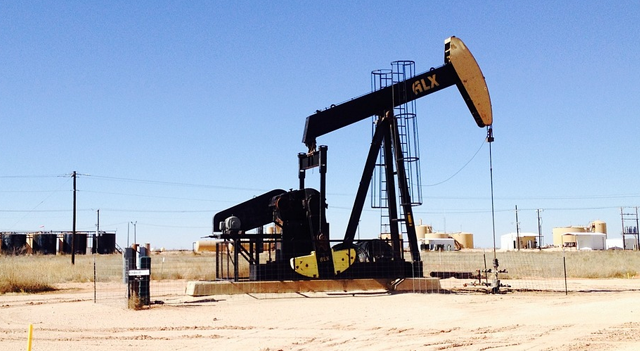
Oil markets retreated as traders assessed the broader economic fallout of potential trade disruptions. Concerns over dampened global demand and increased supply from OPEC+ put additional downward pressure on prices.
As of 03:05 ET, Brent crude futures had fallen 0.5% to $69.25 per barrel, while West Texas Intermediate (WTI) was down 0.6% to $67.50.
The OPEC+ alliance announced over the weekend that it plans to ramp up production by 548,000 barrels per day in August, a notable increase compared to the 411,000 bpd additions seen in the previous three months.
The prospect of higher output combined with trade-related uncertainty has added to concerns that the global oil market may face a short-term oversupply.