Blog

  • STOXX 600 heads for strongest quarterly performance since 2020 as AI stocks lead gains

    STOXX 600 heads for strongest quarterly performance since 2020 as AI stocks lead gains

    European equities traded higher on Tuesday, putting the STOXX 600 on course for its best quarterly performance in more than five years as investor enthusiasm for artificial intelligence and easing geopolitical tensions in the Middle East continued to support market sentiment.

    The pan-European STOXX 600 rose 0.6% to 639.77 points by 08:04 GMT. The benchmark index is set to record its third consecutive monthly advance and has gained 9.7% during the quarter, marking its strongest quarterly return since October 2020.

    Technology sector drives rally

    Technology shares climbed 1.7% and were on track to deliver their strongest quarterly performance since October 2001, reflecting sustained demand for artificial intelligence infrastructure. The sector is also on course to outperform its US technology peers over both the month and the quarter.

    Among the leading gainers, semiconductor equipment manufacturer ASML (EU:ASML) advanced 3.33%, while chipmakers STMicroelectronics (BIT:STMMI) and Infineon (TG:IFX) rose 3.0% and 2.7%, respectively.

    Siemens Energy extends gains

    Shares in Siemens Energy (TG:SIE) gained 5% after the company reaffirmed robust demand for AI-related equipment during its pre-close quarterly trading update on Monday.

    Investor sentiment has also been supported by signs of easing tensions in the Middle East, with oil prices retreating to levels seen before the conflict involving Iran, helping reduce energy cost concerns across Europe.

    Healthcare sector boosted by Abivax

    In the healthcare sector, Abivax (EU:ABVX) surged more than 20% after announcing positive topline results from its obefazimod clinical study.

    The broader European healthcare sector rose 0.9% during the session.

  • European stocks advance at quarter-end as investors await economic data and central bank updates: DAX, CAC, FTSE100

    European stocks advance at quarter-end as investors await economic data and central bank updates: DAX, CAC, FTSE100

    European equity markets traded higher on Tuesday and remained on course to post strong gains for the quarter, with investors focusing on a busy calendar of economic releases and speeches from senior central bank officials scheduled later in the day.

    The pan-European STOXX 600 gained 0.4% in early trading, putting the benchmark on track for a quarterly rise of 9.7%.

    Germany’s DAX climbed 0.8%, while London’s FTSE 100 added 0.2% and France’s CAC 40 rose 0.3%. Italy’s FTSE MIB advanced 0.4%.

    Italian equities outperform regional peers

    Italian shares were set to deliver the strongest quarterly performance among Europe’s major markets, supported by significant gains in banking stocks following a wave of merger and acquisition activity over the past three months.

    By comparison, the UK’s FTSE 100 continued to lag other European indices as investors remained cautious over Britain’s widening fiscal deficit and the government’s efforts to stimulate economic growth.

    European markets have also underperformed their counterparts in the United States and Asia during the quarter, largely reflecting the region’s smaller exposure to large-cap technology companies.

    Strong valuations across technology and artificial intelligence stocks helped lift both US and Asian equity markets to record highs earlier this year, despite heightened geopolitical tensions involving the United States and Iran.

    Markets await Sintra speeches and key economic data

    Attention is now turning to the European Central Bank’s annual forum in Sintra, Portugal, where policymakers are expected to provide further guidance on the outlook for interest rates.

    Investors will closely monitor remarks from ECB Chief Economist Philip Lane, together with Executive Board members Isabel Schnabel and Frank Elderson, for fresh signals on the future direction of eurozone monetary policy.

    The conference will conclude with a closely watched panel discussion featuring newly appointed Federal Reserve Chair Kevin Warsh, making his first major international appearance since taking office, alongside Bank of England Governor Andrew Bailey.

    Maersk gains after raising outlook

    Among individual stocks, shares in Maersk (TG:DP4A) rose around 3% after the shipping group upgraded its full-year earnings guidance.

  • Eurozone short-term bond yields ease as markets await Sintra policy signals

    Eurozone short-term bond yields ease as markets await Sintra policy signals

    Short-dated eurozone government bond yields edged lower on Tuesday as investors prepared for a busy schedule of economic data releases and speeches from leading central bankers at the European Central Bank’s annual forum in Sintra, Portugal.

    The yield on Germany’s two-year government bond, which is particularly sensitive to expectations for ECB interest rates, stood at 2.52%. Bond yields move inversely to prices.

    Meanwhile, the benchmark 10-year German Bund yield was little changed at 2.88%, remaining close to its lowest level in four months.

    Bond markets recover after volatile quarter

    European sovereign debt markets are ending a turbulent quarter during which bond yields climbed to multi-year highs as global energy prices surged amid the conflict involving Iran.

    At the height of the tensions, concerns over potential supply disruptions prompted central bankers to contemplate a “higher-for-longer” approach to interest rates in an effort to contain energy-driven inflation.

    As oil prices later retreated to levels seen before the conflict, inflation expectations moderated, supporting a broad rally in bond markets that pushed yields back towards multi-month lows.

    ECB officials in focus at Sintra forum

    Attention is now turning to comments from policymakers attending the ECB’s annual conference in Sintra.

    Investors will closely monitor speeches from ECB Chief Economist Philip Lane and Executive Board members Isabel Schnabel and Frank Elderson for further indications about the future direction of eurozone monetary policy.

    Schnabel, widely viewed as one of the ECB’s leading policy hawks, has consistently cautioned against relaxing restrictive monetary policy too quickly.

    Her position reflects ongoing differences within the Governing Council as inflation gradually eases alongside stabilising energy prices.

    The three-day conference will conclude with a closely watched policy panel featuring newly appointed Federal Reserve Chairman Kevin Warsh, making his first major international appearance since taking office, alongside Bank of England Governor Andrew Bailey and Bank of Canada Governor Tiff Macklem.

    Markets are also awaiting inflation figures from France and Germany later on Tuesday, followed by eurozone-wide inflation data on Wednesday.

  • FTSE 100 rises as UK economic growth offsets uncertainty over Iran-US talks

    FTSE 100 rises as UK economic growth offsets uncertainty over Iran-US talks

    UK equities traded higher on Tuesday after official figures confirmed stronger first-quarter economic growth, helping to support investor sentiment despite continued uncertainty surrounding potential negotiations between the United States and Iran.

    The FTSE 100 rose 0.16% in early trading, while Germany’s DAX gained 0.80% and France’s CAC 40 advanced 0.33%. Sterling edged 0.05% lower against the US dollar, with GBP/USD trading at 1.3245.

    UK economy expands in first quarter

    Fresh economic data showed the UK economy grew by 0.6% during the first quarter of 2026, matching both the preliminary estimate published in May and market expectations. The expansion accelerated from the revised 0.1% growth recorded in the previous quarter.

    Growth was broad-based across the economy, led by the services sector, which expanded by 0.8%. Annual GDP growth for 2025 was revised down slightly to 1.3% from 1.4%.

    Despite stronger headline growth, household finances weakened during the quarter. Real household disposable income per person fell 0.8%, while the household saving ratio declined to 8.9% from 9.6%.

    Mixed signals over Iran-US negotiations

    Geopolitical uncertainty remained in focus as conflicting statements emerged over potential talks between Washington and Tehran.

    US President Donald Trump said discussions with Iran were taking place in Qatar on Tuesday, with envoy Steve Witkoff travelling to Doha. However, Iranian Foreign Ministry spokesperson Esmaeil Baghaei denied that any talks with the United States were scheduled in the coming days, although he confirmed that a technical delegation would visit Doha later in the week.

    Baghaei added that negotiations had not yet reached the stage of drafting a final agreement, echoing earlier comments from Iranian negotiator Kazem Gharibabadi, who also denied that technical negotiations had been arranged.

    Meanwhile, White House press secretary Karoline Leavitt said Witkoff and Jared Kushner would travel to Doha for high-level discussions, with technical meetings expected alongside the talks.

    Differences also emerged over the clearance of mines in the Strait of Hormuz. French President Emmanuel Macron said France and Oman would work with international partners on demining operations, while Iran’s deputy foreign minister insisted Iran would carry out the work independently. Shipping through the strategic waterway remains well below pre-conflict levels.

    Iranian President Masoud Pezeshkian said Tehran would honour its commitments if the United States did the same, while warning it would respond firmly to any threats. He also said half of Iran’s US$12 billion in frozen assets held in Qatar would be returned, although US officials have offered differing accounts.

    In Lebanon, Parliament Speaker Nabih Berri said the US-brokered agreement with Israel “won’t be implemented,” as clashes between Hezbollah and Israeli forces continued despite the recently announced ceasefire.

    Commodities ease

    Oil prices moved lower during the session, with Brent crude falling 0.51% to US$73.53 a barrel and West Texas Intermediate declining 0.62% to US$70.31. Gold prices edged higher, with gold futures gaining 0.10% to US$4,043.02 an ounce and spot gold rising 0.31% to US$4,029.22.

    UK corporate highlights

    Among UK-listed companies, Shell (LSE:SHEL) said global demand for liquefied natural gas could increase by 65% by 2050 to almost 700 million metric tonnes a year, supported by rising energy demand across Asia and the growth of power-hungry data centres.

    Meanwhile, J Sainsbury (LSE:SBRY) reported first-quarter like-for-like sales growth of 2.1%, slightly below market expectations and the previous quarter, while maintaining its full-year profit guidance.

  • UK economy expands 0.6% in first quarter as services sector drives growth

    UK economy expands 0.6% in first quarter as services sector drives growth

    The UK economy grew by 0.6% during the first quarter of 2026, in line with both the preliminary estimate published last month and economists’ expectations, according to figures released on Tuesday by the UK’s statistics agency.

    The latest quarterly expansion followed an upwardly revised 0.1% increase in gross domestic product during the final quarter of 2025. Growth was recorded across all three main sectors of the economy, with the services sector providing the strongest contribution after expanding by 0.8%.

    GDP per person rises despite weaker household finances

    Real gross domestic product per person increased by 0.6% during the January-to-March period and was 0.7% higher than in the first quarter of 2025.

    The data also included revisions to annual economic growth, with GDP growth for 2025 lowered to 1.3% from the previous estimate of 1.4%. The 2024 growth figure was left unchanged at 1.0%.

    Household income and savings decline

    Despite stronger economic output, real household disposable income per person fell by 0.8% during the first quarter, reversing a 1.2% increase recorded in the previous three months.

    The household saving ratio also declined by 0.7 percentage points to 8.9%, reflecting lower non-pension saving contributions.

    Statistical revisions

    The Office for National Statistics also made minor revisions to quarterly GDP figures across 2025 following updated source data and changes to seasonal adjustment methods. The revisions, which ranged by 0.1 percentage points in either direction, covered quarterly data from the first quarter of 2024 through to the first quarter of 2026.

  • RBC and Citi downgrade EasyJet after takeover-driven rally as Castlelake bid uncertainty persists (EZJ)

    RBC and Citi downgrade EasyJet after takeover-driven rally as Castlelake bid uncertainty persists (EZJ)

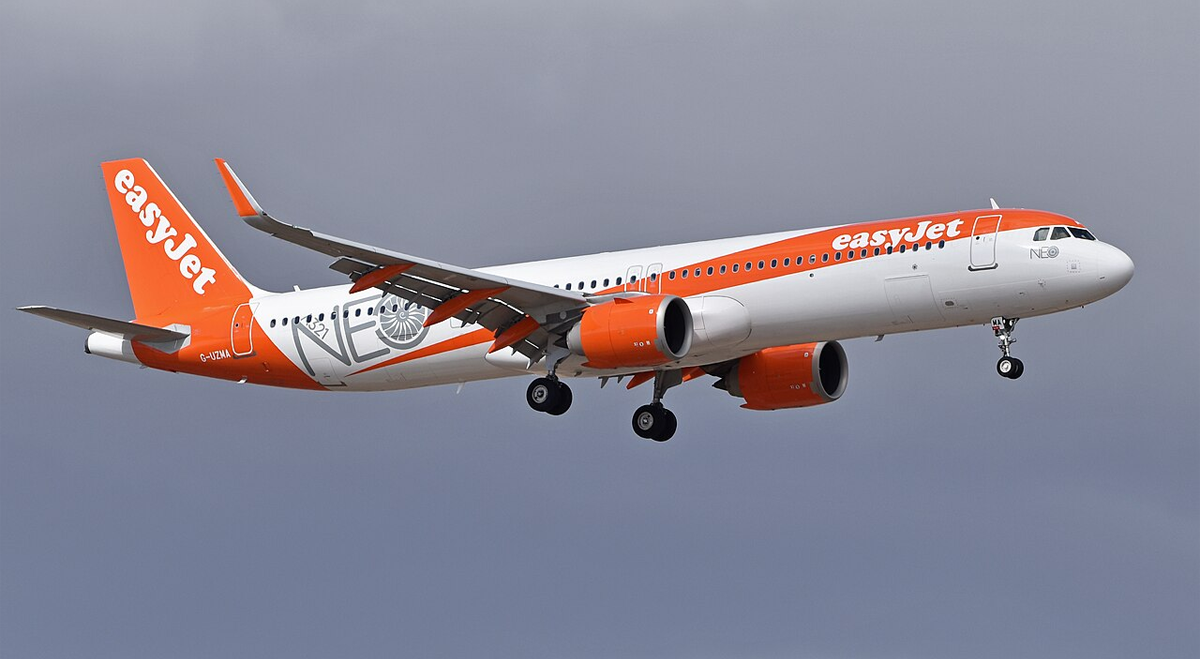
    EasyJet (LSE:EZJ) was downgraded by both RBC Capital Markets and Citi Research this week after the airline’s share price surged following Castlelake’s takeover approach. While both brokers raised their price targets, they argued that the recent rally has created a more balanced risk-reward profile and highlighted continued uncertainty over whether a transaction will ultimately be completed.

    Brokers lift targets but adopt more cautious stance

    RBC lowered its recommendation to “sector perform” from “outperform” while increasing its price target to 600 pence from 405 pence. Citi also downgraded the stock to neutral/high risk from buy/high risk, lifting its target price to 580 pence from 500 pence.

    According to RBC, EasyJet shares have gained 44% since Castlelake’s approach became public, outperforming airline peers by more than 30% over the same period. Citi estimated the shares have risen approximately 75% from their mid-May lows.

    Takeover discussions continue

    Both brokers noted that Castlelake has submitted several takeover proposals. RBC said EasyJet rejected offers of 560 pence, 600 pence and 625 pence before receiving a latest proposal of 650 pence per share.

    Citi stated that the most recent proposal, submitted on 17 June, offered shareholders 625 pence in cash, with an alternative option of receiving non-voting, non-transferable shares. Earlier proposals had been made at 560 pence and 600 pence. Citi also noted that Castlelake has until Sunday, 5 July, to make a formal offer.

    “The view of easyJet’s Board that Castlelake’s offers significantly undervalue easyJet, suggests to us that more than a further 25p/share increase in the offer price would be required for a deal,” RBC said. The broker estimated that a 700 pence per share offer would represent around 22% upside from current levels.

    Citi estimated EasyJet’s net asset value at between 770 pence and 890 pence per share, excluding the value of its aircraft order book and airport slots. Based on Castlelake targeting a 20% to 25% investment return, Citi calculated an implied acquisition value of between 710 pence and 740 pence per share, well above the latest 625 pence proposal.

    Analysts highlight execution risks

    Despite the higher valuation estimates, both brokers warned that a successful takeover is far from guaranteed. Citi identified the key risks as securing shareholder acceptance on price and obtaining regulatory approvals, while RBC said “there is no certainty that a firm offer will be made, or a price can be agreed.”

    RBC also cautioned that EasyJet shares could decline by more than 20% if takeover discussions collapse, estimating the shares could return to around 443 pence based on historical trading levels before the bid emerged.

    Separately, Citi said EasyJet’s standalone recovery story now offers limited additional upside following the recent share price rally. The broker added that trading conditions for the summer season remain challenging, citing weak ticket pricing and continued underperformance on UK-Spain routes, particularly from London, where competition from Jet2 remains intense.

    RBC added that EasyJet’s decision to grant Castlelake access to limited commercial information suggests the board “would be open to an offer at a higher price.”

  • IWG expands share buyback programme as capital-light strategy boosts shareholder returns (IWG)

    IWG expands share buyback programme as capital-light strategy boosts shareholder returns (IWG)

    IWG (LSE:IWG) shares rose 3.3% after the flexible workspace provider announced a US$50 million increase to its 2026 share buyback programme, taking the total authorised repurchase amount to US$150 million.

    Buyback expansion reflects stronger cash generation

    The enlarged buyback programme follows the return of US$130 million to shareholders through share repurchases during 2025. Management said the company’s capital-light growth strategy continues to improve free cash flow generation, creating additional capacity to return capital to investors while supporting future business expansion.

    Analysts see valuation upside

    Commenting on the announcement, analysts at Stifel said, “We view the current valuation (FY26E EV/EBITDA of 5.1x) as relatively undemanding given the shift to capital-light growth and potential for ongoing shareholder returns.”

    Market observers noted that an increase in the buyback programme had been widely anticipated, reflecting confidence in IWG’s improving cash generation and capital allocation strategy.

  • Morgan Stanley names BAE Systems its top European defence stock on long-term spending outlook (BA.)

    Morgan Stanley names BAE Systems its top European defence stock on long-term spending outlook (BA.)

    Morgan Stanley has identified BAE Systems (LSE:BA.) as its preferred investment in the European defence sector, arguing that the recent pullback in the company’s share price presents an attractive buying opportunity as rising defence spending across key global markets is expected to support future earnings growth.

    Broker sees attractive valuation after share price weakness

    The investment bank reduced its price target on BAE Systems to 2,420 pence from 2,662 pence, reflecting lower sector valuation multiples and a higher discount rate. Despite the target revision, Morgan Stanley reiterated its “overweight” rating on the stock.

    The broker highlighted BAE Systems’ extensive exposure to increasing defence expenditure in both the United States and the Middle East, alongside its record £84 billion order backlog and diversified revenue streams, as key strengths supporting its long-term investment case.

    UK policy developments expected to provide support

    Morgan Stanley also said upcoming UK defence policy announcements should help reduce political uncertainty that has weighed on investor sentiment. The broker believes BAE Systems’ global operations and involvement in both conventional defence platforms and next-generation military technologies leave it well positioned to outperform many of its European peers.

    It also argued that the shares warrant trading at a premium to major US defence contractors, citing the company’s stronger expected growth profile, diversified business model and shareholder returns.

  • Guardian Metal’s Pilot Mountain Study Highlights a Transformational Opportunity for U.S. Critical Minerals Supply

    Guardian Metal’s Pilot Mountain Study Highlights a Transformational Opportunity for U.S. Critical Minerals Supply

    Guardian Metal Resources (LSE:GMET)(AMEX:GMTL)(USOTC:GMTLF) has taken a major step forward in its mission to help strengthen America’s critical minerals supply chain, announcing highly encouraging Pre-Feasibility Study (PFS) results for its flagship Pilot Mountain Tungsten Project in Nevada.

    The study outlines a project with robust economics, strong cash flow potential, and strategic significance at a time when governments and industries are increasingly focused on securing reliable domestic sources of critical minerals. With tungsten playing an essential role in defense, aerospace, advanced manufacturing, and technology applications, Pilot Mountain is emerging as one of the most significant tungsten development projects in the Western world.

    Strong Economics Demonstrate Project Potential

    The PFS delivers compelling financial metrics. Using a conservative tungsten price assumption, Pilot Mountain generated an after-tax Net Present Value (NPV8) of approximately US$660 million and an Internal Rate of Return (IRR) of nearly 60%. The study also projects more than US$1 billion in after-tax free cash flow over the life of the mine and a rapid capital payback period of just one year following commercial production.

    These figures become even more attractive under current market pricing conditions. At recent tungsten spot prices, the project’s after-tax NPV rises above US$1.3 billion while the IRR exceeds 100%, highlighting significant leverage to strengthening tungsten markets.

    Positioned to Support U.S. Strategic Priorities

    One of the most important aspects of Pilot Mountain is its potential contribution to U.S. supply chain security. The United States has not seen meaningful domestic tungsten mine production for more than a decade, despite tungsten’s importance to national defense and advanced industrial applications.

    Guardian Metal believes Pilot Mountain could become the first new domestically mined U.S. tungsten operation in over ten years, helping reduce dependence on foreign supply and supporting broader efforts to rebuild critical mineral independence. The project has already received support through a US$6.2 million Defense Production Act Title III investment, underscoring its strategic importance.

    Simple Development Plan with Near-Term Pathway

    The study outlines a straightforward development strategy utilizing conventional open-pit mining and proven processing technologies. The project is designed around a 4,000-tonne-per-day processing facility and targets average annual production of approximately 2,000 tonnes of tungsten trioxide (WO₃) concentrate.

    Importantly, the company believes it is advancing toward key permitting milestones, with work completed to support the near-term filing of a Mine Plan of Operations. First production is targeted for late 2028, providing investors with a clear development roadmap.

    Resource Growth and Exploration Upside

    The updated resource estimate demonstrates continued growth at Pilot Mountain, with indicated resources increasing to 21,600 tonnes of WO₃ and probable reserves totaling more than 20,000 tonnes of WO₃. The current mine plan supports an initial eight-year mine life, but management believes substantial exploration upside remains across several additional targets within the broader project area.

    This combination of a defined development project and ongoing discovery potential creates a compelling long-term growth story.

    A Significant Milestone for Guardian Metal

    Completion of the Pre-Feasibility Study represents a major milestone for Guardian Metal and significantly de-risks the Pilot Mountain project. The study confirms that the company controls a potentially high-margin, strategically important tungsten asset with the ability to generate substantial shareholder value while supporting critical U.S. industrial and national security objectives.

    As global demand for critical minerals continues to rise and governments prioritize domestic supply chains, Guardian Metal appears well-positioned to benefit from one of the most important structural trends shaping the resource sector today. With strong project economics, government support, and a clear development pathway, Pilot Mountain is increasingly establishing itself as a cornerstone future source of U.S. tungsten production.

  • Saga maintains positive trading momentum as travel growth and Ageas partnership strengthen balance sheet (SAGA)

    Saga maintains positive trading momentum as travel growth and Ageas partnership strengthen balance sheet (SAGA)

    Saga plc (LSE:SAGA) reported a positive start to its new financial year, with trading between February and late June meeting management’s expectations and leaving the company on course to achieve its full-year guidance. The travel division continued to drive performance, with both ocean and river cruises expected to generate higher first-half revenue than a year earlier. Holiday bookings and passenger numbers are also forecast to increase, despite a shift in customer demand towards shorter-haul destinations amid ongoing conflict in the Middle East.

    Insurance partnership supports debt reduction

    The insurance broking business performed in line with expectations, while Saga’s long-term partnership with Ageas continued to progress. New motor and home insurance business is now fully operational under the agreement, triggering a £10.5 million contingent payment after policy sales exceeded agreed targets. At the end of May, net debt had fallen to £464.7 million, reducing leverage to 3.2 times and strengthening the company’s financial position as it continues to expand its travel operations, complete the transition to its new insurance model and work towards its medium-term profitability and leverage objectives.

    Outlook

    Saga’s outlook is supported by improving financial performance and significantly stronger recent cash generation. However, the company continues to face challenges from relatively high leverage and a modest equity base. Technical indicators present a mixed picture, with weaker short-term market momentum, while valuation remains constrained by a negative price-to-earnings ratio and the absence of a dividend yield.

    More about Saga plc

    Saga plc is a UK-based specialist provider of products and services for people aged over 50, offering a well-established consumer brand focused on high levels of customer service. Its operations include ocean and river cruises, package holidays, insurance products such as motor, home, medical and travel cover, as well as personal finance and publishing services.

    The company’s travel division is built around premium cruise and holiday experiences, while its insurance broking business works with major underwriting partners, including Ageas, to serve the UK’s over-50s market. This combination of travel, insurance and financial services provides Saga with diversified exposure across consumer and financial sectors.