The second half of 2026 could become one of the most consequential periods in modern market history.
Within days of each other, SpaceX (NASDAQ:SPCX) and OpenAI moved closer to public listings, while Anthropic is reportedly evaluating a debut of its own. If all three proceed, public investors could be asked to absorb nearly $3 trillion of new market value in an exceptionally short period.
This isn’t simply an IPO boom. It’s a large-scale test of whether investors are still willing to pay premium prices for transformative stories that promise enormous future potential but often remain years away from mature profitability.
SpaceX Is Preparing for the Biggest IPO Ever
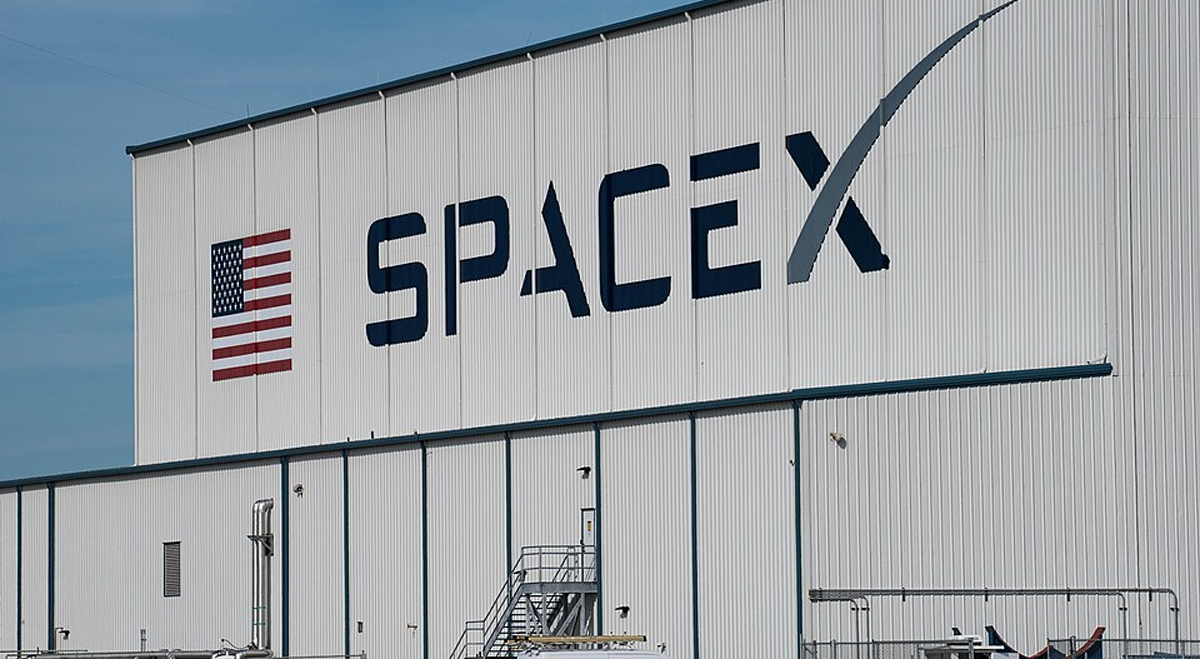
SpaceX has progressed beyond speculation and into execution.
The company has publicly filed for its IPO and is targeting a launch schedule that could see shares begin trading as early as mid-June under the SPCX ticker.
The proposed transaction would dwarf previous IPO records, potentially raising up to $80 billion while valuing the company at roughly $1.75 trillion or more.
At that level, SpaceX would immediately join the ranks of the world’s most valuable publicly traded companies.
Why Investors Are Willing to Pay Up
Unlike many high-growth businesses, SpaceX already operates multiple proven commercial franchises.
Starlink has become one of the most successful satellite communications businesses ever built, while the company’s launch operations continue to dominate the global space industry.
Revenue growth has been substantial, and profitability is beginning to emerge in key segments.
Still, investors are being asked to price in not only today’s business but also future opportunities spanning artificial intelligence, advanced communications and long-term space exploration.
OpenAI Faces a Different Challenge
OpenAI’s path to the public markets rests on a different narrative.
The company has built one of the most recognizable technology brands in the world through ChatGPT and its expanding enterprise platform.
Revenue growth has been extraordinary, but so has spending.
OpenAI remains heavily dependent on large-scale investment in computing infrastructure, and profitability remains a distant objective.
The company is effectively asking investors to finance what may be the most capital-intensive software expansion strategy ever attempted.
The Bigger Question Facing Markets
The arrival of SpaceX, OpenAI and potentially Anthropic raises a broader issue.
Can markets continue supporting trillion-dollar growth narratives at a time when valuations are already elevated and economic uncertainty remains present?
The answer will shape not only the future of these companies but also the trajectory of the broader AI investment cycle.
Risks Extend Beyond Individual Companies
The most immediate concern is liquidity.
Mega-listings of this scale have the potential to redirect capital away from smaller growth companies and emerging IPO candidates.
There are also valuation risks. Successful debuts could push technology multiples even higher, while disappointing performance could trigger a broader reassessment of AI-related investments.
Index inclusion presents another challenge, potentially exposing millions of passive investors to companies that remain volatile and difficult to value.
The Market’s Verdict Is Approaching
Despite the risks, these offerings represent genuine innovation rather than speculative concepts alone.
SpaceX and OpenAI have built businesses with real customers, meaningful revenues and significant technological influence.
The coming IPO wave will therefore serve as something larger than a fundraising exercise. It will be a public verdict on whether investors still believe the AI revolution can justify the extraordinary valuations attached to its biggest players.
If demand remains strong, the boom could continue.
If confidence begins to crack, these offerings may become remembered as the moment when optimism finally encountered its limits.
Leave a Reply